
Burg Taufers — History & Facts
In a world awash with fleeting moments, some truths remain steadfast, captured in time by the artist's hand. Look to the left at the soft, swirling clouds that drift lazily above the verdant valley. The subtle gradations of green and gold invite the eye deeper into the landscape, revealing the majestic silhouette of Burg Taufers, a fortress standing resolute against the sky. Notice how light dances upon the stone walls, its warm hues contrasting against the cool shadows that cradle the fortress, suggesting a narrative of both strength and vulnerability. Delve into the emotional layers of the painting; the contrast between the sturdy castle and the serene landscape evokes a sense of permanence amidst transience.
The viewer is drawn to the interplay between nature and architecture, a dialogue of resilience and fragility. The meticulous attention to detail, from the texture of the stones to the gentle ripples of the river, speaks to the artist's desire to convey not just a place, but a memory infused with the essence of truth. Leopold Munsch created this work in 1886, during a period where the Romantic movement was evolving into new realms of expression. Living in Germany, he was influenced by the picturesque landscapes that surrounded him and the growing appreciation for capturing the sublime in art.
In a world on the brink of modernity, he found himself exploring the tensions between natural beauty and human creation, a theme that resonates deeply within this captivating piece.
More Artworks by Leopold Munsch
Browse all →
View from the Kahlenberg to the Leopoldsberg
Leopold Munsch
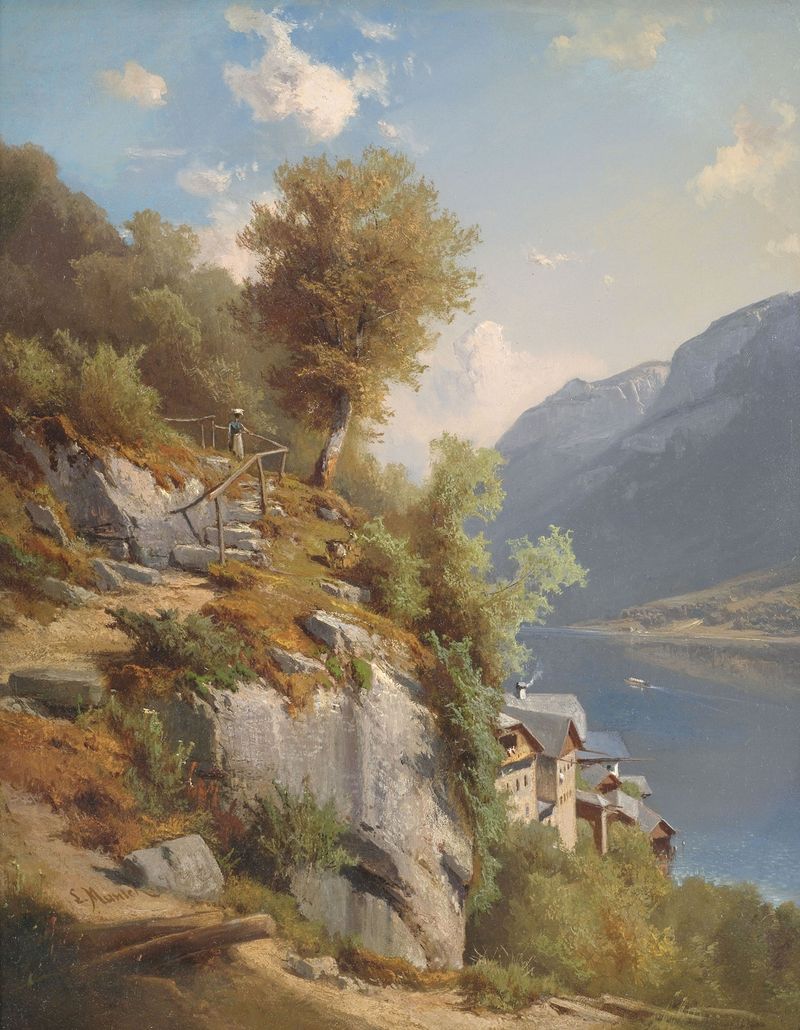
Sommerliche Landschaft mit Blick auf den Hallstätter See
Leopold Munsch
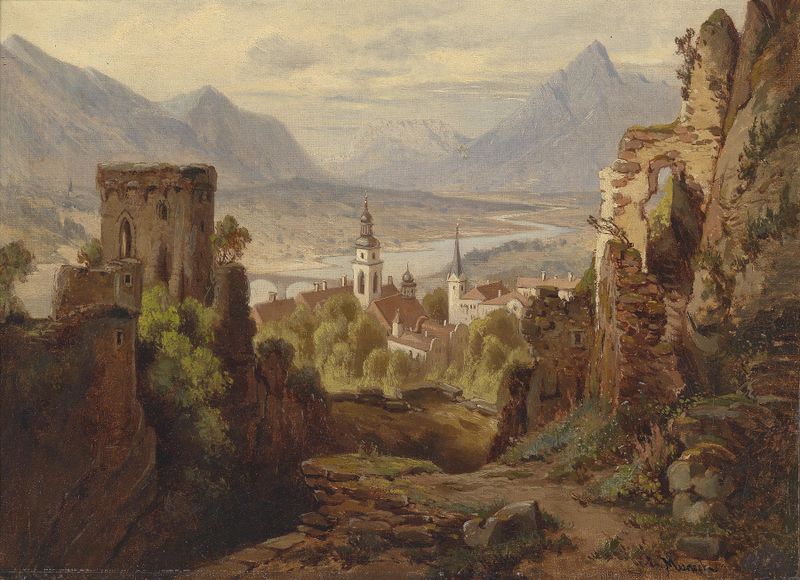
Blick auf Rattenberg am Inn
Leopold Munsch
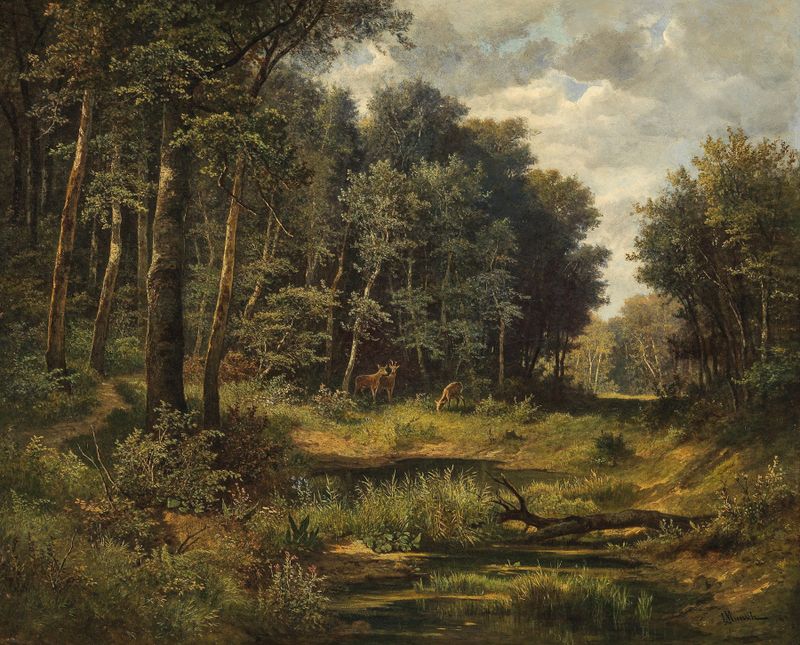
Roe Deer at the Forest Pond
Leopold Munsch
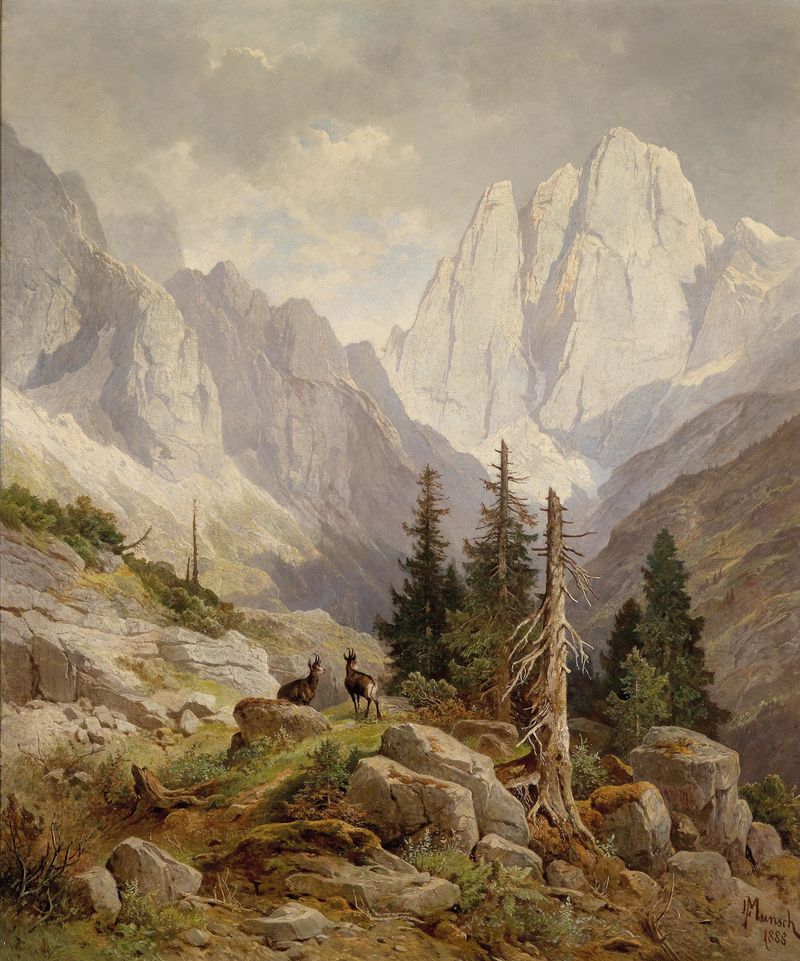
Gämsen im Hochgebirge
Leopold Munsch

Alte Häuser in Hallstadt
Leopold Munsch
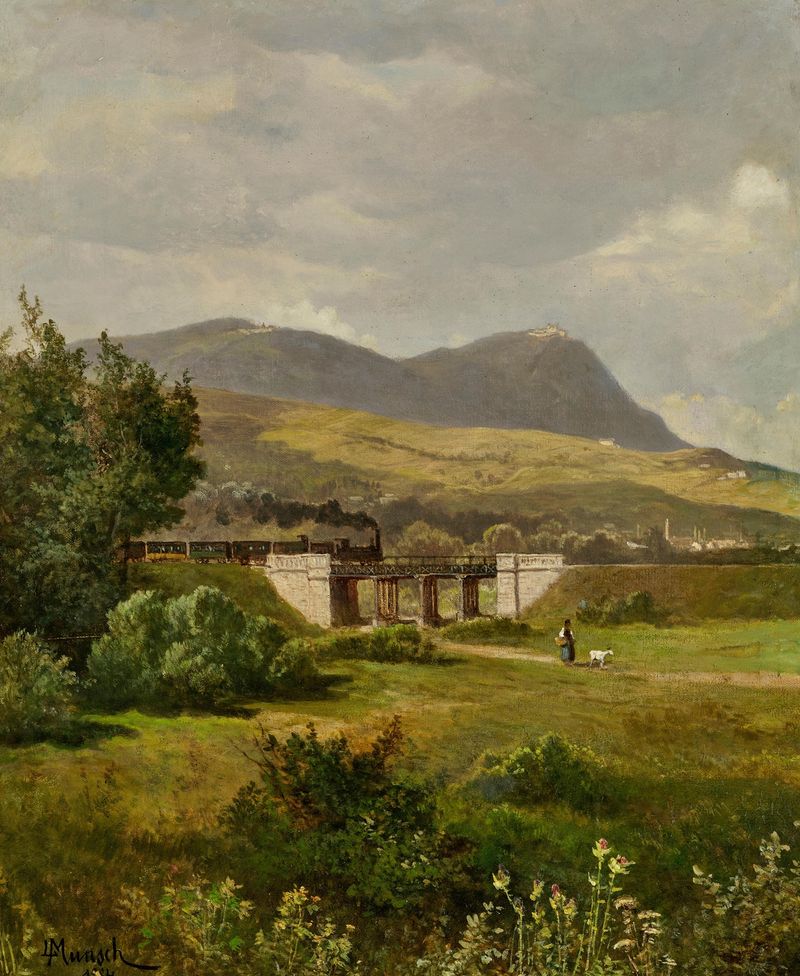
A Steam Train, with Leopoldsberg and Kahlenberg in the Background
Leopold Munsch
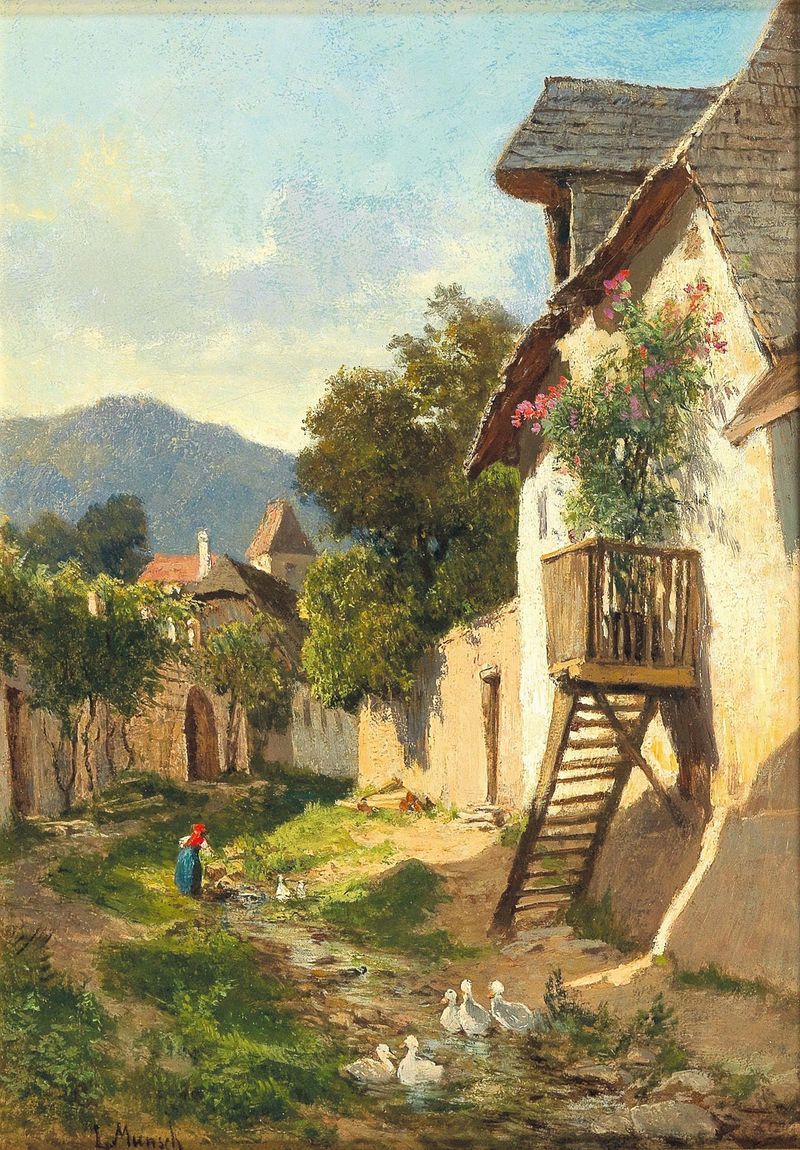
Scene of the Wachau
Leopold Munsch
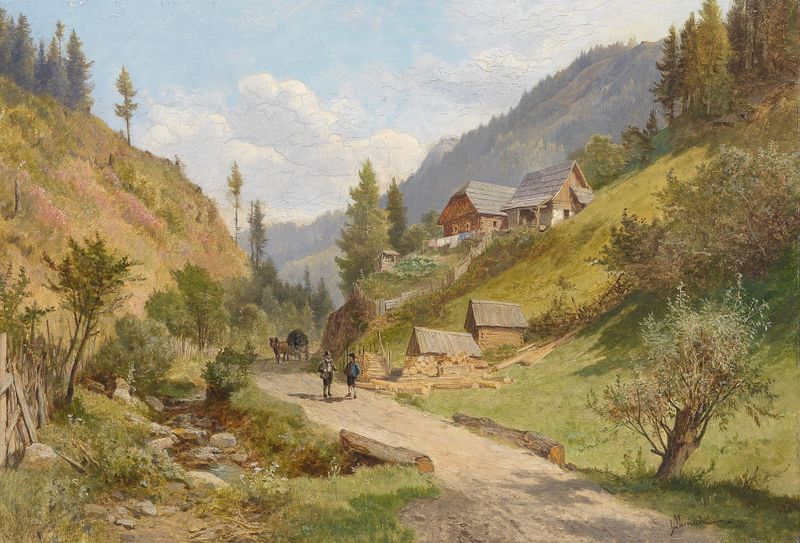
Landschaft in Niederösterreich
Leopold Munsch
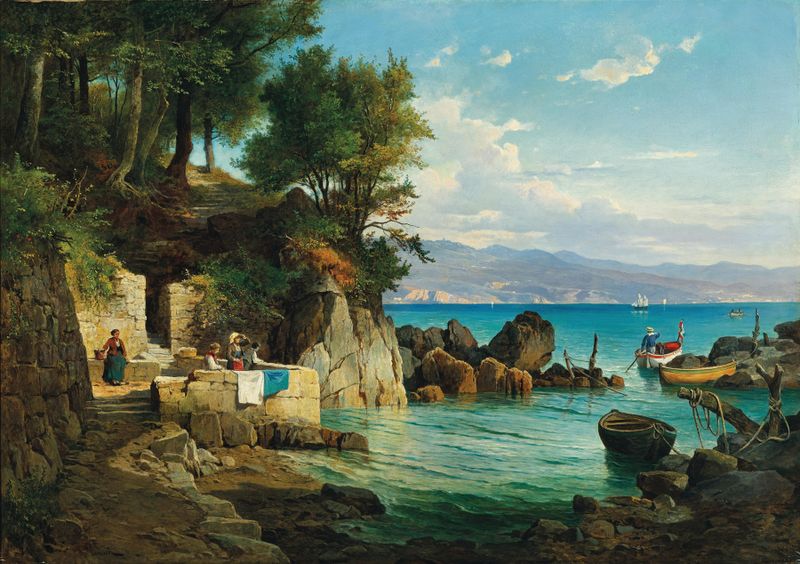
Bucht in Abbazia
Leopold Munsch





