
Blick auf Rattenberg am Inn — History & Facts
What if beauty was never meant to be finished? In Blick auf Rattenberg am Inn, a palpable sense of rebirth emerges from a landscape suspended between the past and the present, as if nature and life are in a continuous cycle of renewal. Look to the left, where the tranquil waters of the Inn reflect the soft hues of dawn, capturing a fleeting moment that feels both timeless and transient. The artist employs a delicate palette of blues and greens, punctuated by the warm golden tones of the rising sun, guiding the viewer’s gaze along the meandering riverbank. Notice how the wisps of fog curl around the distant hills; they blur the line between reality and imagination, enhancing the ethereal quality of the scene.
Each brushstroke breathes life into this landscape, inviting contemplation of the harmony found in nature's cycles. In the foreground, scattered wildflowers bloom defiantly amid craggy stones, symbolizing resilience amidst the passage of time. The juxtaposition of the gentle landscape against the rugged terrain speaks to the enduring relationship between fragility and strength. Hidden within the layers of color and texture lies an invitation to reflect on personal rebirth, evoking the idea that beauty often emerges from struggle, and that life is a series of transformations waiting to be embraced. Leopold Munsch painted this piece during an era of transition in the late 19th century, a time when Romanticism was giving way to Impressionism in Europe.
Working in Austria, he sought to capture the emotional essence of landscapes, a practice that resonated deeply with the tumultuous changes in society and the natural world around him. Through his brush, Munsch found a way to express the enduring beauty of nature, reminding us of the inherent cycle of life.
More Artworks by Leopold Munsch
Browse all →
View from the Kahlenberg to the Leopoldsberg
Leopold Munsch
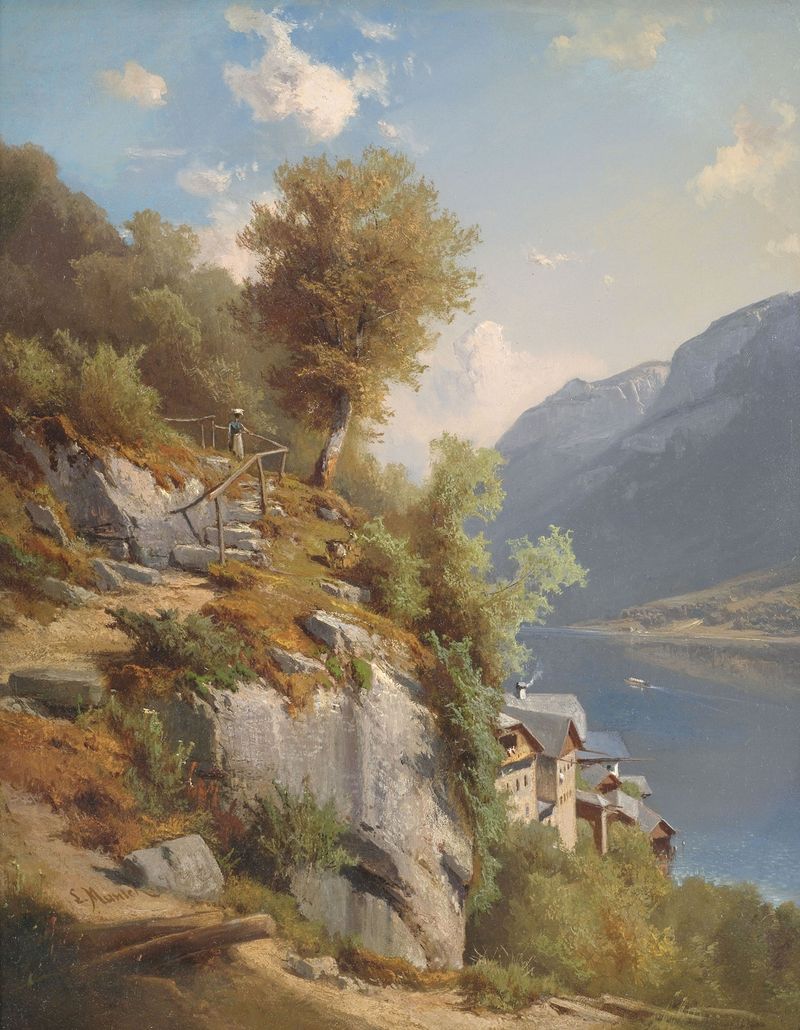
Sommerliche Landschaft mit Blick auf den Hallstätter See
Leopold Munsch

Burg Taufers
Leopold Munsch
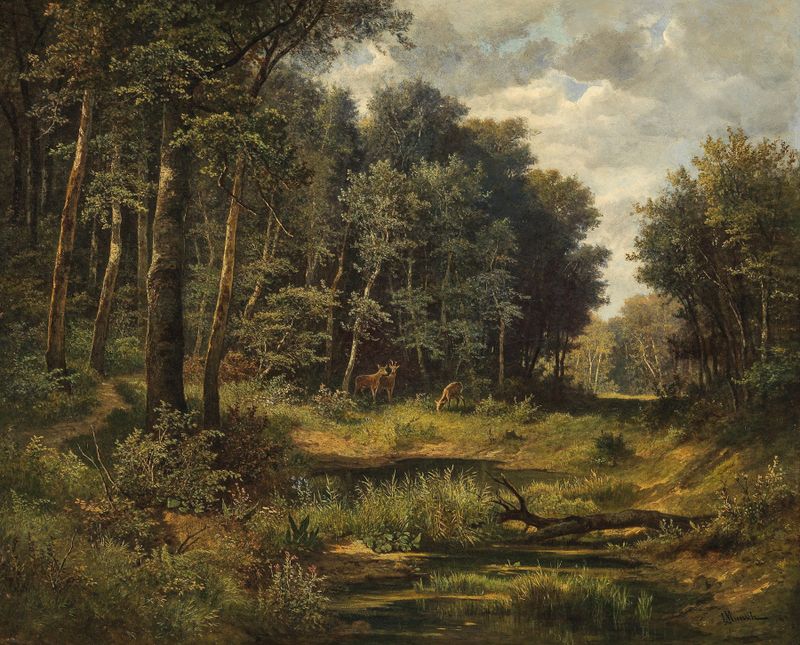
Roe Deer at the Forest Pond
Leopold Munsch
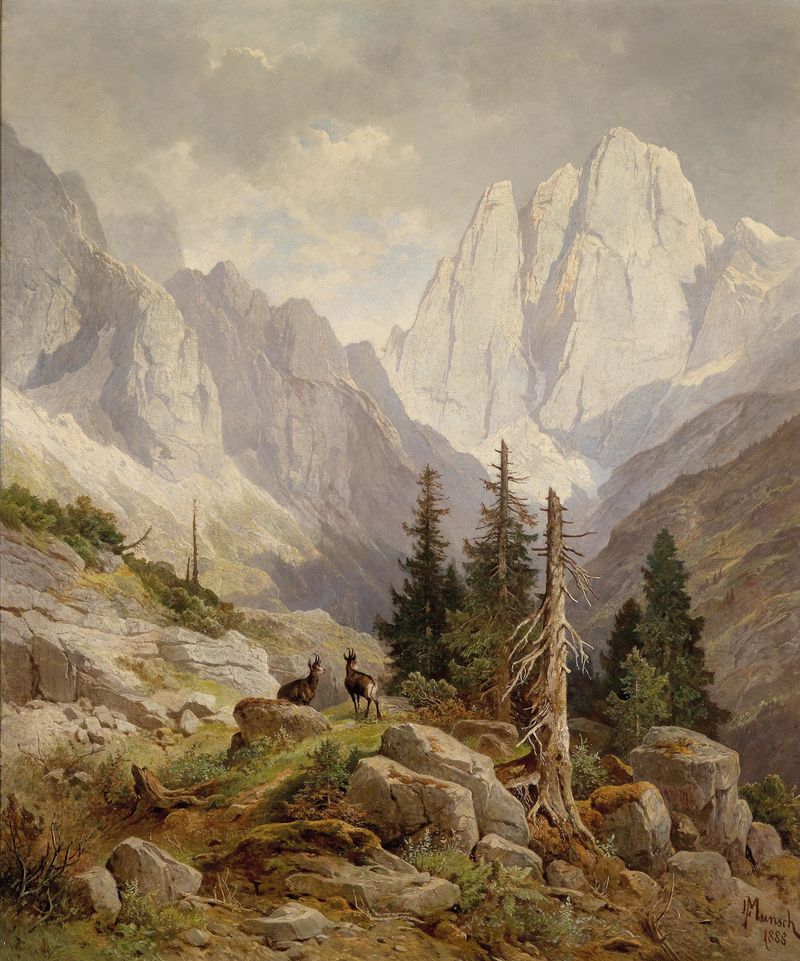
Gämsen im Hochgebirge
Leopold Munsch

Alte Häuser in Hallstadt
Leopold Munsch
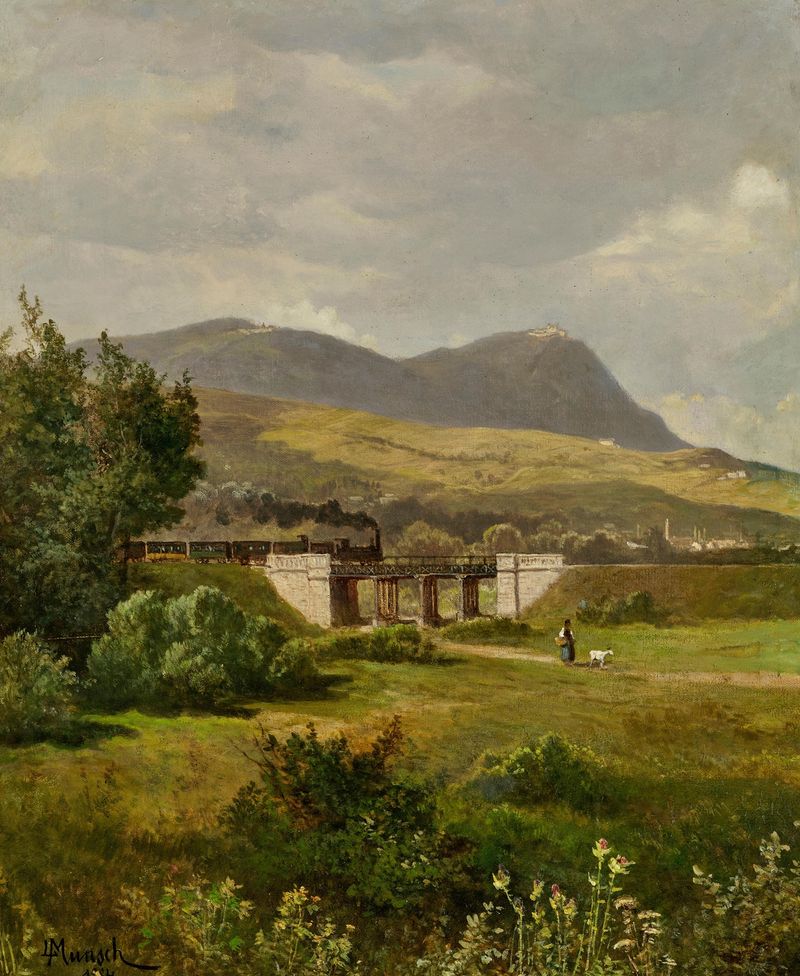
A Steam Train, with Leopoldsberg and Kahlenberg in the Background
Leopold Munsch
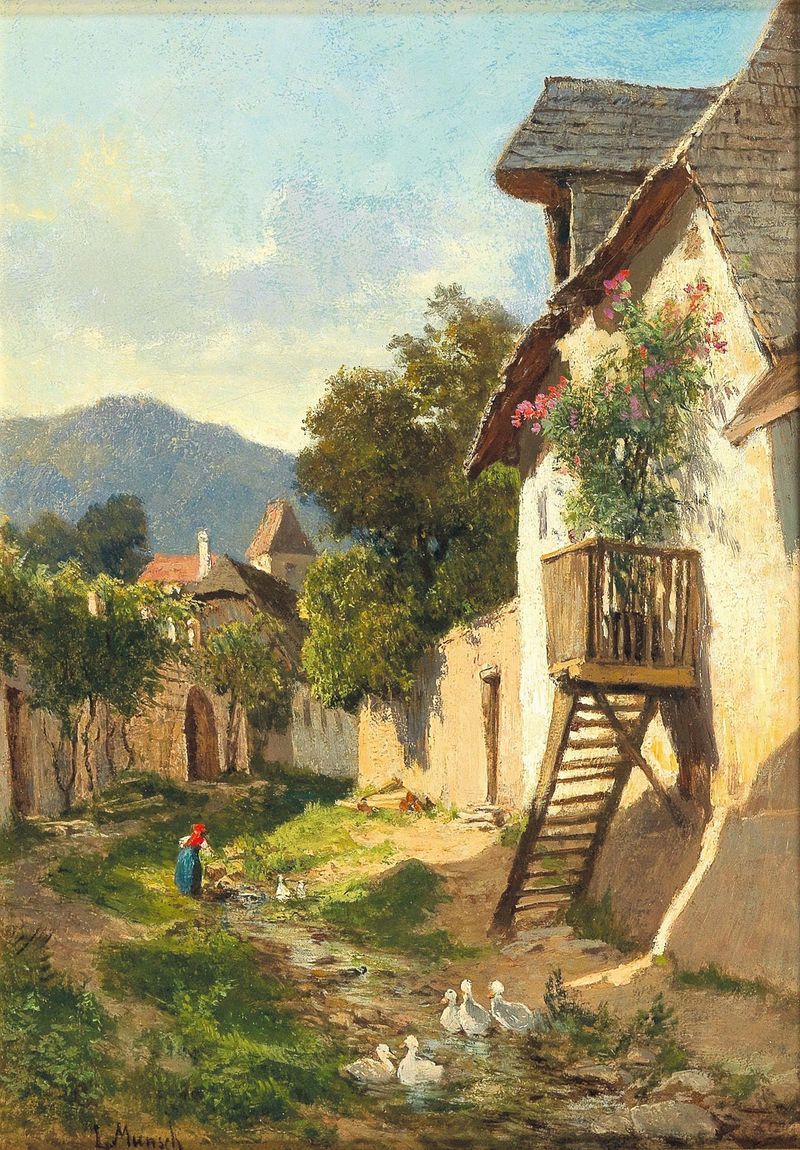
Scene of the Wachau
Leopold Munsch
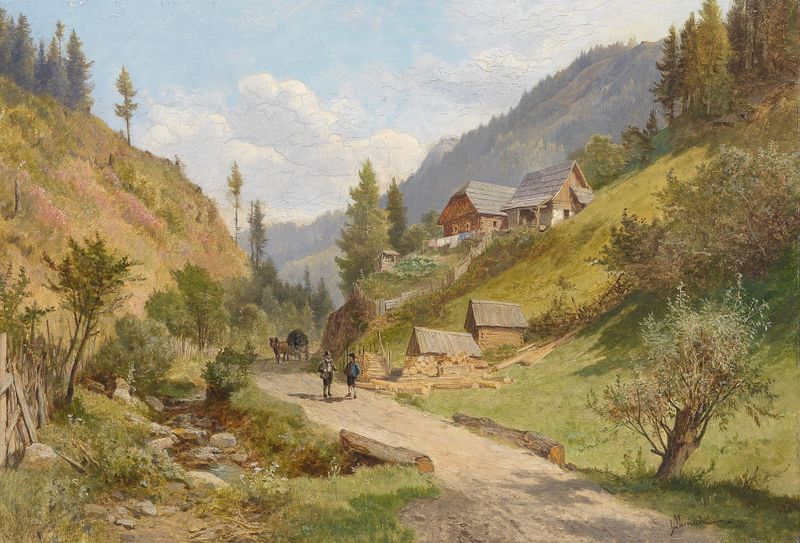
Landschaft in Niederösterreich
Leopold Munsch
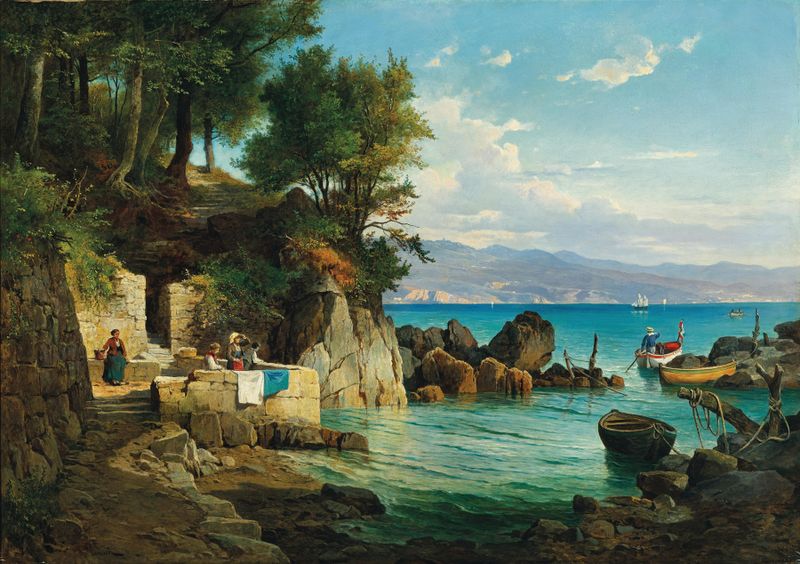
Bucht in Abbazia
Leopold Munsch





