
Scene of the Wachau — History & Facts
Can beauty exist without sorrow? In the stillness of Scene of the Wachau, a profound silence envelops the landscape, inviting contemplation. Here lies a world captured in a moment, where nature seems to whisper its untold stories, leaving the viewer suspended between tranquility and the weight of unspoken emotion. Look to the left at the gentle curve of the river, where the water glimmers with soft hues of blue and green. The hills rise majestically in the background, cloaked in a delicate mist, while the autumn foliage introduces a vibrant tapestry of oranges and yellows.
Each brushstroke conveys a sense of harmony, yet the tranquility is underscored by shadows that linger suggestively in the valleys. The composition strikes a balance between serenity and an underlying tension—a reminder that beauty often coexists with the complexity of existence. As you immerse yourself further, notice the distant figures dotting the landscape, hinting at human presence yet remaining almost ghostly in their insignificance. They seem small against the grandeur of nature, evoking feelings of solitude and introspection.
The juxtaposition of the lively palette against the silence of the scene creates a poignant contrast—a reminder that joy and sorrow can intertwine in the tapestry of life. During the time he painted this work, Leopold Munsch was navigating a period of personal exploration and growth. Though the exact date remains unknown, the artist was influenced by the Romantic ideals prevalent in the 19th century, which sought to express the beauty of the natural world alongside the emotional depth of the human experience. This painting captures the essence of that journey, inviting viewers to reflect on their own relationship with beauty and silence.
More Artworks by Leopold Munsch
Browse all →
View from the Kahlenberg to the Leopoldsberg
Leopold Munsch
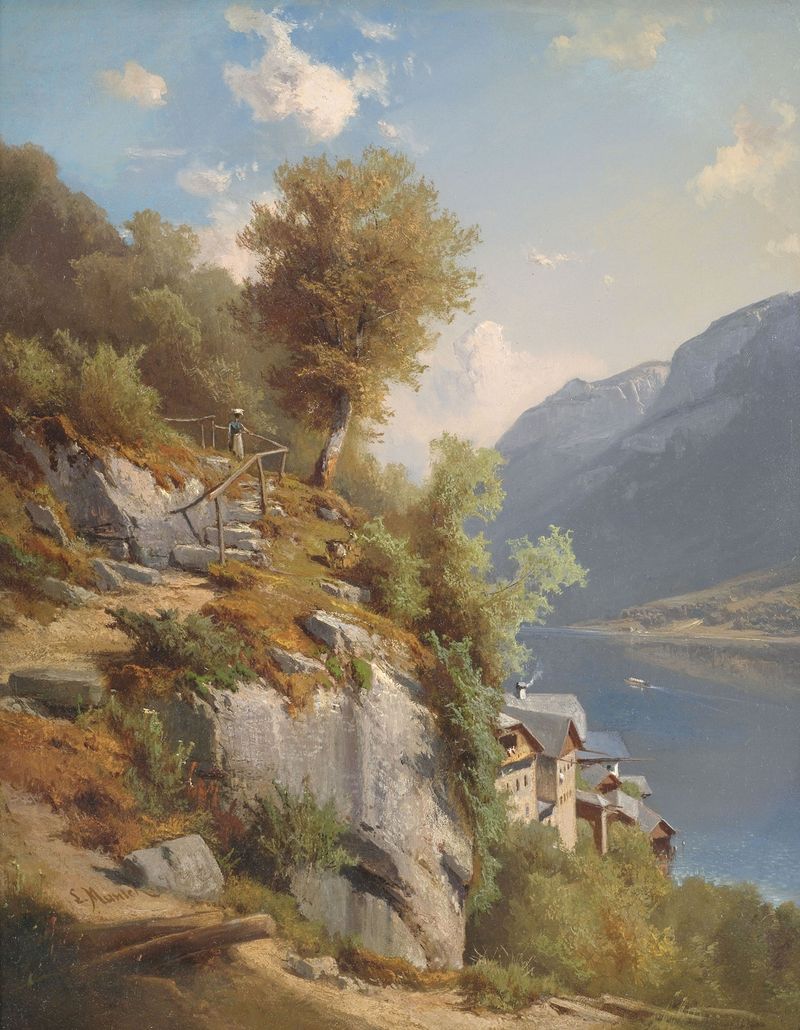
Sommerliche Landschaft mit Blick auf den Hallstätter See
Leopold Munsch
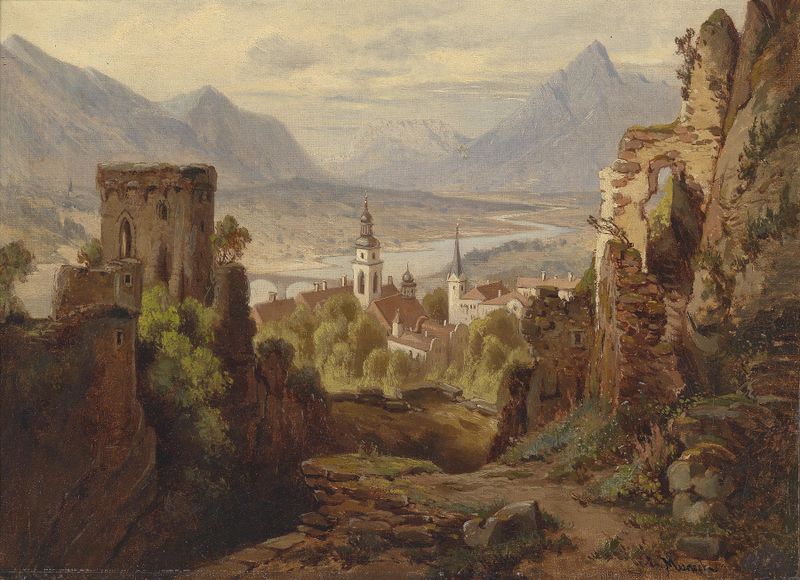
Blick auf Rattenberg am Inn
Leopold Munsch

Burg Taufers
Leopold Munsch
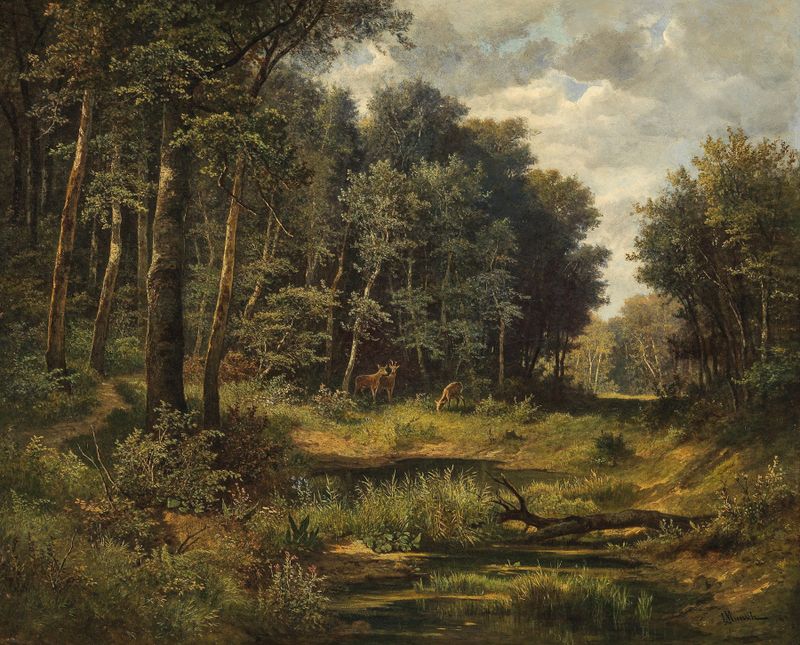
Roe Deer at the Forest Pond
Leopold Munsch
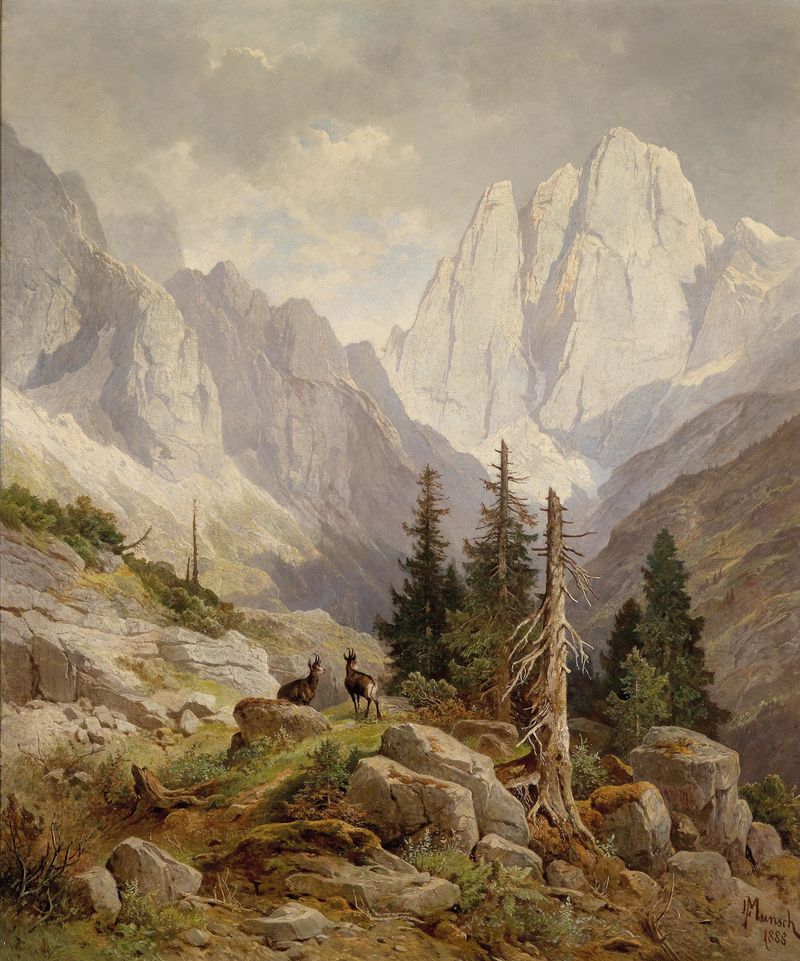
Gämsen im Hochgebirge
Leopold Munsch

Alte Häuser in Hallstadt
Leopold Munsch
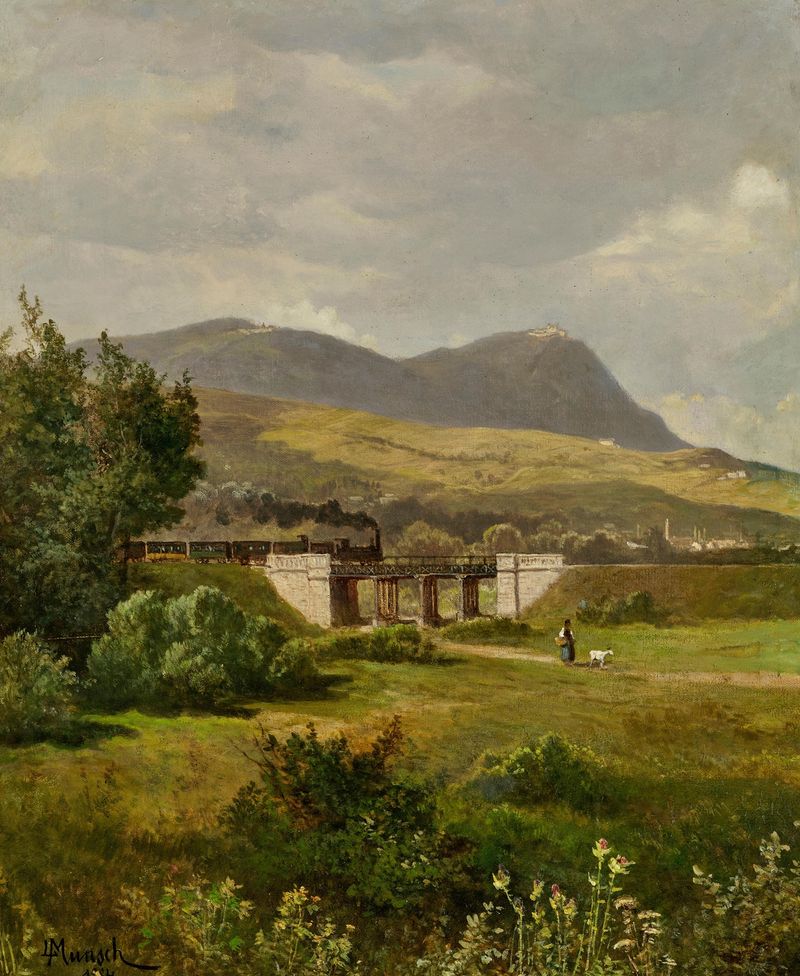
A Steam Train, with Leopoldsberg and Kahlenberg in the Background
Leopold Munsch
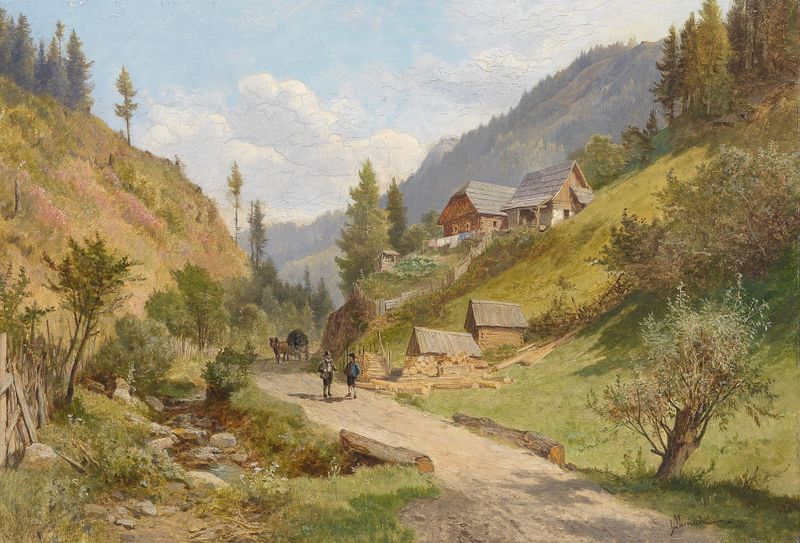
Landschaft in Niederösterreich
Leopold Munsch
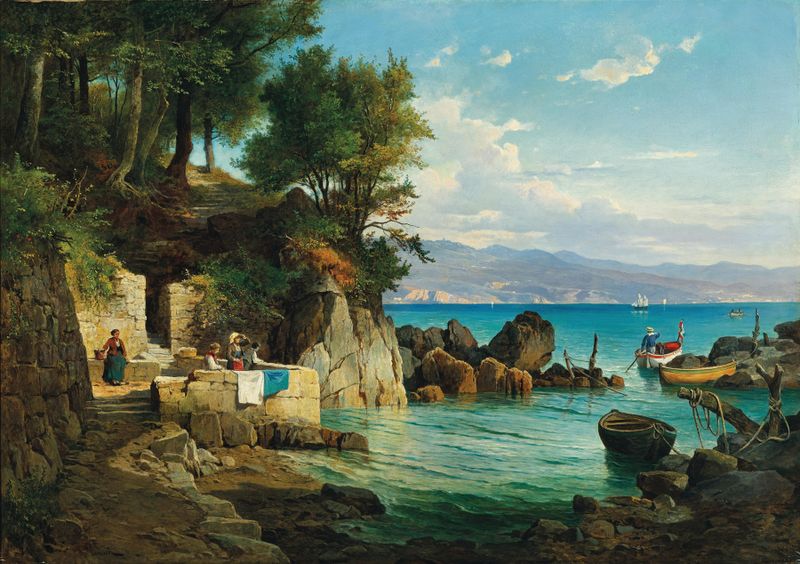
Bucht in Abbazia
Leopold Munsch





