
Gämsen im Hochgebirge — History & Facts
Is this a mirror — or a memory? The landscape stretches before us, a realm of untouched beauty that evokes both nostalgia and yearning. Look to the left at the towering mountains, their craggy peaks cloaked in a soft blanket of snow, where the cool blues and whites blend seamlessly. Notice how the verdant patches of green amidst the rocky terrain draw your gaze, hinting at life thriving against the harshness of nature. The delicate brushstrokes capture the fluttering movement of the Gämsen, agile and watchful, as they graze upon the sparse vegetation, embodying the resilience of existence in this rugged environment. As your eyes wander, consider the interaction between light and shadow: the fading sun casts long shadows that stretch across the canvas, symbolizing the passage of time and the inevitable change inherent in nature.
Each creature's posture conveys an intimate connection with their surroundings, while the stark contrast between the serene beauty of the landscape and the fleeting nature of life ignites a profound sense of longing. This tension reflects not just a moment but an entire essence — a yearning for a world that feels simultaneously distant and immediate. In 1888, Munsch painted this evocative scene during a time of burgeoning exploration in the Swiss Alps. While he painted, many artists were turning towards realism and the natural world, capturing the essence of their environments with newly embraced techniques.
Munsch, inspired by both romantic landscapes and the fauna they housed, infused Gämsen im Hochgebirge with a sense of poetic reverie, striking a balance between the wild and the deeply personal.
More Artworks by Leopold Munsch
Browse all →
View from the Kahlenberg to the Leopoldsberg
Leopold Munsch
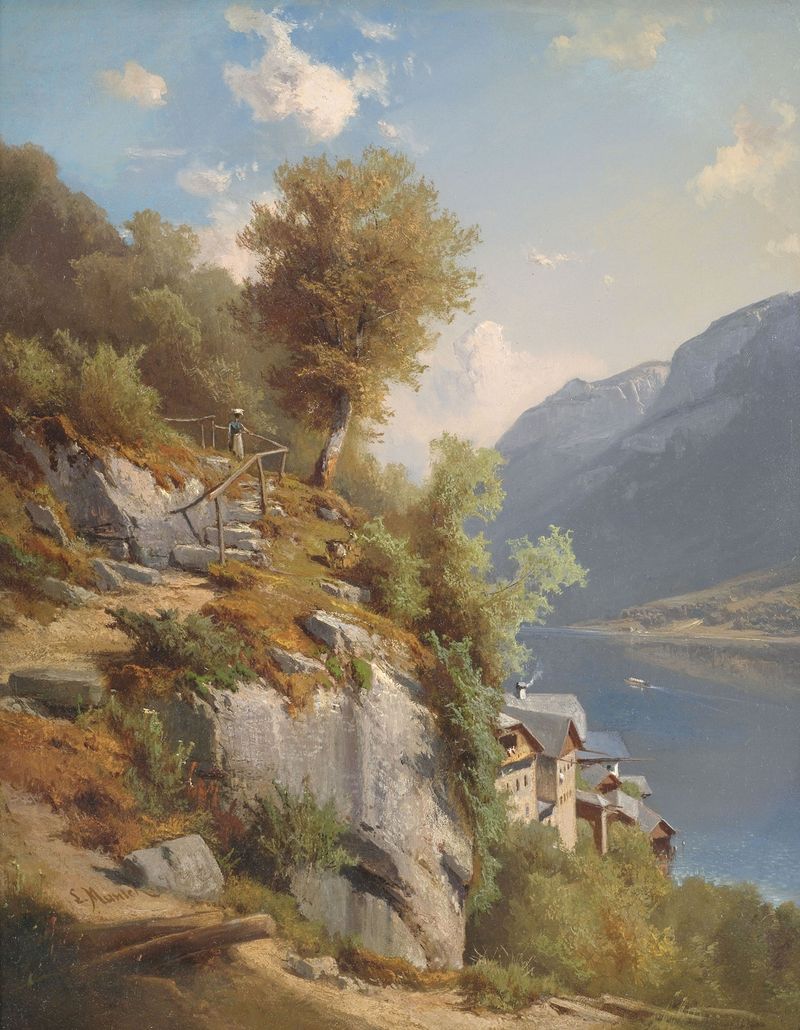
Sommerliche Landschaft mit Blick auf den Hallstätter See
Leopold Munsch
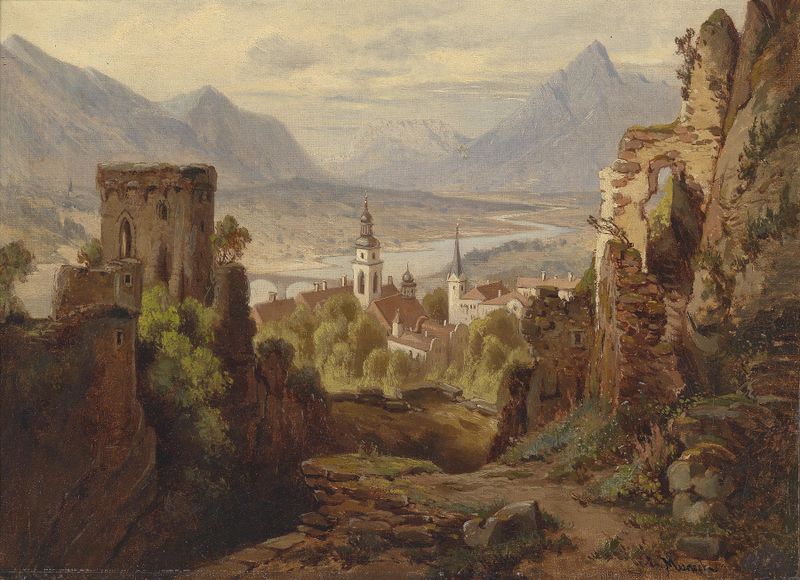
Blick auf Rattenberg am Inn
Leopold Munsch

Burg Taufers
Leopold Munsch
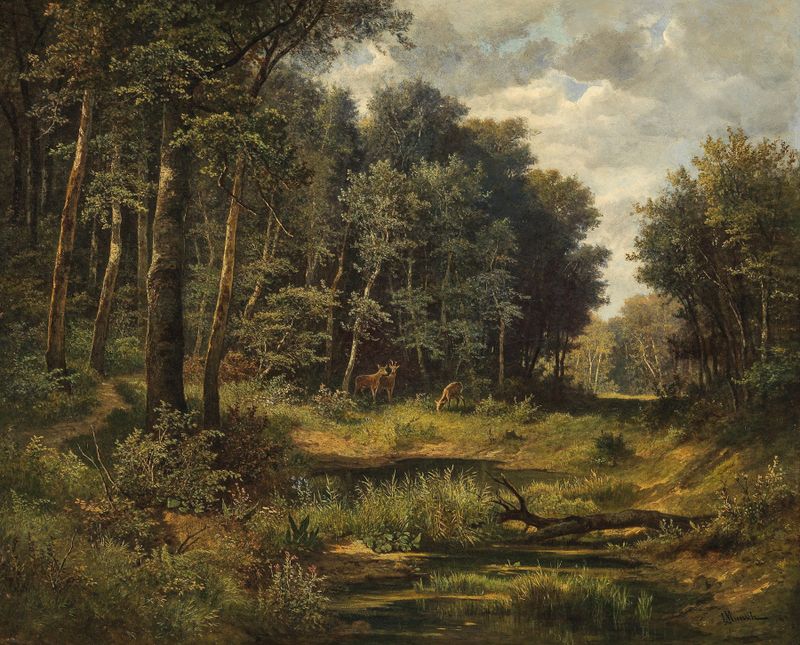
Roe Deer at the Forest Pond
Leopold Munsch

Alte Häuser in Hallstadt
Leopold Munsch
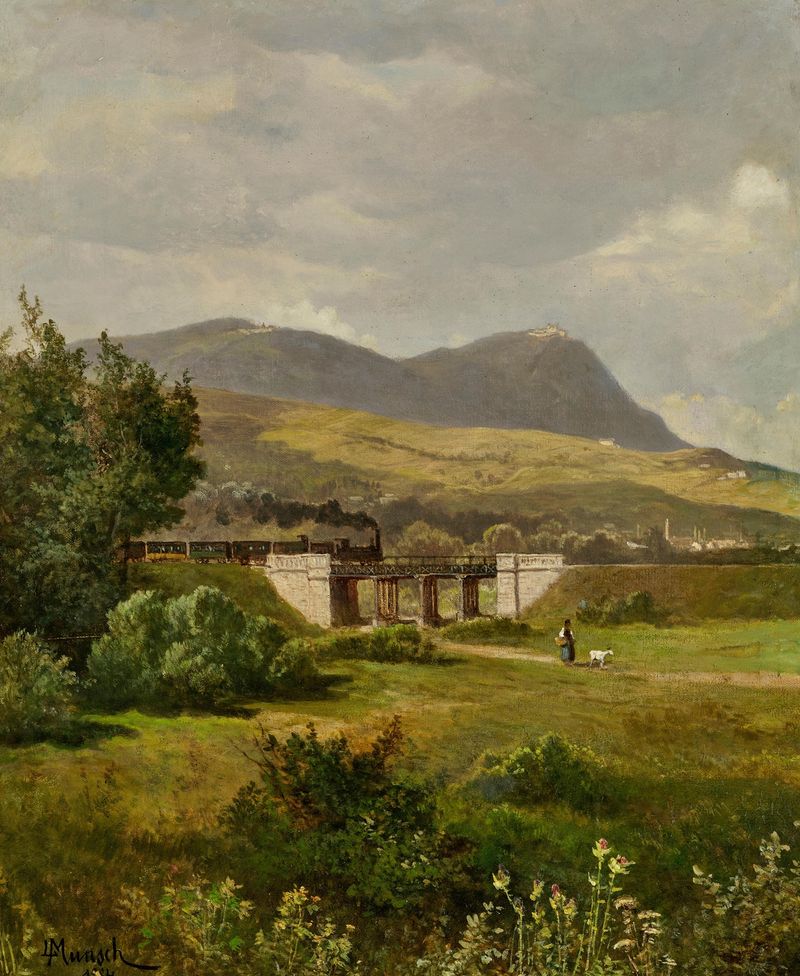
A Steam Train, with Leopoldsberg and Kahlenberg in the Background
Leopold Munsch
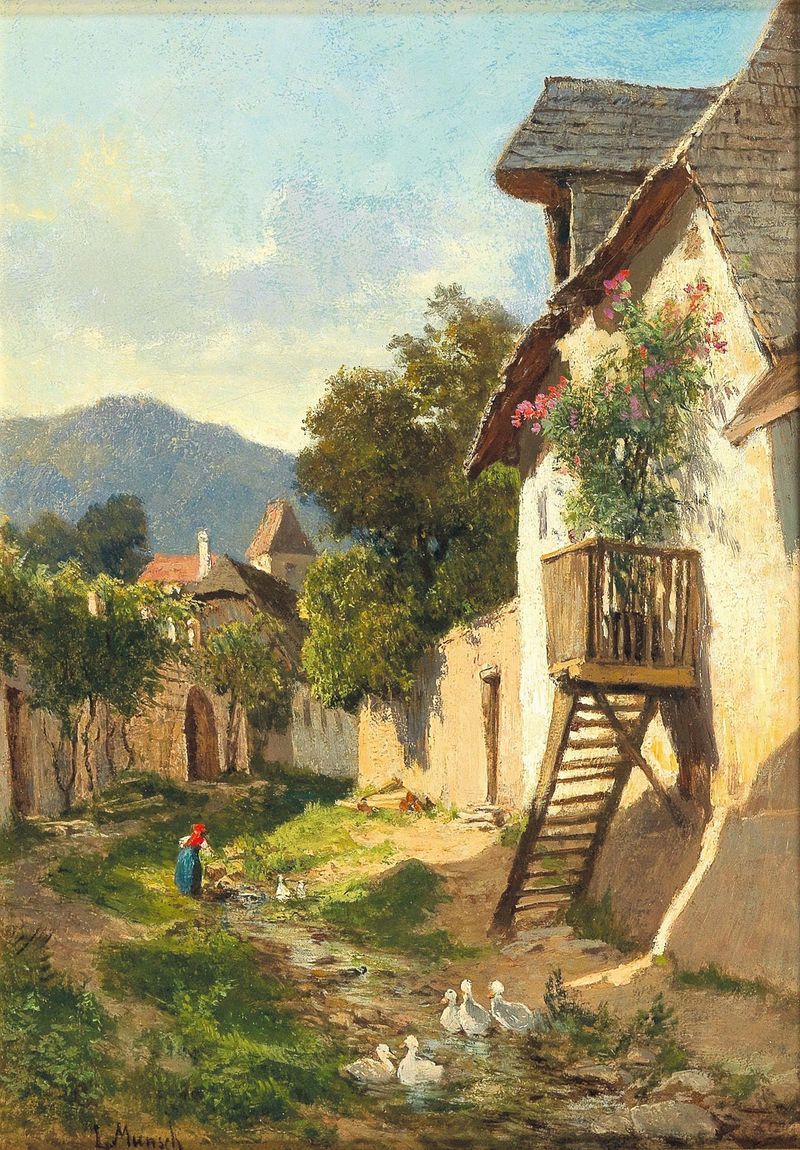
Scene of the Wachau
Leopold Munsch
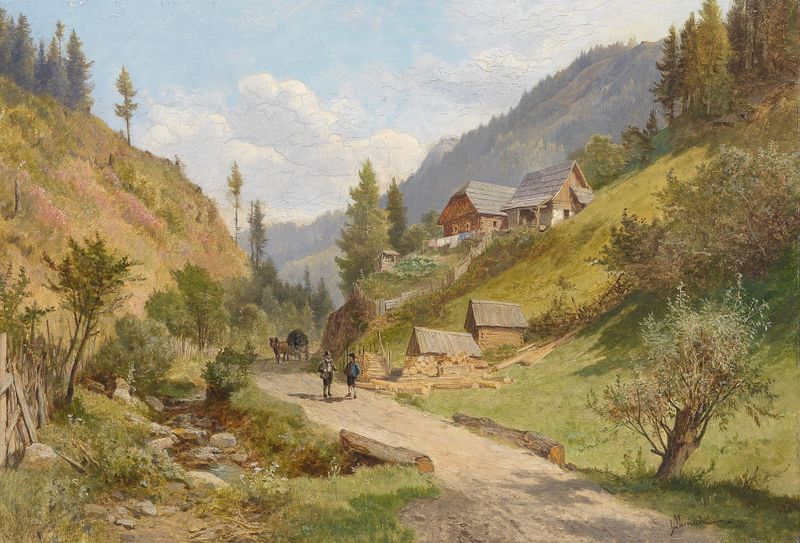
Landschaft in Niederösterreich
Leopold Munsch
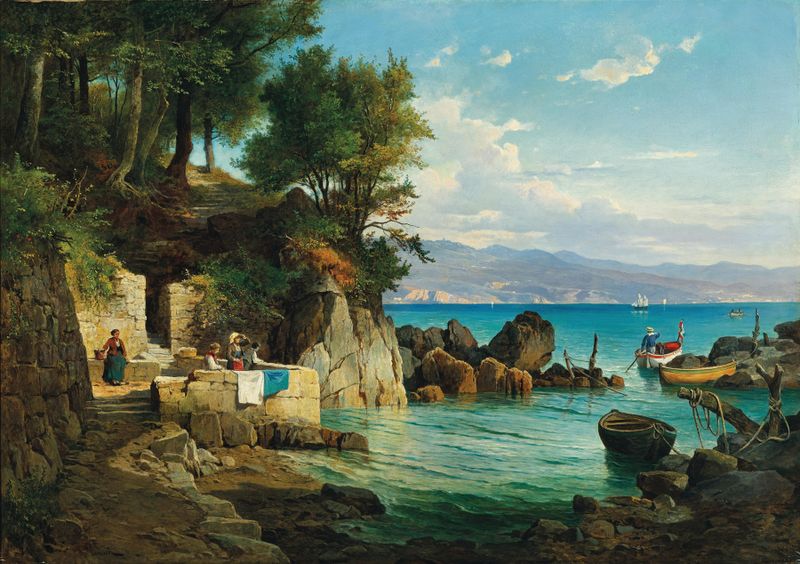
Bucht in Abbazia
Leopold Munsch





