
Burial Ground in the South Seas — History & Facts
In the quietude of the buried past, nostalgia seeps into the very soil, doing the work of memory. Focus first on the foreground, where the lush greenery envelops the resting place, inviting contemplation. The delicate brushstrokes create a sense of movement in the foliage, while the contrasting earthy tones ground the viewer in the solemnity of the scene. The light filters through the clouds, bathing the burial ground in a somber glow, echoing the weight of history and the passage of time. Yet beyond the visual beauty lies a deeper narrative, one that speaks to the connection between life and death.
The vibrant flora juxtaposed against the graves suggests an ongoing cycle — nature’s resilience alongside human fragility. Each element tells a story of those who have come before, and the silence surrounding them is heavy with the unspoken memories they leave behind. The sentiment is bittersweet, tinged with loss yet reverent, capturing both the transience of existence and the endurance of memory. John Webber created this piece during his travels in the late 18th century, a time marked by exploration and the clash of cultures.
While serving as the official artist on James Cook's voyages, he recorded the landscapes and peoples he encountered. The world was awakening to new ideas about art and identity, yet the echoes of colonialism and nostalgia would haunt both the artist and the subjects he depicted, laying bare the complexities of human experience.
More Artworks by John Webber
Browse all →
Ship Cove, Queen Charlotte Sound
John Webber
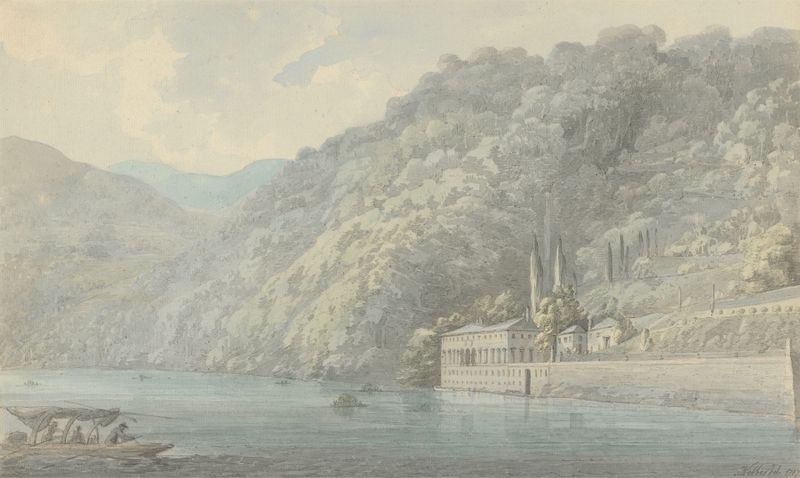
Pliny’s Villa, belonging to the Marquis Canarizi near Como
John Webber

View of Cracatoa, China Seas
John Webber

View of Santa Cruz, Tenerife
John Webber

Mawddach Falls near Dolgelly
John Webber
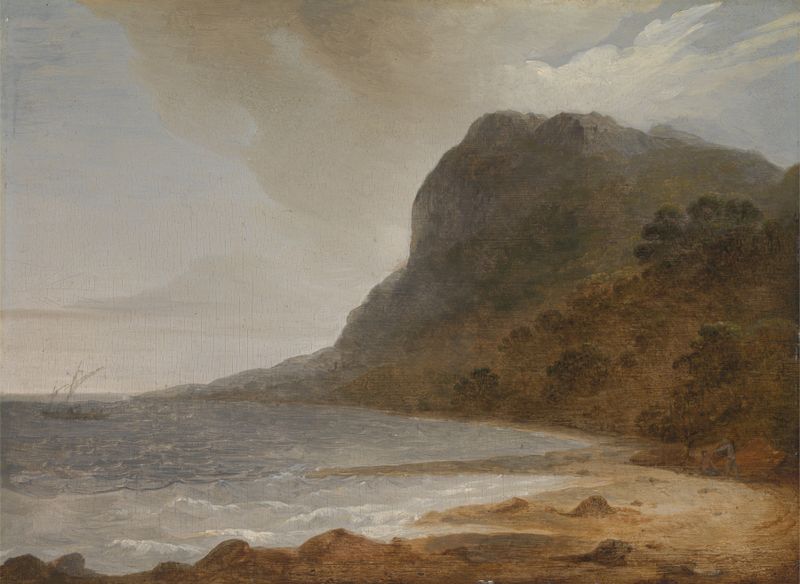
The Harbour of Pulo Condere
John Webber
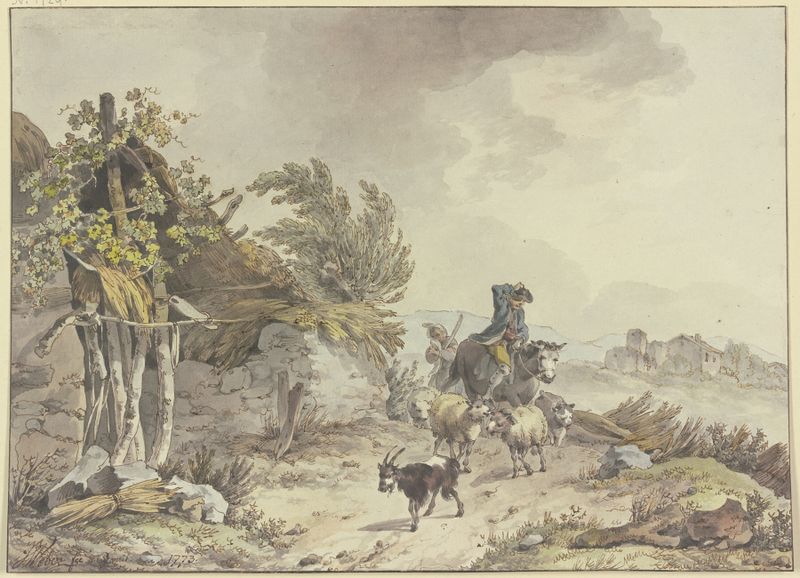
On the path next to a dilapidated hut with a thatched roof, a shepherd on horseback and a farmer’s wife with sheep and goats
John Webber
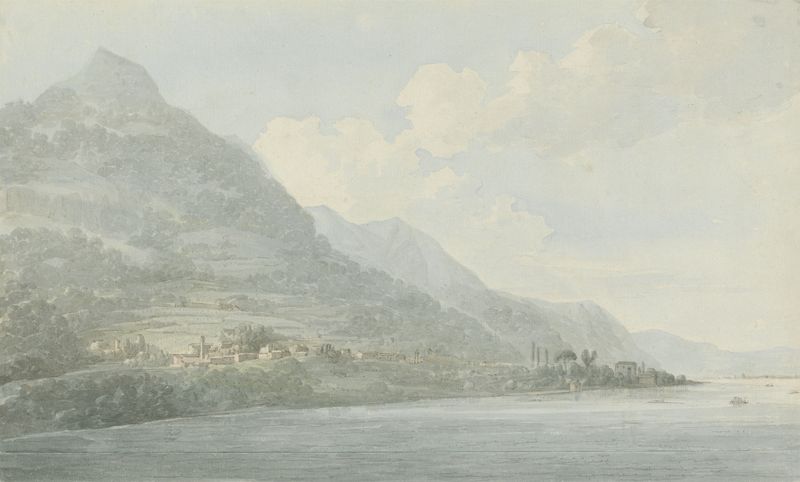
View on the Lake, Como
John Webber
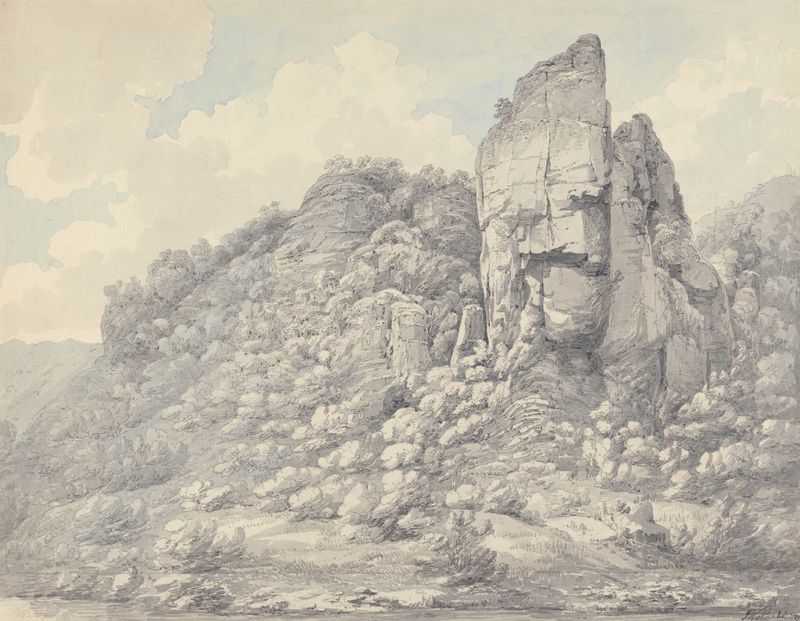
Rocks in Derbyshire
John Webber
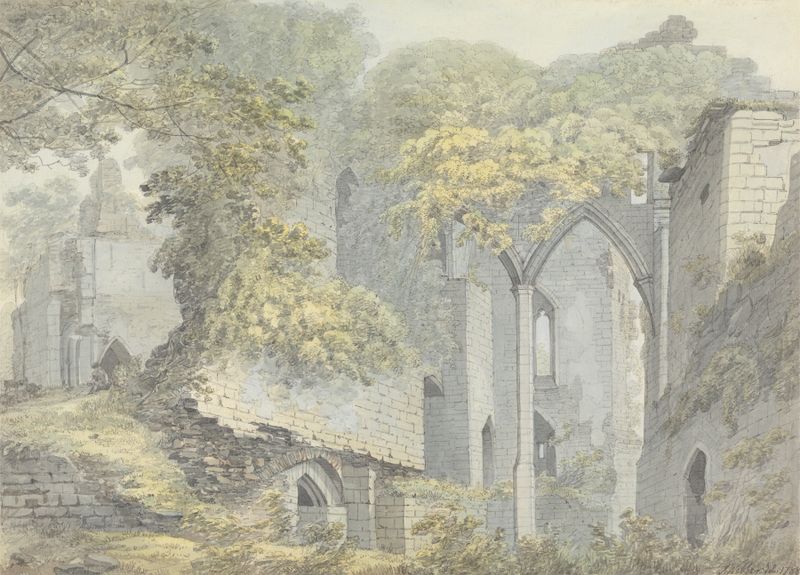
Goodrich Castle on the Wye, Hertfordshire
John Webber





