
Ship Cove, Queen Charlotte Sound — History & Facts
In the stillness of a natural landscape, ecstasy whispers through the vibrant hues of the earth and sea, inviting exploration beyond the surface. Focus on the vivid interplay of greens and blues as they meld seamlessly at the edges of the horizon. The twilight sky, a delicate gradient of peach and lavender, casts a warm glow over the tranquil cove. Look closely at the delicate brushstrokes that define the waves, their gentle movement contrasted by the solid presence of the cliffs rising majestically from the water’s edge.
This balance of fluidity and permanence speaks to the deeper connection between humanity and nature. Beneath the surface of this serene vista lies a tension between isolation and connection. The subtle details, like the small boats bobbing in the water, evoke a sense of longing for adventure, while the looming cliffs remind us of nature’s vastness, perhaps suggesting the duality of seeking freedom within constraints. The rich palette amplifies these emotions, hinting at both the beauty and the perils of the natural world, inviting viewers to reflect on their place within it. During the late 18th century, John Webber created this piece amidst the excitement of European exploration.
Traveling with Captain James Cook, he documented the landscapes encountered on their voyages, providing a unique perspective on uncharted territories. As he painted Ship Cove, Queen Charlotte Sound, the art world was captivated by the Romantic movement, which celebrated the sublime aspects of nature, making this work a notable expression of that era's values and aspirations.
More Artworks by John Webber
Browse all →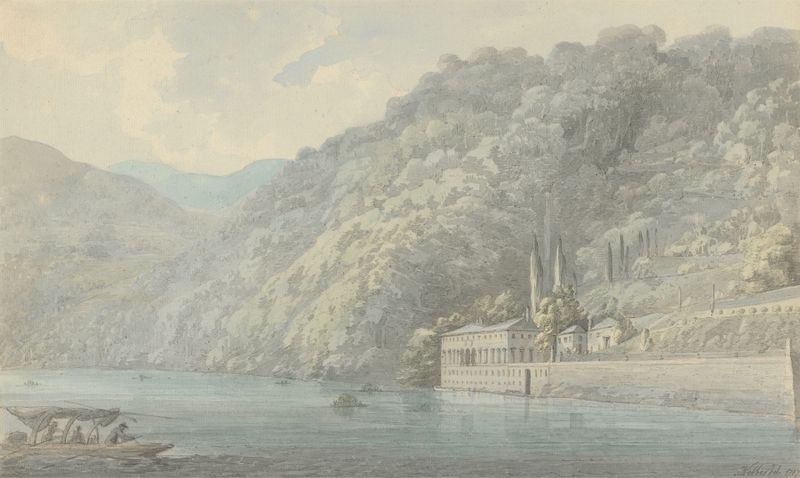
Pliny’s Villa, belonging to the Marquis Canarizi near Como
John Webber

View of Cracatoa, China Seas
John Webber

View of Santa Cruz, Tenerife
John Webber

Mawddach Falls near Dolgelly
John Webber
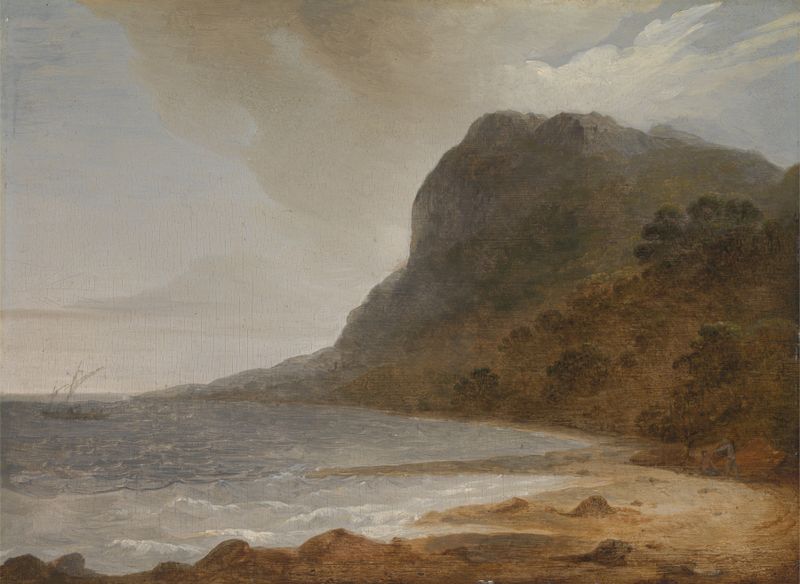
The Harbour of Pulo Condere
John Webber
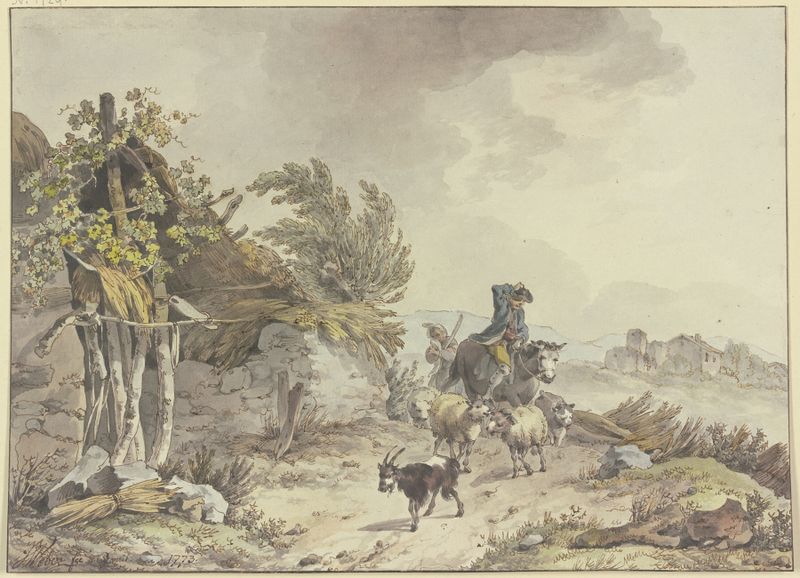
On the path next to a dilapidated hut with a thatched roof, a shepherd on horseback and a farmer’s wife with sheep and goats
John Webber
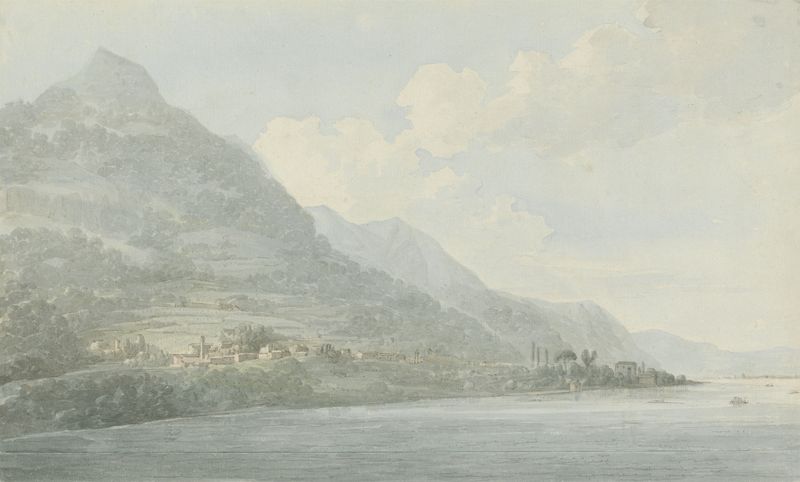
View on the Lake, Como
John Webber
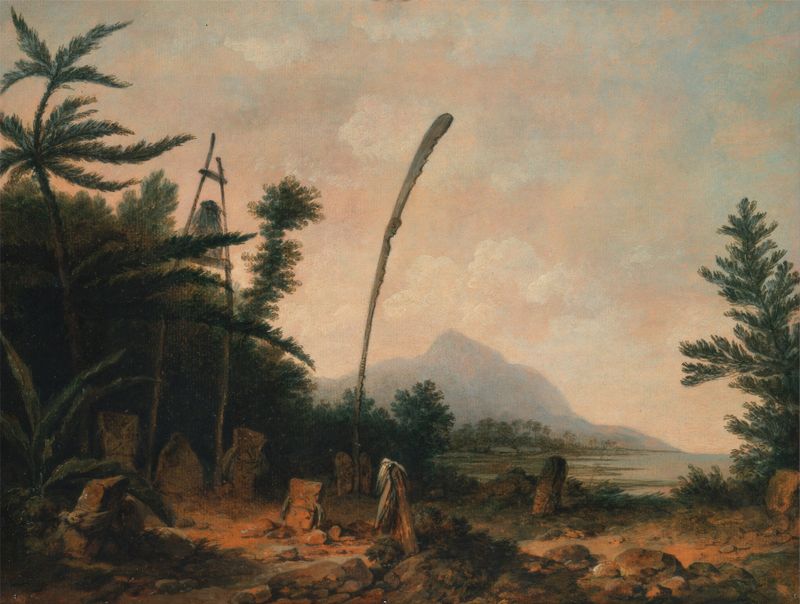
Burial Ground in the South Seas
John Webber
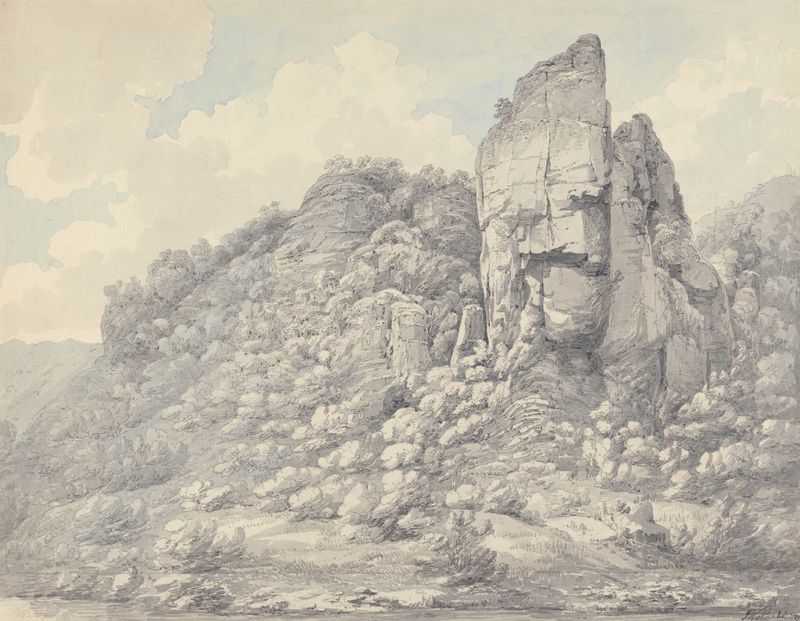
Rocks in Derbyshire
John Webber
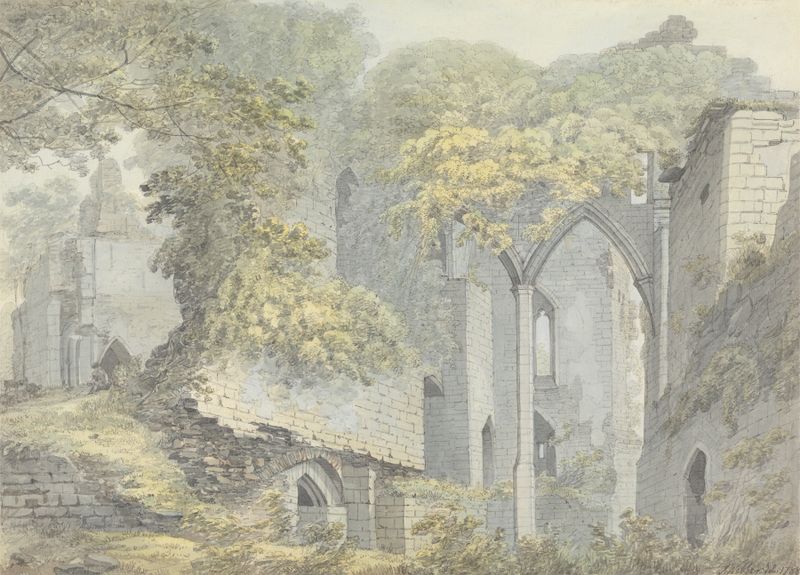
Goodrich Castle on the Wye, Hertfordshire
John Webber





