
View of Santa Cruz, Tenerife — History & Facts
Could beauty survive in a century of chaos? In an age marked by upheaval, it is in such landscapes that we often seek solace, a connection to something eternal amidst the transient. Focus first on the horizon, where the soft, cerulean sea kisses the powdery sands of Tenerife. Notice how the artist captures the interplay of light and shadow, lending depth to the rolling hills and distant mountains. The vibrant greens and sunlit yellows pulse with life, contrasting against the calm azure above, inviting viewers to lose themselves in this moment, far removed from the tumult of daily existence. Yet, beneath this serene aesthetic lies an undercurrent of obsession—an unyielding pursuit of beauty that resonates with the intricate details.
The lush foliage seems to whisper secrets of the island, while the distant ships evoke exploration and longing. The uninhabited shores suggest both paradise and isolation, mingling delight with a sense of yearning; a fragile balance precariously held, much like the era in which it was conceived. In an unrecorded moment of the late 18th century, John Webber painted this landscape during a time of dramatic exploration and change. As an artist accompanying Captain Cook’s voyages, he found himself at the crossroads of discovery and colonial expansion.
Each brushstroke reveals not just a place, but a reflection of his experiences and the tumultuous world around him, where beauty was often overshadowed by the realities of ambition and conflict.
More Artworks by John Webber
Browse all →
Ship Cove, Queen Charlotte Sound
John Webber
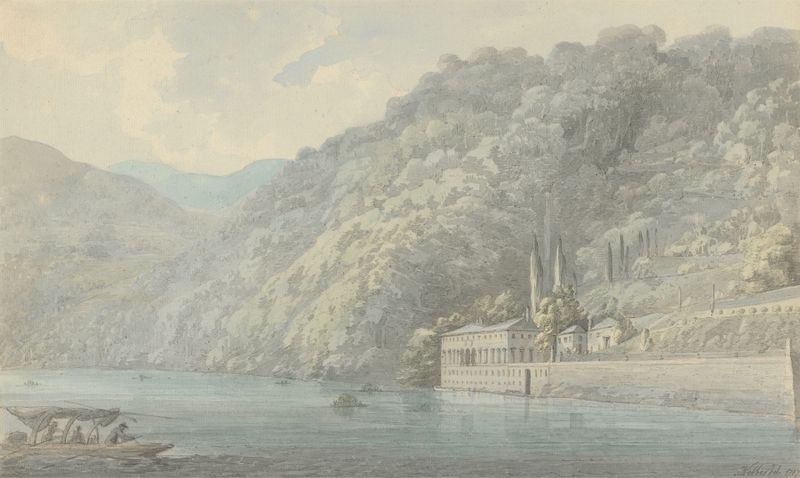
Pliny’s Villa, belonging to the Marquis Canarizi near Como
John Webber

View of Cracatoa, China Seas
John Webber

Mawddach Falls near Dolgelly
John Webber
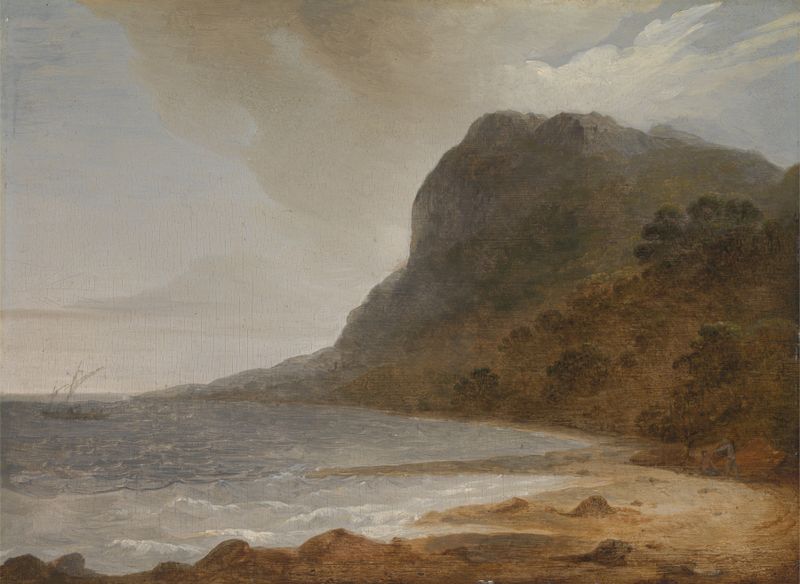
The Harbour of Pulo Condere
John Webber
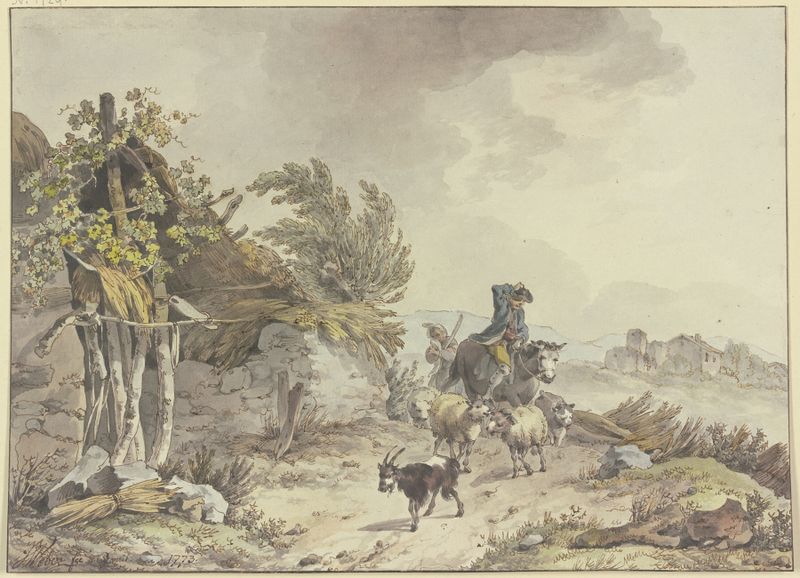
On the path next to a dilapidated hut with a thatched roof, a shepherd on horseback and a farmer’s wife with sheep and goats
John Webber
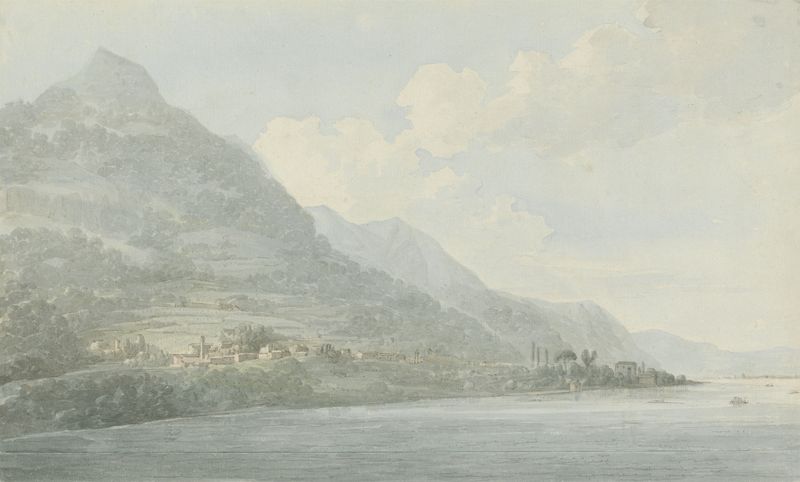
View on the Lake, Como
John Webber
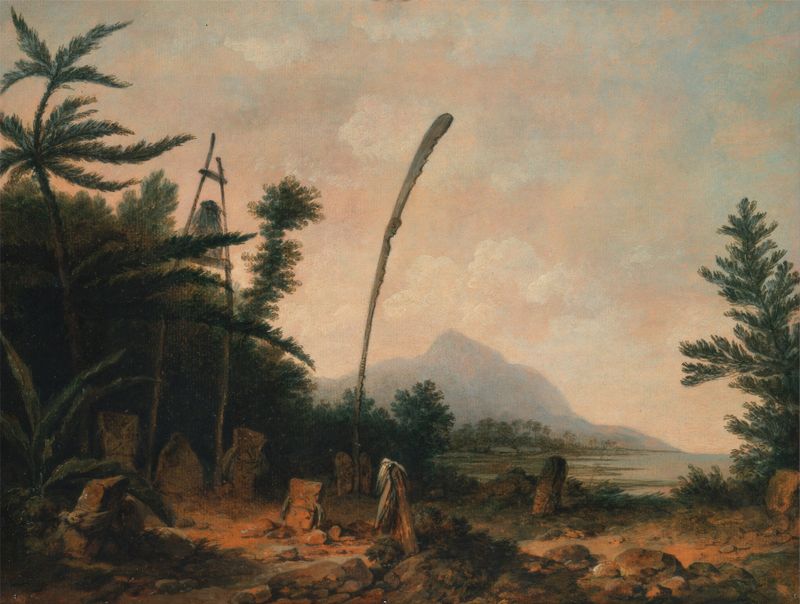
Burial Ground in the South Seas
John Webber
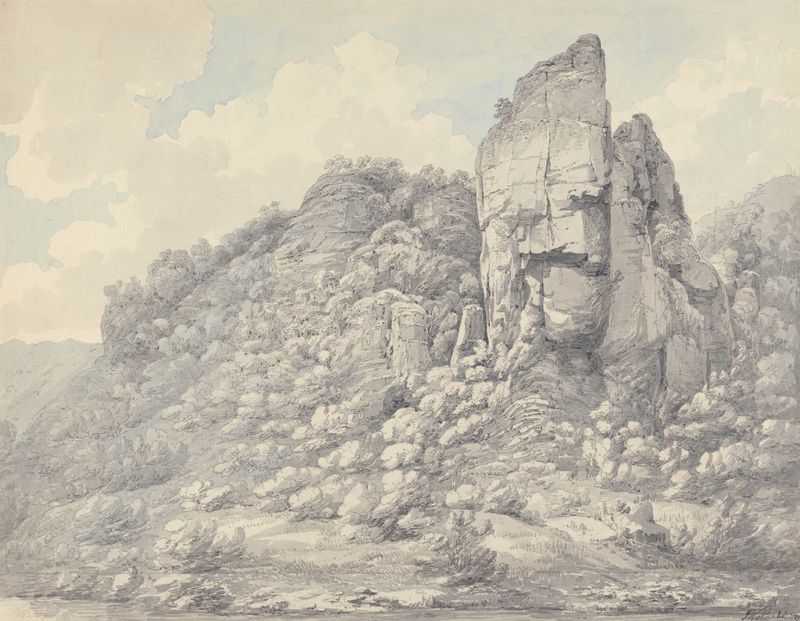
Rocks in Derbyshire
John Webber
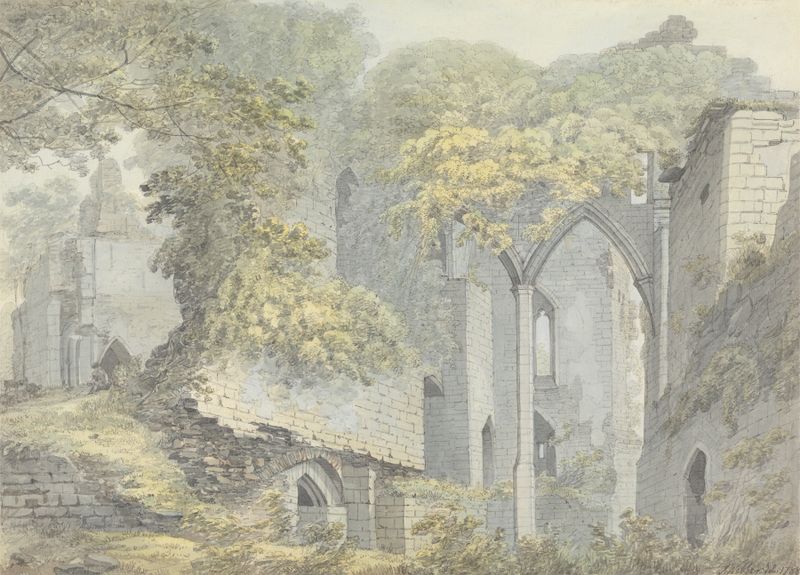
Goodrich Castle on the Wye, Hertfordshire
John Webber





