
Rocks in Derbyshire — History & Facts
In its stillness, it holds the weight of untold stories, echoing the violence of nature and time. The rugged landscape speaks of conflict, not just between man and the earth, but within the very essence of existence itself. Focus on the jagged formations that pierce the horizon; they draw the eye like sentinels watching over a turbulent past. Notice how the interplay of light and shadow defines the stones, highlighting their rough edges while simultaneously softening their harshness through muted hues of gray and green.
The composition creates a tension between the serene sky above and the tumultuous ground below, a visual reminder of the raw power inherent in the natural world. In the foreground, subtle details may be overlooked — the weathered textures of the stones suggest a history steeped in struggle, while the distant cliffs hint at looming challenges yet to be faced. This duality encapsulates the artist's insight into the violence that shapes landscapes, not just in the physical sense but in its emotional resonance. Each stroke conveys a sense of permanence and fragility, reflecting the enduring scars left by time. Created in 1789 during his travels in England, the artist captured the essence of the British landscape at a time when Romanticism was gaining momentum in the art world.
It was an era marked by a fascination with nature's sublime power, and Webber, influenced by both personal experiences and the broader artistic movements, found himself translating those tumultuous energies onto canvas, showcasing the profound relationship between humanity and the environment.
More Artworks by John Webber
Browse all →
Ship Cove, Queen Charlotte Sound
John Webber
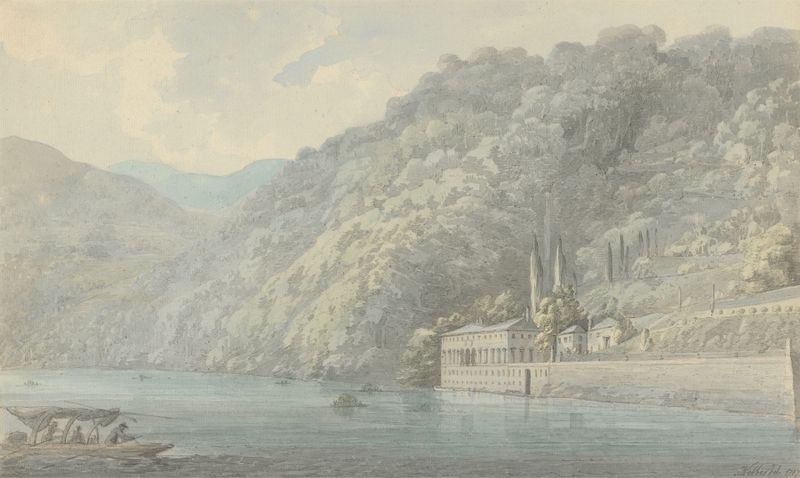
Pliny’s Villa, belonging to the Marquis Canarizi near Como
John Webber

View of Cracatoa, China Seas
John Webber

View of Santa Cruz, Tenerife
John Webber

Mawddach Falls near Dolgelly
John Webber
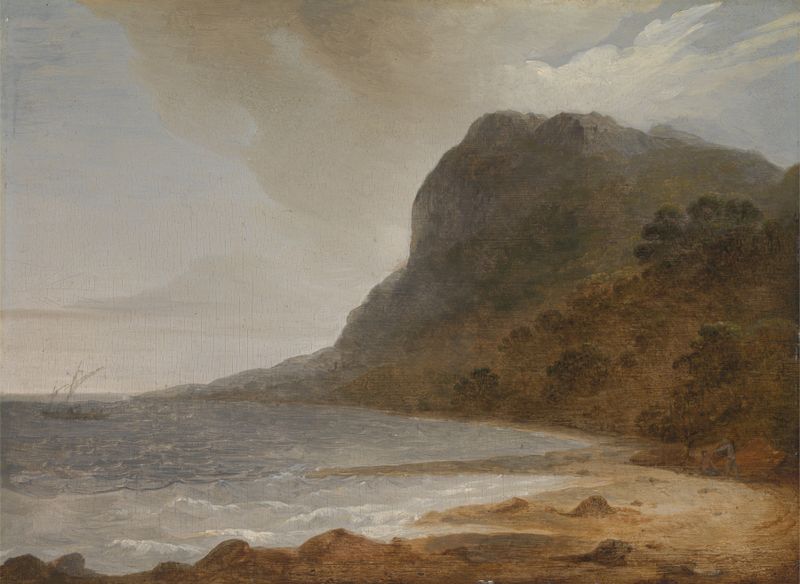
The Harbour of Pulo Condere
John Webber
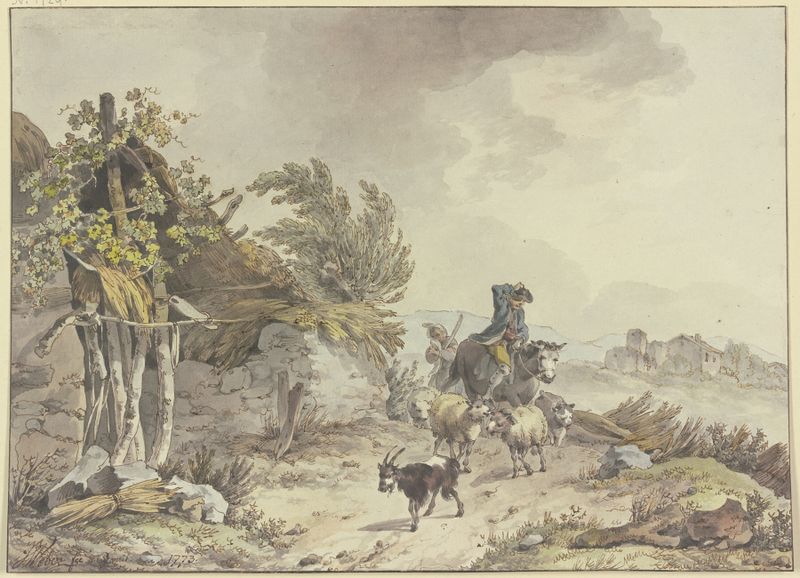
On the path next to a dilapidated hut with a thatched roof, a shepherd on horseback and a farmer’s wife with sheep and goats
John Webber
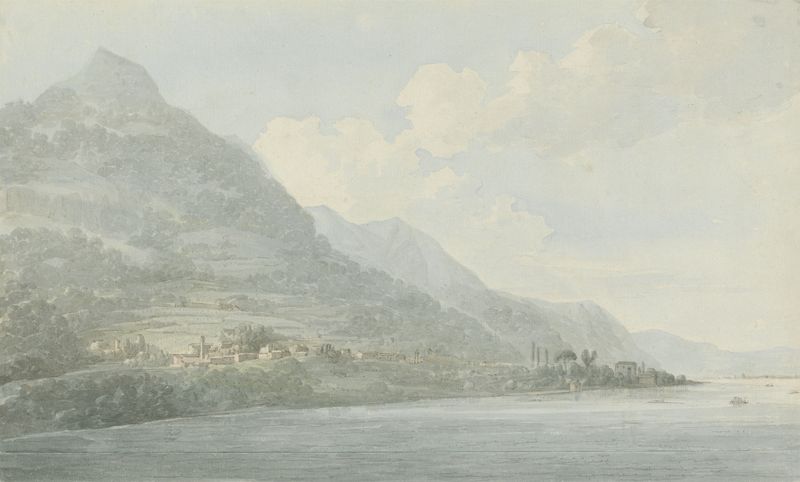
View on the Lake, Como
John Webber
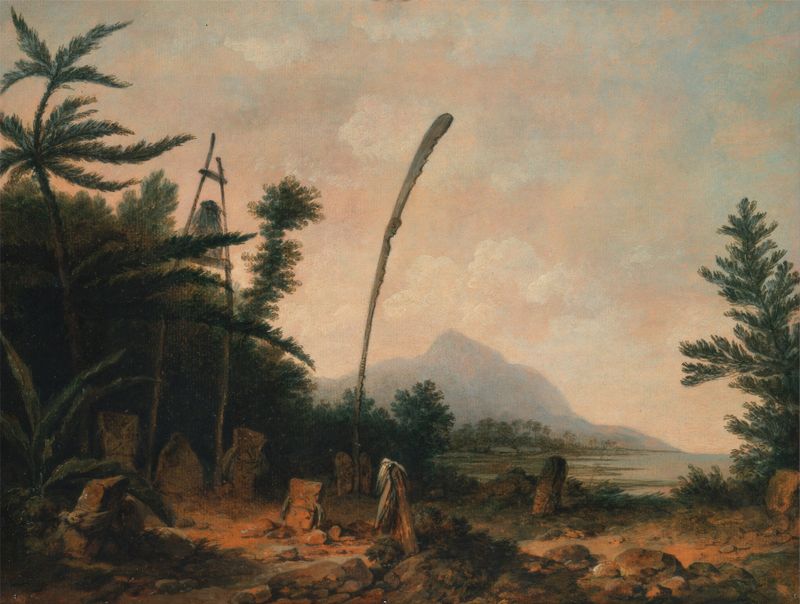
Burial Ground in the South Seas
John Webber
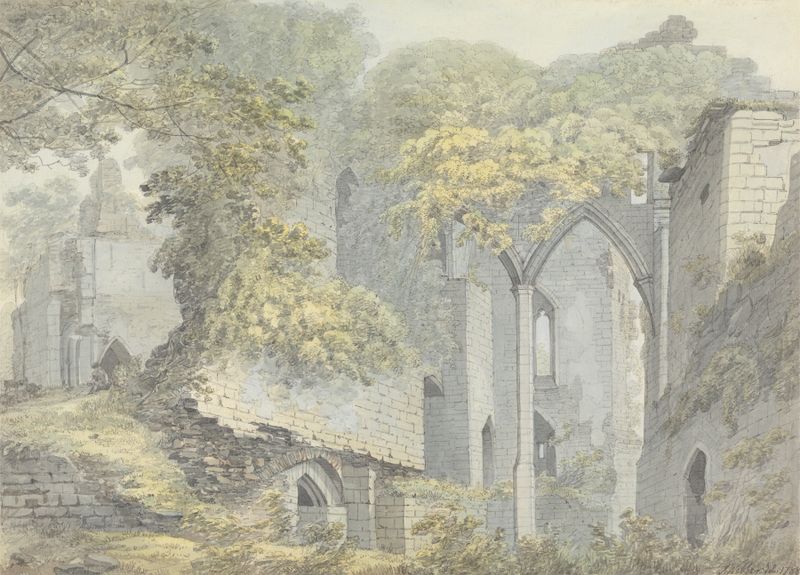
Goodrich Castle on the Wye, Hertfordshire
John Webber





