
Burning Steamer — History & Facts
It’s in the quiet moments of obsession that we often find our truest selves, consumed by what we cannot escape. Focus on the vivid flames of the burning steamer, flickering in vibrant oranges and yellows against the darker backdrop of shadowy water. The contrast is striking; the fire, wild and chaotic, draws the eye with an almost magnetic pull, while the surrounding scenery remains shrouded in somber tones. Notice how the light leaps and dances off the water's surface, creating a tumultuous interplay between reflection and reality, suggesting the eternal struggle between destruction and beauty. Delve into the subtle details, like the distressed faces of the figures on the shore, their expressions a mix of horror and fascination.
The juxtaposition of their calm stance against the chaotic flames speaks to a deeper narrative of voyeurism in the face of disaster, a contemplation of human curiosity in moments of crisis. The steam rising from the vessel adds an element of tension, as if the air itself is suffocating under the weight of despair. Here, obsession manifests not just in the flames but in the watchful eyes of those witnessing this drama unfold. In 1858, the artist found himself in Sweden, grappling with personal challenges and the burgeoning complexities of Romanticism in art.
During this time, he was influenced by the interplay of nature's ferocity and human emotion, capturing the fascination with destruction and chaos that both haunted and inspired society. The painting reflects not only his artistic journey but also the broader existential questions of life and loss that permeated the era.
More Artworks by Marcus Larson
Browse all →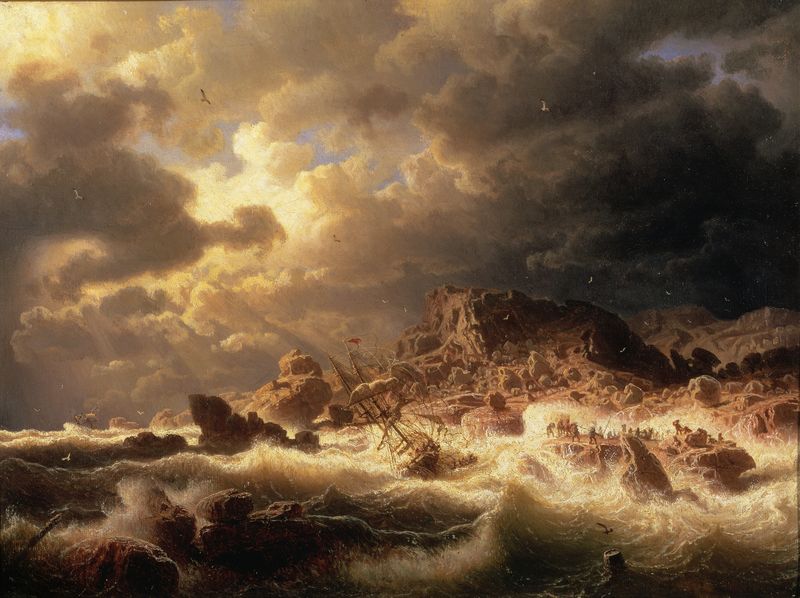
Gale on the Bohuslän Coast
Marcus Larson

Waterfall in Småland
Marcus Larson
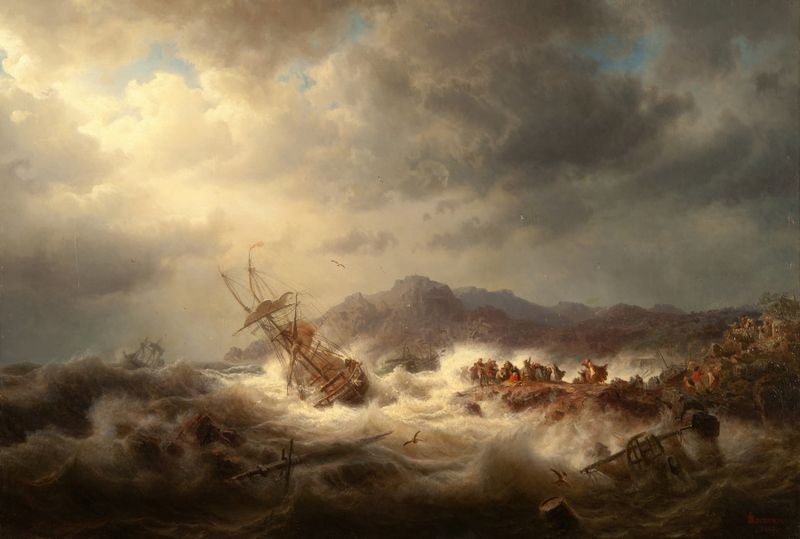
Shipwreck
Marcus Larson
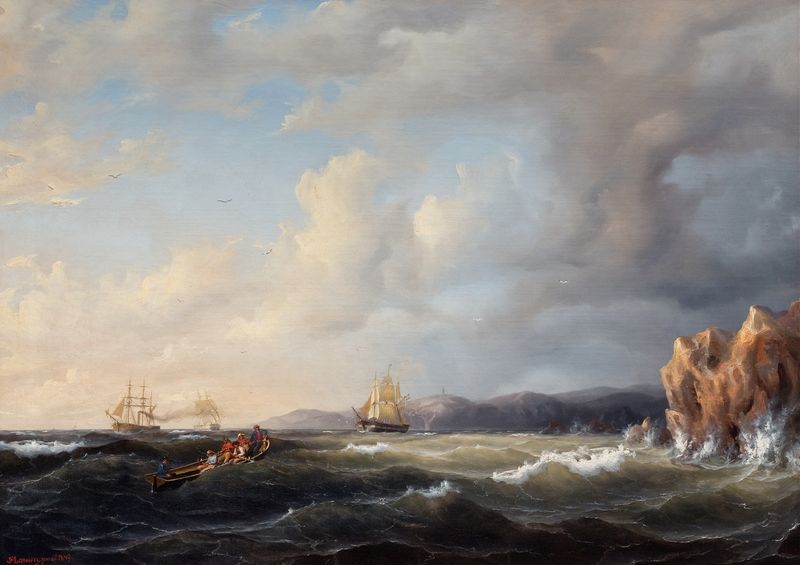
Bark Beating to Windward at Kullaberg
Marcus Larson
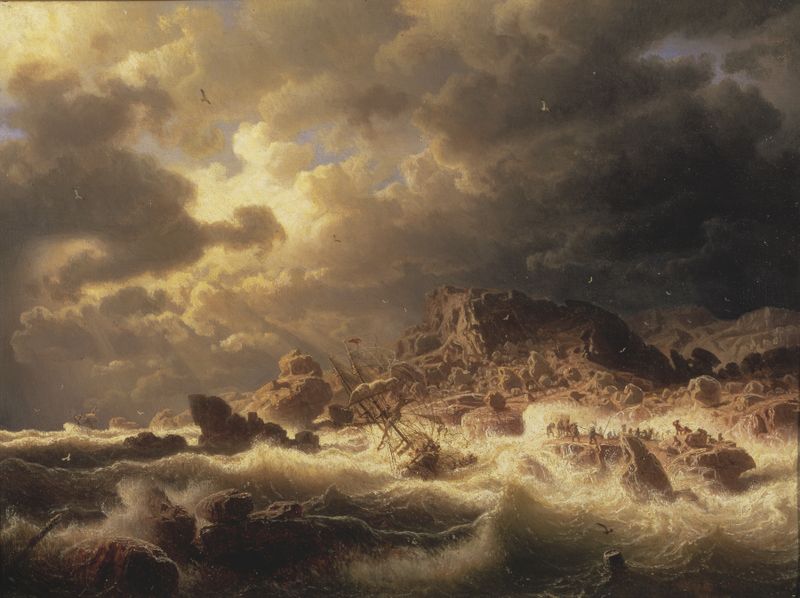
Gale on the Bohuslän Coast
Marcus Larson
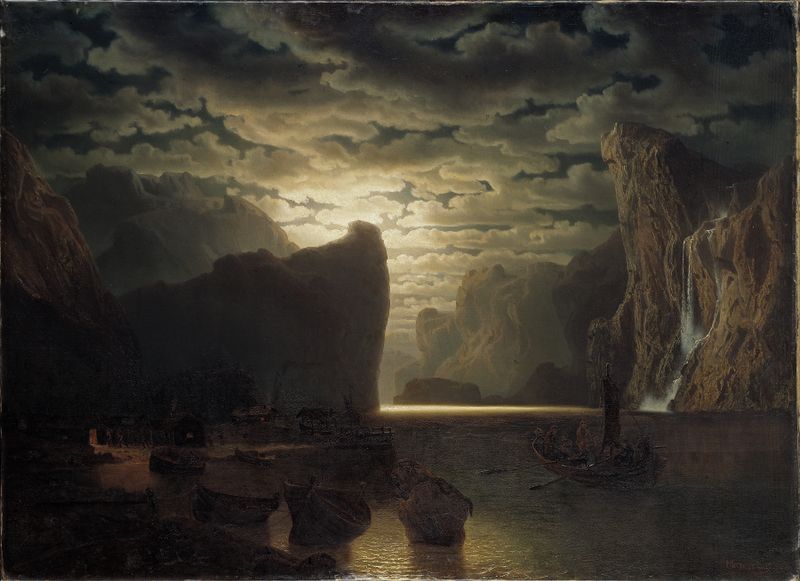
Norwegian Fjord in Moonlight. Motif from the Sogne-Fjord
Marcus Larson

Norwegian Fjord in Moonlight
Marcus Larson

Rocky Landscape with Waterfall
Marcus Larson
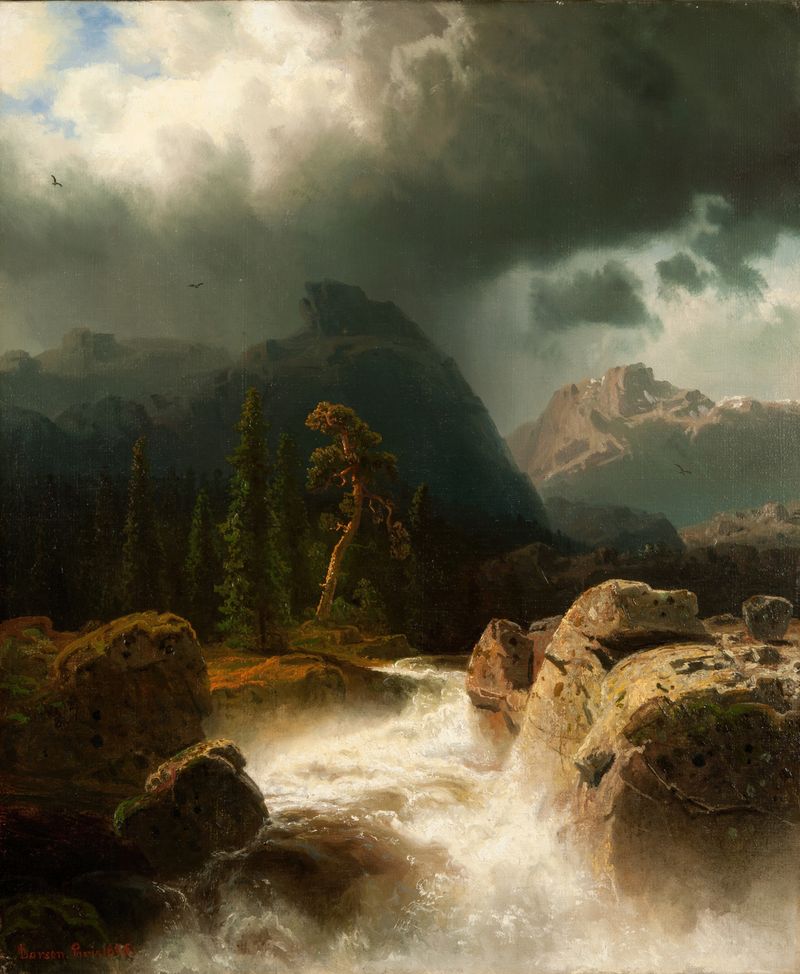
Waterfall
Marcus Larson

Burning Steamer
Marcus Larson





