
Bust of a Man — History & Facts
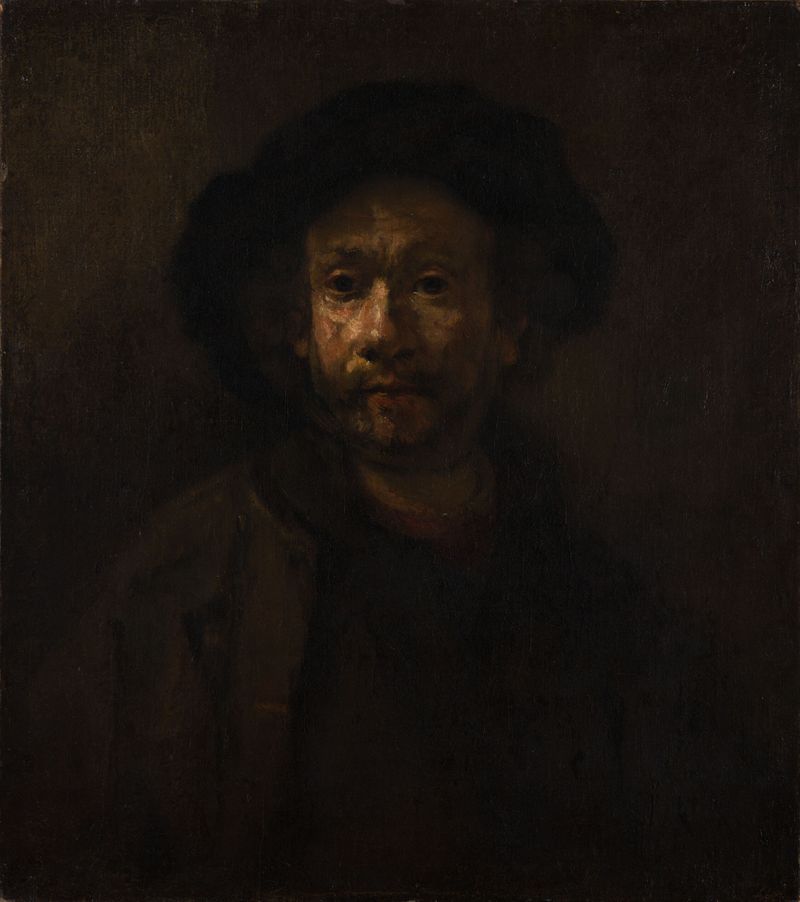
When did color learn to lie? Perhaps it was in that fleeting moment when the play of light danced across the contours of human features, revealing truths both profound and haunting. In Bust of a Man, the interplay of shadow and illumination evokes a deep nostalgia for the past while capturing the essence of the subject with unerring precision. Look to the left at the striking chiaroscuro that defines the figure's face, sculpted with a mastery that only a few artists could achieve. Observe how the soft, warm hues of the skin contrast sharply with the cool background, directing your gaze toward the melancholic expression that speaks volumes.
The delicate brushwork renders every nuance—the slight furrow of the brow and the subtle curve of the lips—imbuing the portrait with a lifelike presence. Within the folds of this masterful work lies an exploration of duality: the tension between light and dark, optimism and despair. The subject's averted gaze suggests introspection, perhaps an invitation to reflect on one's own journey through time. Each stroke carries echoes of the artist's longing, blurring the lines between the sitter’s identity and the universal truths of humanity. In 1629, Rembrandt was establishing his reputation in Amsterdam, a city burgeoning with trade and cultural exchange.
This period marked his transition from a young painter to a master, laying the groundwork for his explorations of human emotion and character. Capturing not just a likeness, but a moment of shared humanity, this piece emerged amidst a flourishing art scene, where portraits began to transcend mere representation, delving into the psychological depths of their subjects.
More Artworks by Rembrandt Harmensz. van Rijn
Browse all →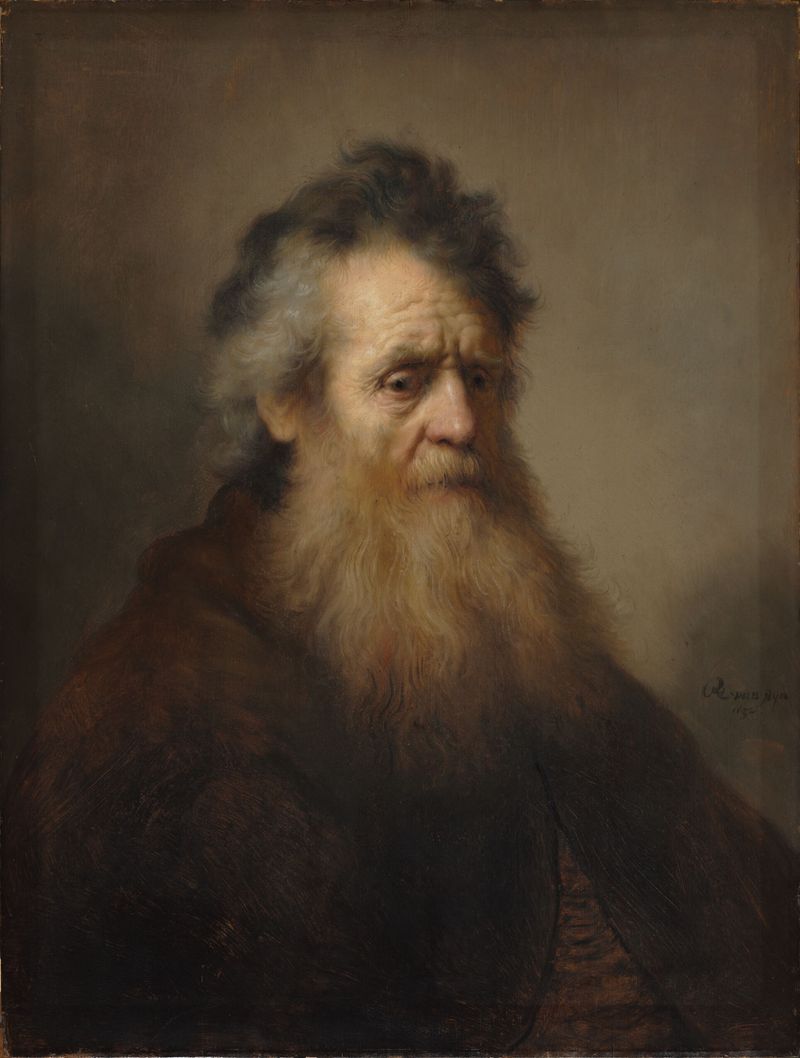
Portrait of an Old Man
Rembrandt Harmensz. van Rijn
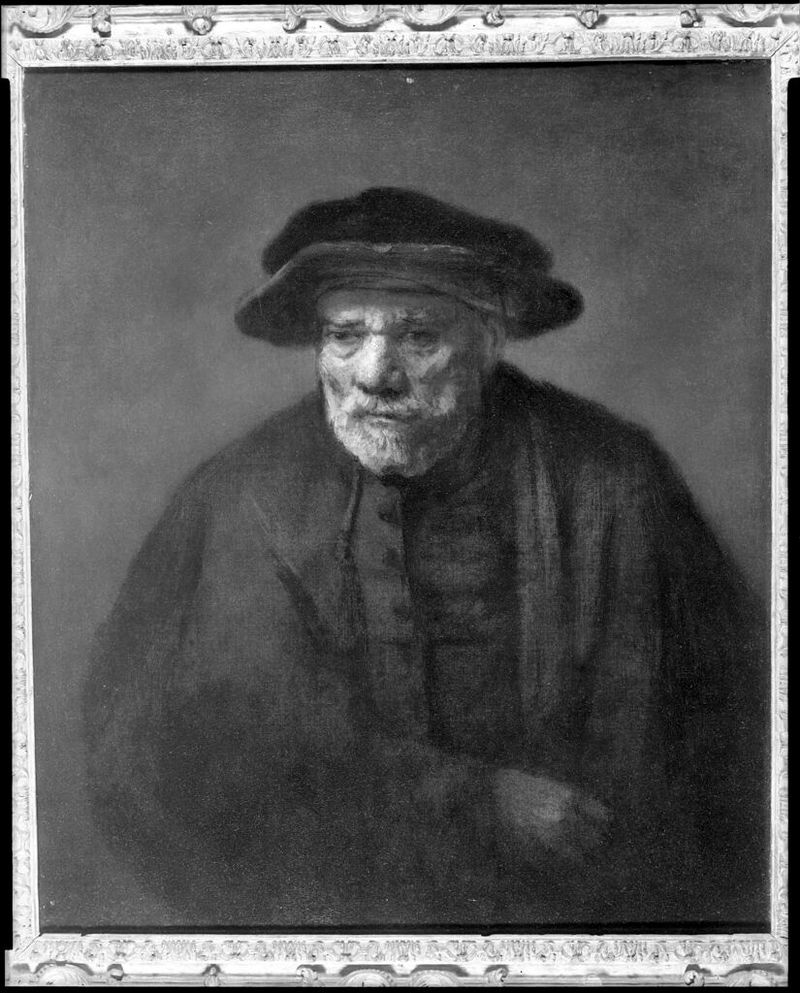
Portrait of an Old Man (Adriaen van Rijn, Rembrandt's brother)
Rembrandt Harmensz. van Rijn

Portrait of an Old Man
Rembrandt Harmensz. van Rijn
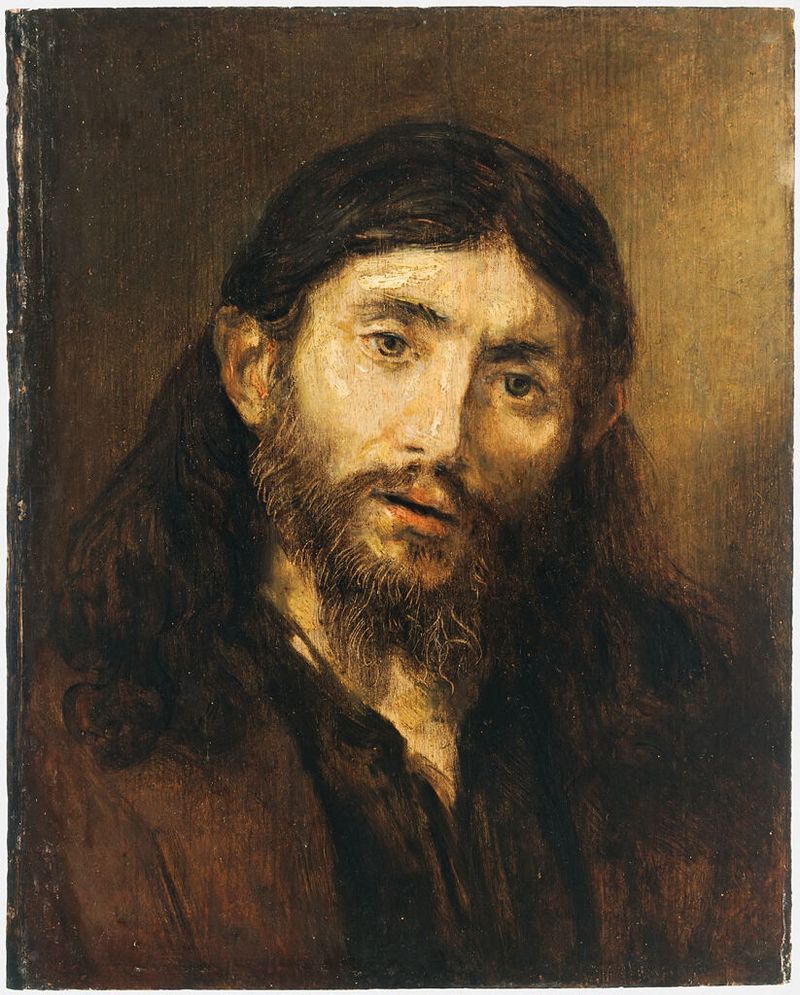
Head of Christ
Rembrandt Harmensz. van Rijn
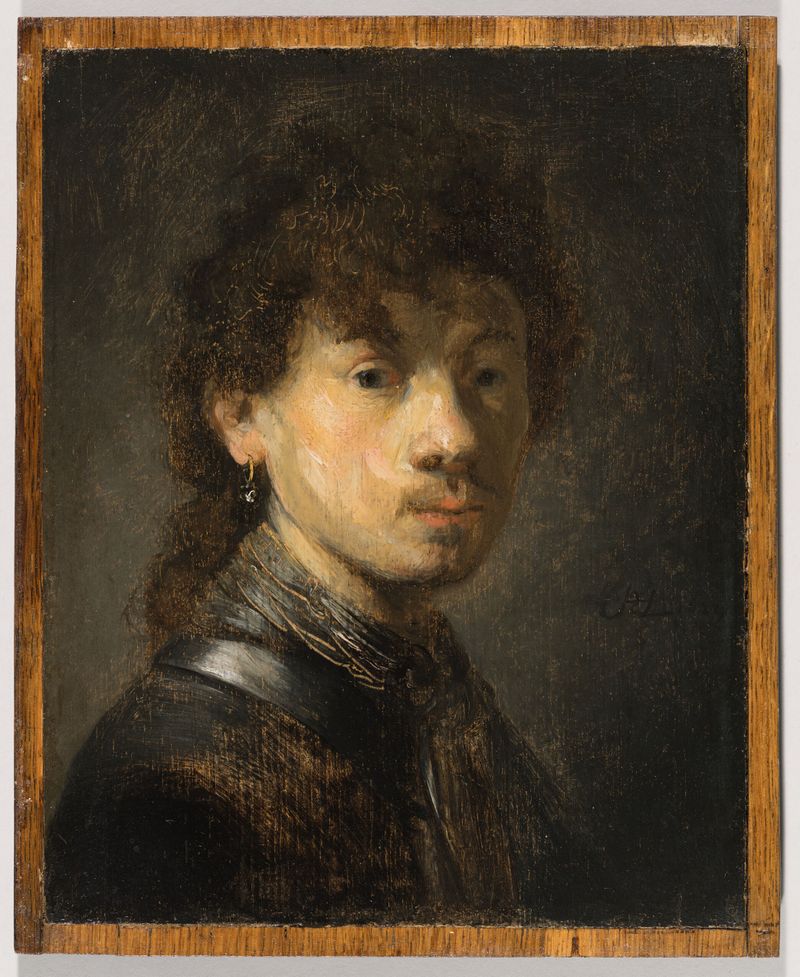
Bust of a Young Man
Rembrandt Harmensz. van Rijn
Rembrandt Harmensz van Rijn (1606-1669)
Rembrandt Harmensz. van Rijn
More Portrait Art
Browse all →
Las meninas
Diego Velázquez

Self-portrait with a Bandaged Ear and Pipe
Unidentified artist

Girl with a Pearl Earring
Johannes Vermeer

The Sampling Officials of the Amsterdam Drapers’ Guild, Known as ‘The Syndics’
Rembrandt van Rijn

The Hundred Guilder Print: the man seen on the back in the lower left corner
Rembrandt van Rijn

Portrait of Dr Gachet
Vincent van Gogh