
Rembrandt Harmensz van Rijn (1606-1669) — History & Facts
Where does light end, and longing begin? The interplay of illumination and shadow in art can often evoke a deep, silent yearning within us. Look closely at the soft glow emanating from the center of the canvas, a warm embrace that draws the eye. Notice how the masterful chiaroscuro defines each figure, creating a palpable tension between light and darkness. The rich, earthy tones of ochre and burnt umber establish a grounded atmosphere, while touches of white illuminate the delicate textures of skin and fabric, adding life to the otherwise muted scene. Within this play of light and shadow lies a profound emotional landscape.
The expressions on the subjects’ faces are laden with unspoken words, as if caught in a moment of introspection. The subtle gestures—a hand reaching out, a head slightly tilted—speak to the isolation and connection that weave through the human experience. Each gaze, both direct and averted, reveals an intricate dance of longing and reflection, whispering the silent stories of their lives. In the 17th century, the artist was navigating the tumultuous waters of fame and financial instability, creating works that would later redefine the uses of light in painting.
During this time, he was becoming increasingly recognized for his innovative techniques, embracing both the personal and the universal in his art. The world around him was one of profound change, yet he found solace and meaning in the intimate moments captured on his canvas.
More Artworks by Rembrandt Harmensz. van Rijn
Browse all →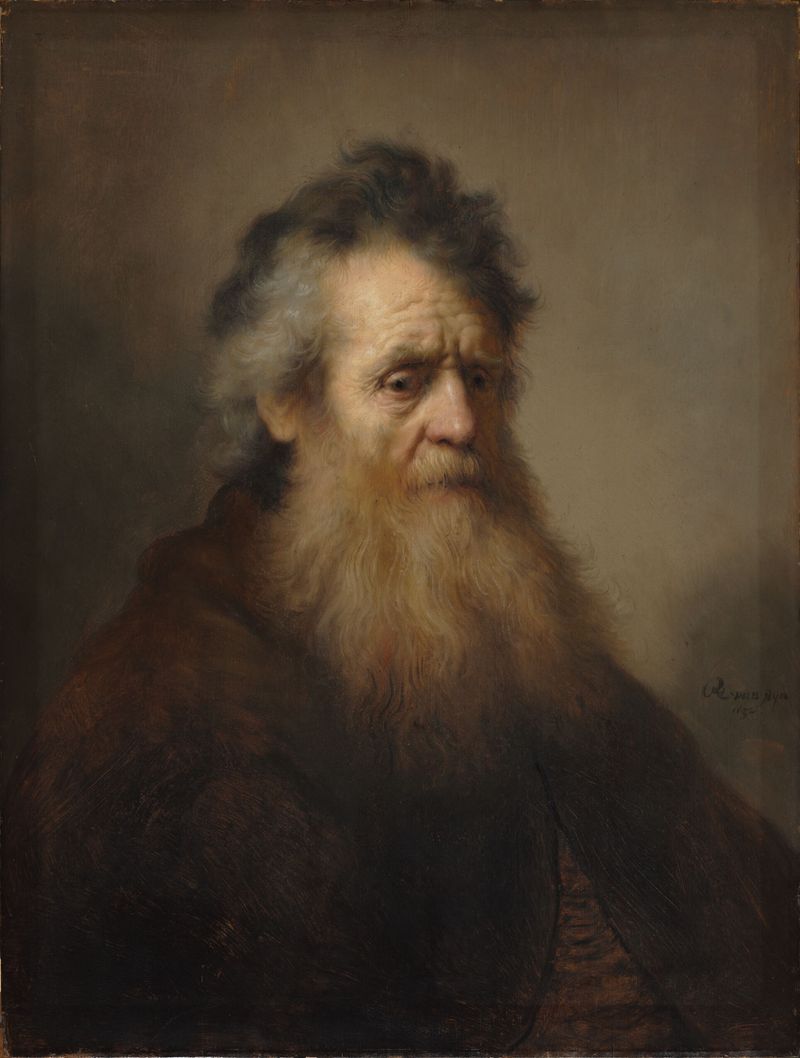
Portrait of an Old Man
Rembrandt Harmensz. van Rijn
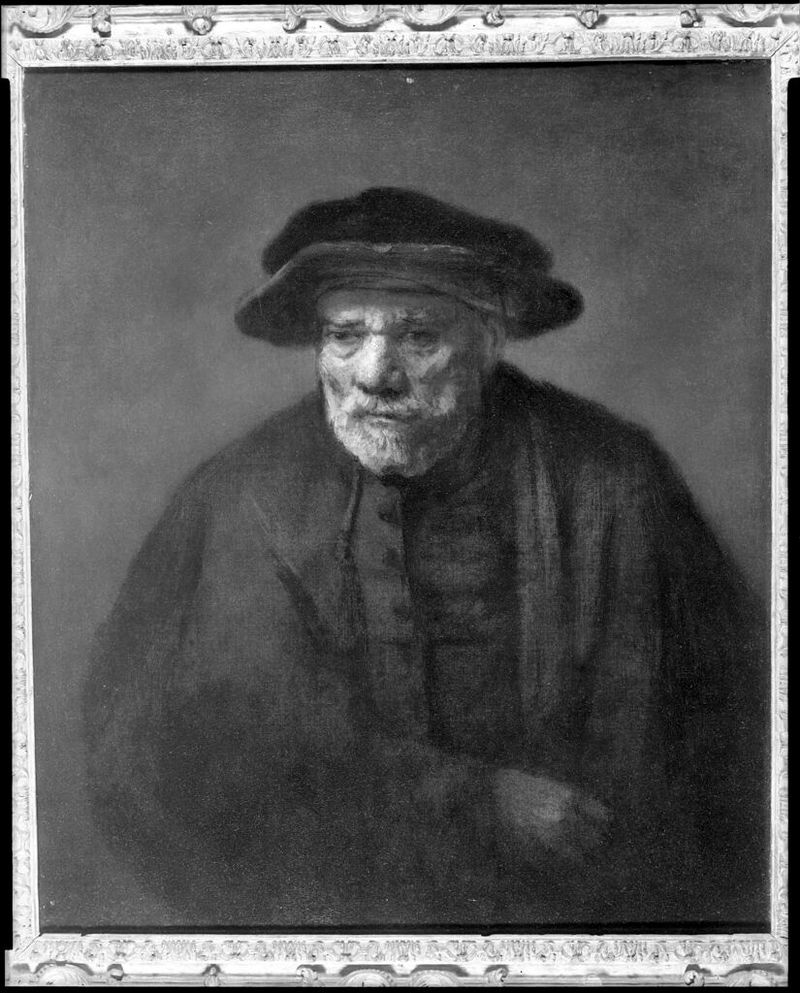
Portrait of an Old Man (Adriaen van Rijn, Rembrandt's brother)
Rembrandt Harmensz. van Rijn

Portrait of an Old Man
Rembrandt Harmensz. van Rijn
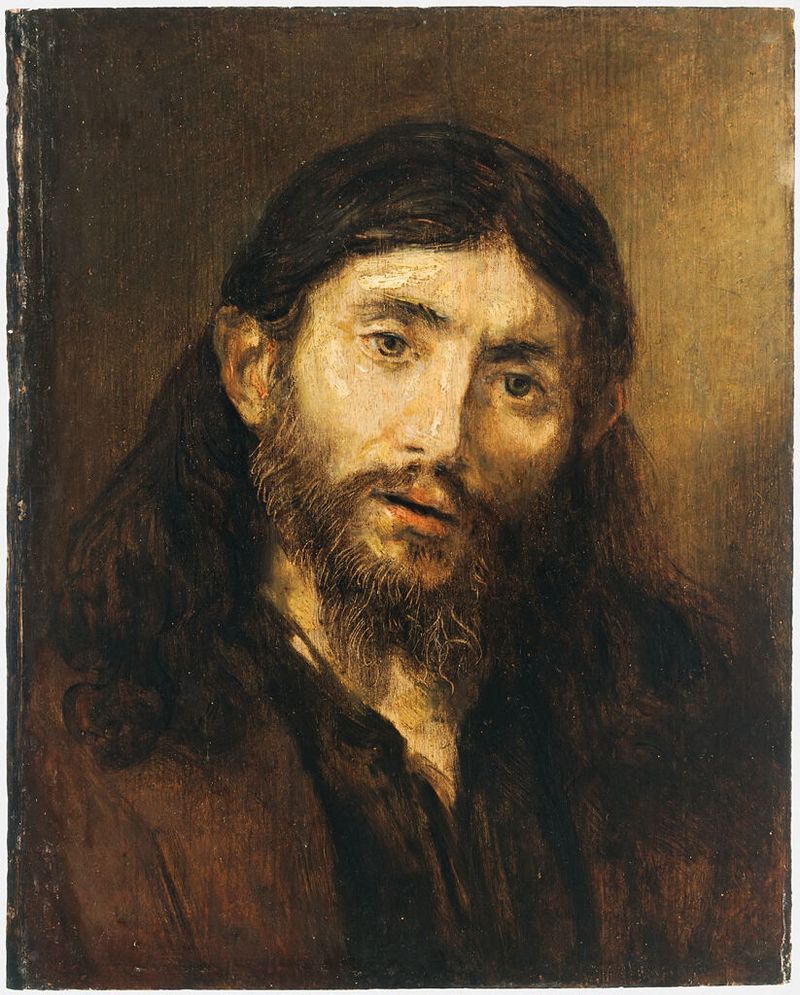
Head of Christ
Rembrandt Harmensz. van Rijn
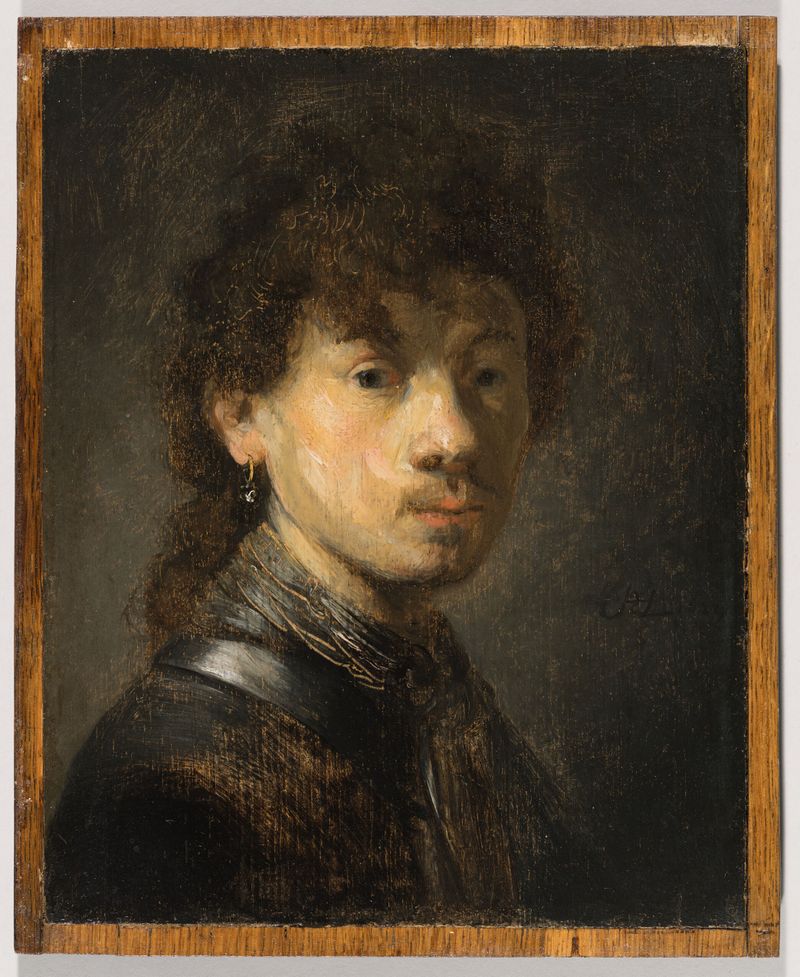
Bust of a Young Man
Rembrandt Harmensz. van Rijn
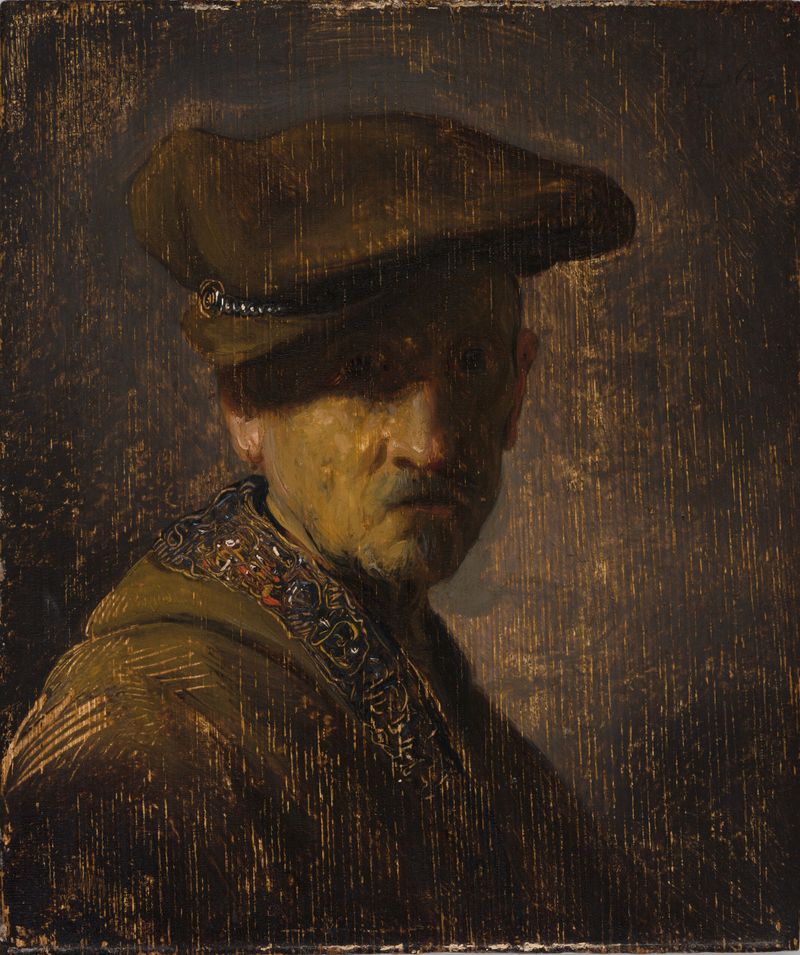
Bust of a Man
Rembrandt Harmensz. van Rijn





