
Bust of a Young Man — History & Facts
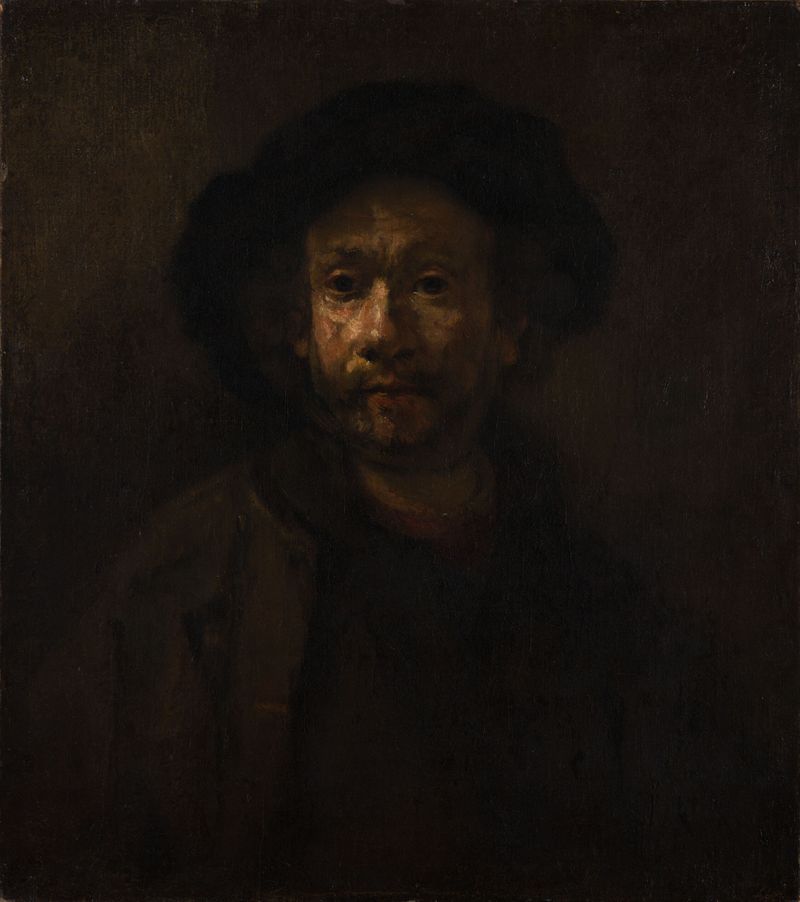
In the delicate interplay of light and shadow, beauty emerges as a transcendent force, inviting us to linger. Focus on the young man's serene expression, framed by a cascade of dark curls that seem to pulse with life. The gentle illumination from the left highlights the contours of his face, enhancing the softness of his skin and the piercing clarity of his gaze. Notice how the artist expertly uses chiaroscuro to create depth, rendering not just a likeness but an intimate connection that breathes with emotion. Beneath the surface, there’s a quiet tension between youth and the inevitability of time, a fleeting moment captured in a way that prompts reflection.
The subtle tilt of his head suggests contemplation—perhaps of beauty itself, or of the weight of expectation. The warm tones, contrasting with the deep background, evoke a sense of both nostalgia and admiration, encouraging viewers to consider the transient nature of youth and the lasting power of artistry. This work was created in 1629 during a period when the artist was establishing his reputation in Amsterdam. He was deeply engaged with the exploration of human emotion and character, often reflecting the complexities of life in his portraits.
At this time, Rembrandt was experimenting with his style, moving towards a more personal and intimate approach, which would later define his legacy.
More Artworks by Rembrandt Harmensz. van Rijn
Browse all →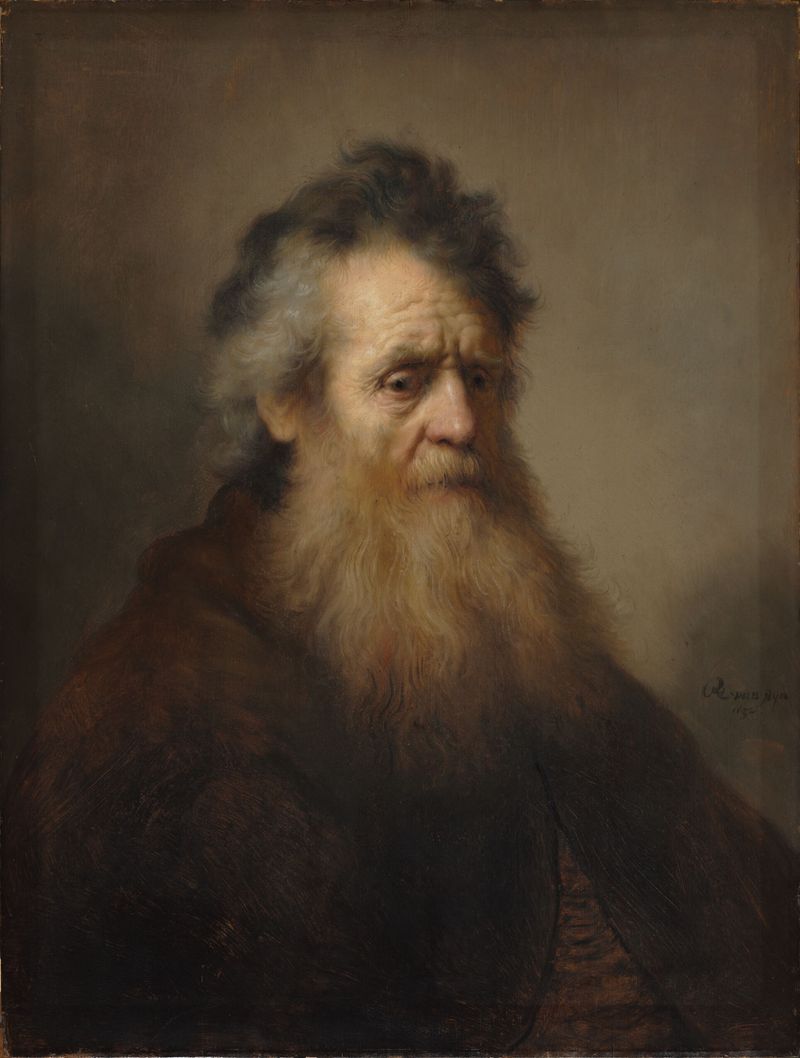
Portrait of an Old Man
Rembrandt Harmensz. van Rijn
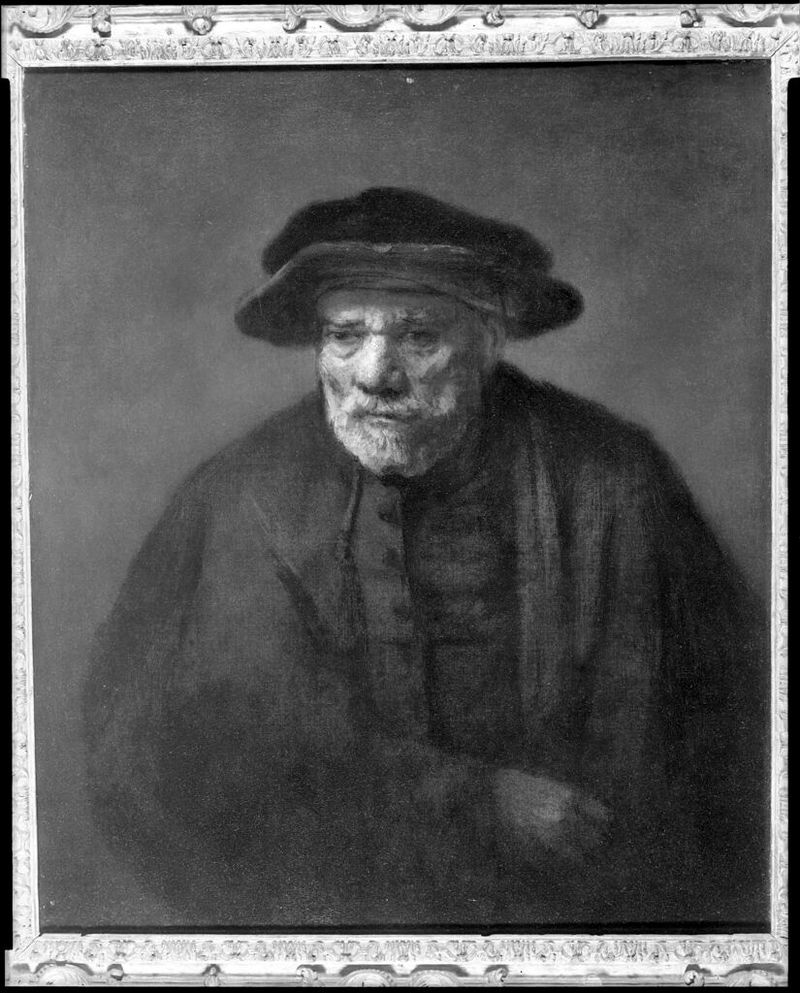
Portrait of an Old Man (Adriaen van Rijn, Rembrandt's brother)
Rembrandt Harmensz. van Rijn

Portrait of an Old Man
Rembrandt Harmensz. van Rijn
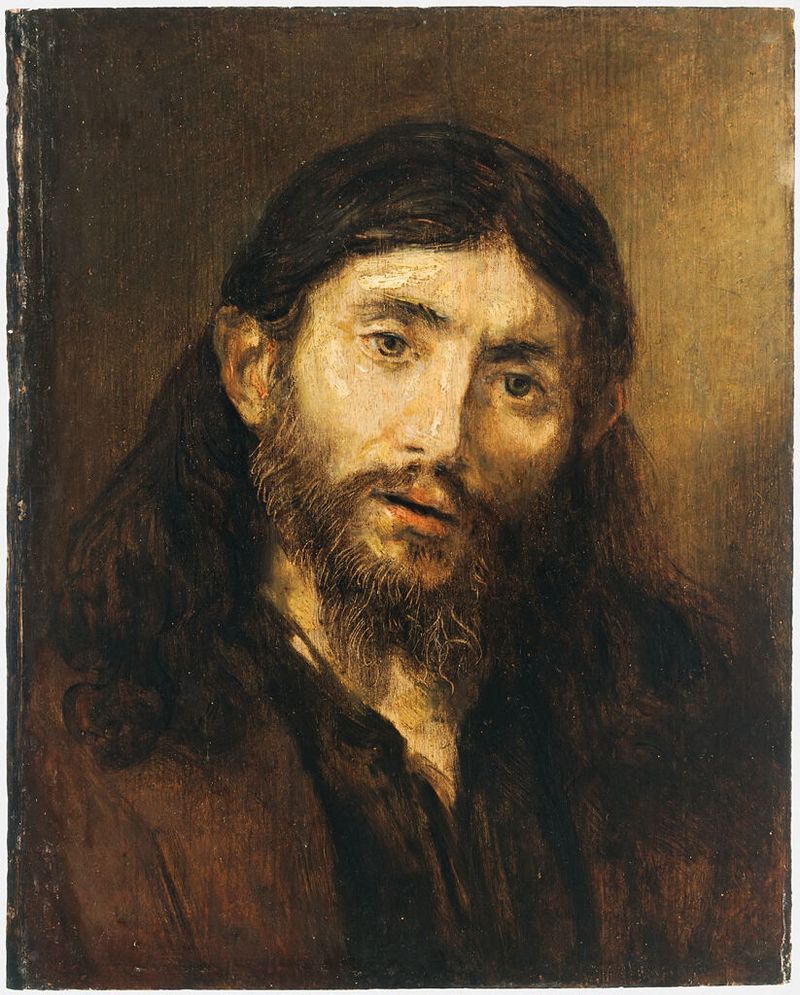
Head of Christ
Rembrandt Harmensz. van Rijn
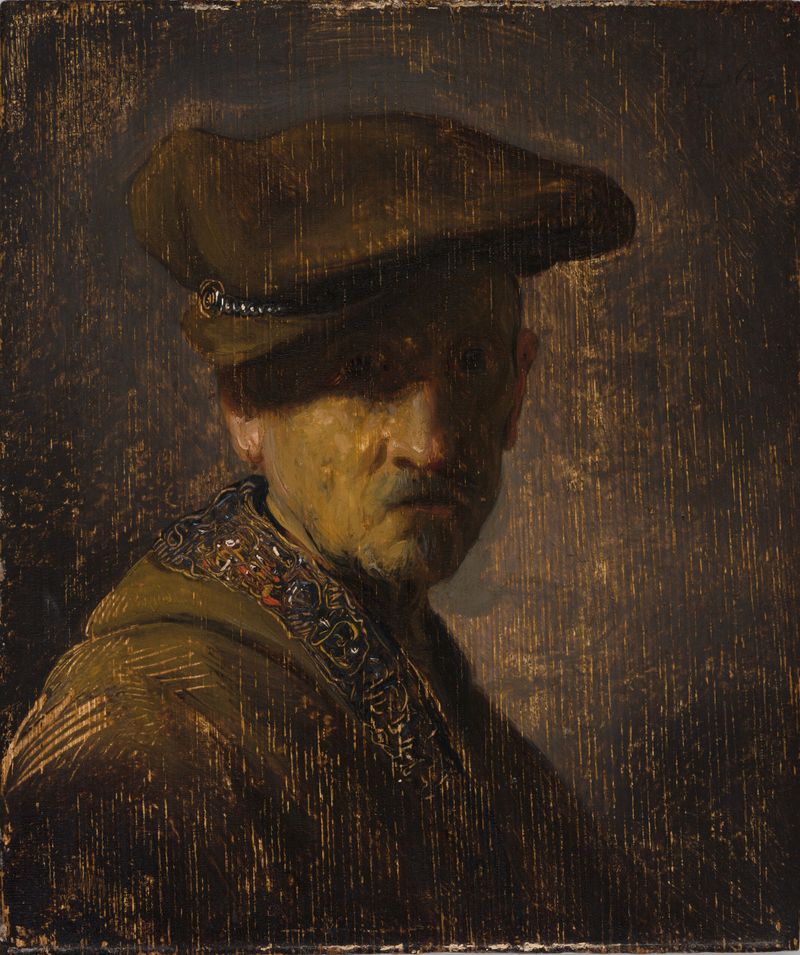
Bust of a Man
Rembrandt Harmensz. van Rijn
Rembrandt Harmensz van Rijn (1606-1669)
Rembrandt Harmensz. van Rijn
More Portrait Art
Browse all →
Las meninas
Diego Velázquez

Self-portrait with a Bandaged Ear and Pipe
Unidentified artist

Girl with a Pearl Earring
Johannes Vermeer

The Sampling Officials of the Amsterdam Drapers’ Guild, Known as ‘The Syndics’
Rembrandt van Rijn

The Hundred Guilder Print: the man seen on the back in the lower left corner
Rembrandt van Rijn

Portrait of Dr Gachet
Vincent van Gogh