
Portrait of an Old Man — History & Facts
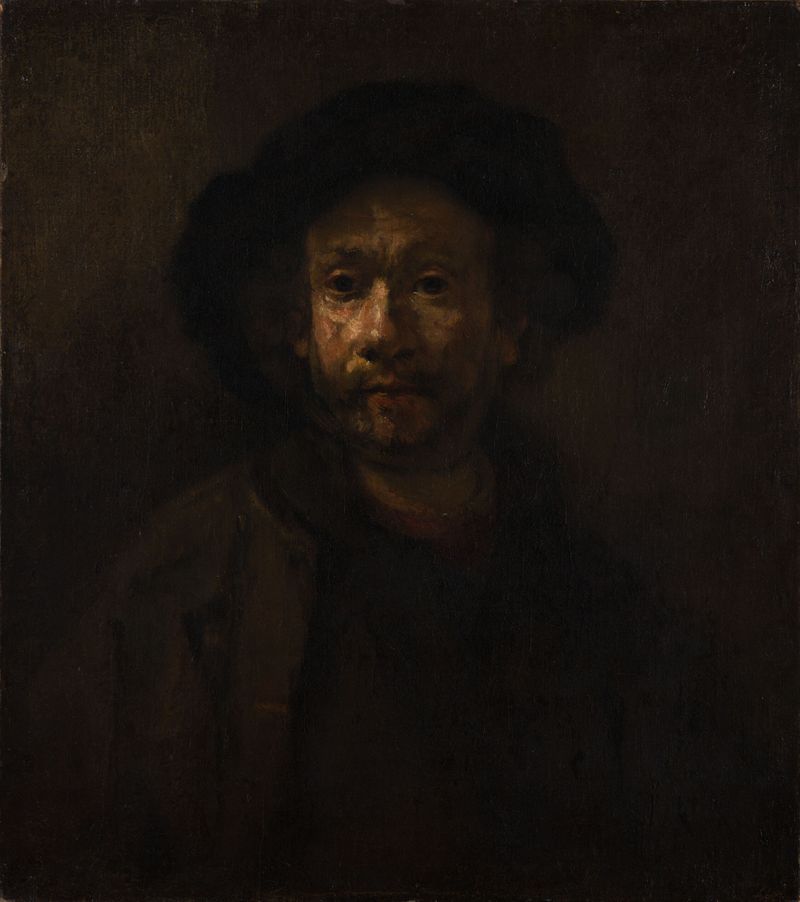
It is within this delicate balance that the essence of humanity unfurls, revealing the silent battles beneath a weathered exterior. Each gaze into the depths of a visage tells a story of resilience and transformation, whispering of a time when revolution was not merely an act of defiance but a profound awakening. Look to the left at the masterful rendering of the old man's face, where every line and shadow speaks volumes. The soft, warm browns and deep blacks create a sense of intimacy, inviting the viewer to linger on his contemplative expression.
Notice how the light pools around his eyes, illuminating their profound depth, while the surrounding darkness seems to cradle his wise features. This contrast not only emphasizes the subject’s contemplative nature but also reflects the tumultuous world during which he lived. Delve deeper into the subtle nuances of this composition. The deliberate use of chiaroscuro—a hallmark of the artist's technique—exemplifies the tension between light and dark, paralleling the societal upheavals of the period.
In the old man's furrowed brow and slightly parted lips, there lies a narrative of lost dreams and unuttered thoughts, suggesting a personal revolution that mirrors the political unrest of the time. Each brushstroke encapsulates the struggles of aging, the passage of time, and the inexorable pursuit of meaning amid chaos. Executed in 1632 during a pivotal moment in art history, the work reflects Rembrandt's growing recognition as a master of portraiture. Living in Amsterdam, he was deeply influenced by the burgeoning Dutch Golden Age, where individualism and personal expression flourished.
This era saw not only the rise of artistic innovation but also a society grappling with its identity, making the portrayal of such an old man resonate with both personal and collective significance.
More Artworks by Rembrandt Harmensz. van Rijn
Browse all →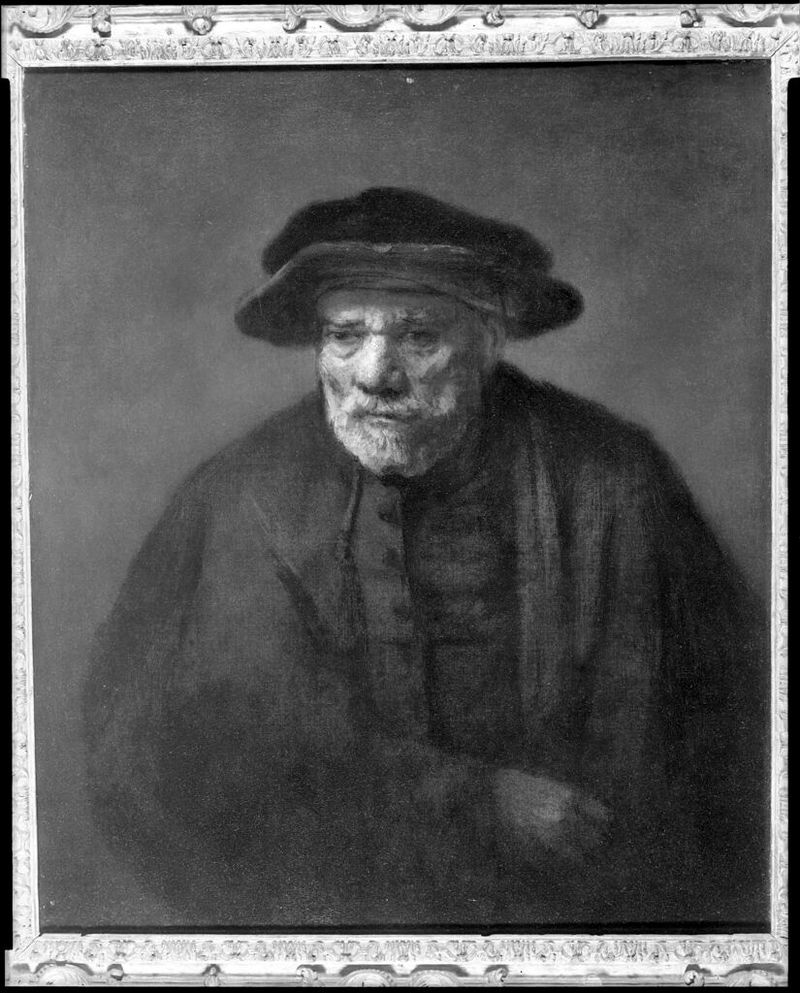
Portrait of an Old Man (Adriaen van Rijn, Rembrandt's brother)
Rembrandt Harmensz. van Rijn

Portrait of an Old Man
Rembrandt Harmensz. van Rijn
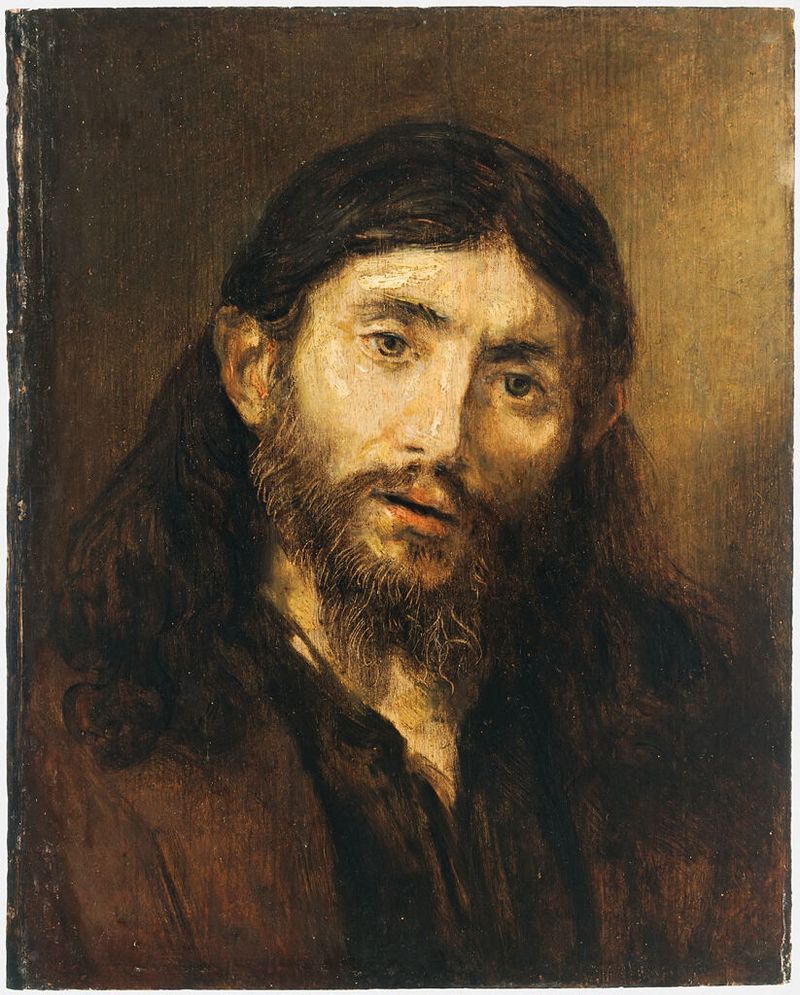
Head of Christ
Rembrandt Harmensz. van Rijn
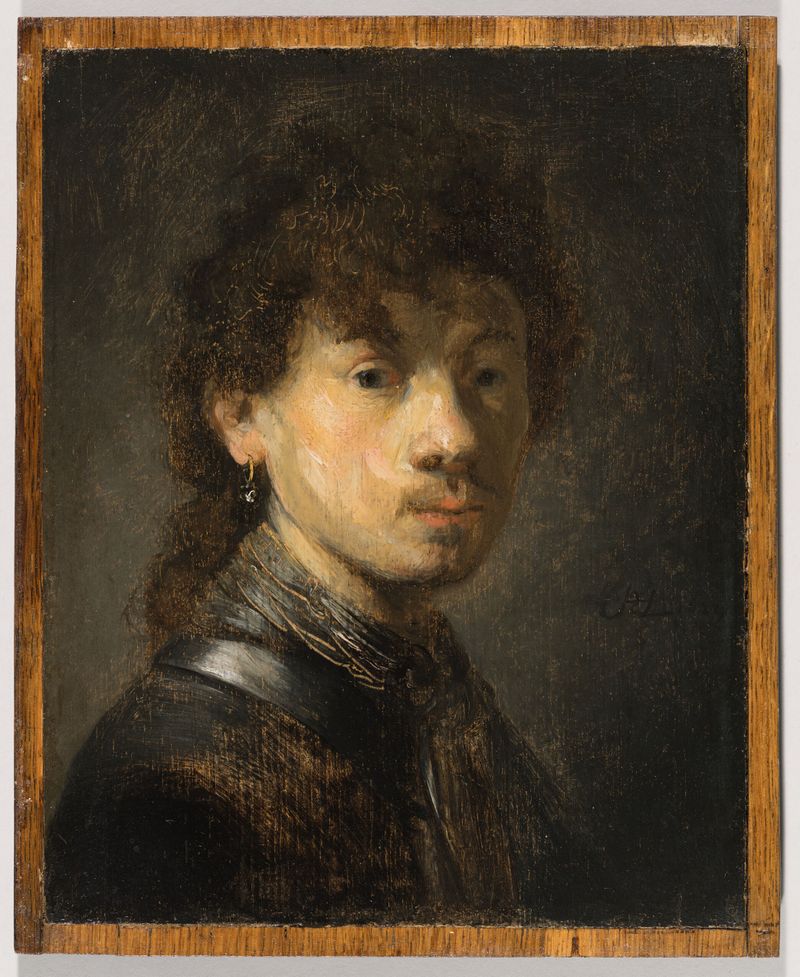
Bust of a Young Man
Rembrandt Harmensz. van Rijn
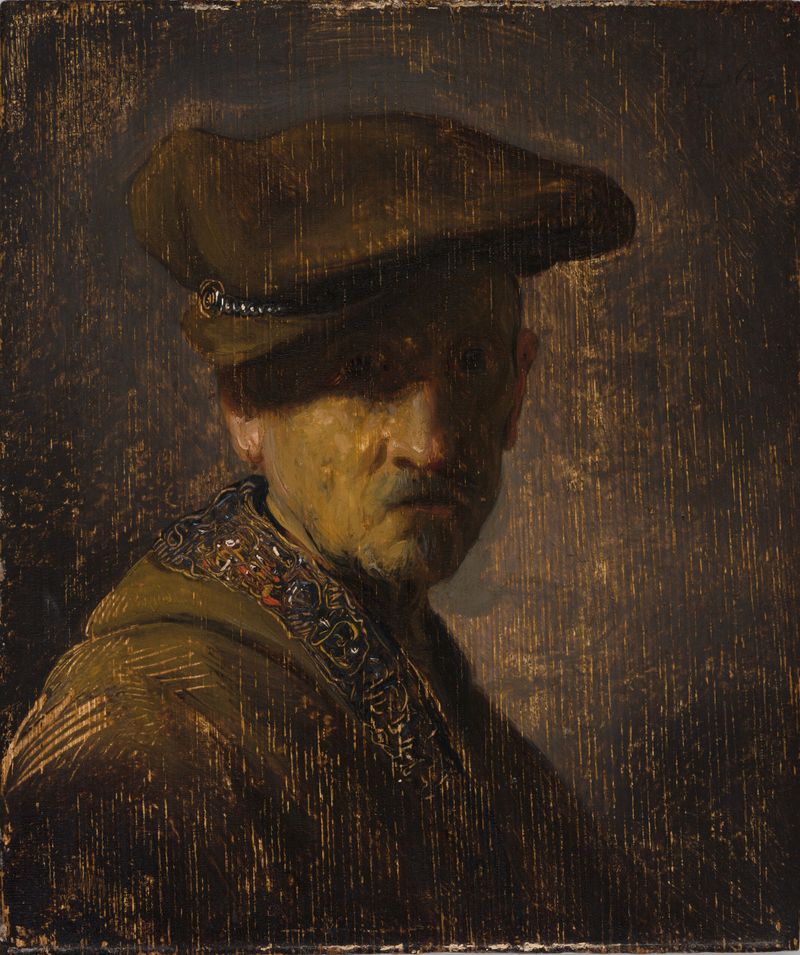
Bust of a Man
Rembrandt Harmensz. van Rijn
Rembrandt Harmensz van Rijn (1606-1669)
Rembrandt Harmensz. van Rijn
More Portrait Art
Browse all →
Las meninas
Diego Velázquez

Self-portrait with a Bandaged Ear and Pipe
Unidentified artist

Girl with a Pearl Earring
Johannes Vermeer

The Sampling Officials of the Amsterdam Drapers’ Guild, Known as ‘The Syndics’
Rembrandt van Rijn

The Hundred Guilder Print: the man seen on the back in the lower left corner
Rembrandt van Rijn

Portrait of Dr Gachet
Vincent van Gogh