
Head of Christ — History & Facts
In Head of Christ, innocence and suffering coexist in a delicate balance, inviting viewers to explore the profundity of the human condition. Focus first on the mesmerizing gaze of Christ, centered in the composition. The soft chiaroscuro illuminates His face, casting deep shadows that seem to cradle the contours of His features. Notice how the light gently caresses His forehead and nose, creating a luminous halo that contrasts with the surrounding darkness.
This interplay of light and shadow not only highlights His serene expression but also enhances the emotional weight of the piece, guiding our eyes to the subtleties of His divine yet human plight. Delve deeper into the brushwork; Rembrandt’s strokes evoke both tenderness and turmoil. The subtle variations in the paint's thickness convey texture, making the flesh appear alive, while the deep, warm hues hint at the warmth of compassion amidst suffering. The slightly parted lips suggest a whisper of words unspoken, an invitation to reflect on the nature of sacrifice and redemption.
Every detail, from the flowing hair to the hint of a tear, encapsulates the tension between innocence lost and divine grace. Created between 1648 and 1656, this work emerged during a turbulent period in Rembrandt's life, marked by personal loss and financial instability. Living in Amsterdam, he was experimenting with light and emotion during a time when the Baroque style was flourishing. The artist’s deep exploration of spirituality and the human experience came to life in this piece, capturing both the intimate essence of Christ and the universal struggles of humanity.
More Artworks by Rembrandt Harmensz. van Rijn
Browse all →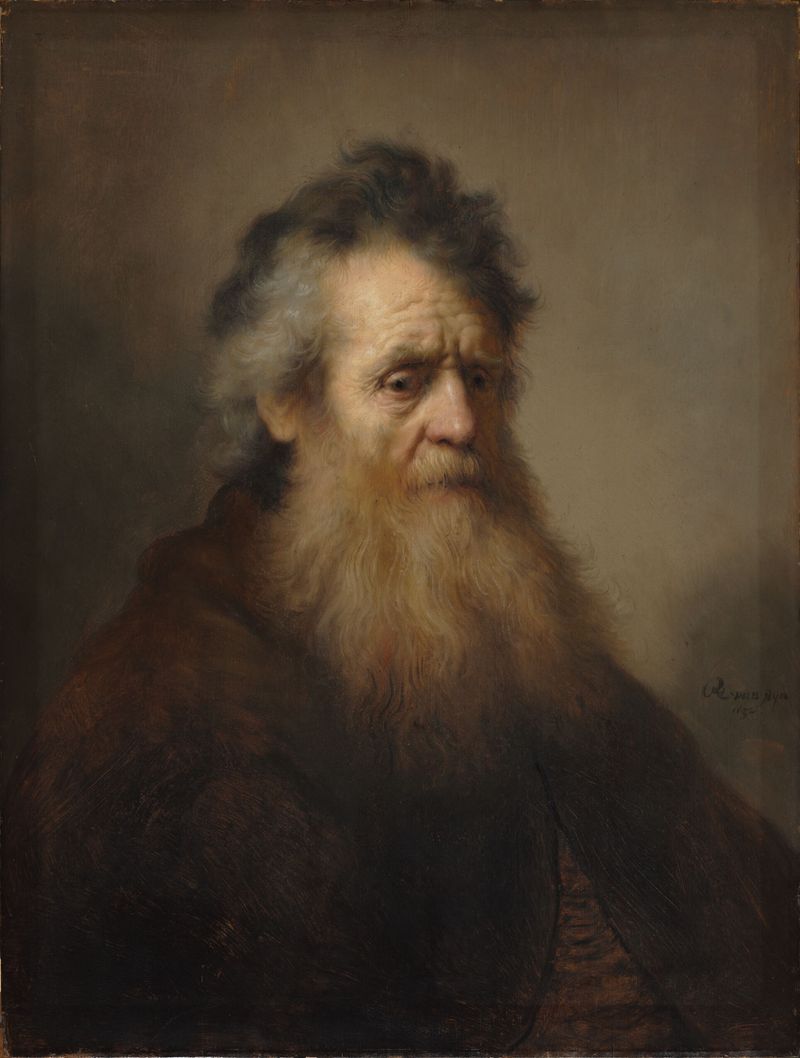
Portrait of an Old Man
Rembrandt Harmensz. van Rijn
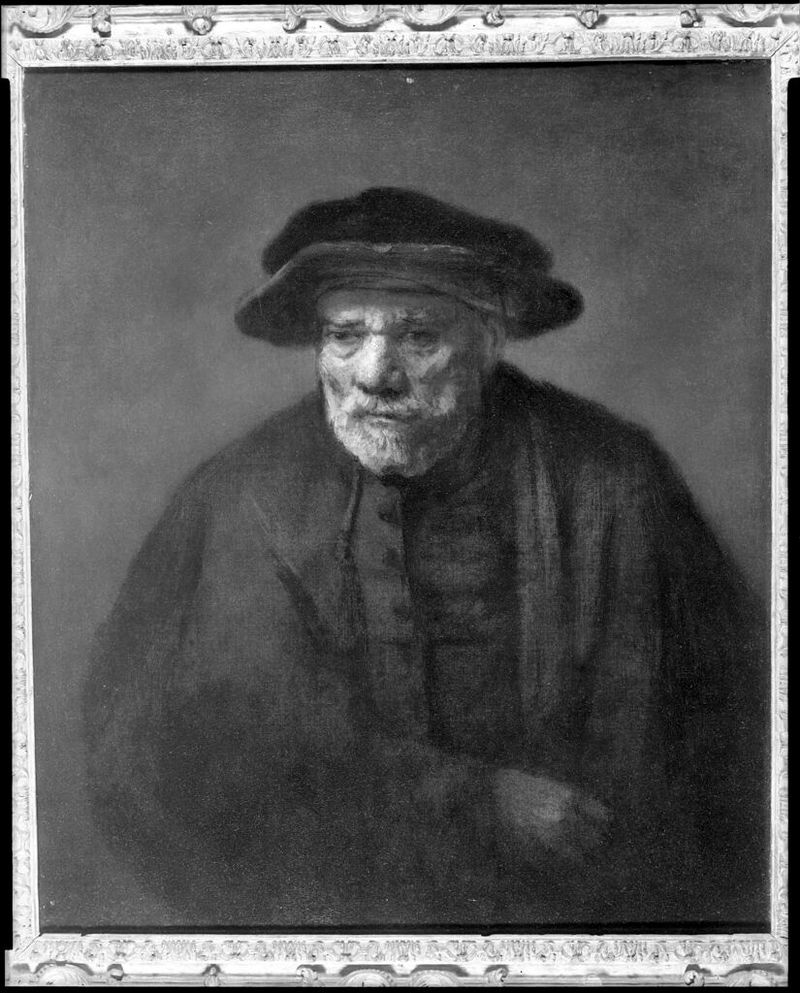
Portrait of an Old Man (Adriaen van Rijn, Rembrandt's brother)
Rembrandt Harmensz. van Rijn

Portrait of an Old Man
Rembrandt Harmensz. van Rijn
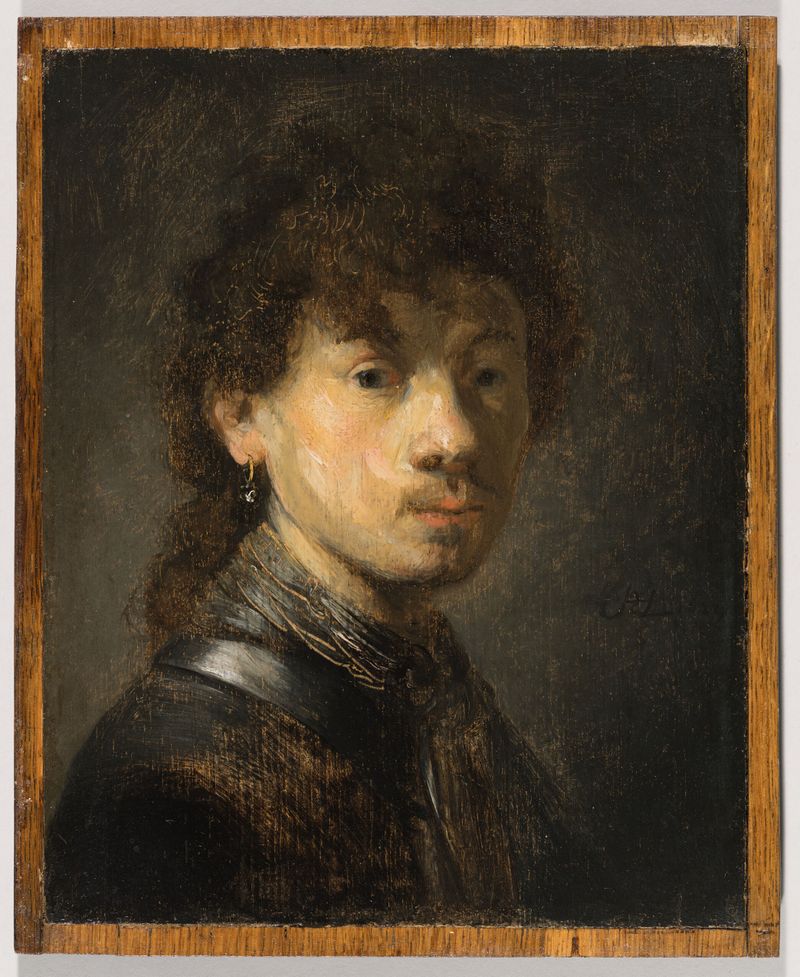
Bust of a Young Man
Rembrandt Harmensz. van Rijn
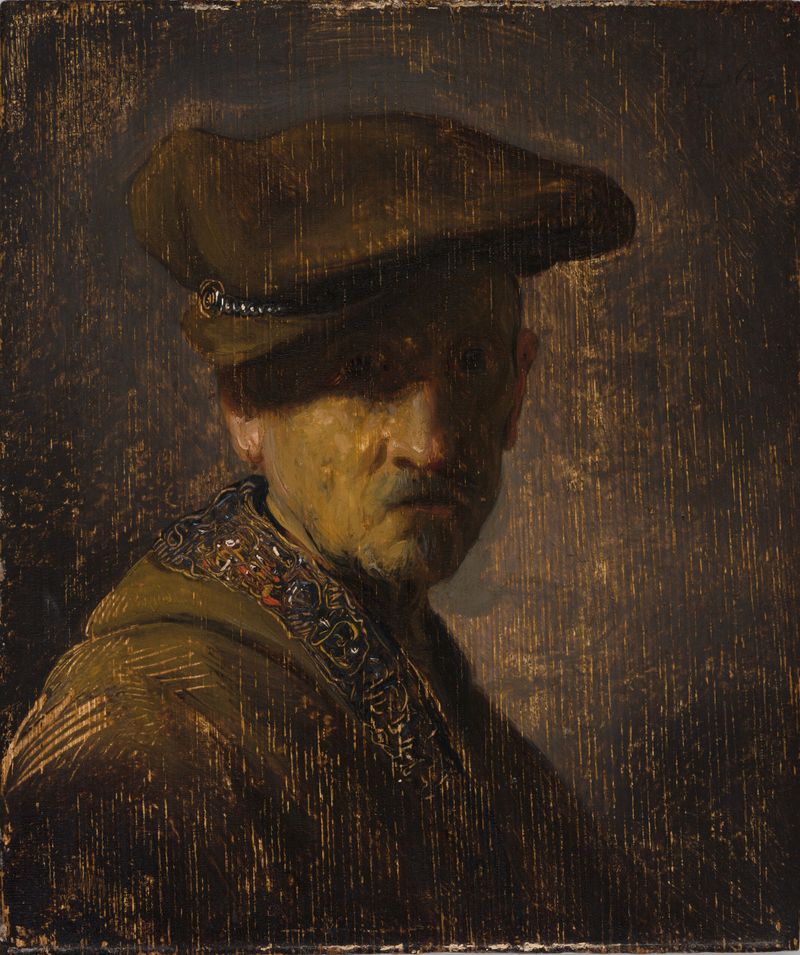
Bust of a Man
Rembrandt Harmensz. van Rijn
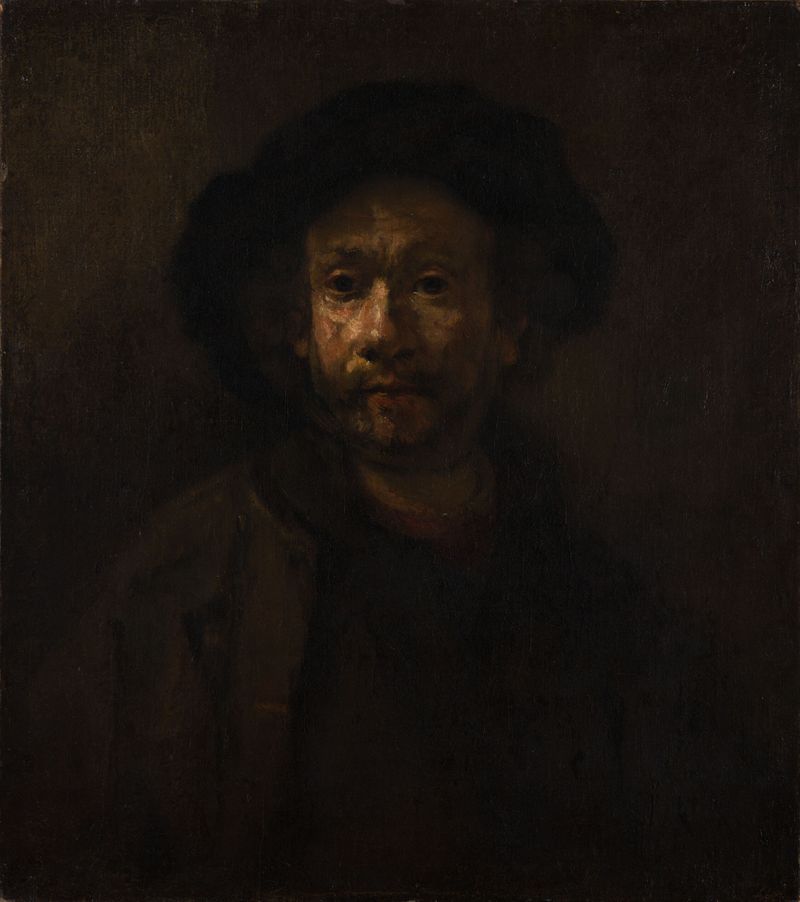
Rembrandt Harmensz van Rijn (1606-1669)
Rembrandt Harmensz. van Rijn
More Religious Art
Browse all →
The Return of the Prodigal Son
Rembrandt van Rijn

The Garden of Earthly Delights
El Bosco

Count Orgaz’ funeral
El Greco

The Hundred Guilder Print: the central piece with Christ preaching, the plate arched
Rembrandt van Rijn

The Descent from the Cross
Rogier van der Weyden

The return of the prodigal son
Rembrandt van Rijn