
By the Tauber near Wertheim — History & Facts
When did color learn to lie? In the quiet embrace of twilight, nature seems to awaken, revealing truths often hidden beneath the surface. Look to the left, where the soft, pastel hues of the sky blend into reflective waters, creating a tranquil juxtaposition between the vibrant landscape and its delicate mirror. The gentle curves of the river twist elegantly through the composition, inviting the eye to wander along its serpentine path. Touches of pink and gold shimmer across the canvas, while verdant greens cradle the riverbanks, alluding to a serene harmony that dances between light and shadow. Hidden within this stillness lies an exploration of ephemerality.
The merging of colors suggests a fleeting moment, a transient state where time and nature intersect. The juxtaposition of the calm water against the vibrant sky evokes emotions of nostalgia, prompting viewers to ponder their own experiences of awakening and change. There is an undercurrent of tension between permanence and impermanence, inviting reflection on the beauty that exists in moments caught between day and night. Morgenstern painted this piece during a time of personal introspection, likely amid the evolving artistic movements of the late 19th century.
While exact dates remain elusive, he was active in Germany, where developments in Impressionism began to influence his approach to landscape. This painting exemplifies his quest for capturing transient beauty, resonating with the broader context of artists seeking to convey emotion through color and light in an ever-changing world.
More Artworks by Friedrich Ernst Morgenstern
Browse all →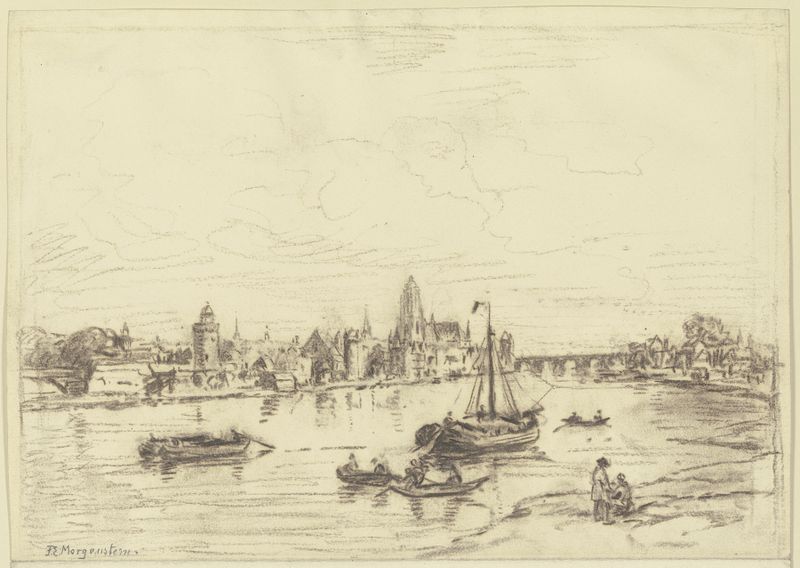
View of Frankfurt
Friedrich Ernst Morgenstern

On the Scheldt near Veere
Friedrich Ernst Morgenstern
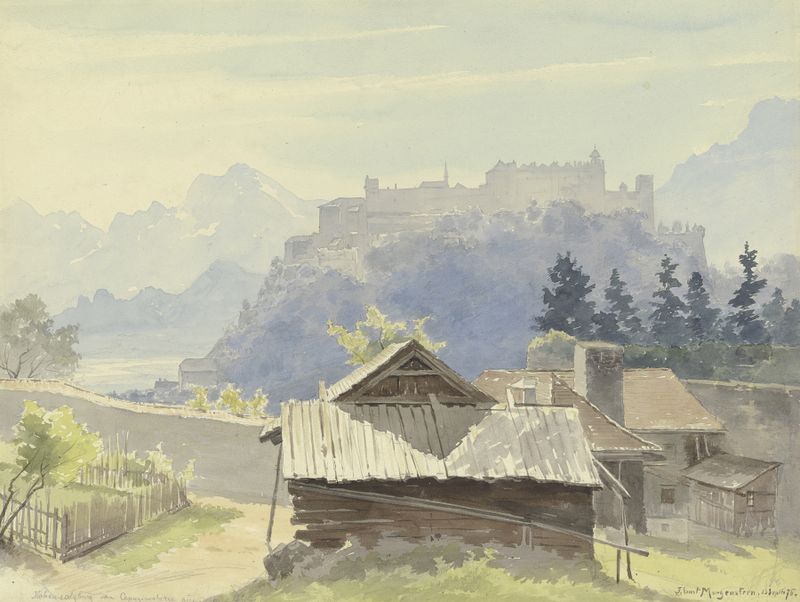
Hohensalzburg vom Kapuzinerberg aus gesehen
Friedrich Ernst Morgenstern
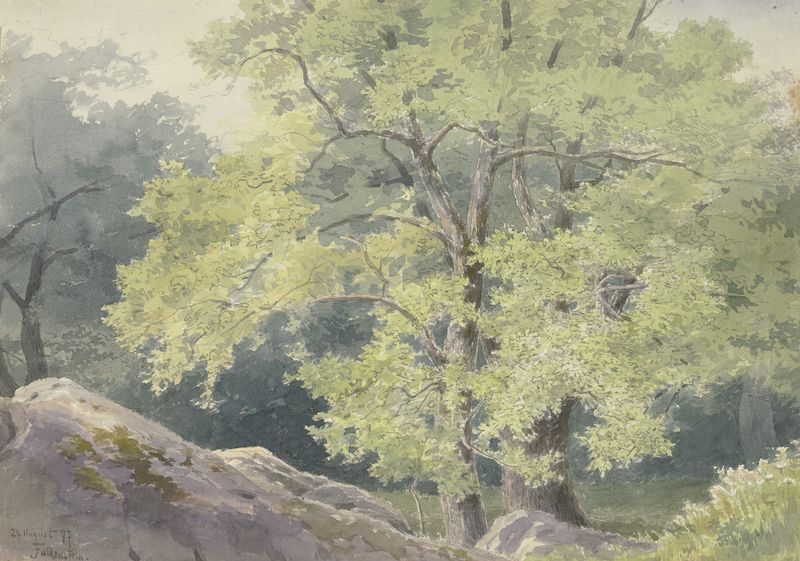
In the forest near Falkenstein
Friedrich Ernst Morgenstern
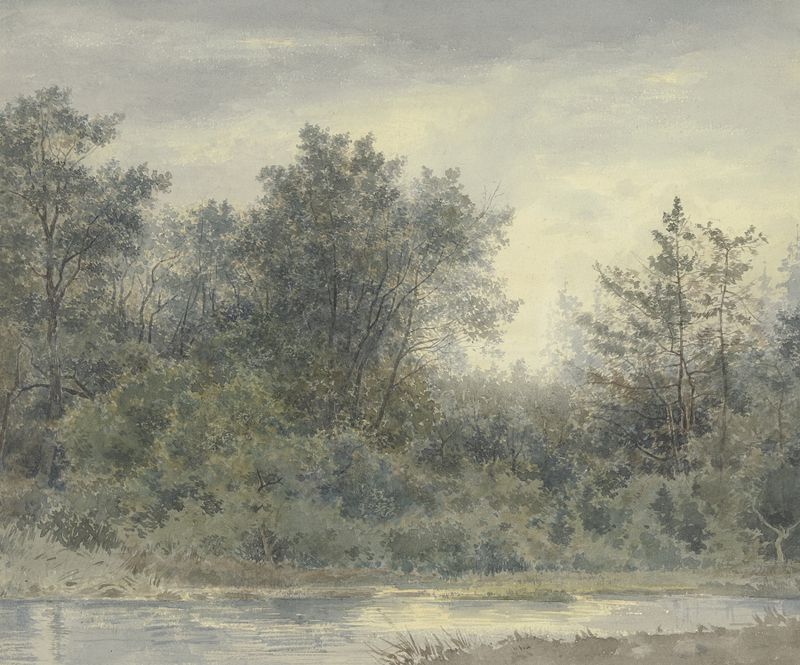
Wood by the water
Friedrich Ernst Morgenstern
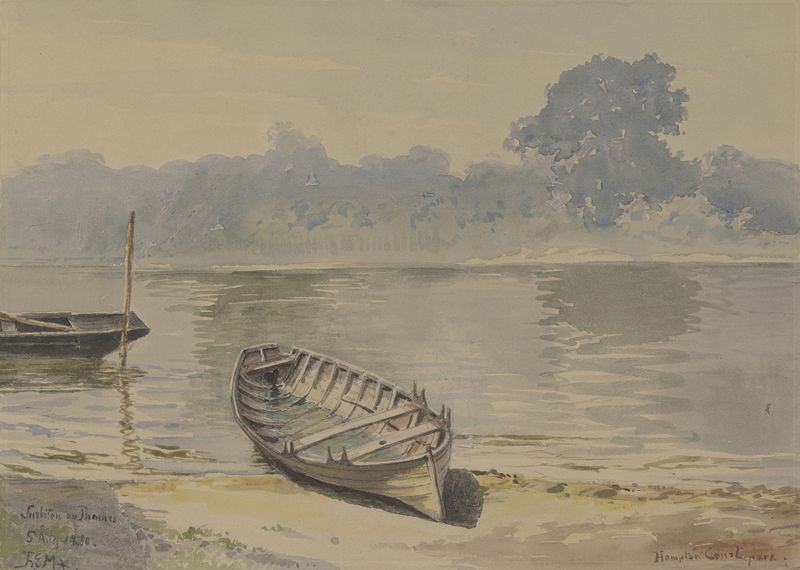
From Hampton Court Park
Friedrich Ernst Morgenstern
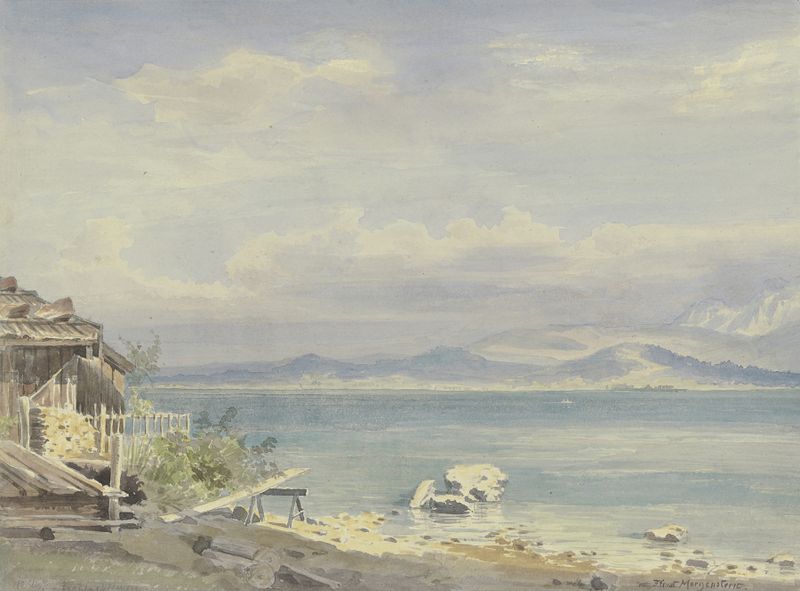
Frauenchiemsee
Friedrich Ernst Morgenstern
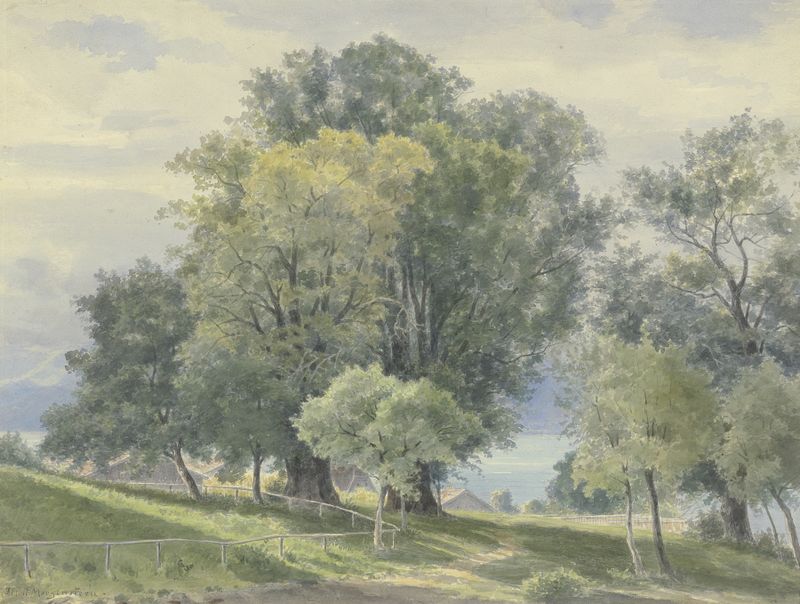
Frauenchiemsee
Friedrich Ernst Morgenstern
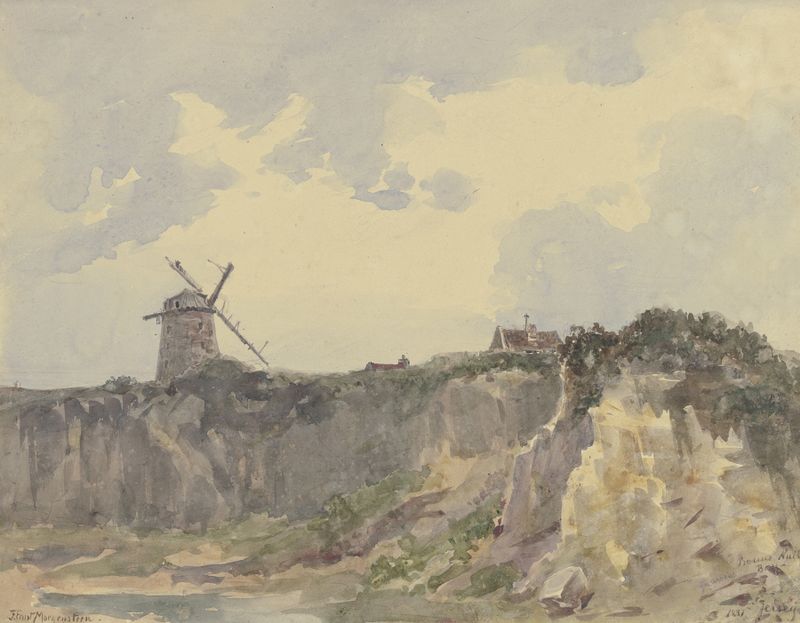
Küstenlandschaft der Bonne Nuit Bay
Friedrich Ernst Morgenstern
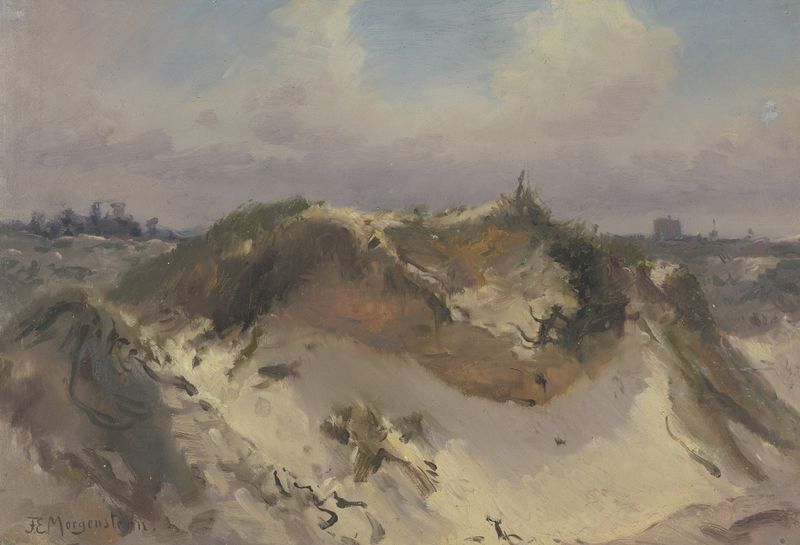
Dune near De Panne
Friedrich Ernst Morgenstern





