
Wood by the water — History & Facts
Can paint confess what words never could? In Wood by the Water, a serene landscape whispers secrets of stillness and transcendence, inviting viewers to delve into a moment where nature breathes softly. Look to the left at the rich greens of the dense foliage, where the trees stand tall, their trunks intertwined, creating a natural archway. The calm water reflects the soft hues of the sky, inviting a sense of peace, while gentle ripples hint at life just below the surface. Notice how the intricate brushwork evokes the texture of each leaf, highlighting the delicate interplay between light and shadow, and drawing you deeper into this tranquil scene. Here, the juxtaposition of solid earth and fluid water serves as a meditation on permanence and change.
The trees symbolize strength and endurance, while the water embodies the ephemeral, capturing moments that slip away like the fading light of day. This dichotomy speaks to a profound understanding of existence, where the steadfastness of the forest meets the transitory nature of the stream—a reminder that all things flow in harmony, yet remain fixed in memory. In 1876, Morgenstern painted this piece while living in Germany, a time when the Romantic movement was still resonating strongly in the art world. His works often reflected an engagement with nature and emotional depth, aiming to transport viewers beyond the physical realm into a transcendent experience.
This painting, with its lush scenery and contemplative atmosphere, exemplifies his ability to encapsulate complex feelings within the simplicity of landscape art.
More Artworks by Friedrich Ernst Morgenstern
Browse all →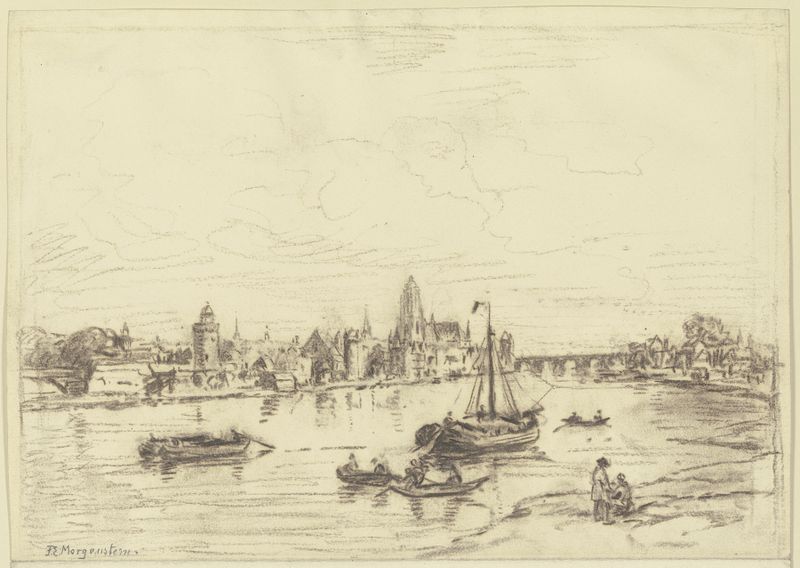
View of Frankfurt
Friedrich Ernst Morgenstern

On the Scheldt near Veere
Friedrich Ernst Morgenstern
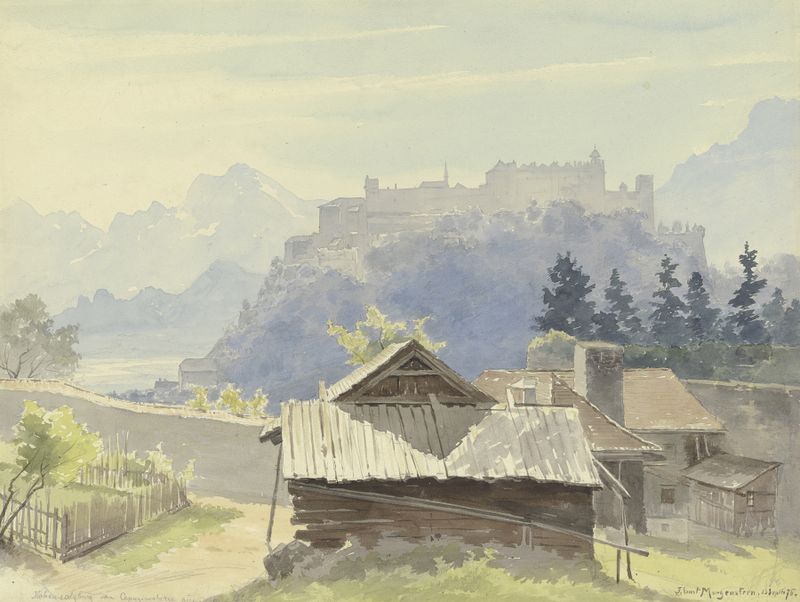
Hohensalzburg vom Kapuzinerberg aus gesehen
Friedrich Ernst Morgenstern
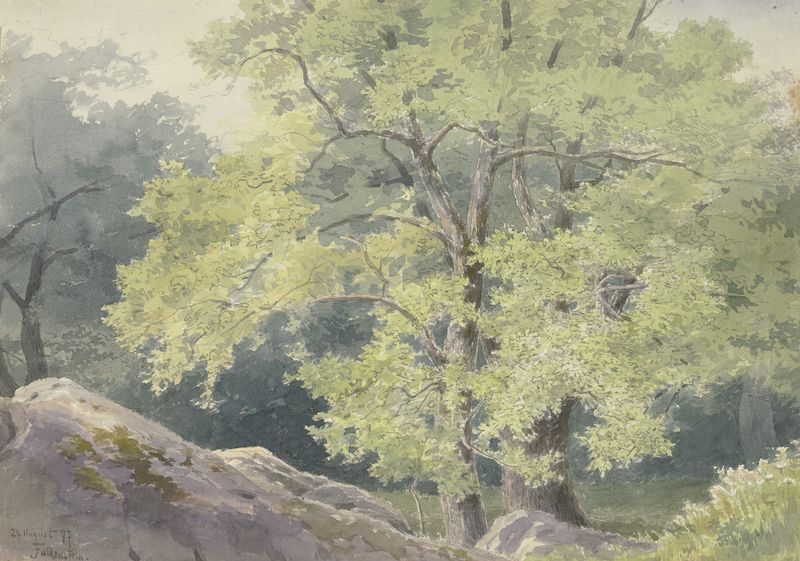
In the forest near Falkenstein
Friedrich Ernst Morgenstern
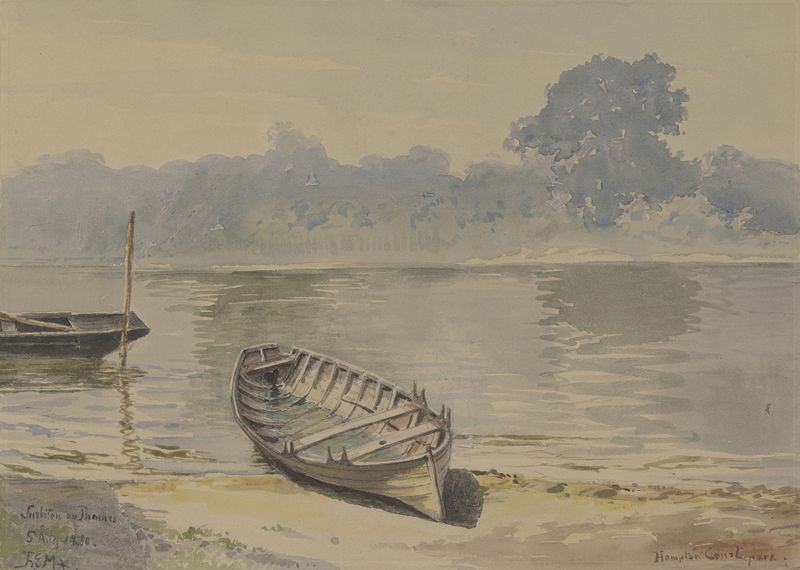
From Hampton Court Park
Friedrich Ernst Morgenstern
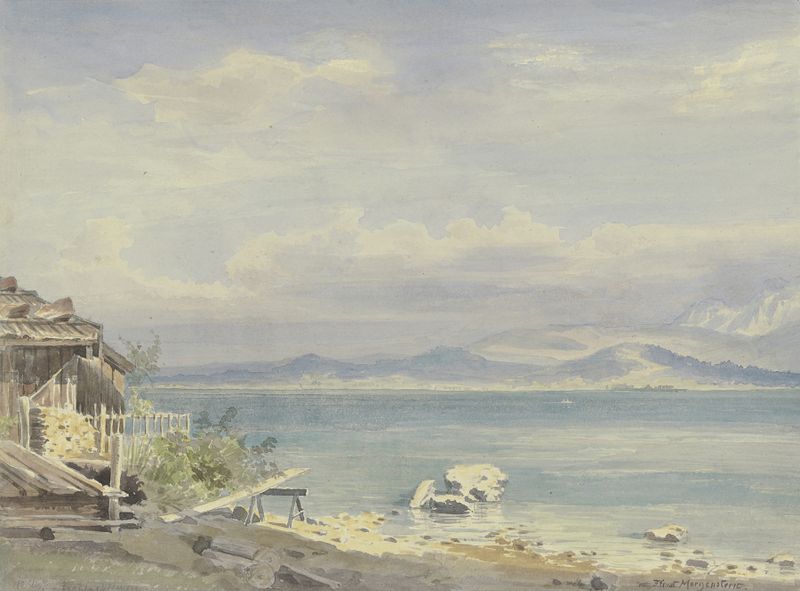
Frauenchiemsee
Friedrich Ernst Morgenstern
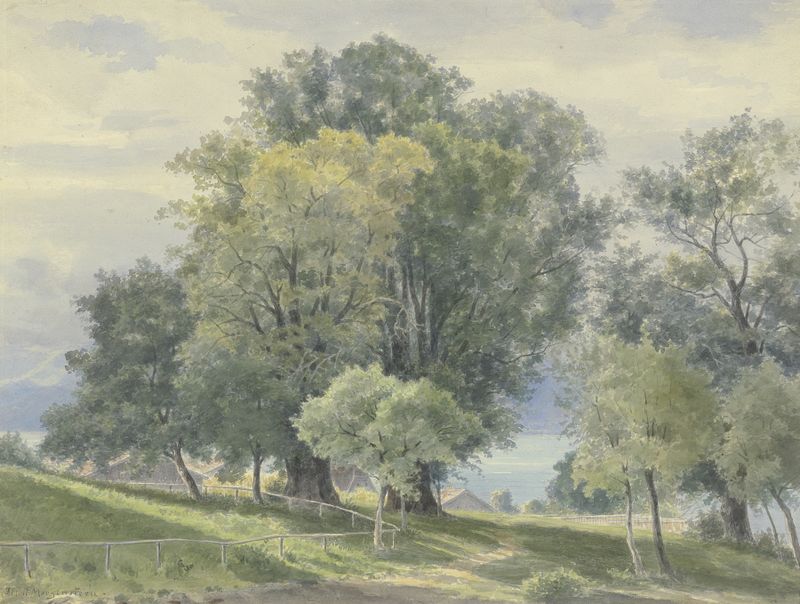
Frauenchiemsee
Friedrich Ernst Morgenstern
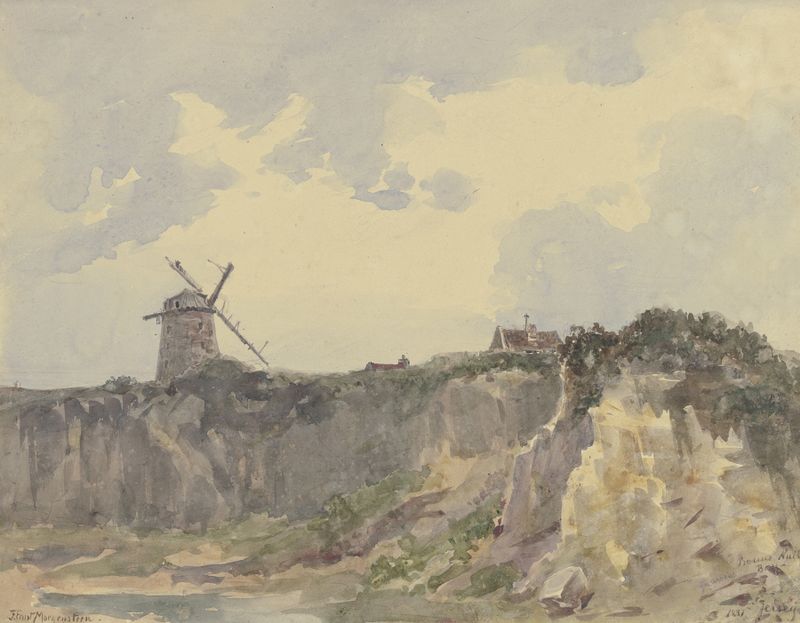
Küstenlandschaft der Bonne Nuit Bay
Friedrich Ernst Morgenstern
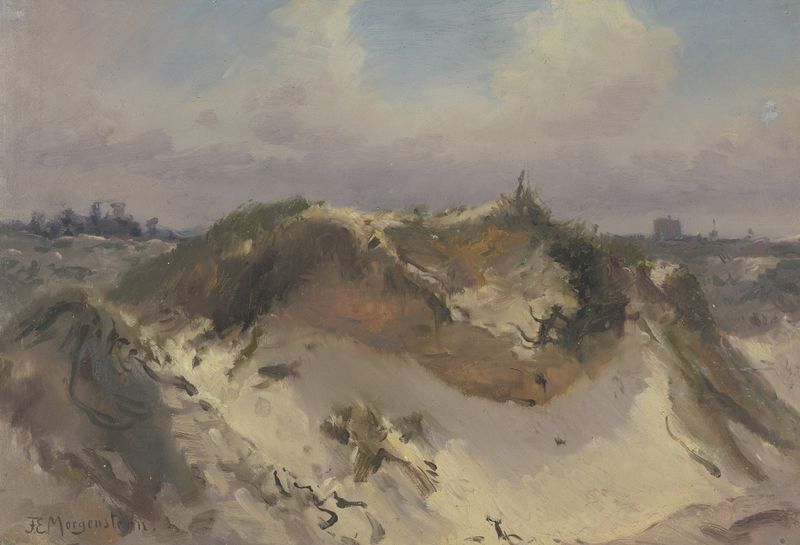
Dune near De Panne
Friedrich Ernst Morgenstern
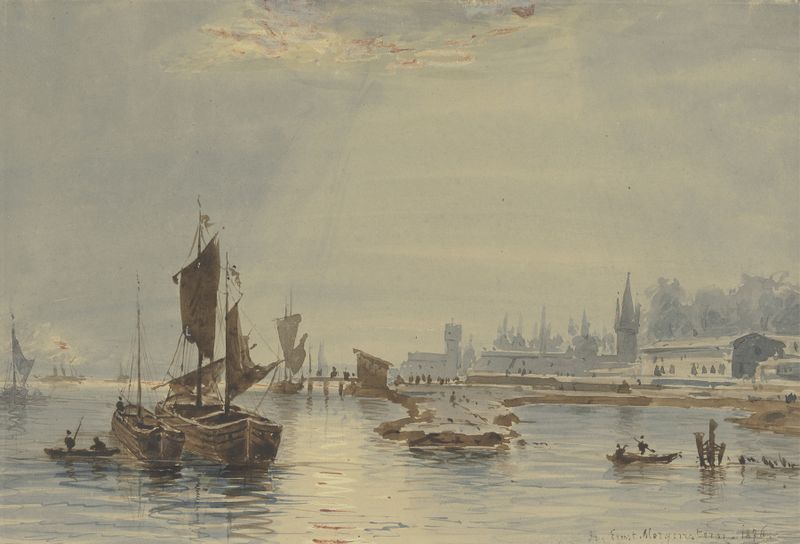
At the port of Mainz
Friedrich Ernst Morgenstern





