
Küstenlandschaft der Bonne Nuit Bay — History & Facts
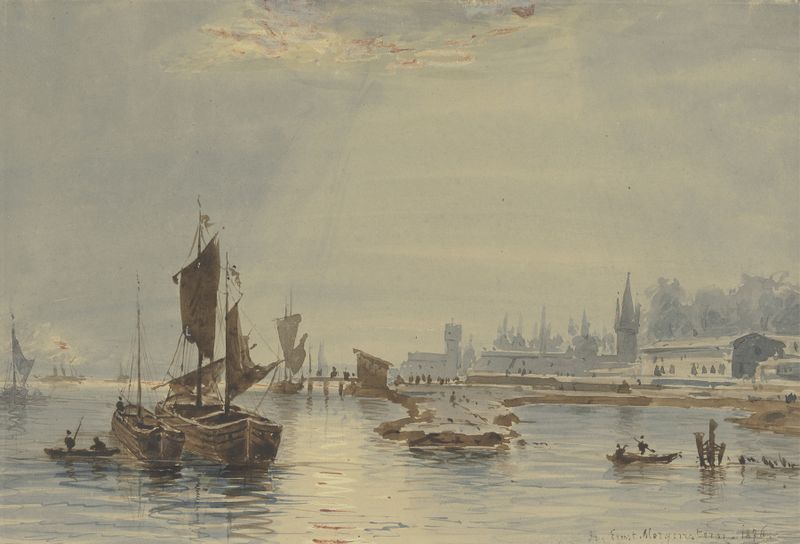
When did color learn to lie? In a world where hues can mask sorrow, the canvas invites us to confront our own grief beneath its vibrant surface. Look to the right at the crashing waves, where deep blues blend with hints of muted grays, mirroring a tumultuous sky. Notice how the light dances on the water’s surface, shimmering yet troubled, as if the sea itself carries the weight of unspoken memories. The composition leads your eye from the dark, rocky shore to the horizon, creating a sense of both isolation and longing.
Each brushstroke speaks to the artist's struggle, the juxtaposition of liveliness in the landscape and a palpable sense of melancholy throughout. Delve deeper into the details: the weathered cliffs stand stoic against the relentless tide, embodying resilience amidst sorrow. The sky, though beautifully painted, conceals an undercurrent of unease, suggesting an impending storm. Shadows loom in the crevices, emphasizing the emotional tension between the serenity of nature and the inner turmoil of the human experience.
Here, color does not merely celebrate beauty; it becomes a vessel of grief, echoing the fragility of life. Created in 1881, this painting emerged during a time of personal upheaval for its creator as he navigated the complexities of the art world and his own life. Living in Berlin, Morgenstern was influenced by the Romantic movement, which sought to capture emotion and nature's raw power. As industrialization progressed, artists like him found solace in landscapes, using them to express deeper truths about existence, loss, and the passage of time.
More Artworks by Friedrich Ernst Morgenstern
Browse all →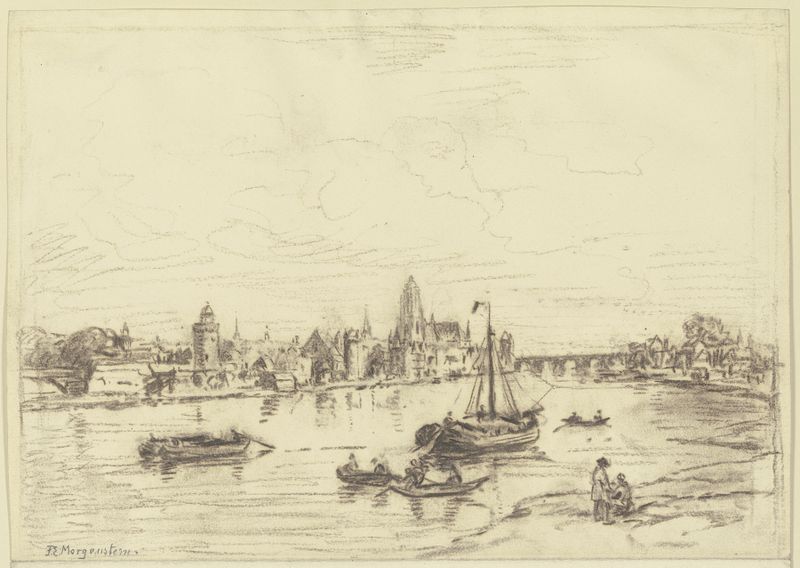
View of Frankfurt
Friedrich Ernst Morgenstern

On the Scheldt near Veere
Friedrich Ernst Morgenstern
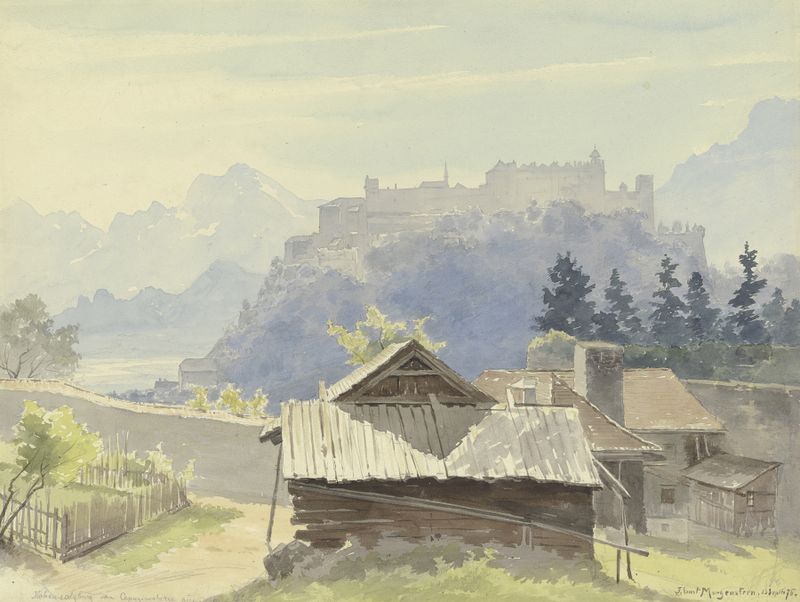
Hohensalzburg vom Kapuzinerberg aus gesehen
Friedrich Ernst Morgenstern
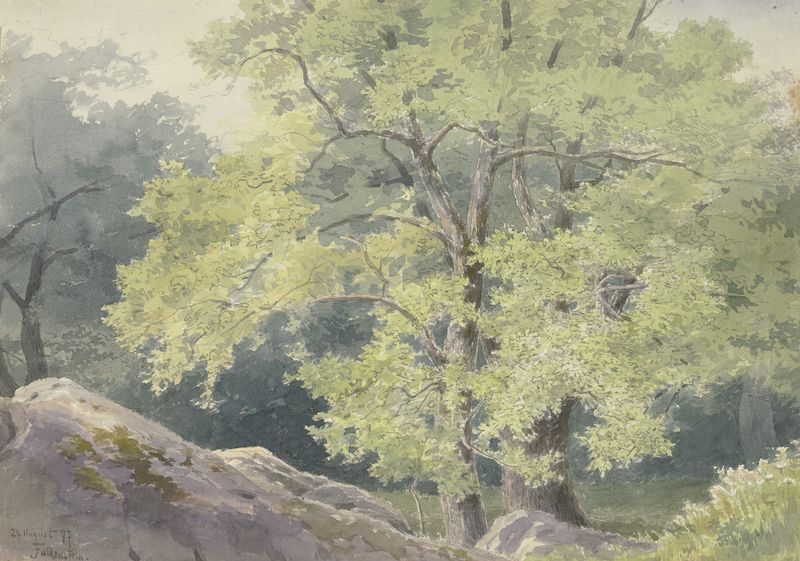
In the forest near Falkenstein
Friedrich Ernst Morgenstern
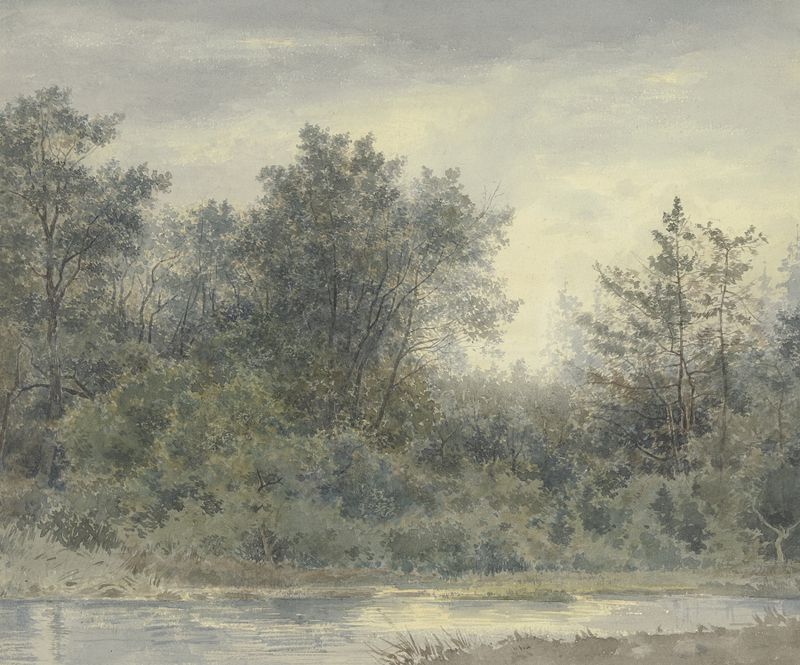
Wood by the water
Friedrich Ernst Morgenstern
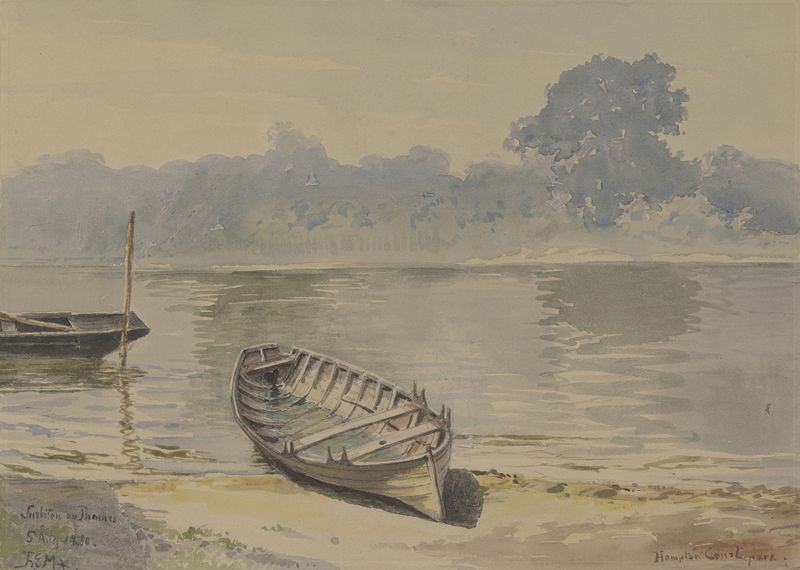
From Hampton Court Park
Friedrich Ernst Morgenstern
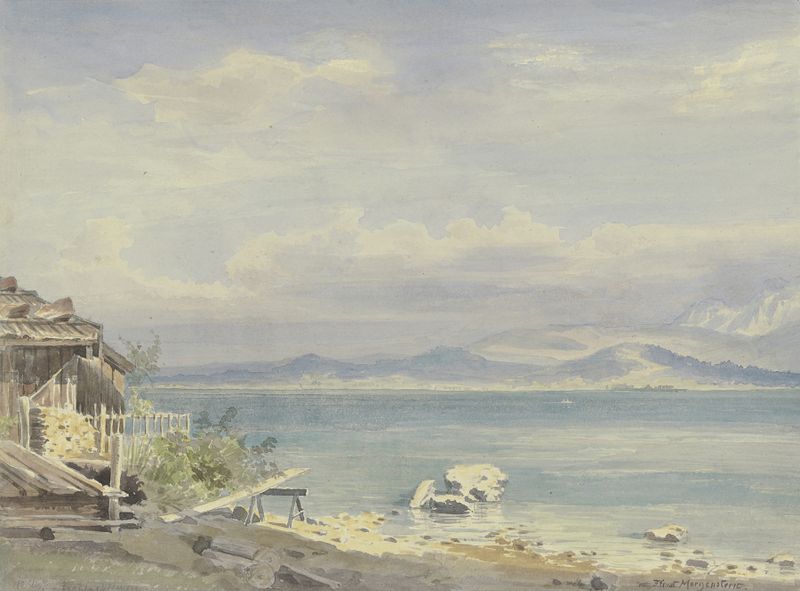
Frauenchiemsee
Friedrich Ernst Morgenstern
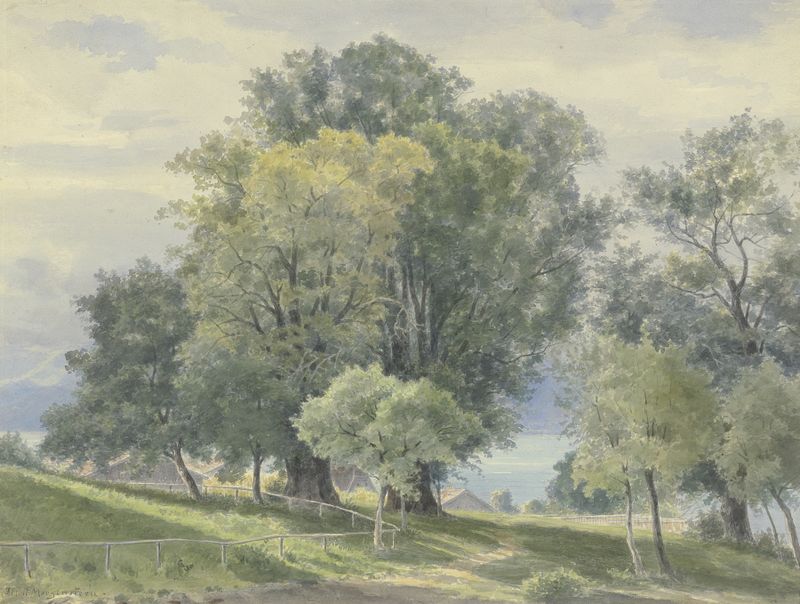
Frauenchiemsee
Friedrich Ernst Morgenstern
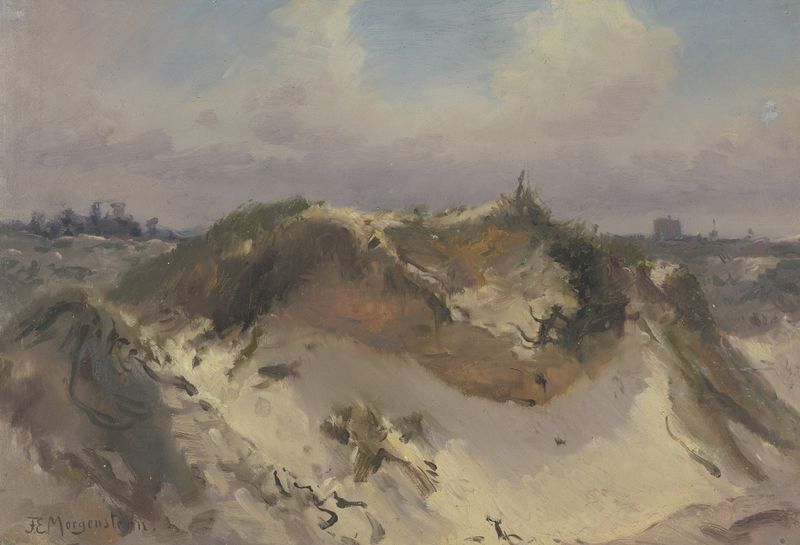
Dune near De Panne
Friedrich Ernst Morgenstern
At the port of Mainz
Friedrich Ernst Morgenstern





