
Frauenchiemsee — History & Facts
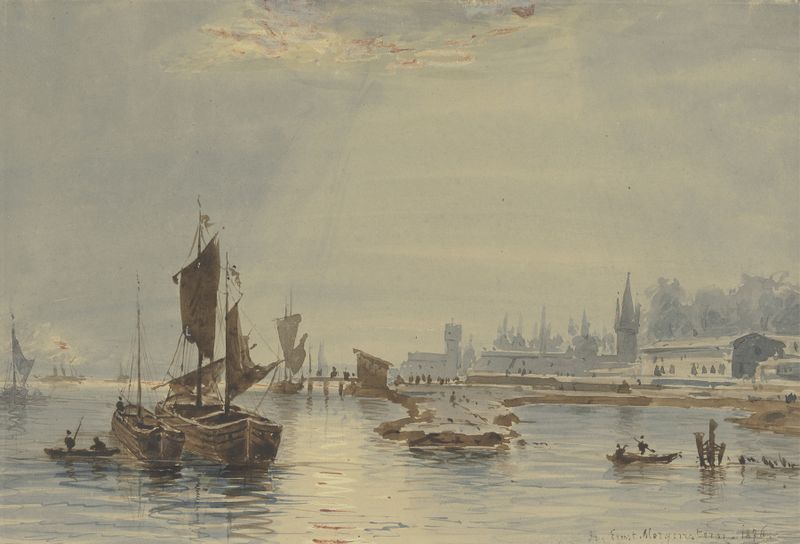
What if silence could speak through light? In Frauenchiemsee, the stillness of the lake whispers of a past unclaimed, echoing the tangible absence that lingers in the air. Focus first on the serene expanse of the water, a mirror reflecting a muted sky. The gentle blues and greens blend seamlessly to create a tranquil surface, inviting the viewer's gaze deeper into a world that feels both present and hauntingly distant. Notice how the soft brushstrokes evoke a delicate play of light, the sun's rays filtering through the clouds, casting an ethereal glow over the scene.
Each stroke pulls you into a moment suspended in time, inviting introspection. The emotional tension lies in the contrast between the peaceful landscape and the underlying sense of loss. While the beauty of nature is captivating, the absence of human figures or signs of life speaks to solitude and yearning. The lush foliage framing the horizon hints at vitality, yet it remains untouched by human interaction, leaving a palpable void.
This duality serves as a poignant reminder of transience, the fleeting nature of moments that once brimmed with life and now exist only in memory. Painted in 1876 during his time in Bavaria, Morgenstern was influenced by the Romantic ideals surrounding nature and emotion. The art world was shifting towards Impressionism, yet he held onto a more traditional style, reflecting the picturesque beauty of his surroundings. In this period, as industrialization emerged, the longing for a simpler, untainted connection to nature became even more pronounced, encapsulating the spirit of an era grappling with change.
More Artworks by Friedrich Ernst Morgenstern
Browse all →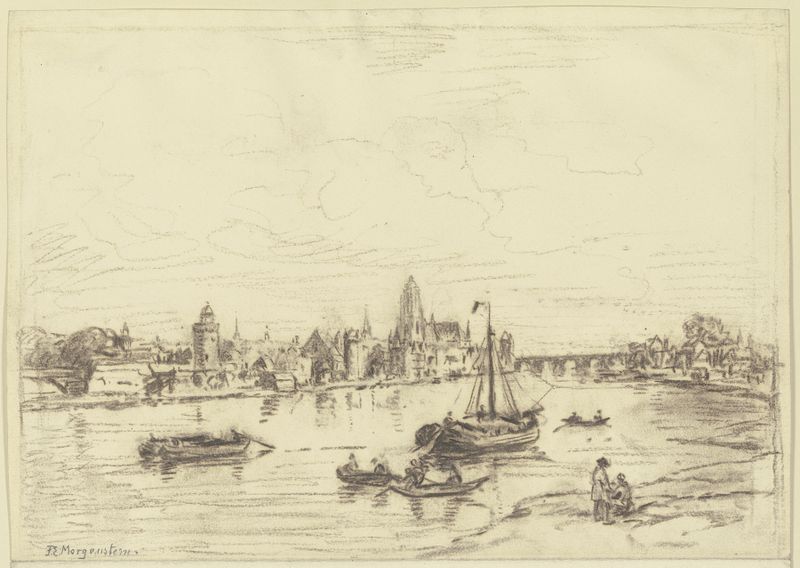
View of Frankfurt
Friedrich Ernst Morgenstern

On the Scheldt near Veere
Friedrich Ernst Morgenstern
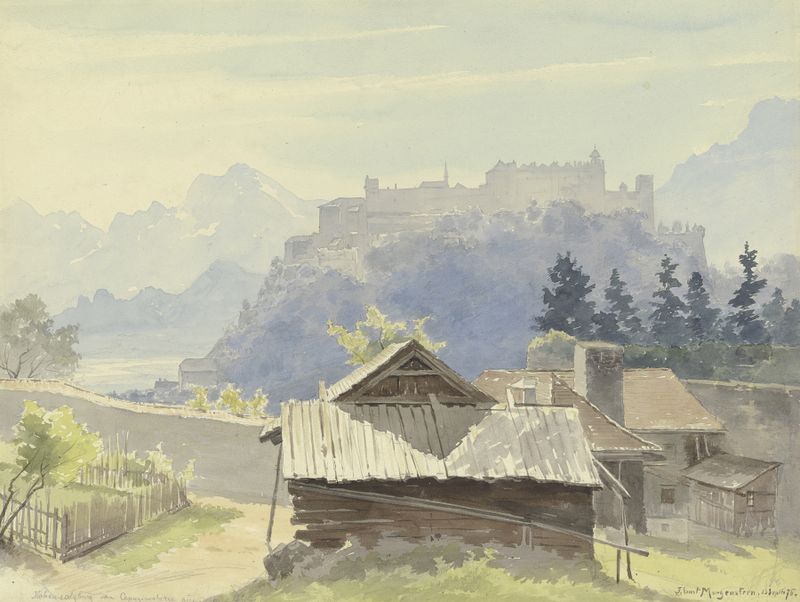
Hohensalzburg vom Kapuzinerberg aus gesehen
Friedrich Ernst Morgenstern
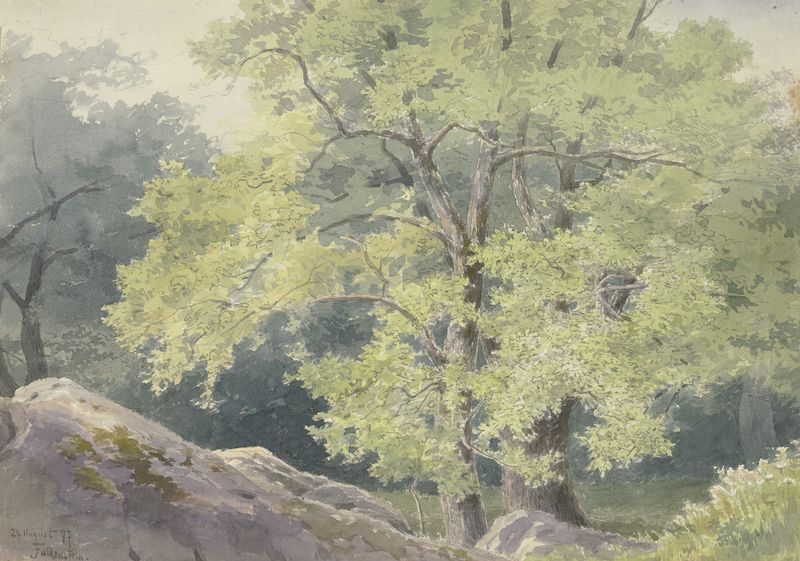
In the forest near Falkenstein
Friedrich Ernst Morgenstern
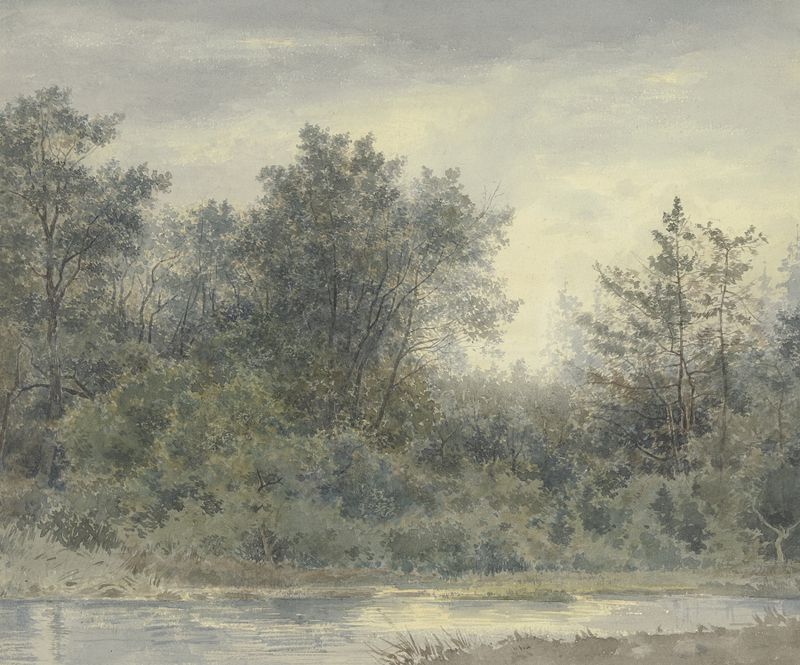
Wood by the water
Friedrich Ernst Morgenstern
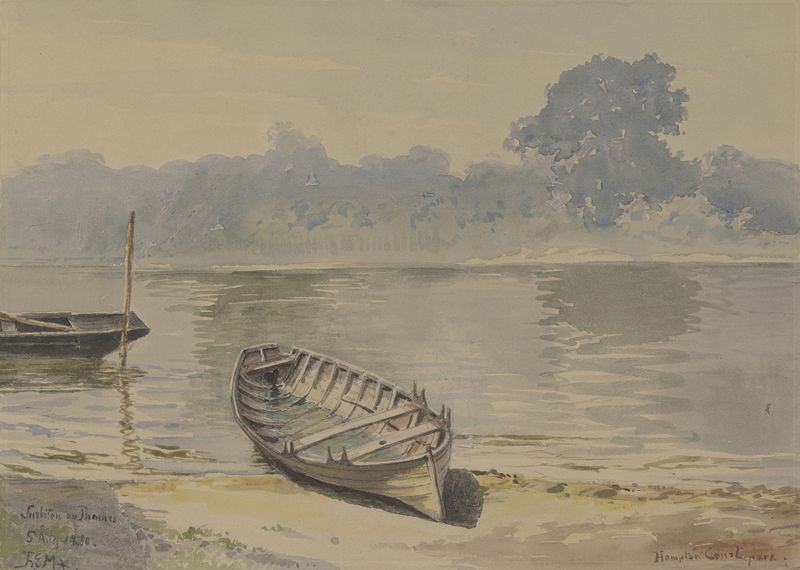
From Hampton Court Park
Friedrich Ernst Morgenstern
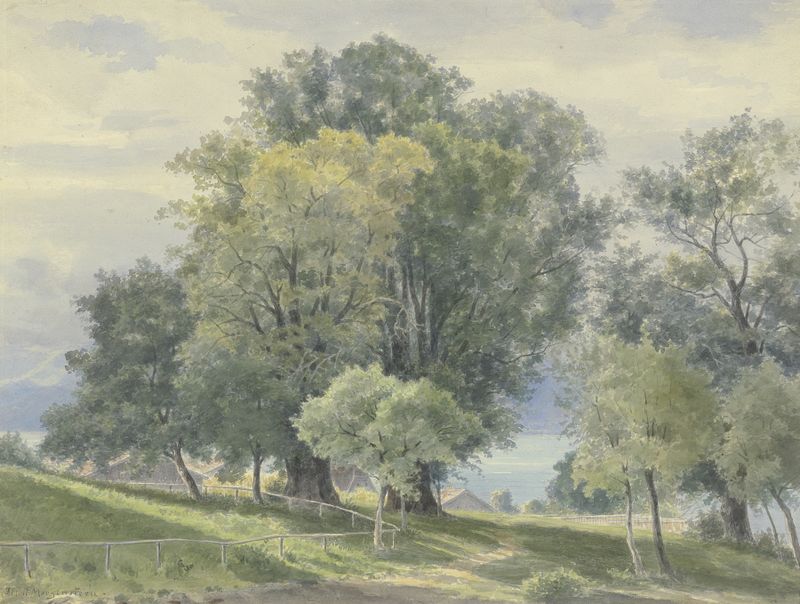
Frauenchiemsee
Friedrich Ernst Morgenstern
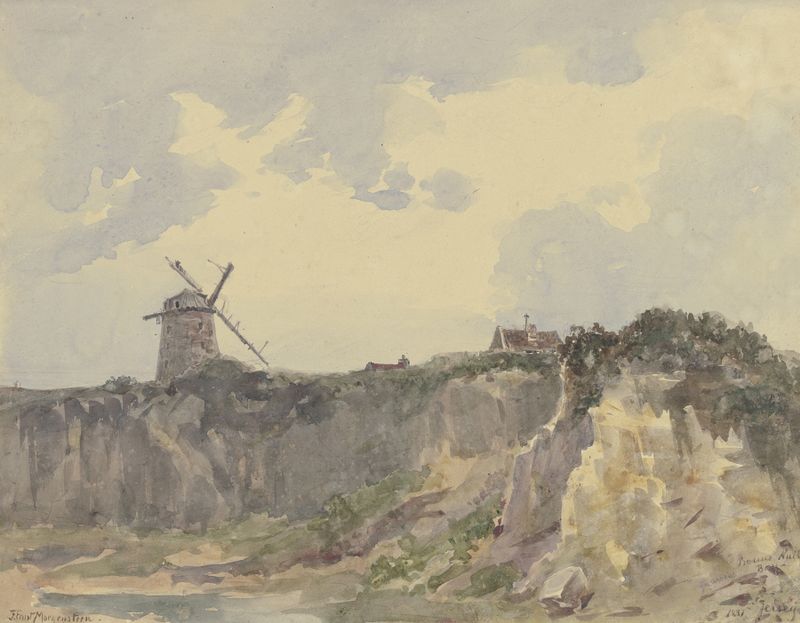
Küstenlandschaft der Bonne Nuit Bay
Friedrich Ernst Morgenstern
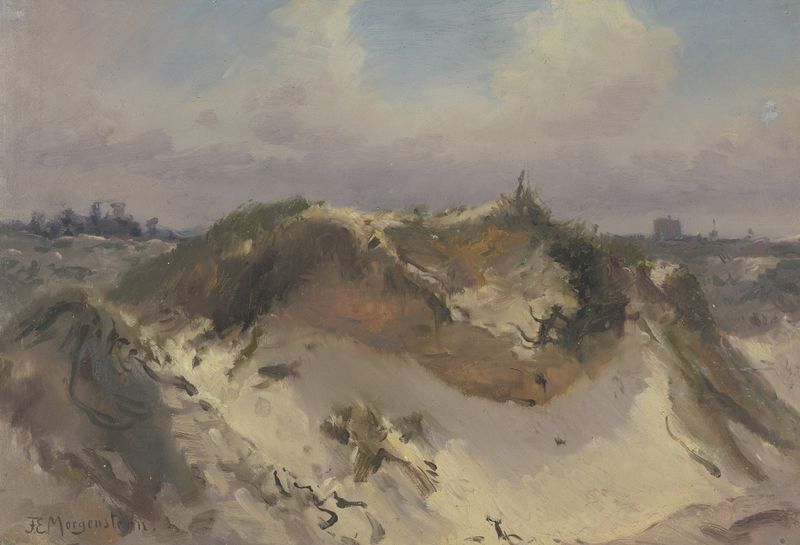
Dune near De Panne
Friedrich Ernst Morgenstern
At the port of Mainz
Friedrich Ernst Morgenstern





