
Břízy u cesty — History & Facts
Look closely at the delicate birch trees that line the winding path; their silvery trunks stand proudly against a backdrop of soft greens and deep browns. Notice how the sunlight filters through the foliage, casting a dappled light that dances on the ground, inviting the viewer into a serene moment. The brushstrokes are gentle yet deliberate, suggesting a harmony between nature and the artist’s vision, where every leaf and shadow has a purpose in this tranquil scene. The juxtaposition of the vibrant nature and the quiet path suggests a deeper journey—one that reflects the human experience.
The birches, often symbols of renewal and resilience, whisper stories of hope and faith. Each tree, with its distinctive bark, represents individuality within a collective; they stand together, yet uniquely distinct, much like the myriad paths we encounter in life. This subtle interplay between the natural world and our spiritual journeys fosters a sense of contemplation, urging the viewer to reflect on their own journey through faith. Alois Kirnig painted Břízy u cesty in 1900 during a time of significant change in the Czech lands, where national identity was beginning to assert itself against the backdrop of Austro-Hungarian rule.
Kirnig, immersed in the burgeoning Czech artistic movements, sought to capture the beauty of his homeland through the lens of a personal and collective narrative. This period inspired many artists to look inward and outward simultaneously, seeking both internal truth and cultural expression through their work.
More Artworks by Alois Kirnig
Browse all →
Meeresbrandung An Einer Felsigen Küstenlandschaft
Alois Kirnig
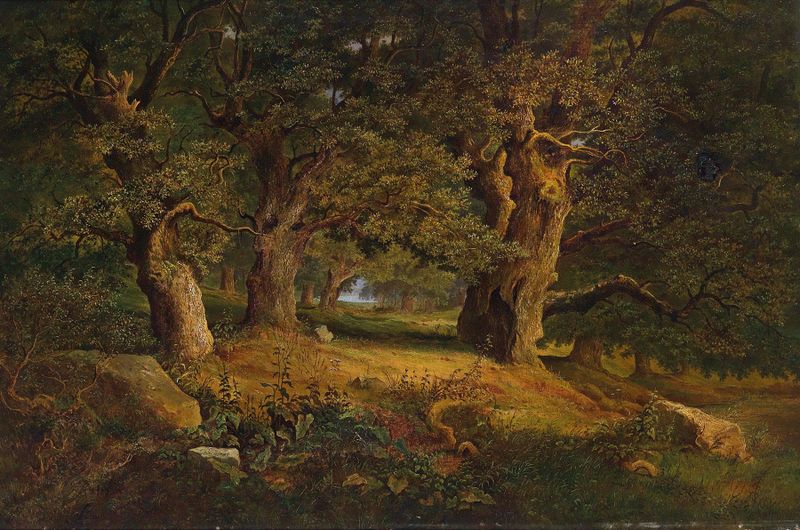
Waldlandschaft
Alois Kirnig
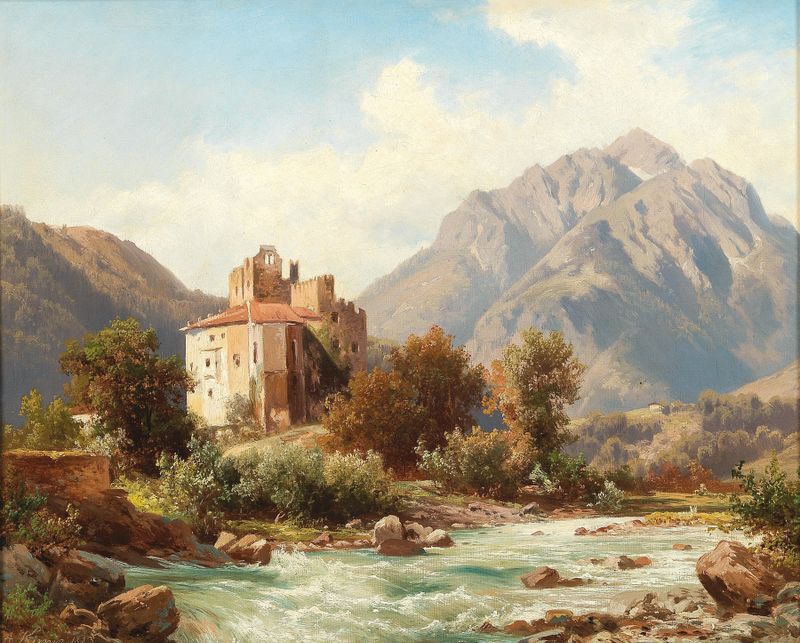
Forst Castle On The Adige Near Merano
Alois Kirnig
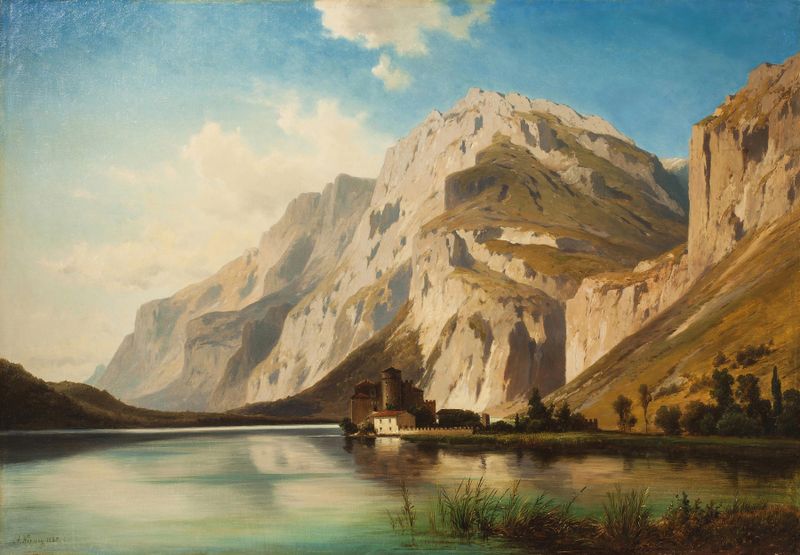
Hrad Toblino U Tridentu V Severní Itálii
Alois Kirnig
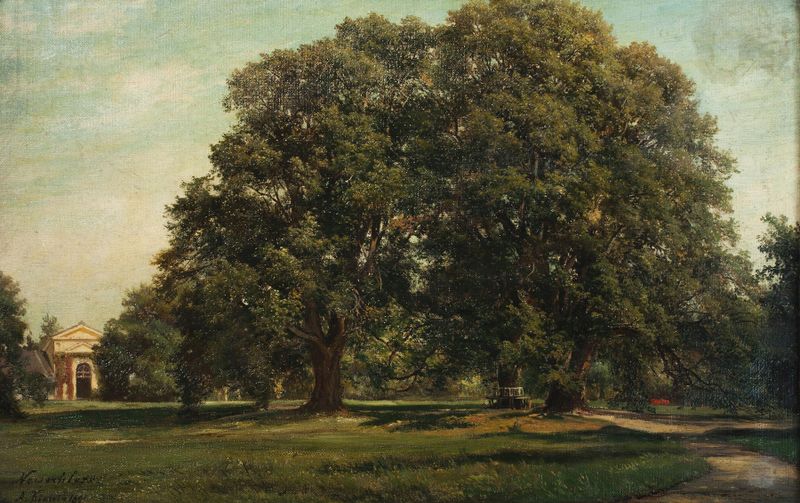
Zámecký park v Zahrádkáchs
Alois Kirnig
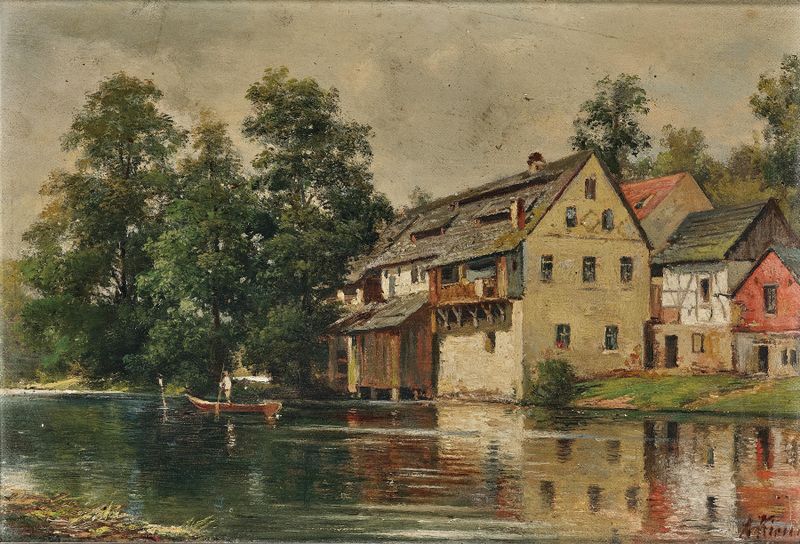
Mühlerl an der Eger
Alois Kirnig
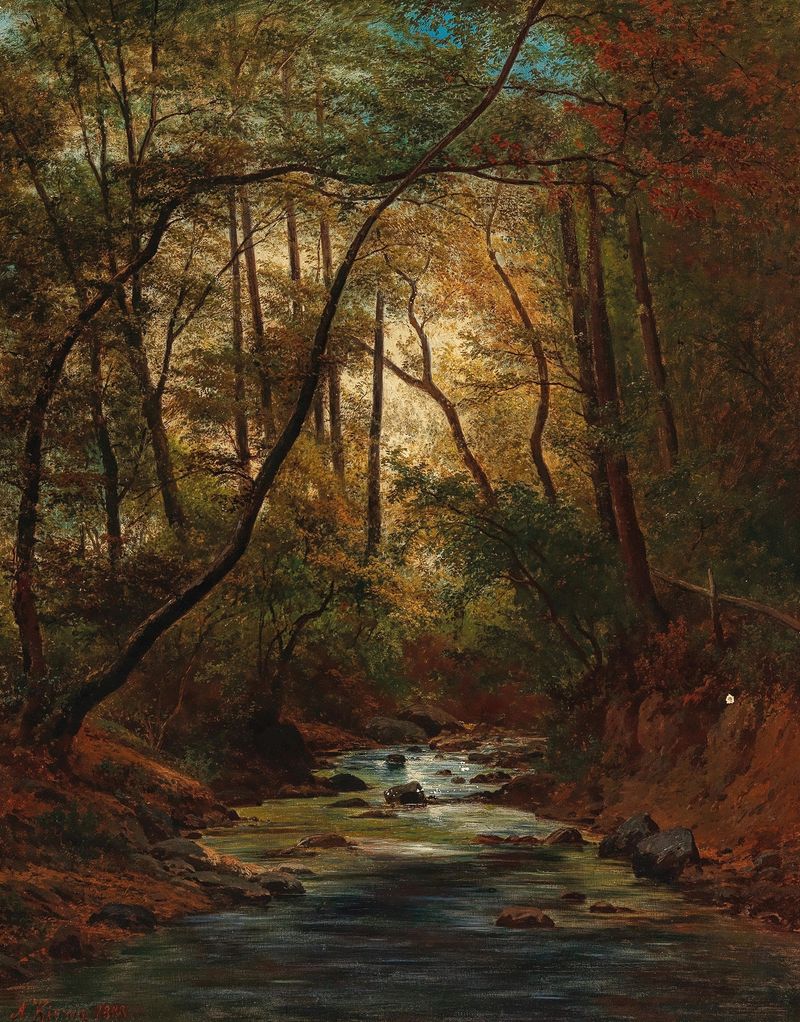
Partie aus Rothmans
Alois Kirnig

Rural Idyll, Mother Returning Home
Alois Kirnig





