
Cà Doro — History & Facts
The shimmering facade of the Cà Doro captures not just the eye but the heart, inviting us into a world where elegance and longing intertwine. The gleam of the golden architecture suggests a deeper narrative, one where ecstasy and sorrow coexist, each brushstroke immersed in emotion. Look to the center, where intricate details of the façade draw your gaze. Rich golds and soft creams interlace, creating a harmonious dance of light that reflects the opulence of Venetian life.
The painter’s meticulous attention to the interplay of shadow and light reveals a layered texture, enveloping the viewer in the warmth of the sun-kissed stones, while the delicate windows whisper stories of lives lived within. Yet, beneath this luxurious exterior lies a profound tension. The ornate decorations appear almost overwhelming, suggesting a façade hiding deeper truths. The juxtaposition of opulence with the somber shades in the corners hints at the fragility of beauty and the inevitable passage of time.
Each decorative element serves not only as ornamentation but as a reminder of the ephemeral nature of ecstasy — a fleeting moment captured in stillness. Otto Henry Bacher painted Cà Doro during a pivotal period in the late 1800s to early 1900s, a time when the art world was shifting towards impressionism and beyond. Living in Venice, he was deeply influenced by the city's unique architecture and atmospheric light, striving to capture its essence in his work. This painting reflects both his personal journey and the broader artistic currents of the time, as he navigated the delicate balance between realism and the enchanting allure of color and form.
More Artworks by Otto Henry Bacher
Browse all →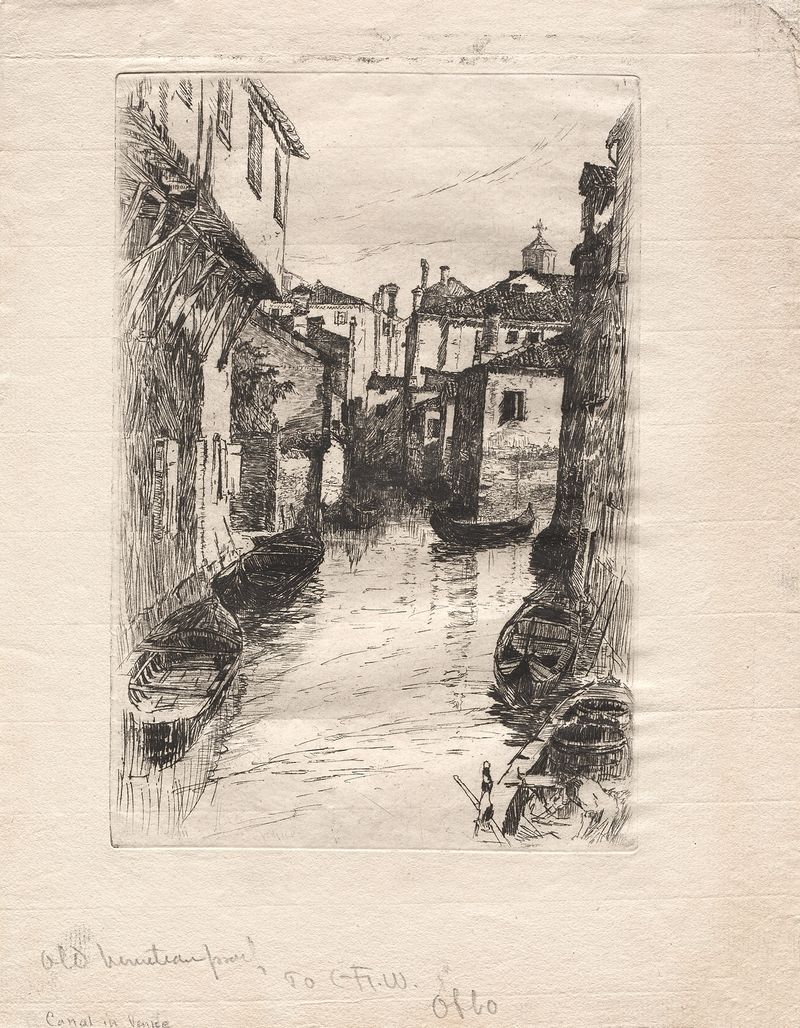
Canal in Venice
Otto Henry Bacher
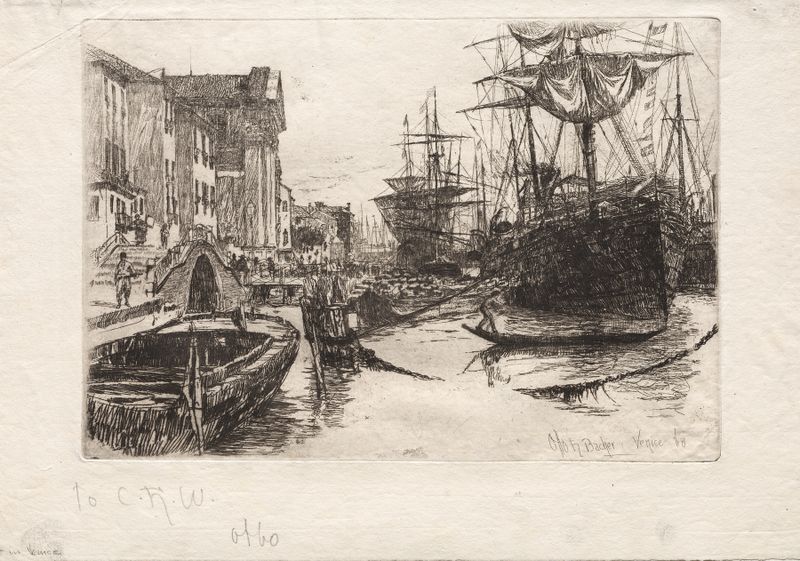
View in Venice
Otto Henry Bacher
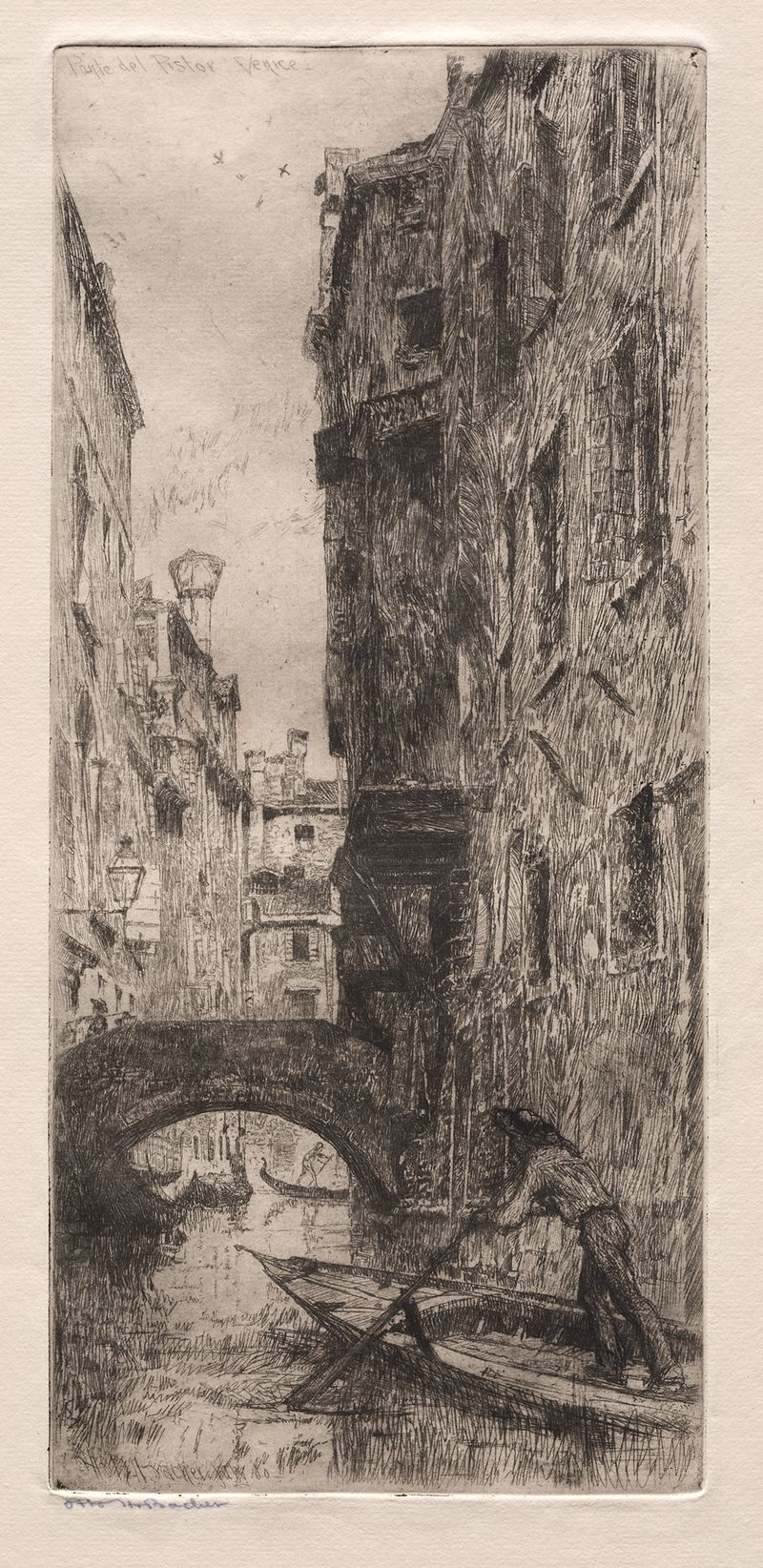
Ponte del Pistor, Venice
Otto Henry Bacher
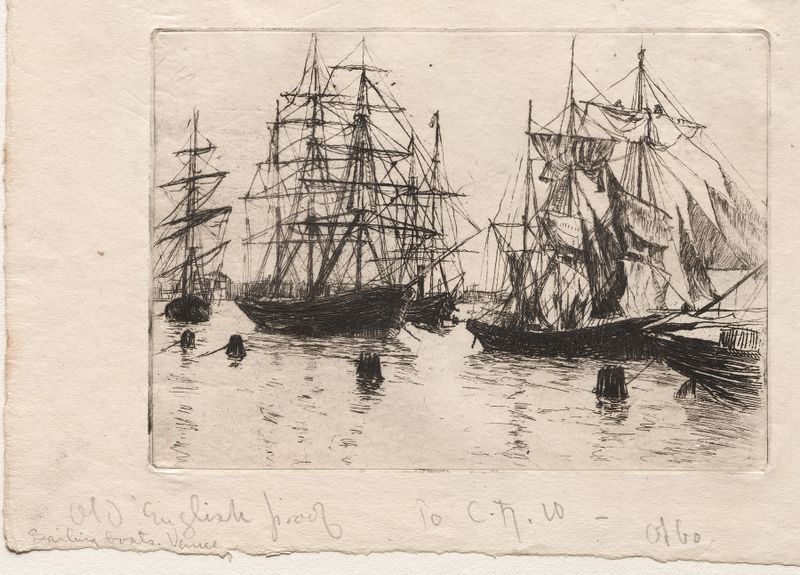
Sailing Boats, Venice
Otto Henry Bacher
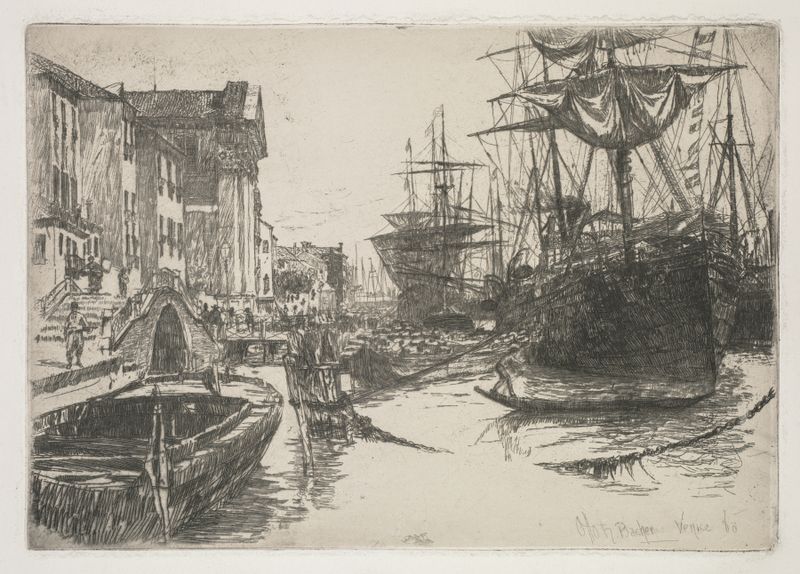
Fondamenta della Zattere
Otto Henry Bacher
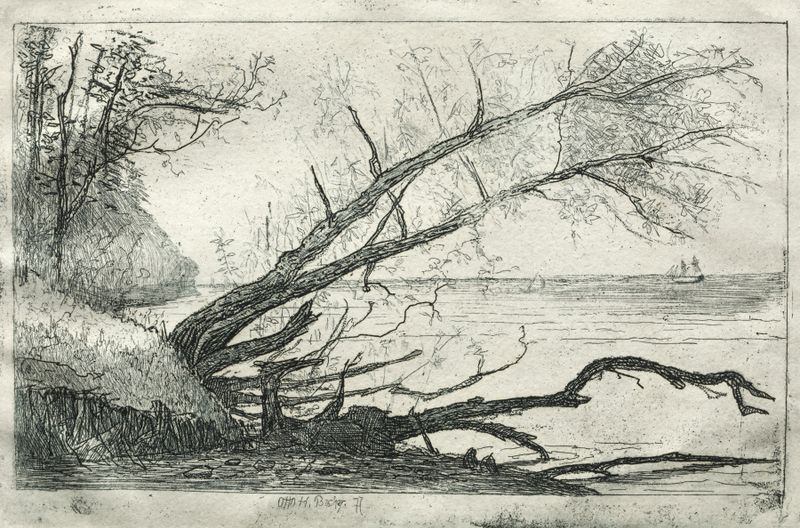
Old Sycamore
Otto Henry Bacher
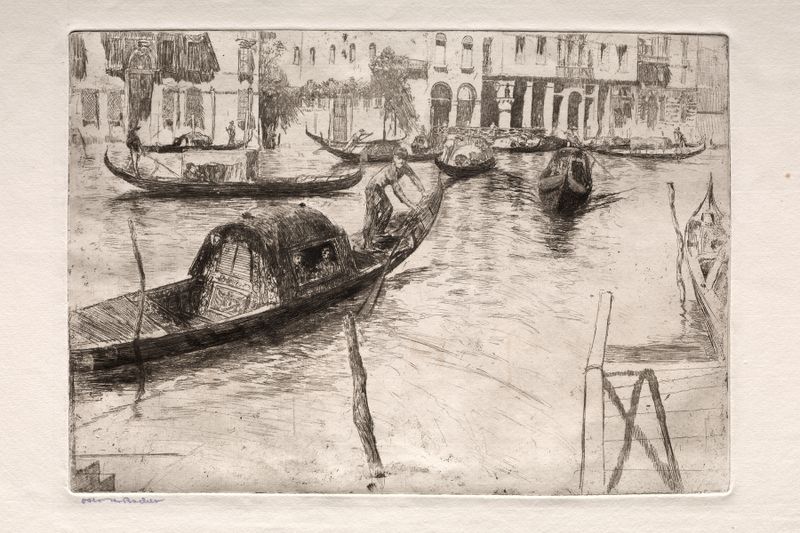
Traghetto San Felice
Otto Henry Bacher
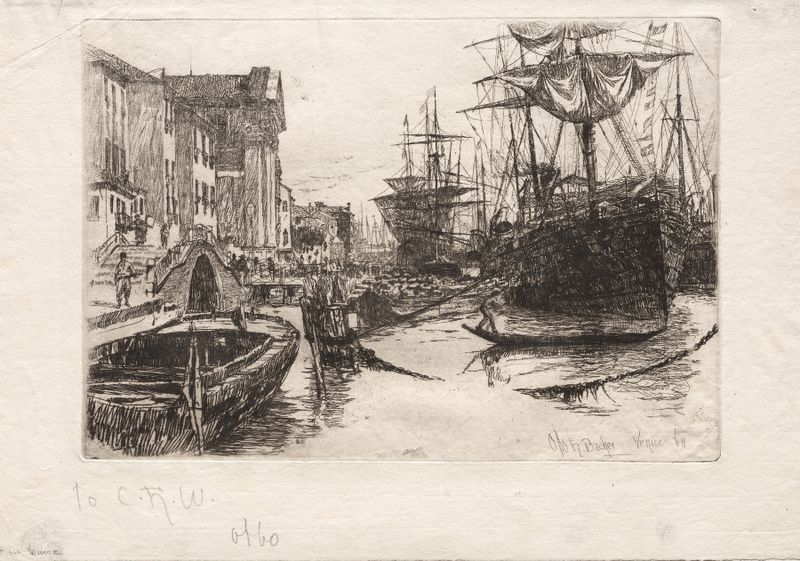
View in Venice
Otto Henry Bacher
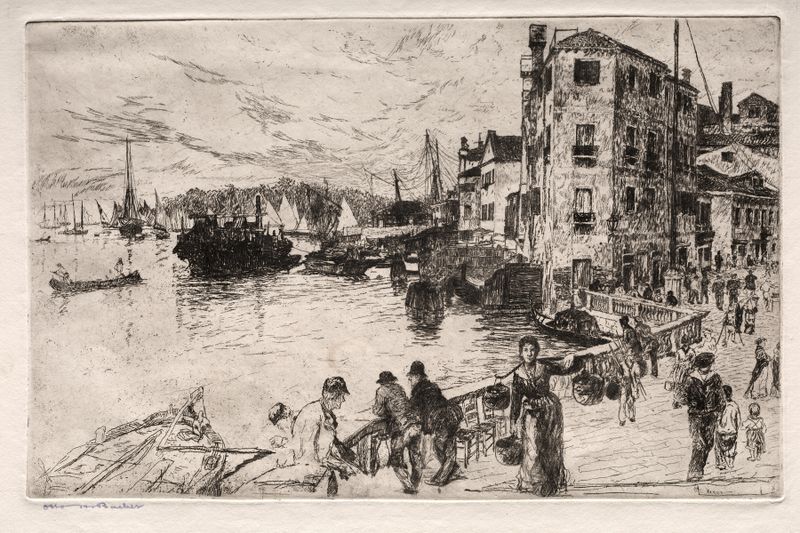
Castello Quarters, Riva
Otto Henry Bacher
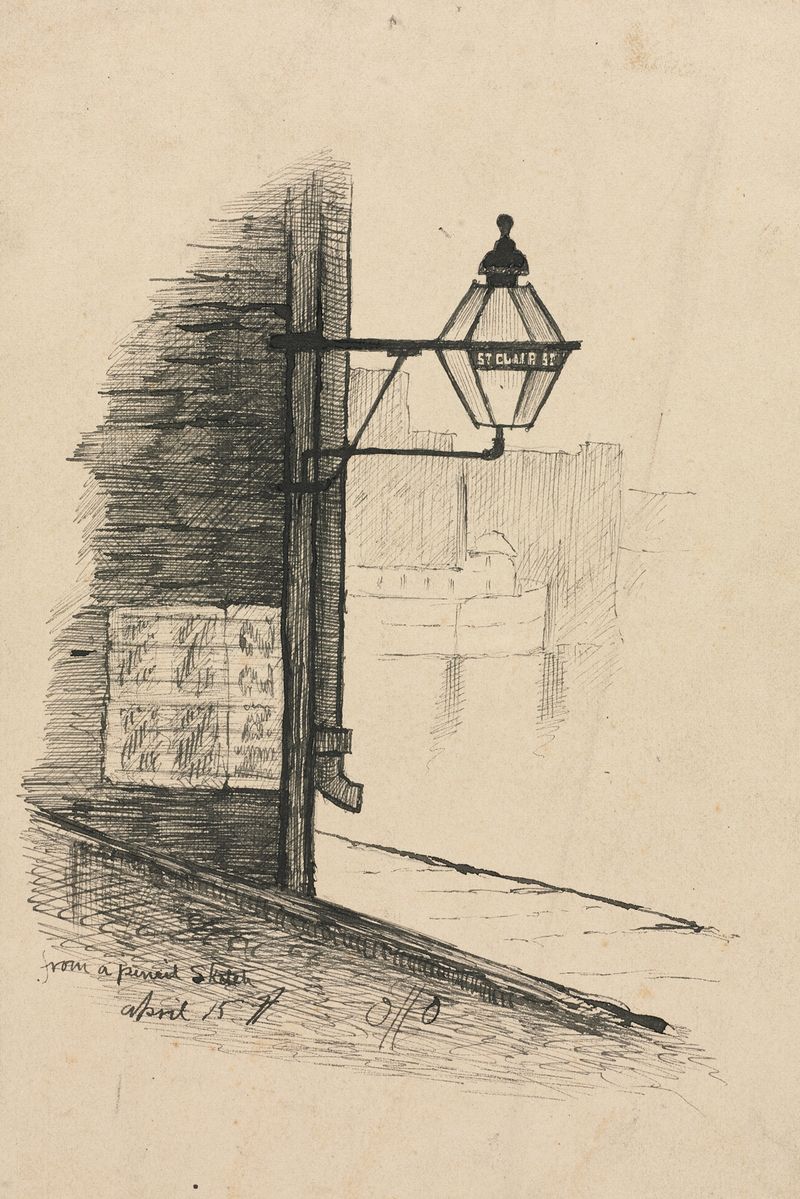
St. Clair Street, Cleveland
Otto Henry Bacher
More Architecture Art
Browse all →
The statue of Liberty
Frédéric Auguste Bartholdi

View of Houses in Delft, Known as ‘The Little Street’
Johannes Vermeer

View of Houses in Delft, Known as ‘The Little Street’
Johannes Vermeer

The Cathedral in Rouen. The portal, Grey Weather
Claude Monet

The yellow house
Vincent van Gogh

The Church in Auvers-sur-Oise, View from the Chevet
Vincent van Gogh