Cadogan Place, Belgravia, London — History & Facts
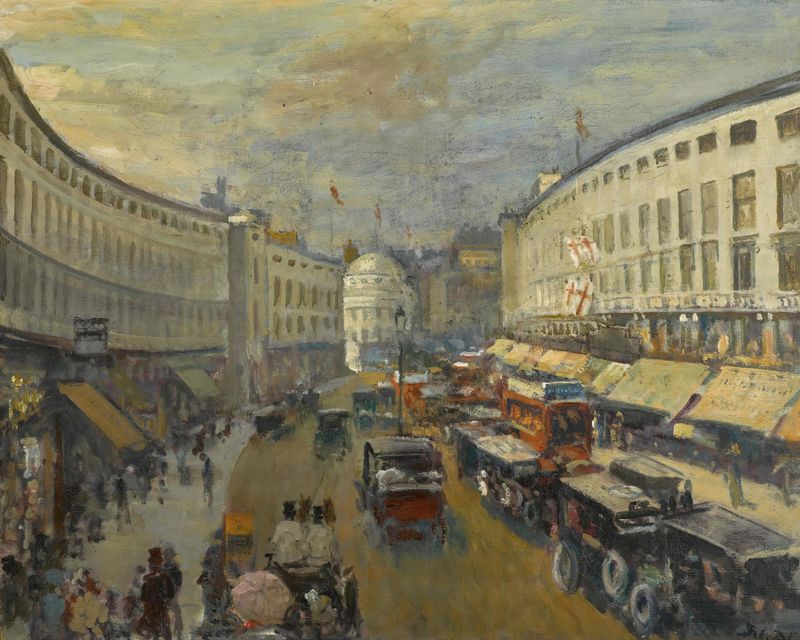
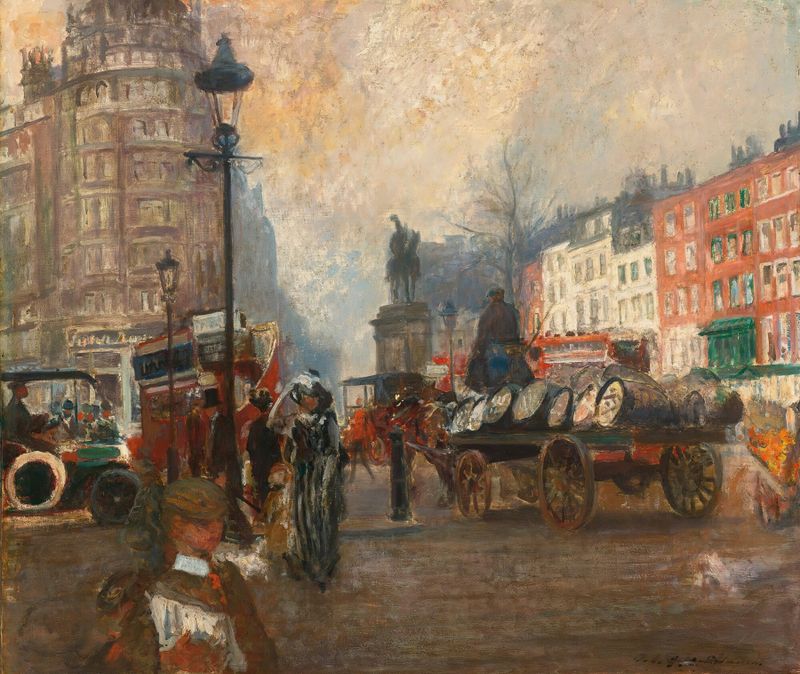
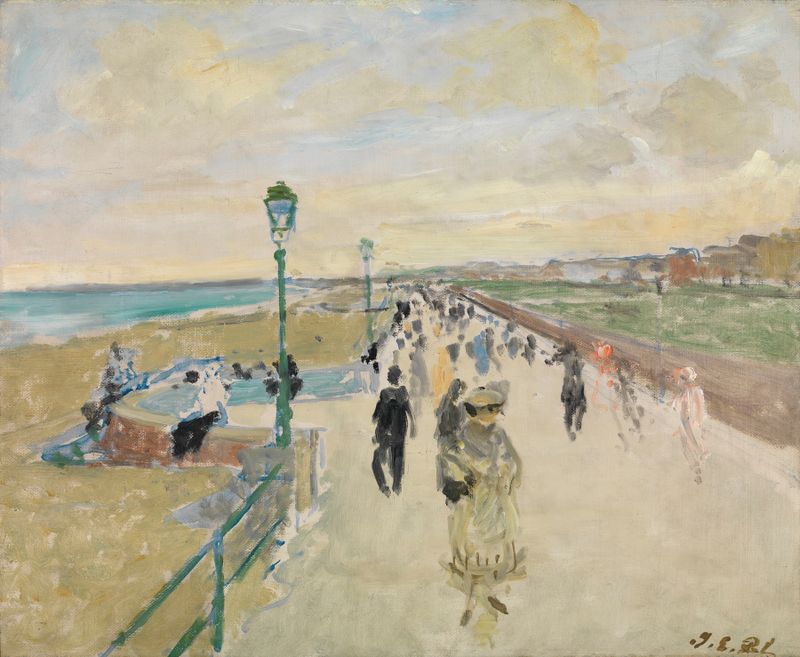
Can beauty exist without sorrow? In Cadogan Place, Belgravia, London, this question lingers like the soft glow of twilight, hinting at layers beneath the surface. Look to the left at the elegant row of houses, their soft, muted colors blending harmoniously with the dappled light filtering through the overhanging trees. The composition draws the eye down the winding path, suggesting a journey that is both physical and emotional. Notice how the delicate brushstrokes create a sense of movement, as if the gentle breeze whispers secrets of the past.
The interplay of light and shadow enhances the tranquil ambiance, inviting viewers to pause and reflect. Yet, beneath this serene facade lies a poignant tension. The solitary figure walking along the path, seemingly lost in thought, symbolizes the weight of unspoken stories and unfulfilled dreams. The lush greenery surrounding the scene contrasts sharply with the loneliness embodied in that small presence, perhaps serving as a reminder that beauty often coexists with melancholy.
Each detail, from the intricate architecture to the scattered leaves, speaks to a deeper narrative about the fragility of happiness. In 1905, during a period marked by artistic exploration and social change, the artist found a moment of stillness amidst the chaos. Living in Paris, Jacques-Émile Blanche was immersed in a vibrant art scene, yet he chose to focus on intimate landscapes that captured the subtleties of human experience. This work reflects his keen observation and emotional depth, encapsulating a world that is as beautiful as it is complex.