Calabazas, after Velazquez — History & Facts
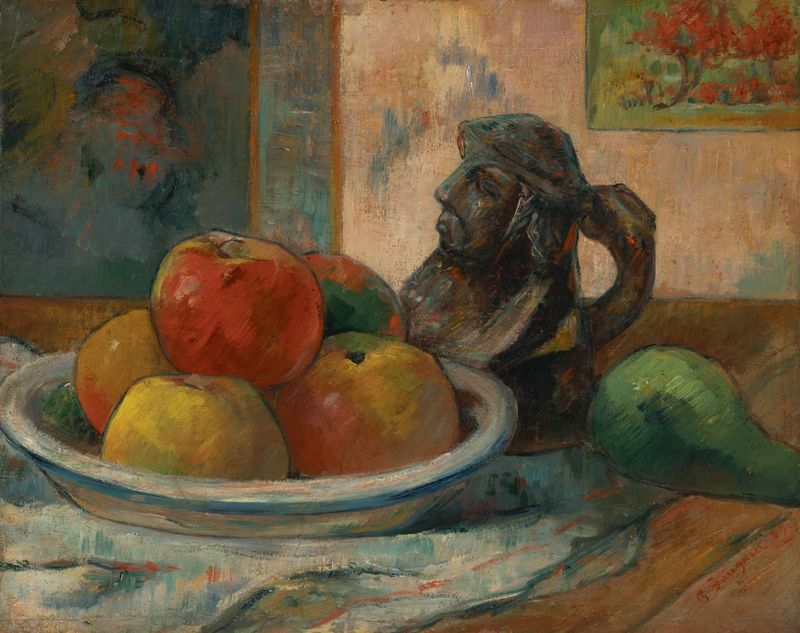
Who listens when art speaks of silence? In the stillness of Calabazas, after Velazquez, a profound conversation unfolds—a dialogue between the viewer and the unassuming subject of the painting, inviting introspection amidst vibrant still life. Look to the center of the canvas, where the golden hues of the pumpkins draw your eye. The artist’s brushwork lovingly captures their texture, each curve and shadow meticulously rendered to evoke a sense of touch. Notice how the light cascades across their surfaces, creating a warm glow that dances with subtle contrasts, while the darkened background provides a striking backdrop that enhances their presence.
The arrangement is both casual and deliberate, a testament to the careful consideration of composition. The emotional tension lies in the juxtaposition of abundance and solitude. The gourds, though bountiful, rest in isolation—a reflection on the quiet moments of life often overlooked. This stillness resonates with the viewer, encouraging contemplation of the interplay between nature and the human experience.
Each pumpkin is a silent witness, imbued with the weight of unspoken stories, inviting us to ponder our relationships with both art and the world around us. Denman Waldo Ross painted Calabazas in the late 19th to early 20th century, a transformative period in American art. During this time, he was deeply influenced by the European masters, like Velazquez, as he sought to blend realism with a modern American sensibility. His work emerged amidst a flourishing of artistic experimentation, contributing to the evolution of still life in American painting.
More Artworks by Denman Waldo Ross
Browse all →
Portrait of a Seated Young Man
Denman Waldo Ross
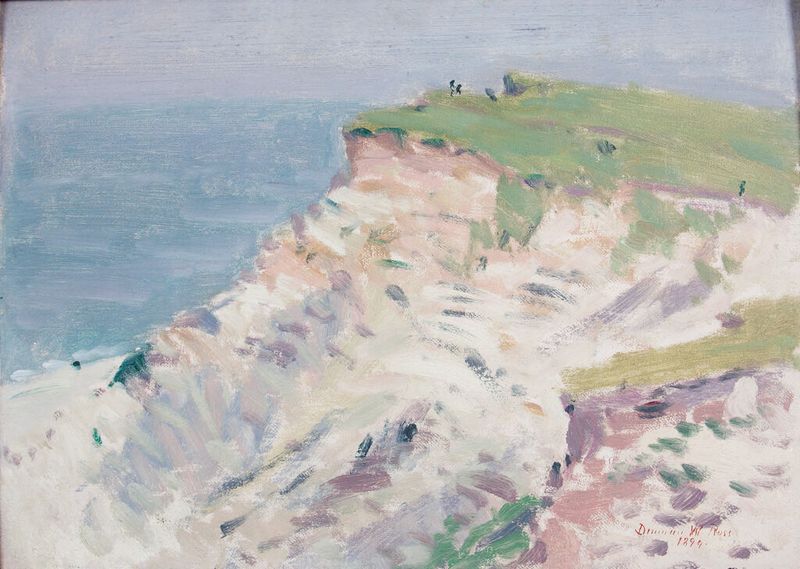
Highland Light, North Truro, Massachusetts
Denman Waldo Ross
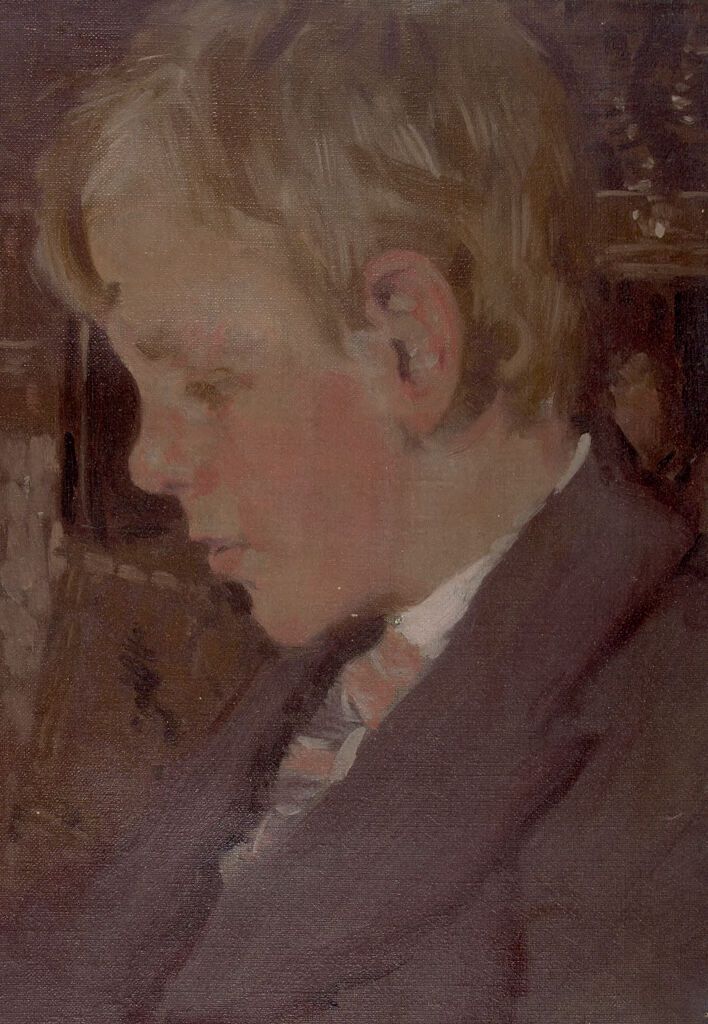
Profile Portrait of a Boy in Suit and Tie
Denman Waldo Ross
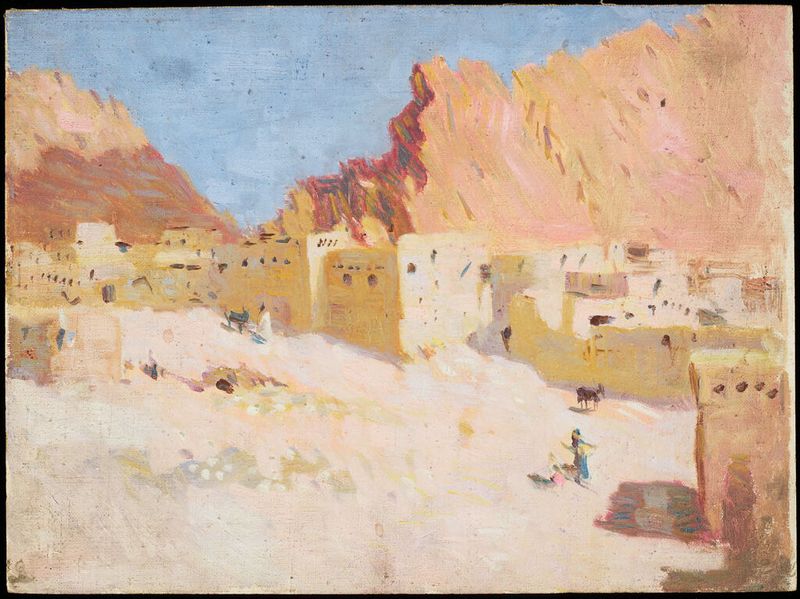
El Kantara, Near Biskra, Algeria
Denman Waldo Ross
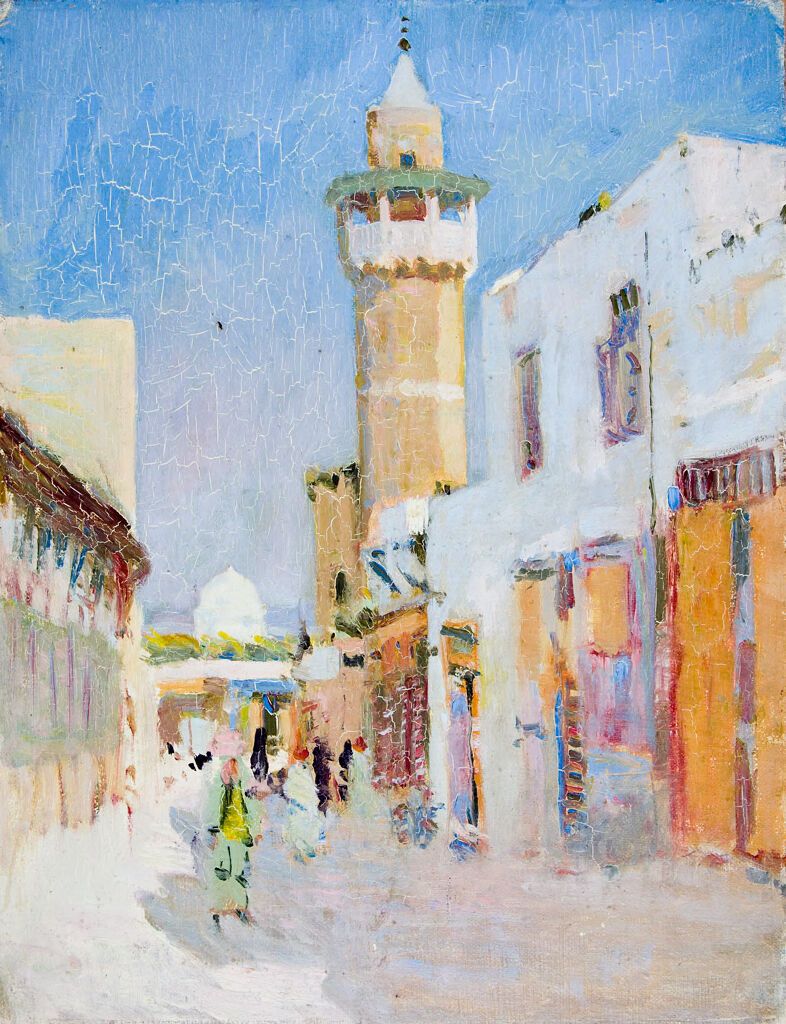
Tunis Street Scene
Denman Waldo Ross
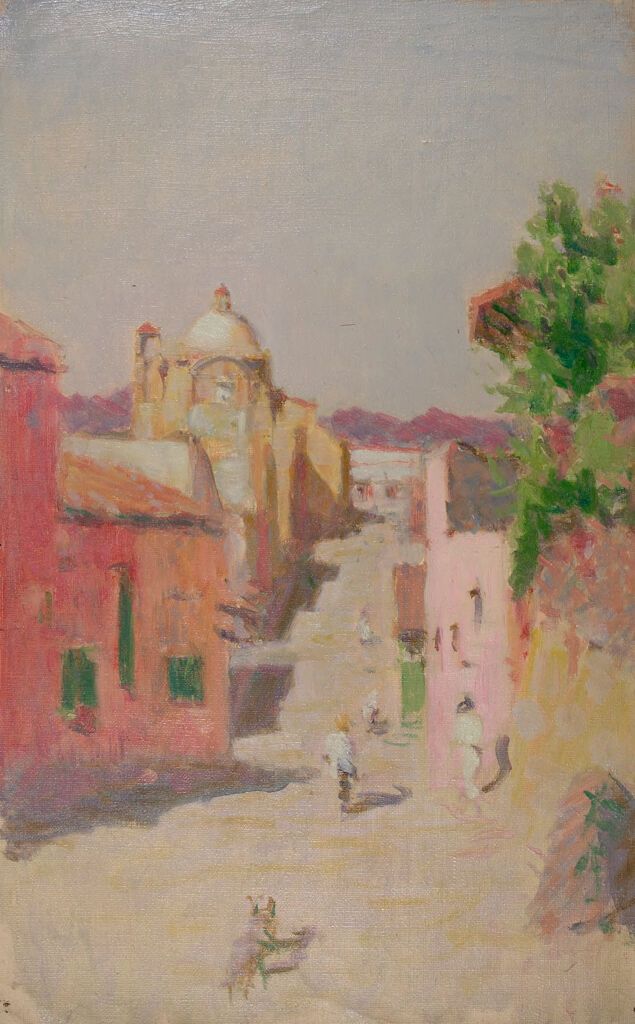
Street Scene with Animal and Figures
Denman Waldo Ross
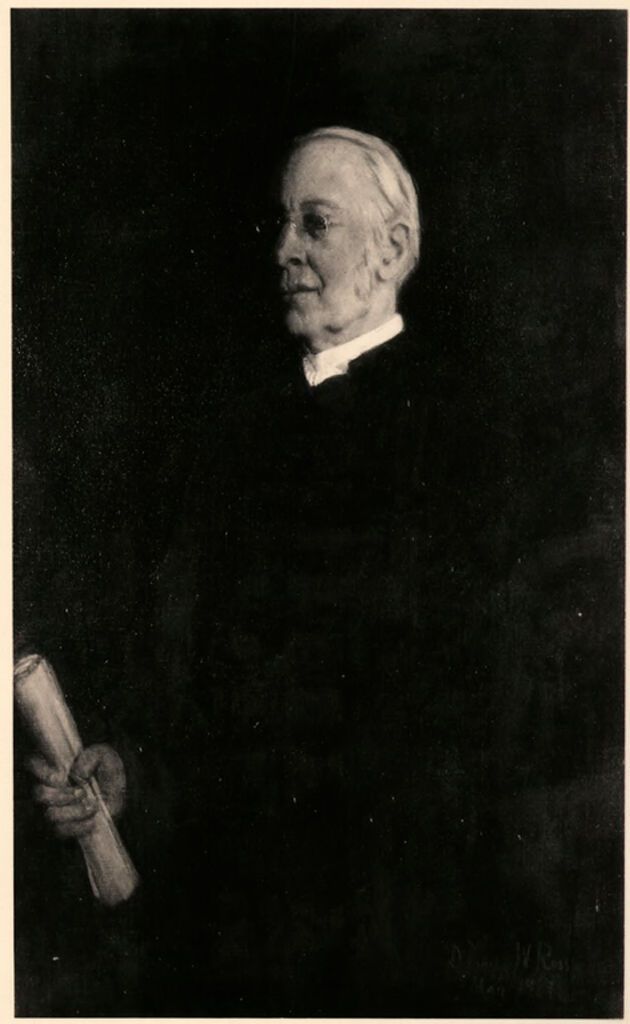
Charles William Eliot (1834-1926)
Denman Waldo Ross
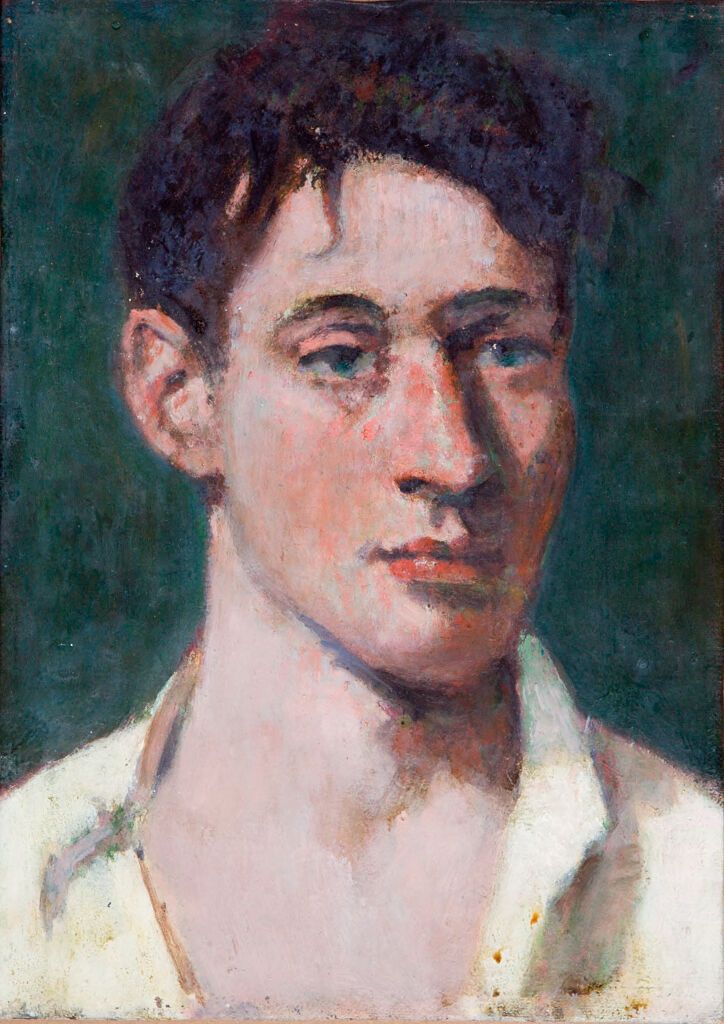
Portrait of a Young Man in White Shirt
Denman Waldo Ross
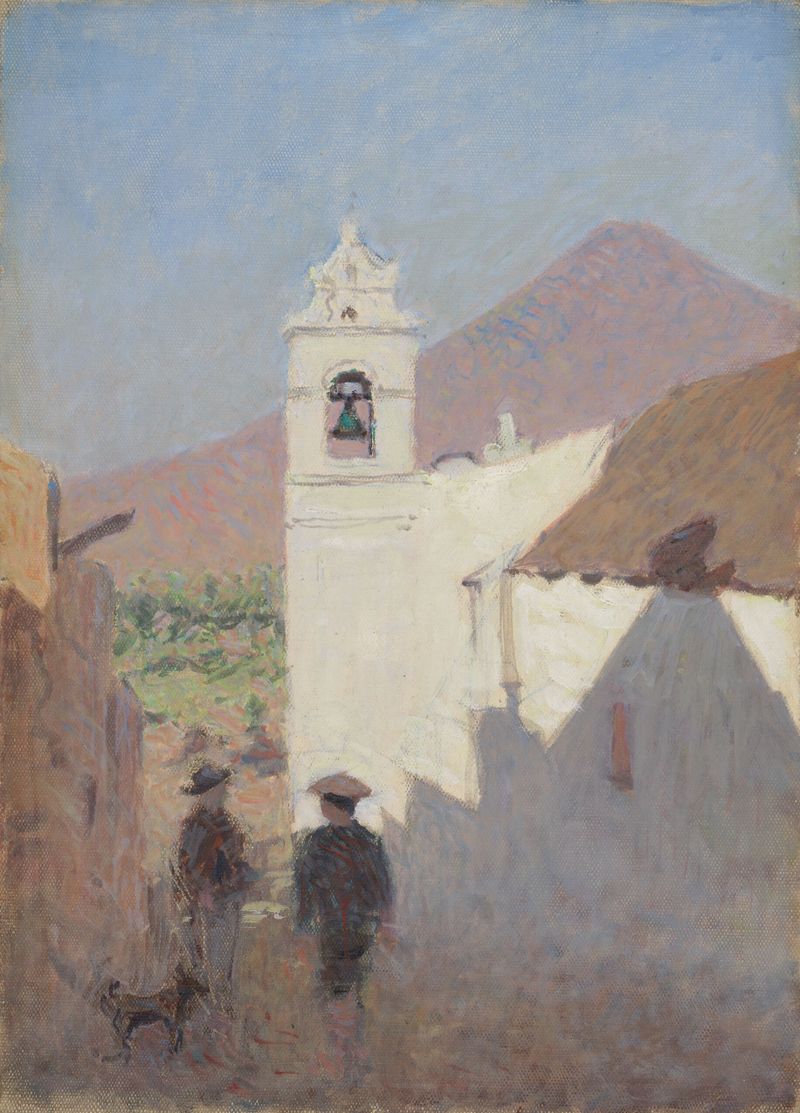
Village Near Arequipa, Peru
Denman Waldo Ross

York Harbor, Maine
Denman Waldo Ross