
Calcutta — History & Facts
What if silence could speak through light? In the stillness of Calcutta, a subtle void beckons—a quiet yearning that lingers in the spaces between color and form. Look to the left where the shadows dance delicately across the canvas, hinting at the presence of life just out of reach. Notice how the warm ochres and deep blues converse, creating a tapestry that evokes a sense of longing and introspection. The brushwork is both loose and deliberate, guiding the eye through a landscape that feels familiar yet hauntingly distant.
The light, muted and diffused, casts an ethereal glow, suggesting the weight of unsaid words and unfulfilled dreams. Delve deeper into the emotional undercurrents of the piece. The use of negative space conveys a profound sense of absence; it reverberates like a whispered secret. The juxtaposition of lighter hues against the darker background reveals a tension between hope and despair, where aspirations seem to float in a liminal space, stranded between what is and what could be.
Each stroke holds a narrative, woven together in a tapestry of collective human experience. During an unspecified period of his career, Samuel Davis created Calcutta, likely influenced by his exploration of urban landscapes and human existence. At this time, he was navigating the evolving art scene, where the tension between abstraction and representation was palpable. The world around him was transforming, fueling his desire to capture not just a place, but the very essence of emotional resonance found within it.
More Artworks by Samuel Davis
Browse all →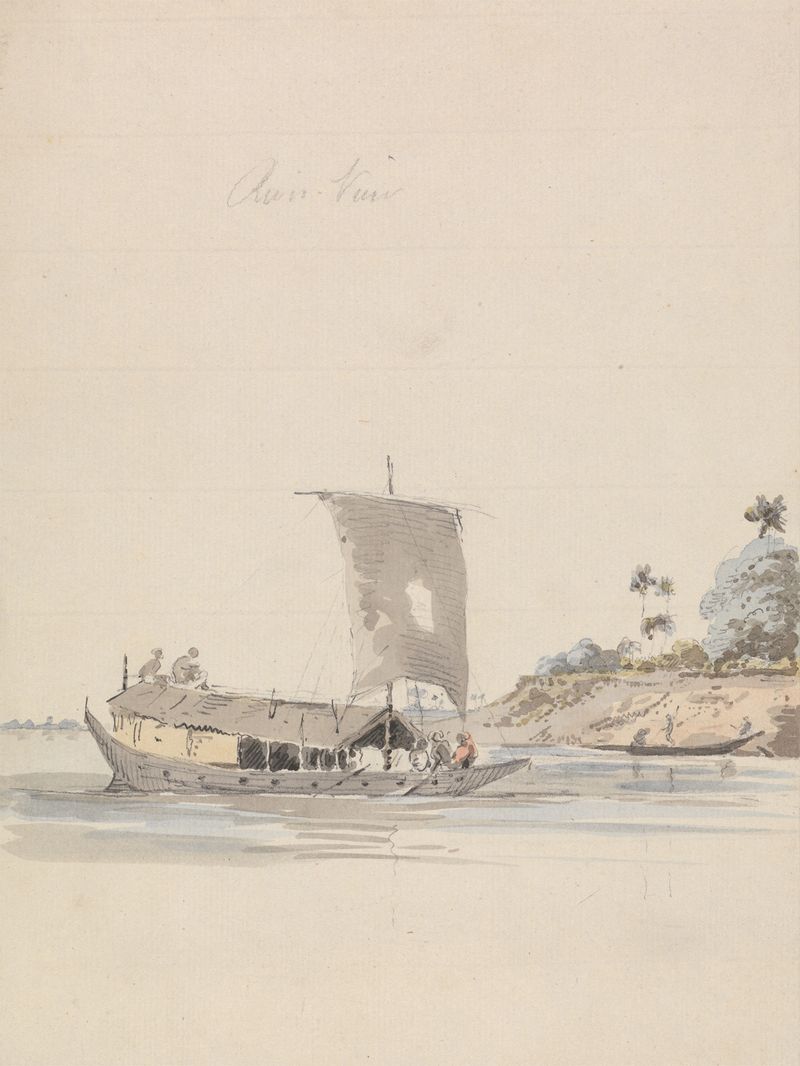
River View with a Junk (near Rajmahal)
Samuel Davis
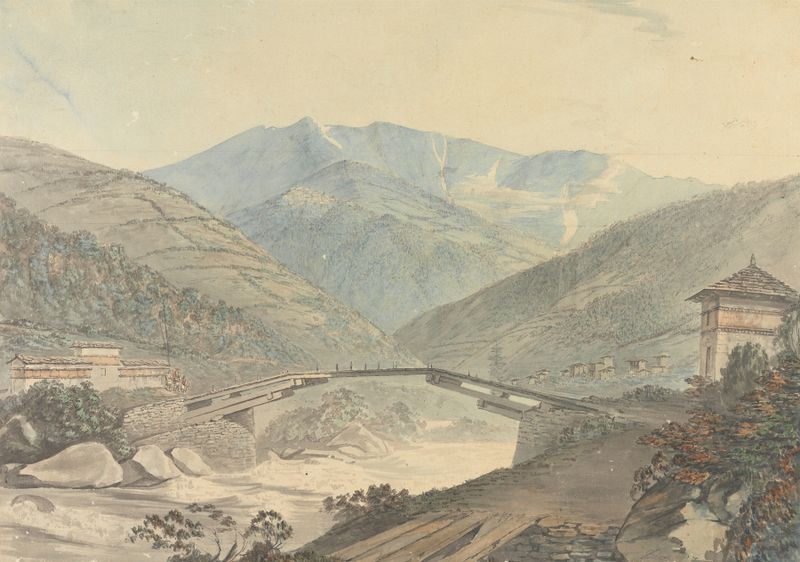
View near Tassisudon [Tashicho Dzong] in Bhutan
Samuel Davis
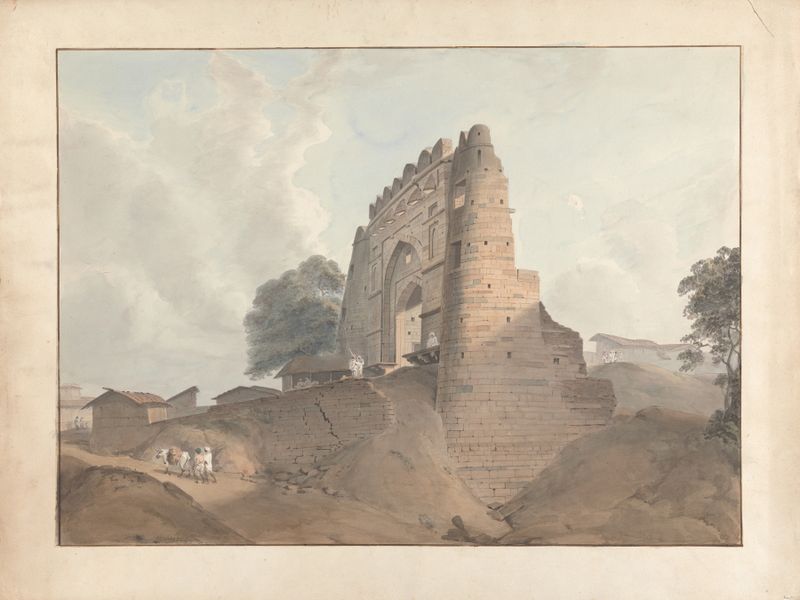
Gate of the Old Fort at Old Benares
Samuel Davis
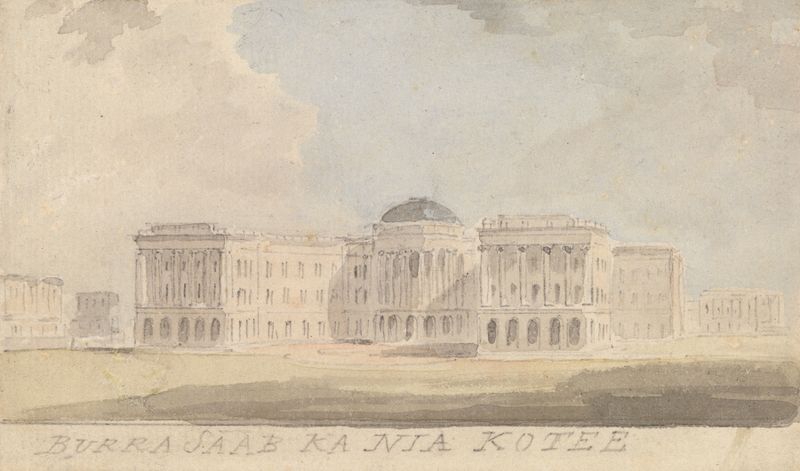
New Government House at Calcutta
Samuel Davis
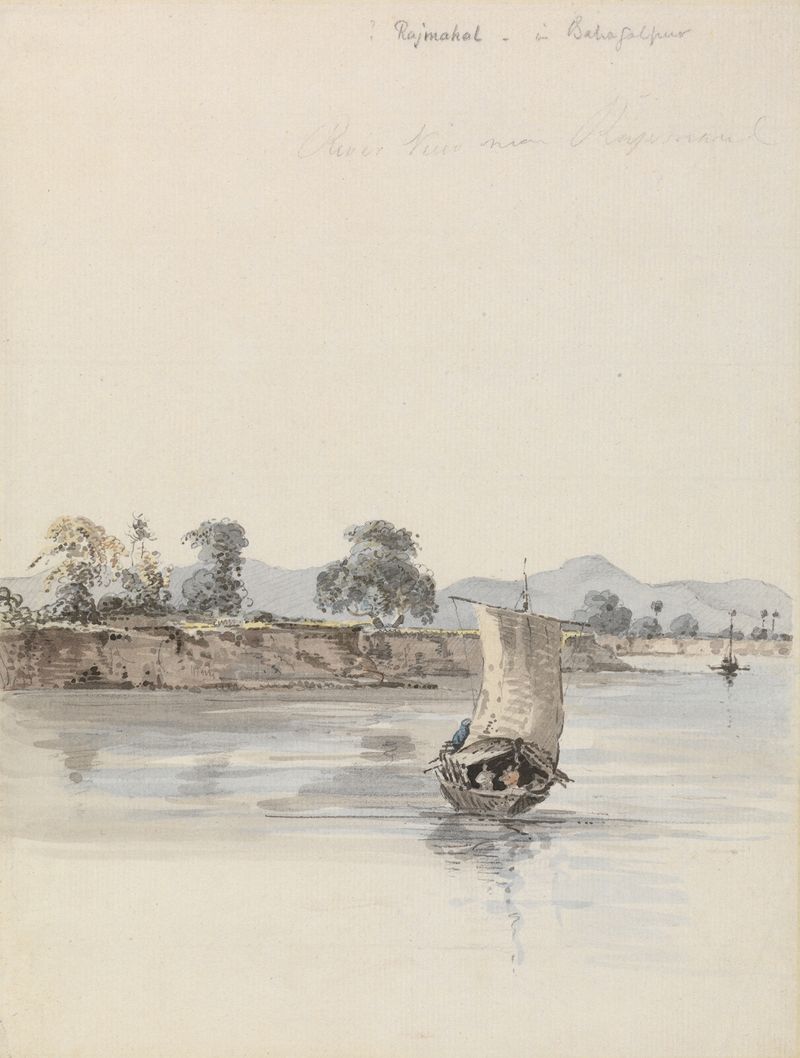
River View near Rajmahal
Samuel Davis
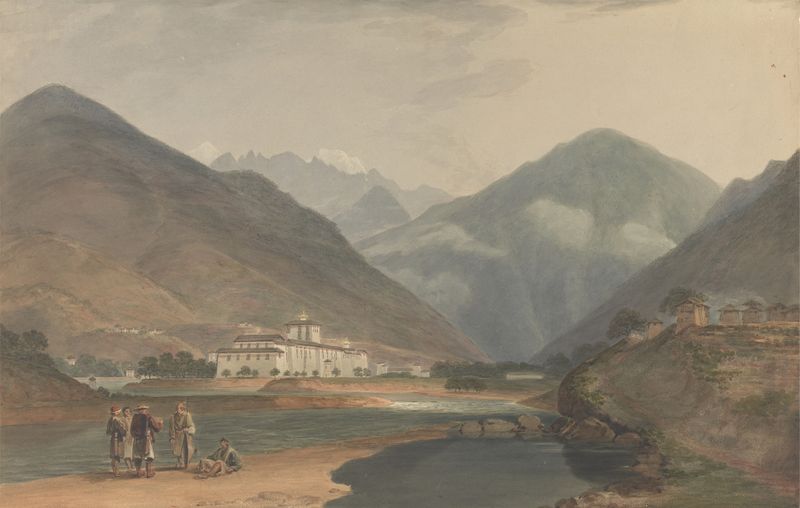
The Former Winter Capital of Bhutan at Punakha Dzong
Samuel Davis
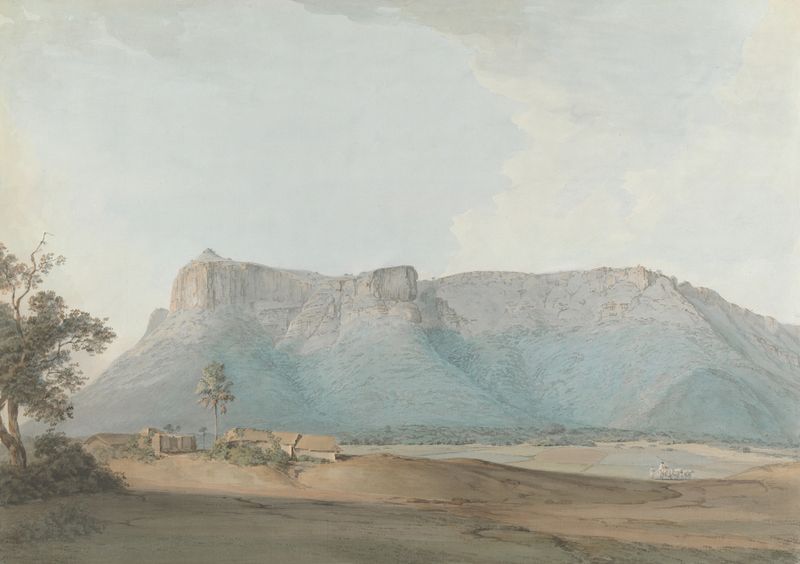
Rhotas from Akberpore
Samuel Davis
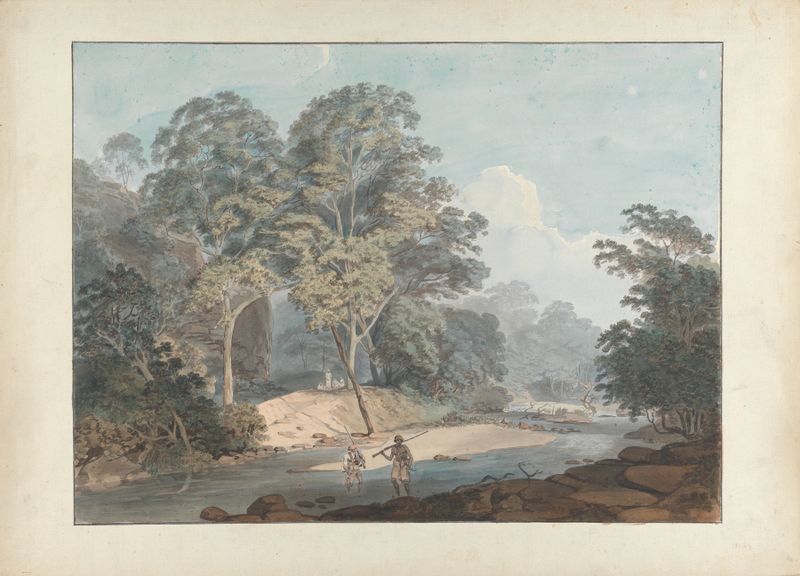
Rocky River Scene with Sepoys
Samuel Davis
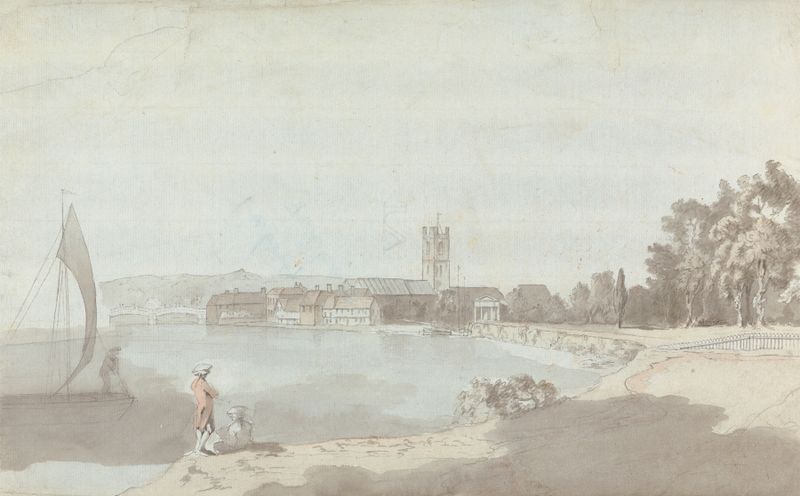
West Country Town by a River
Samuel Davis
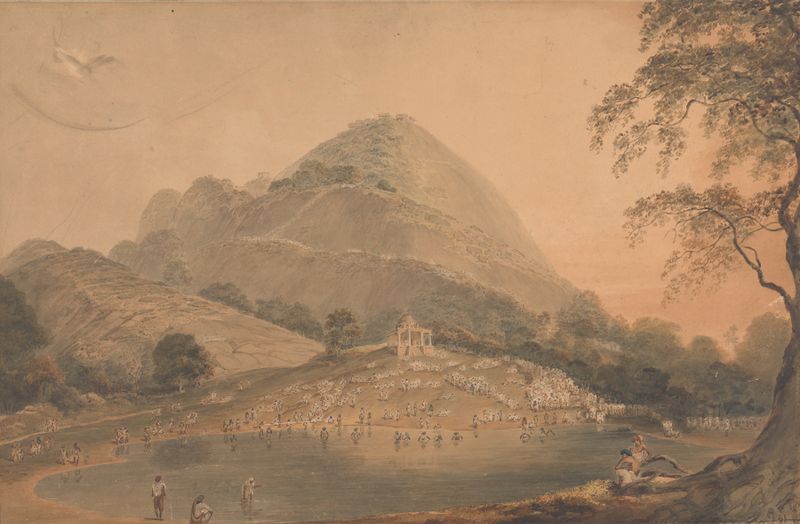
The Annual Resort of Hindoos to Mundar Hill near Bhagulpore [Bhagalpur]
Samuel Davis





