
Camouflaged Field in France — History & Facts
What if silence could speak through light? In Camouflaged Field in France, John Singer Sargent captures a haunting stillness, where the echoes of war linger beneath layers of emotion and decay. Focus on the muted palette that envelops the canvas; notice how the subtle greens and browns blend seamlessly, creating an almost dreamlike quality. The composition is masterful, leading your eye through the field, where a camouflage pattern emerges as if nature itself is concealing the scars of conflict. Sargent’s brushwork whispers of both turbulence and tranquility, inviting contemplation of the hidden narratives that lie beneath the surface. As you explore further, the interplay between light and shadow reveals the contrasts inherent in the scene—a delicate balance between the beauty of the natural world and the grim realities of war.
The camouflaged patterns evoke a sense of unease, suggesting that what appears serene on the surface belies an underlying tension. In this layered landscape, decay is not just a physical phenomenon but a poignant reminder of loss, encapsulating the haunting coexistence of life and destruction. Completed in 1918, Sargent painted this work during a tumultuous period as World War I drew to a close. Having witnessed the horrors of the battlefield firsthand, he sought to convey the complexities of human experience through his art.
This piece stands as a testament to the resilience of nature, yet it also reflects the profound impact of war on the landscape and the artist himself, navigating a world irrevocably changed.
More Artworks by John Singer Sargent
Browse all →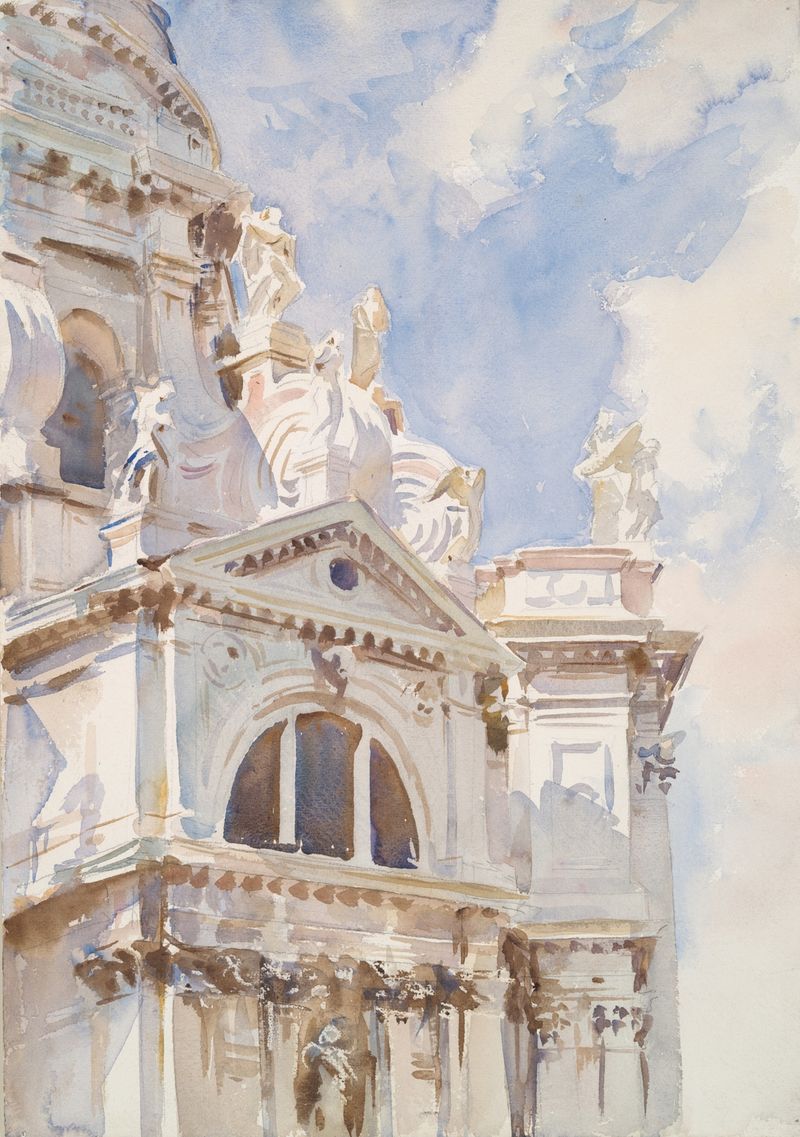
The Salute, Venice
John Singer Sargent

Mrs. Charles Deering (Marion Denison Whipple)
John Singer Sargent
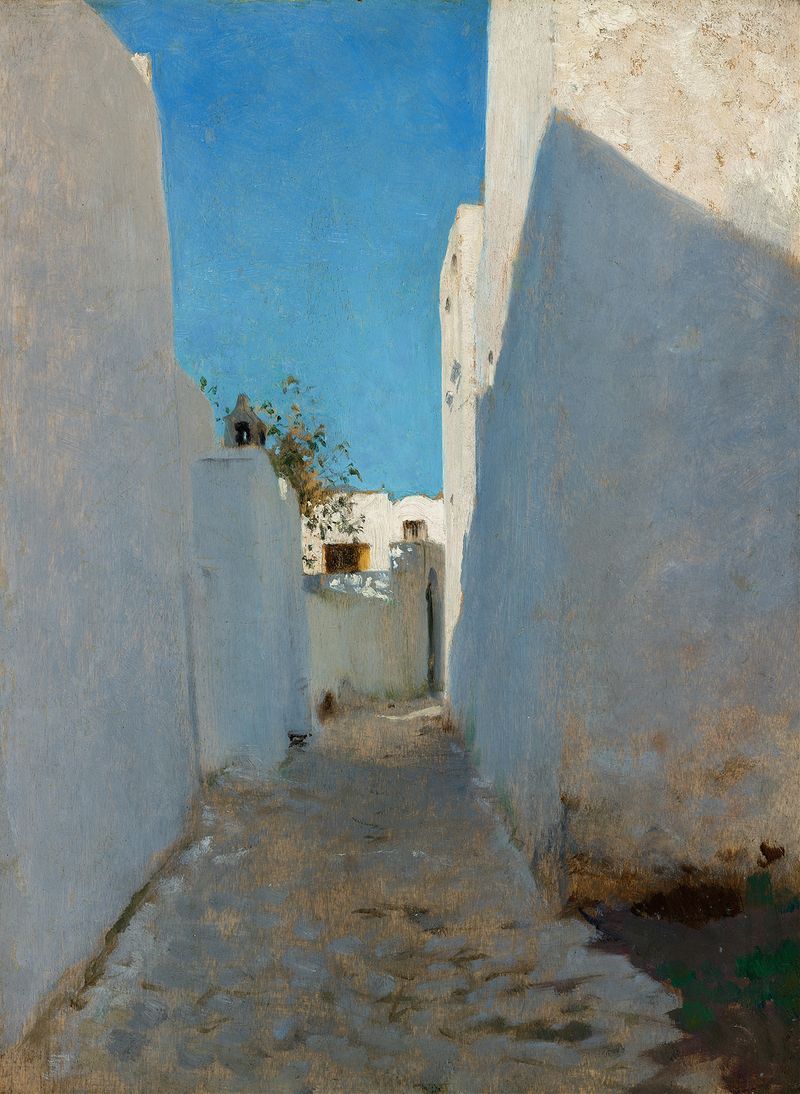
A Moroccan Street Scene
John Singer Sargent
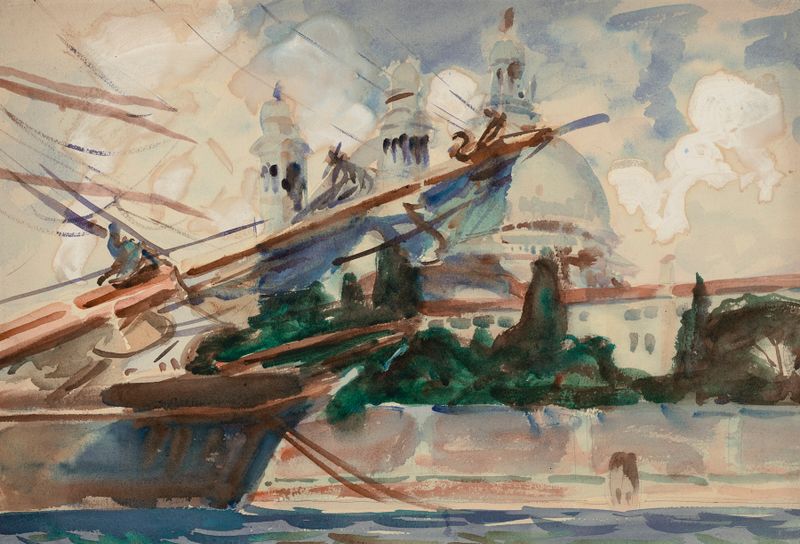
The Salute, Venice
John Singer Sargent
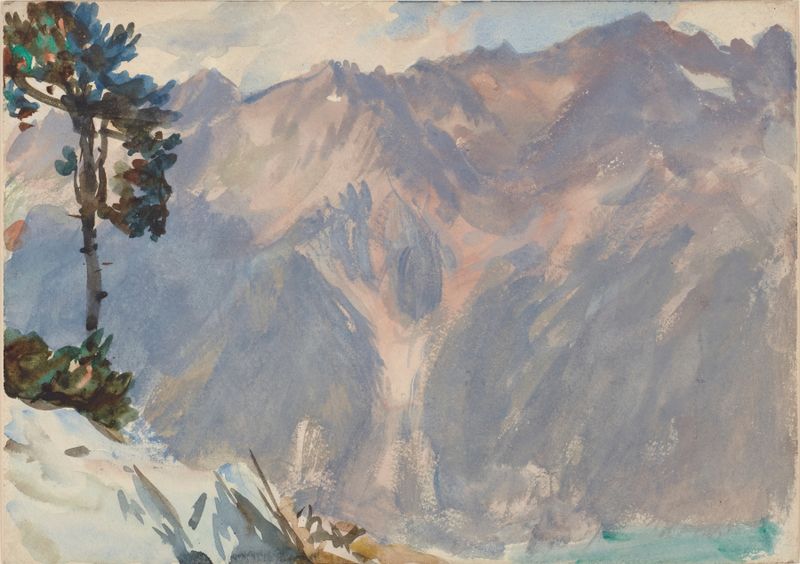
Tyrol
John Singer Sargent
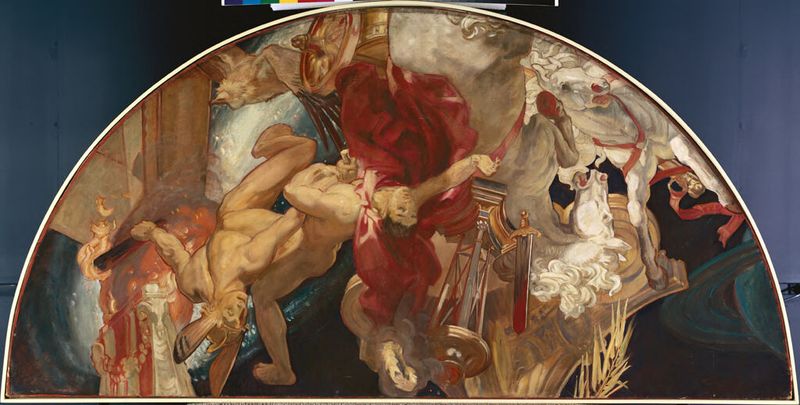
Study for "Gog and Magog," for the Boston Public Library
John Singer Sargent
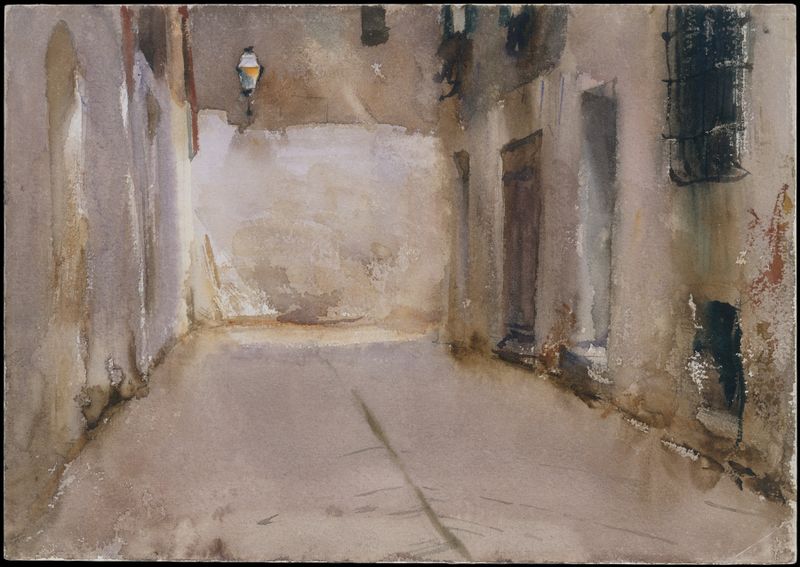
Venice
John Singer Sargent
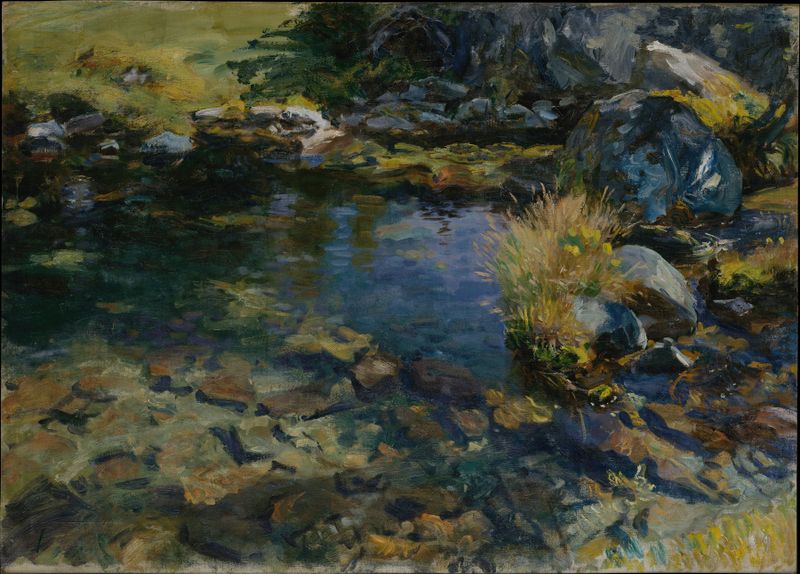
Alpine Pool
John Singer Sargent
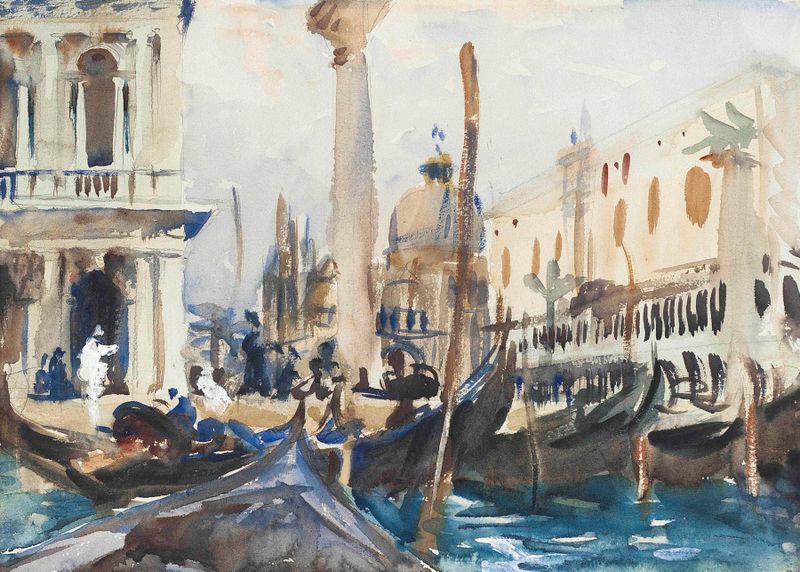
The Piazzetta with Gondolas
John Singer Sargent

The Façade of La Salute, Venice
John Singer Sargent





