
Canal with Bridge and Gondola — History & Facts
What secret hides in the quiet of the canvas? Beneath the tranquil surface of Canal with Bridge and Gondola, a profound conversation unfolds between light and shadow, revealing layers of faith and reflection in the everyday. Look to the left at the elegantly arched bridge that spans the water, its sturdy form contrasting with the delicate ripples below. The gondola, a lone figure gliding through the stillness, captures the eye as it dances with the vibrant hues of green and blue that define the tranquil scene. Notice how light filters through the trees, casting dappled patterns that play across the water's surface, inviting contemplation.
The brushwork is both deliberate and fluid, embodying the serenity of the moment. Beneath the surface, there lies an emotional tension between solitude and connection. The lone gondolier appears both part of and apart from the scene, embodying the duality of human experience: the longing for company amidst the comfort of solitude. The interplay of light and shadow suggests not just a physical scene, but an exploration of faith—faith in the journey, the moments of pause, and the inherent beauty of existence, quietly echoing within the stillness of the water. Created during the late 19th to early 20th century, the artist navigated a period of profound shifts in the art world, where impressionism was gaining momentum and transforming traditional perspectives.
In this context, Denman Waldo Ross sought to capture not only the visual beauty of the world around him but also the emotional resonance that such landscapes could evoke, reflecting a growing interest in the intimate relationship between nature, humanity, and spirituality.
More Artworks by Denman Waldo Ross
Browse all →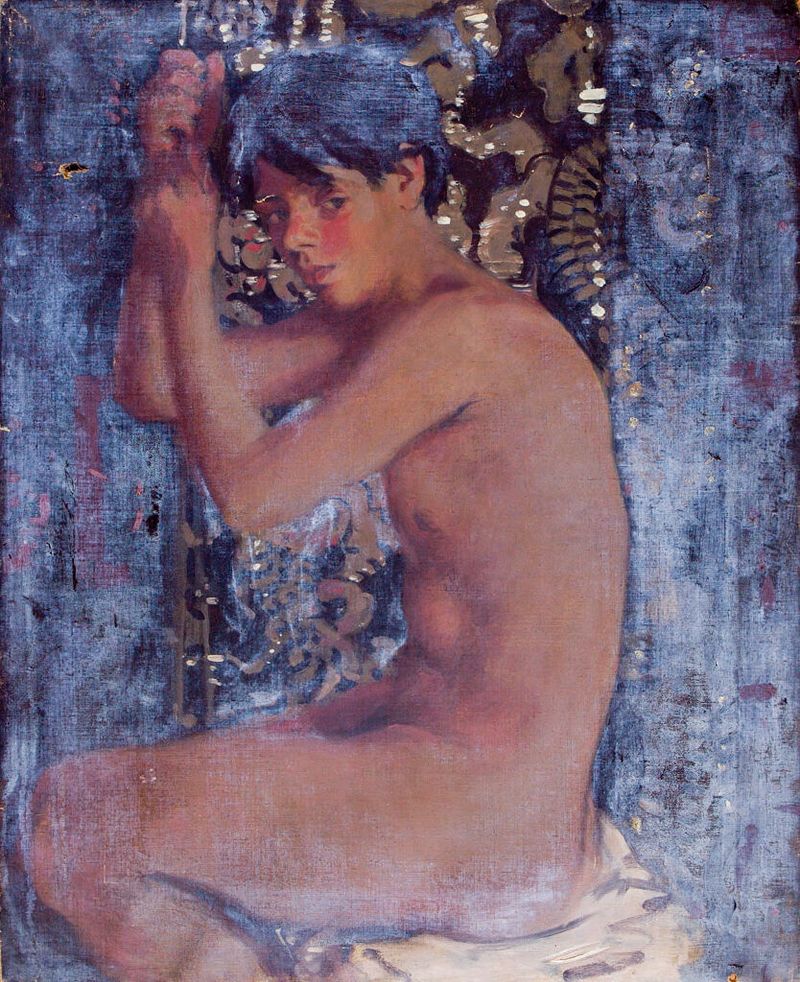
Portrait of a Seated Young Man
Denman Waldo Ross
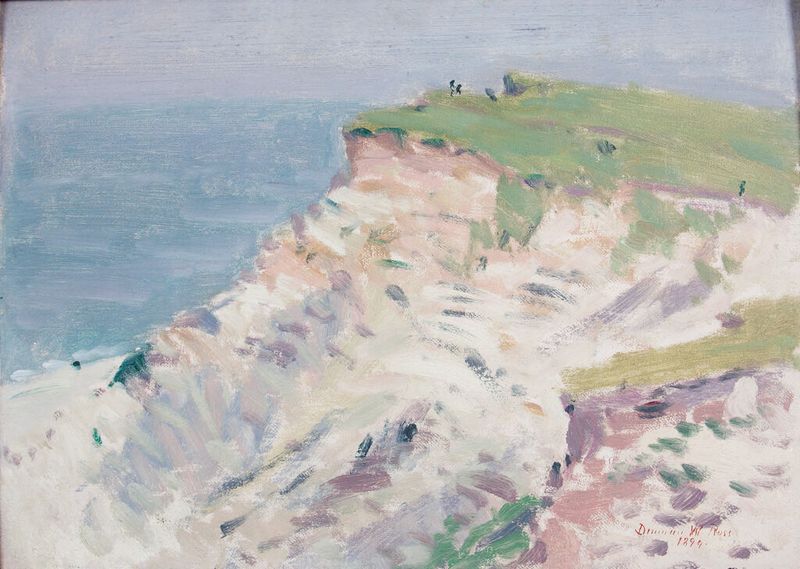
Highland Light, North Truro, Massachusetts
Denman Waldo Ross
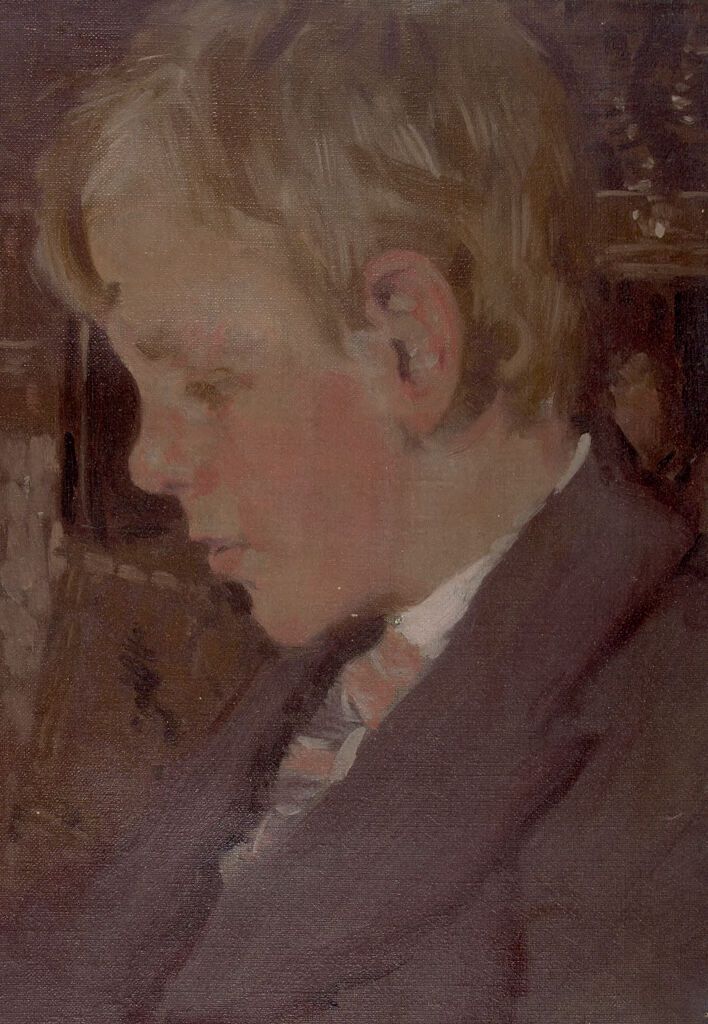
Profile Portrait of a Boy in Suit and Tie
Denman Waldo Ross
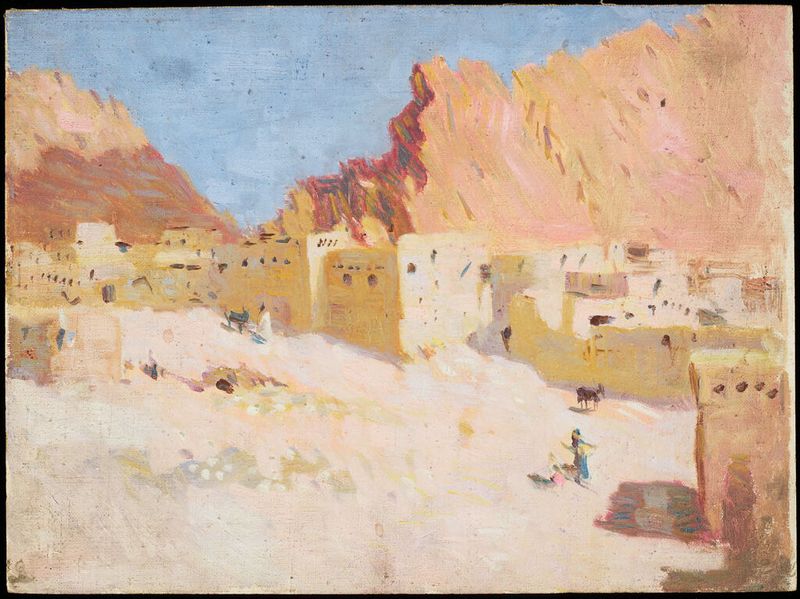
El Kantara, Near Biskra, Algeria
Denman Waldo Ross
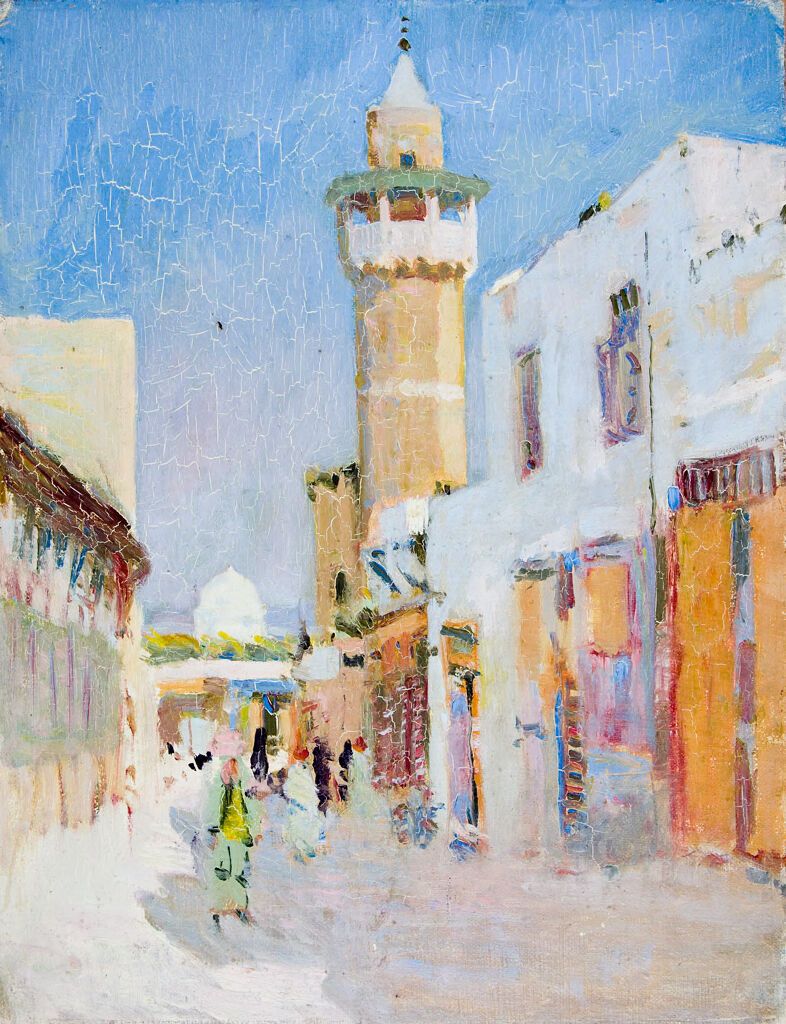
Tunis Street Scene
Denman Waldo Ross
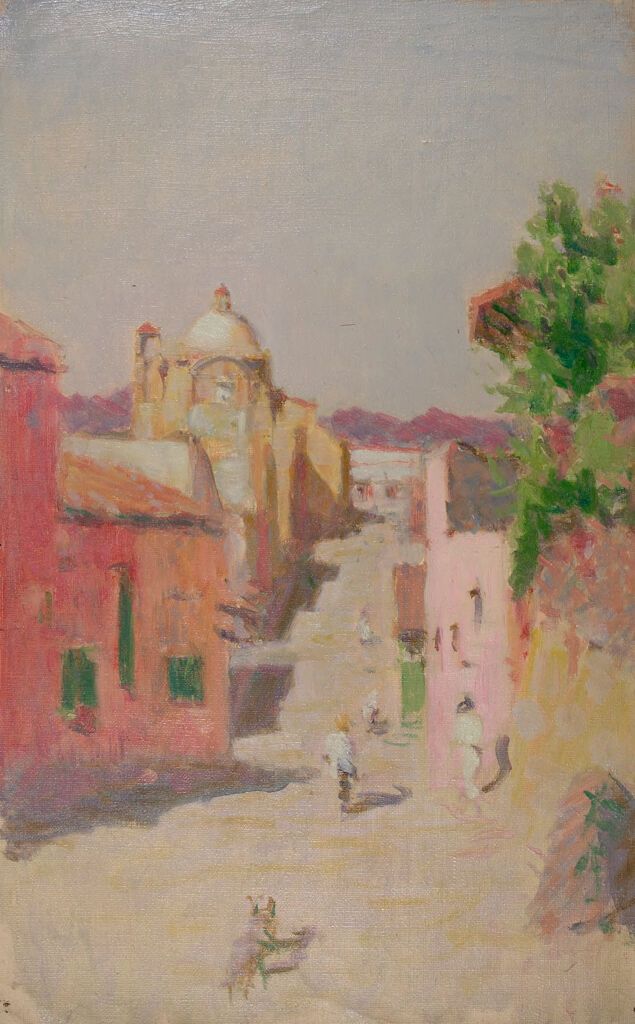
Street Scene with Animal and Figures
Denman Waldo Ross
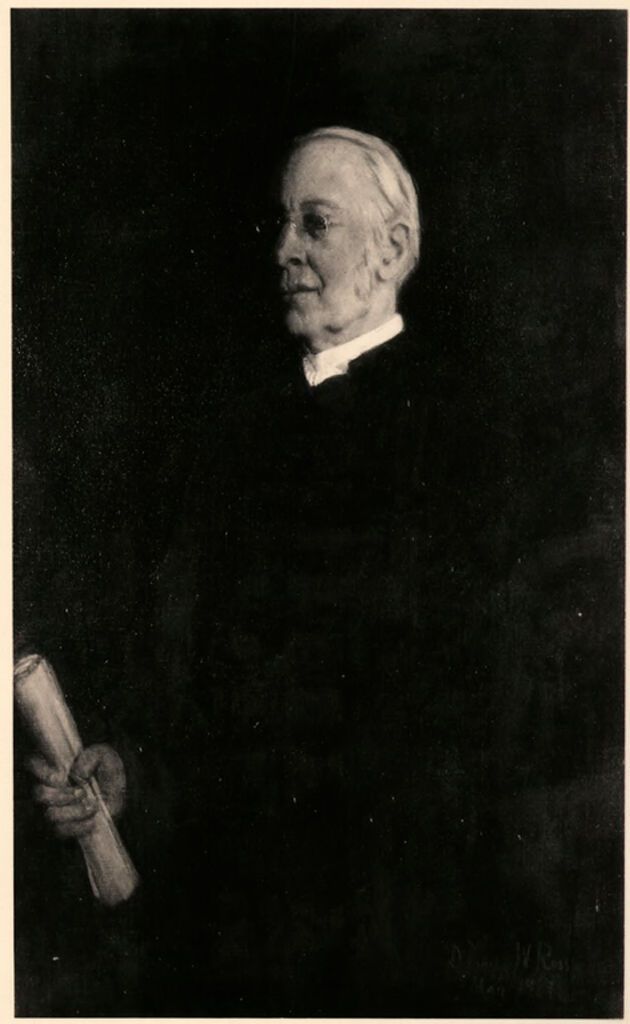
Charles William Eliot (1834-1926)
Denman Waldo Ross
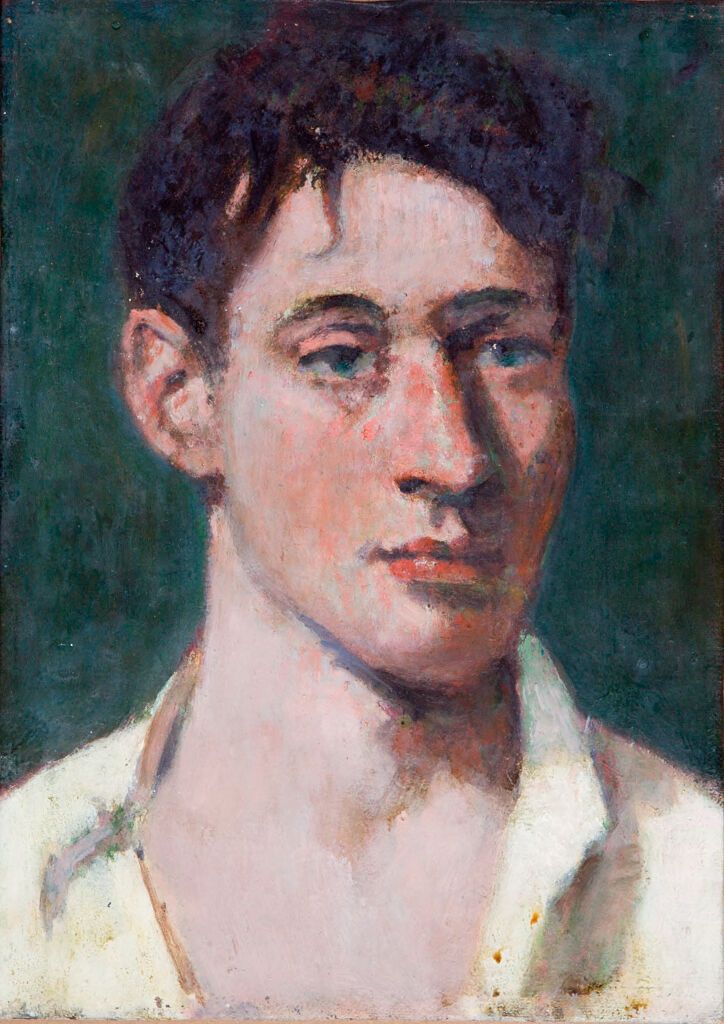
Portrait of a Young Man in White Shirt
Denman Waldo Ross
Village Near Arequipa, Peru
Denman Waldo Ross

York Harbor, Maine
Denman Waldo Ross





