
Canlavieja — History & Facts
Who listens when art speaks of silence? In the stillness of Canlavieja, beauty unfolds in layers, inviting the viewer to contemplate the quiet expressions of the natural world. Look to the foreground where delicate strokes of green blend into the soft browns and muted blues, creating a serene landscape that breathes life. The composition draws your gaze toward the horizon, where the sky meets the earth, framed by a gentle slope. The light dances across the canvas, revealing textures that echo the whispers of nature, each brushstroke deliberate yet enchanting. Yet, within this idyllic scene lies an undercurrent of tension.
The contrast between the rich vibrancy of the foliage and the muted tones of the sky suggests an interplay of joy and melancholy. Hidden within the shadows, you might sense the fragility of existence, a reminder that beauty is often fleeting. The stillness invites reflection, coaxing out the emotions that linger beneath the surface. Charles Hamilton Smith painted Canlavieja during a time of personal exploration and societal change.
Active in the early 19th century, he was influenced by the Romantic movement, which sought to capture the essence of nature and emotion. This work emerged as he navigated the complexities of his career as both an artist and an author, reflecting the broader artistic currents of his time that celebrated the beauty of the natural world while grappling with the rising industrial landscape.
More Artworks by Charles Hamilton Smith
Browse all →
Situation of H.M.S. Hecla & Griper
Charles Hamilton Smith
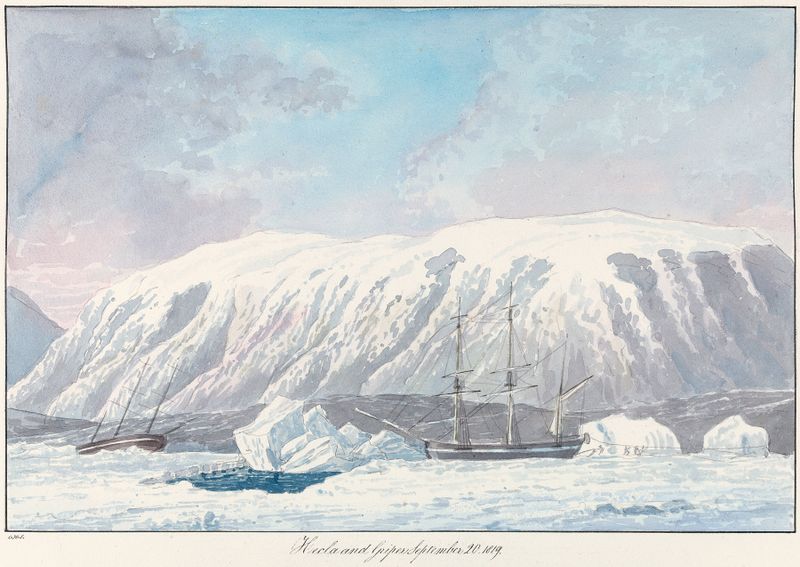
Hecla and Griper
Charles Hamilton Smith

Friendly Cove, Nootka Sound
Charles Hamilton Smith

Iceberg in Baffin’s Bay
Charles Hamilton Smith
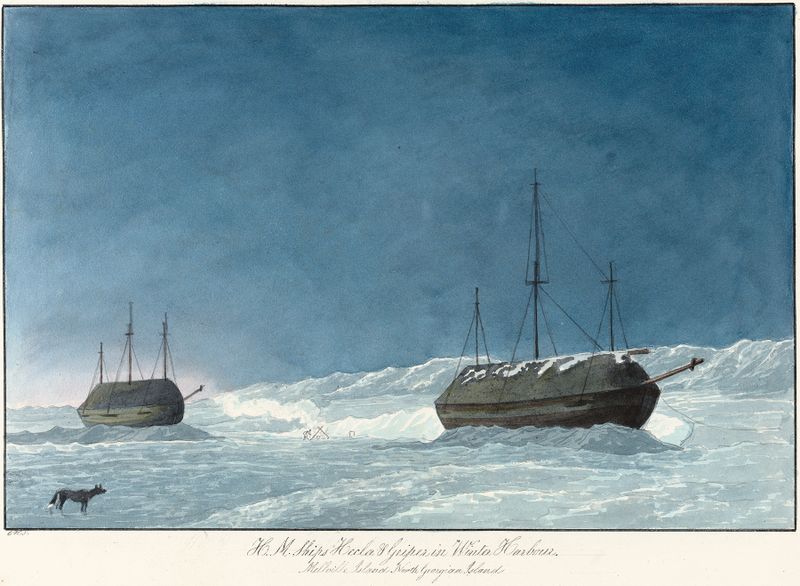
H. M. Ships Hecla and Griper in Winter Harbour
Charles Hamilton Smith

The Erebus & Terror in a Gale in the Pack of the Ice
Charles Hamilton Smith
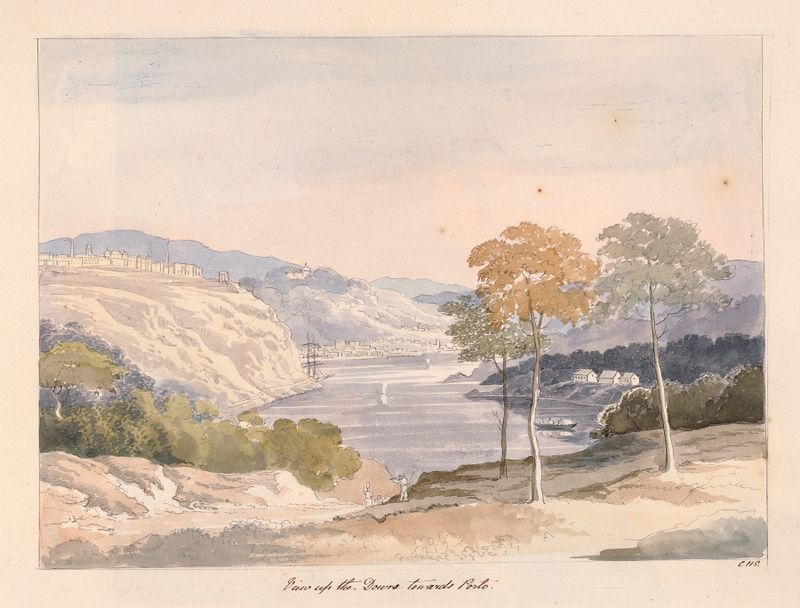
View of the Douro towards Porto
Charles Hamilton Smith
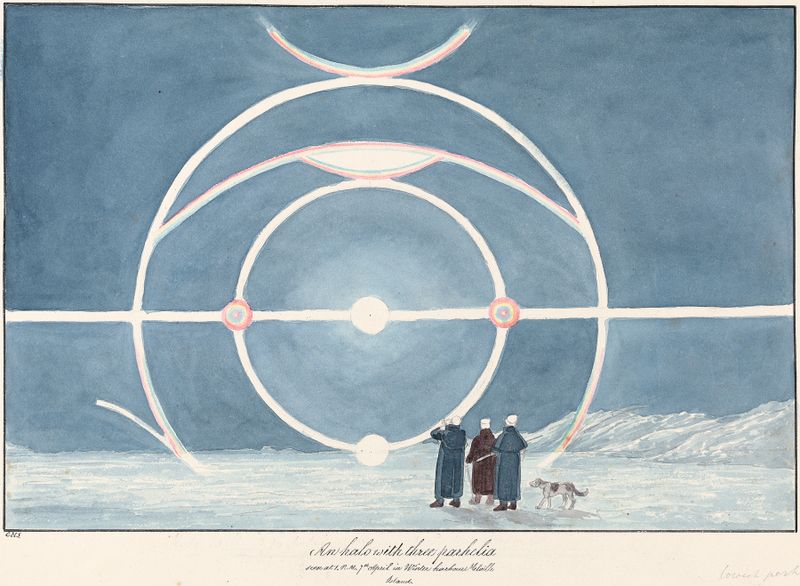
Halo with Three Parhelia, Winter Harbour Melville Island
Charles Hamilton Smith
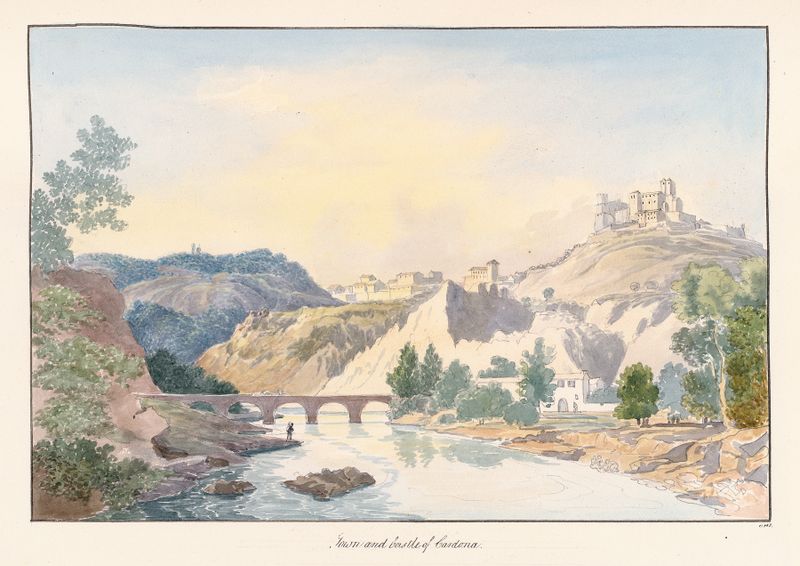
Town and Castle of Cardona
Charles Hamilton Smith
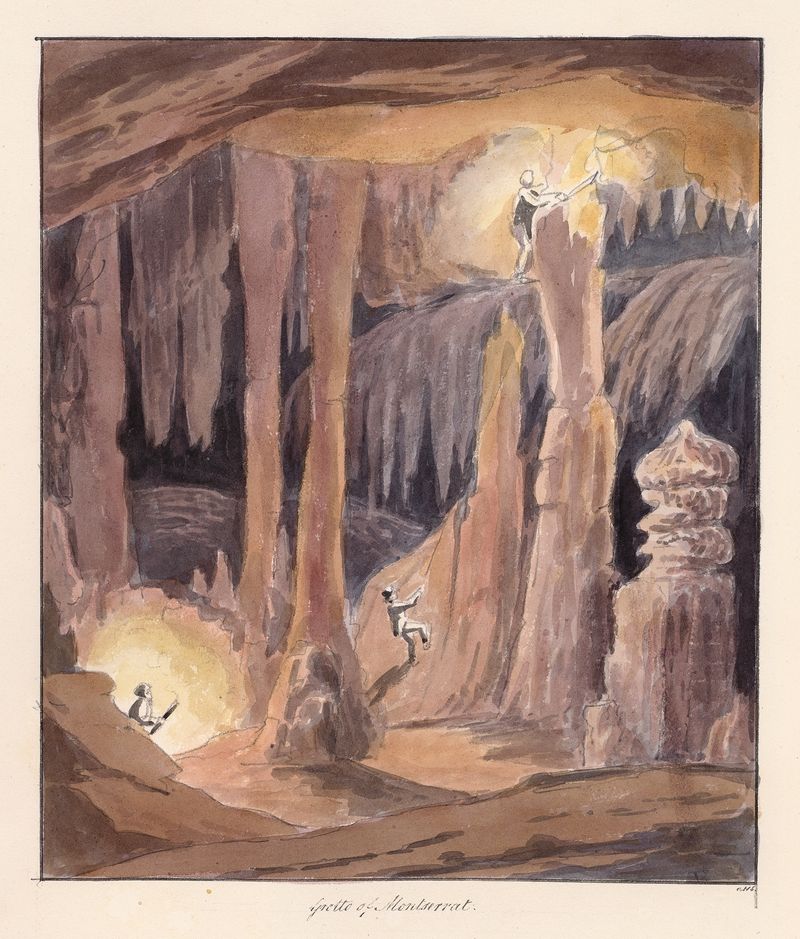
Grotto of Montserrat
Charles Hamilton Smith





