
Cap-Brun — History & Facts
Where does light end, and longing begin? In the brushstrokes of Cap-Brun, the boundary blurs, inviting us into a realm of memory shaped by color and form. Focus first on the vibrant blues and greens that dominate the canvas, where the horizon line beckons like a whisper. The interplay of light and shadow invites your gaze across the landscape, leading you from the rocky outcrops to the calm waters below. Notice how the artist employs thick, expressive strokes that pulse with energy, each hue merging into the next, allowing the scene to shimmer with a life of its own. The painting captures a moment suspended in time, where nature's beauty evokes both peace and a touch of nostalgia.
The warm sunlight caresses the cliffs, yet there’s an underlying tension in the turbulent waves that lap at the shore. This contrast of serenity and chaos speaks to our inner yearnings—perhaps a longing for connection with nature or a deeper understanding of ourselves. Each glance reveals more than just a landscape; it surfaces memories, both personal and collective, that echo within us. In 1924, Emile Othon Friesz was in the throes of exploring post-impressionism, inspired by the vibrant colors and forms of his surroundings in the South of France.
The art world was embracing modernism, shifting away from traditional representation, and Friesz, a key figure in this movement, sought to convey emotion through color rather than detail. This work stands as a testament to his evolving vision, a bridge between memory and the vivid present.
More Artworks by Emile Othon Friesz
Browse all →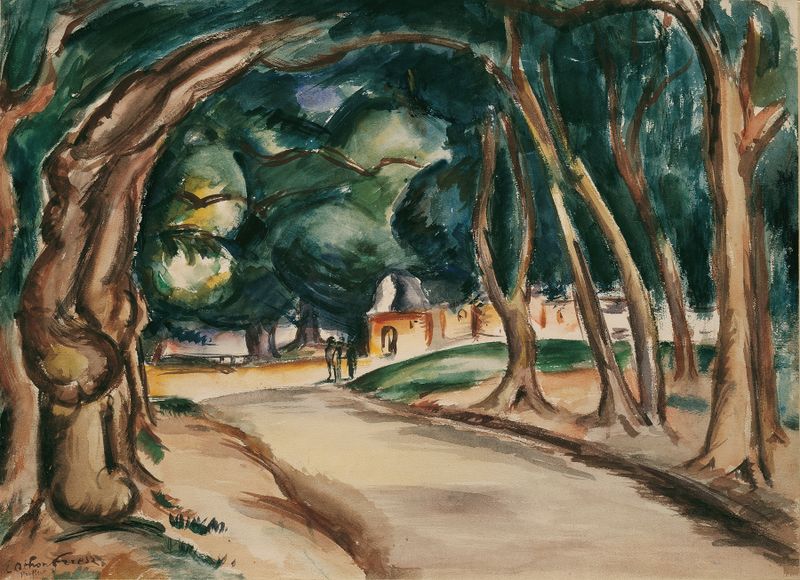
Allee
Emile Othon Friesz
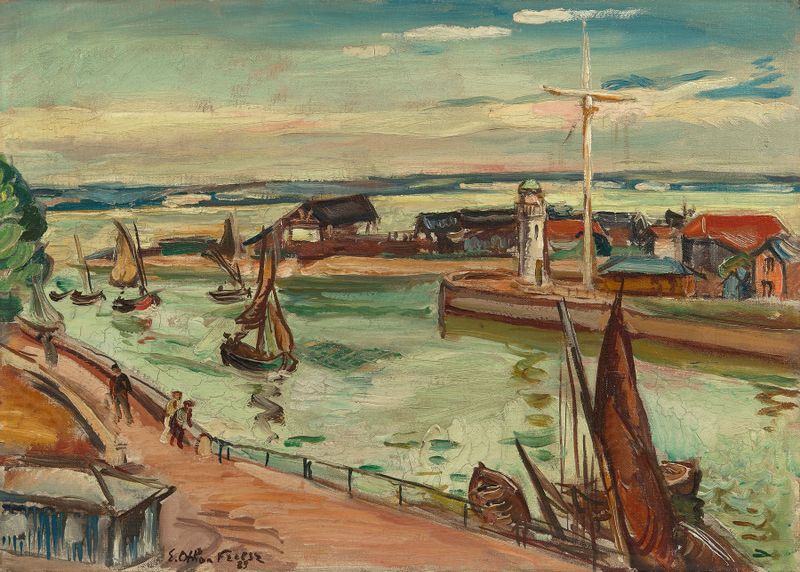
Sortie de port à Honfleur
Emile Othon Friesz
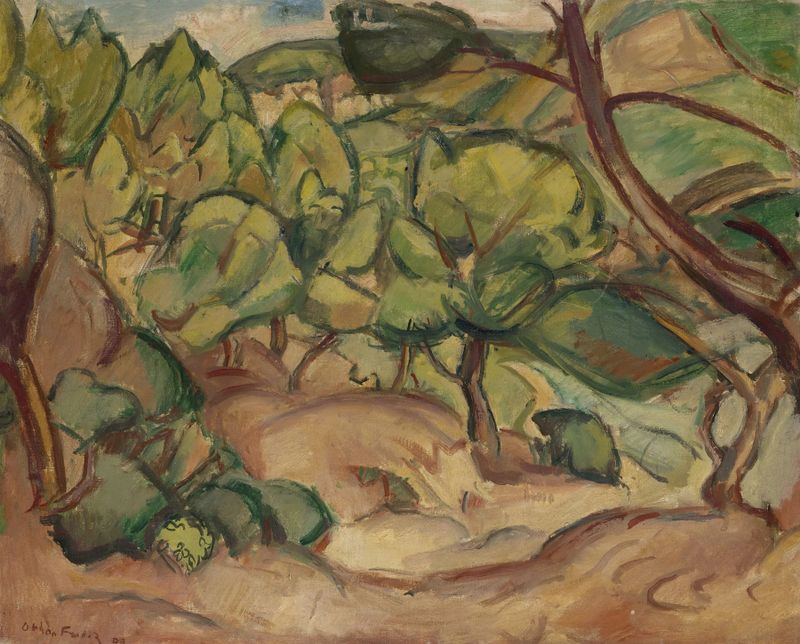
Dans les pins
Emile Othon Friesz
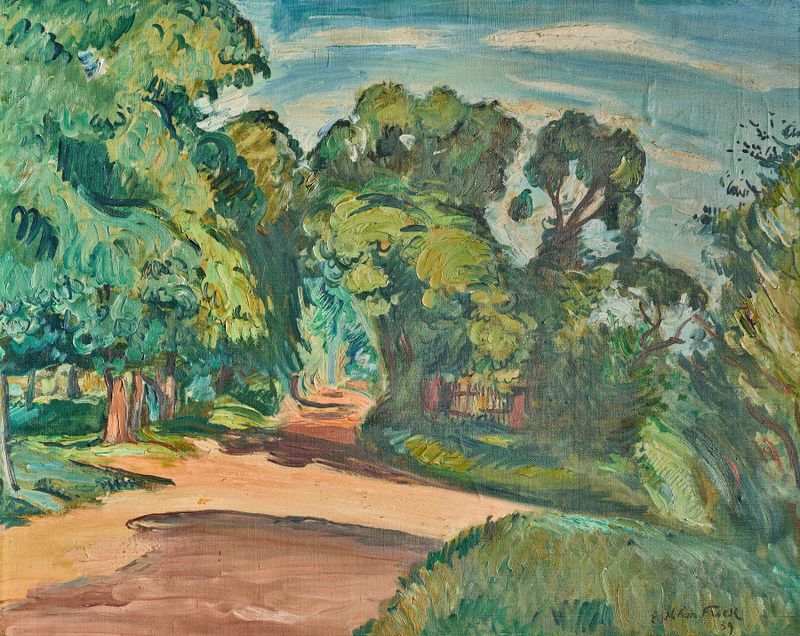
La croisée des chemins
Emile Othon Friesz
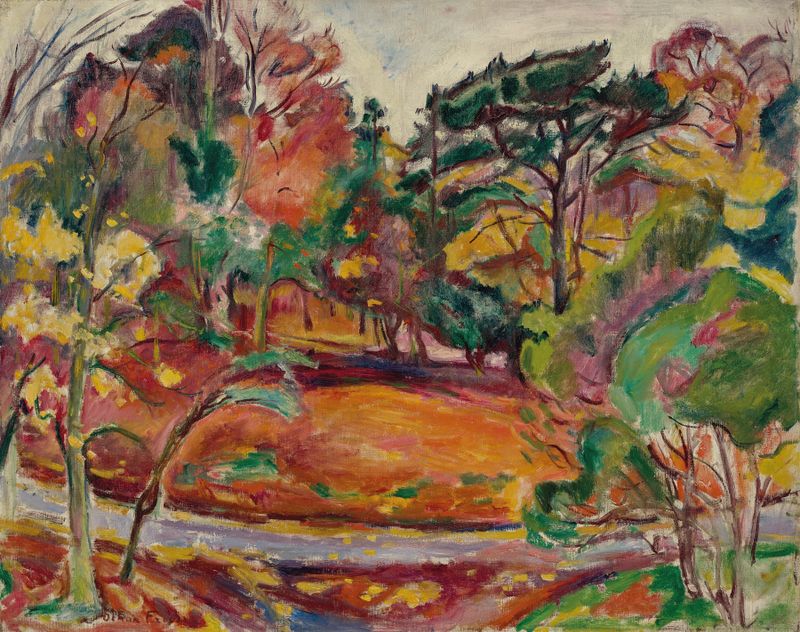
Automne à Honfleur, la Côte de Grâce
Emile Othon Friesz
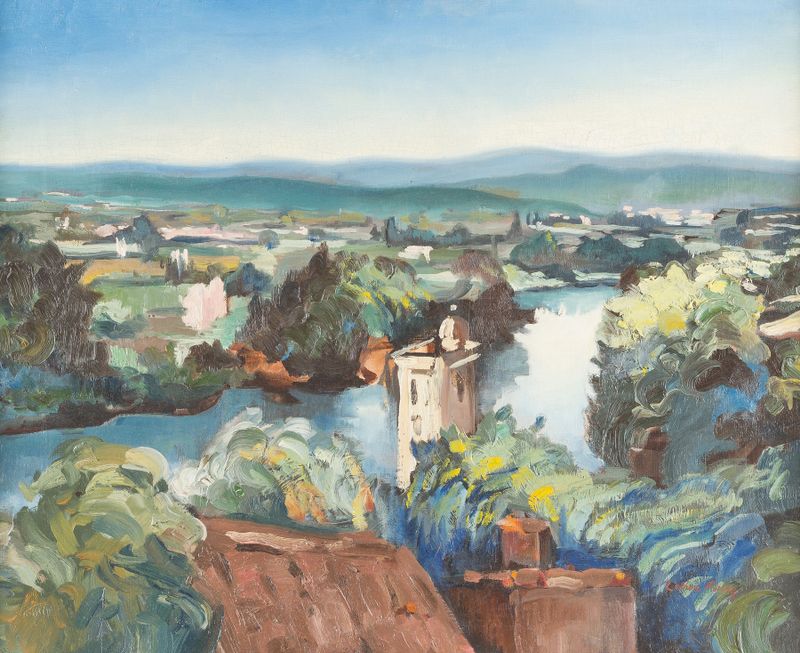
View to the horizon
Emile Othon Friesz
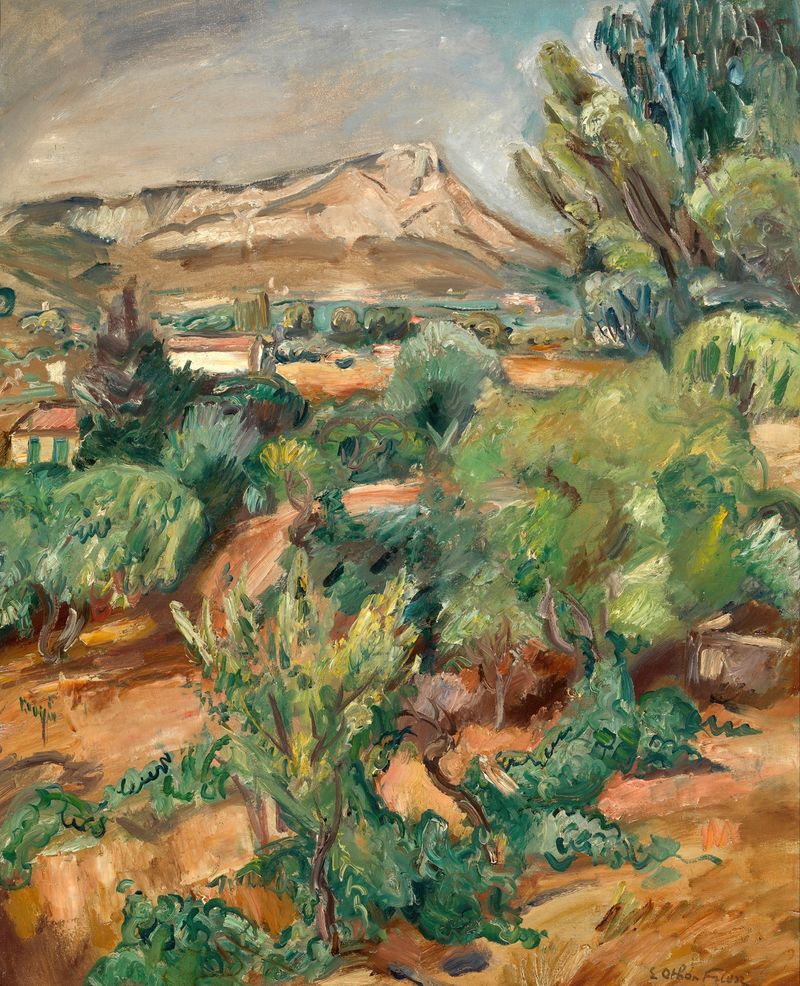
The Mountain Coudon Seen from Cap Brun
Emile Othon Friesz
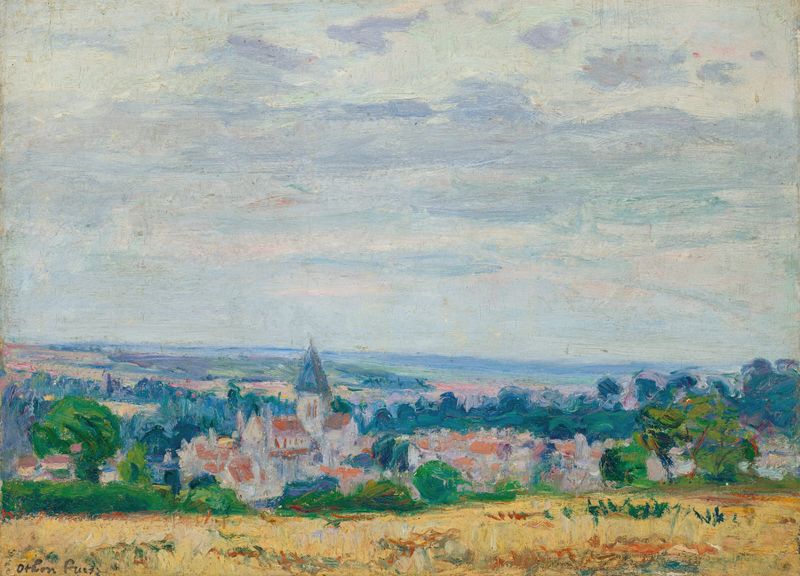
Falaise
Emile Othon Friesz
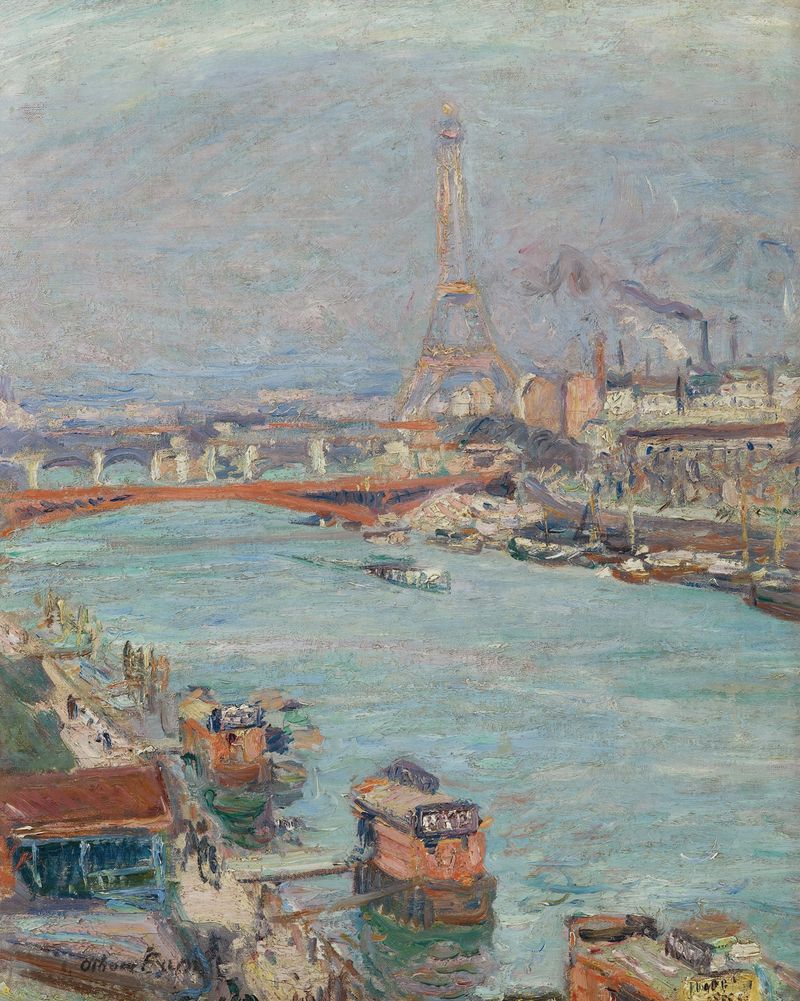
La Seine À Paris, La Tour Eiffel, Le Jour
Emile Othon Friesz
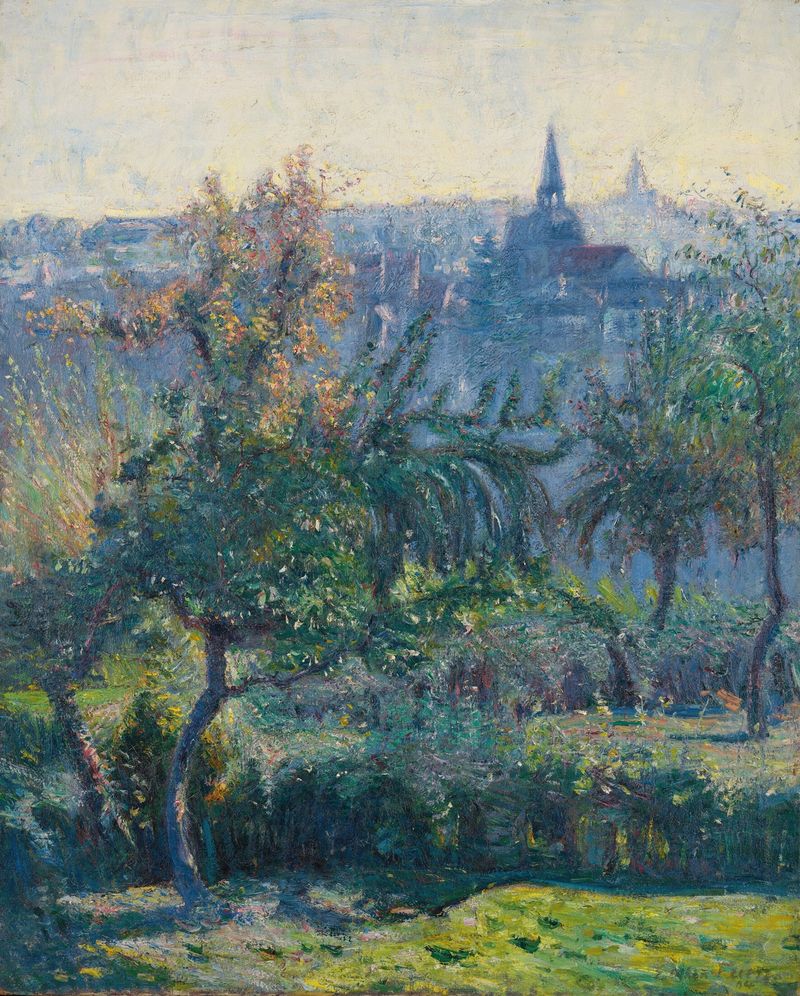
Falaise
Emile Othon Friesz





