
Cape Crozier and Mount Terror — History & Facts
In the icy expanse of Antarctica, nature asserts its desolation through a stunning dance of light and shadow. Look to the forefront, where jagged icebergs jut against a relentless horizon, their crystalline forms carved with precision. The muted palette of blues and whites draws the eye, while subtle touches of warm hues suggest the faint presence of sunlight struggling to break through the thick cloud cover. The composition invites viewers to feel the vastness of the landscape, as it oscillates between harshness and fragile beauty, capturing both the grandeur and isolation of this remote world. Beneath the surface, the painting whispers of loss—both the physical abandonment of untraveled territories and the emotional void left by explorers who met treacherous fates in these unforgiving lands.
The stark juxtaposition of the mighty mountains and the delicate icebergs creates a tension, symbolizing the fragile balance between human ambition and nature's overwhelming power. Each stroke evokes the haunting silence of the wilderness, transforming the chaos of the ice into a poignant elegy for those who dared to venture into its heart. Charles Hamilton Smith created this work during a time of burgeoning interest in the polar regions, likely influenced by the age of exploration and the Romantic spirit of adventure. Although the exact date remains unknown, his career flourished in the late 18th to early 19th century, when the allure of the unknown captivated artists and scientists alike.
Amidst this backdrop of urgency and curiosity, he sought to immortalize the awe and peril intertwined in the very fabric of nature.
More Artworks by Charles Hamilton Smith
Browse all →
Situation of H.M.S. Hecla & Griper
Charles Hamilton Smith
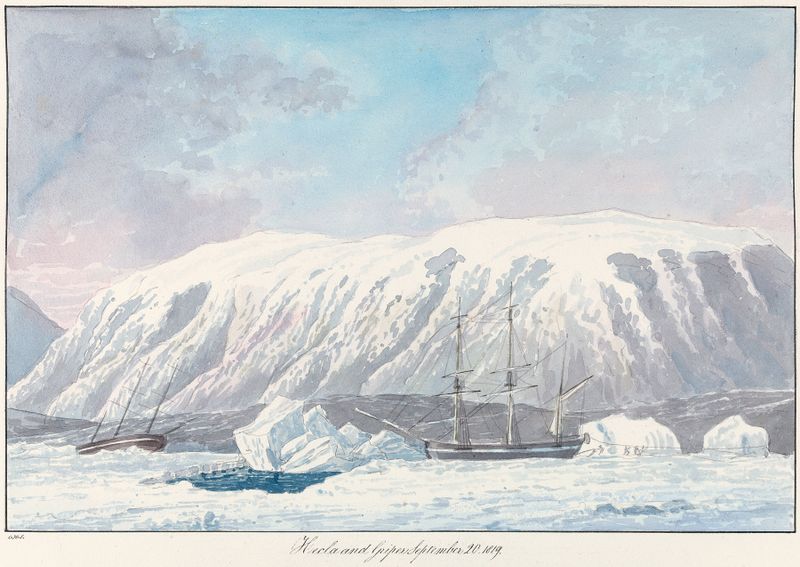
Hecla and Griper
Charles Hamilton Smith

Friendly Cove, Nootka Sound
Charles Hamilton Smith

Iceberg in Baffin’s Bay
Charles Hamilton Smith
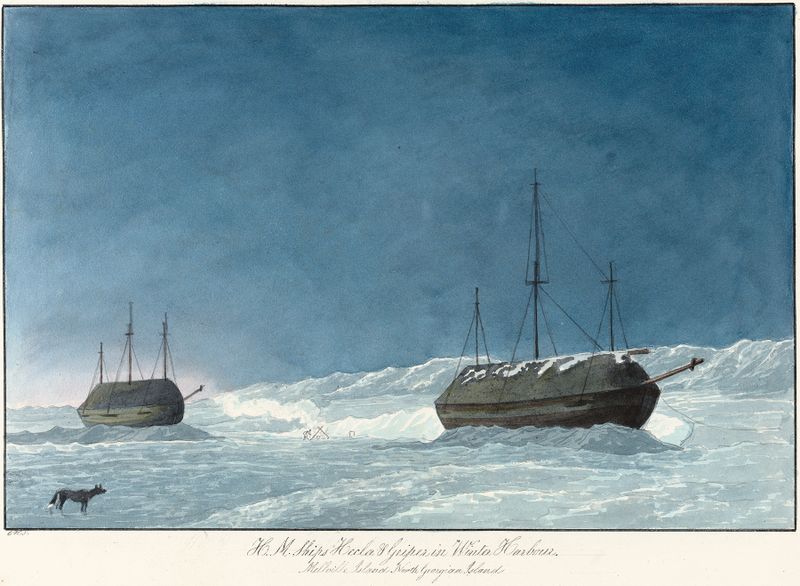
H. M. Ships Hecla and Griper in Winter Harbour
Charles Hamilton Smith

The Erebus & Terror in a Gale in the Pack of the Ice
Charles Hamilton Smith
View of the Douro towards Porto
Charles Hamilton Smith
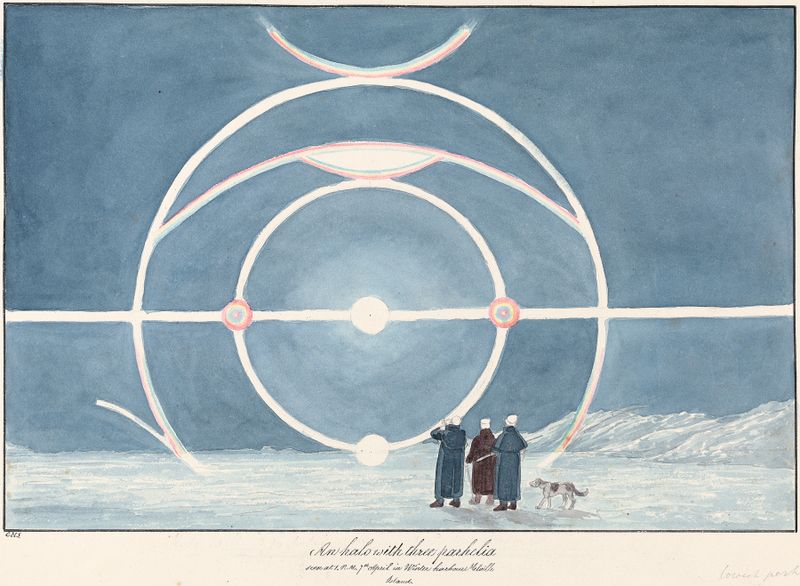
Halo with Three Parhelia, Winter Harbour Melville Island
Charles Hamilton Smith
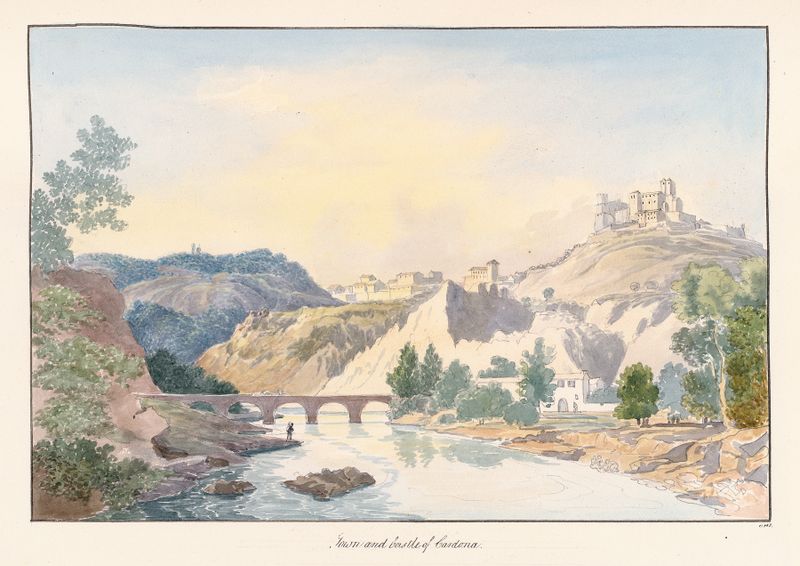
Town and Castle of Cardona
Charles Hamilton Smith
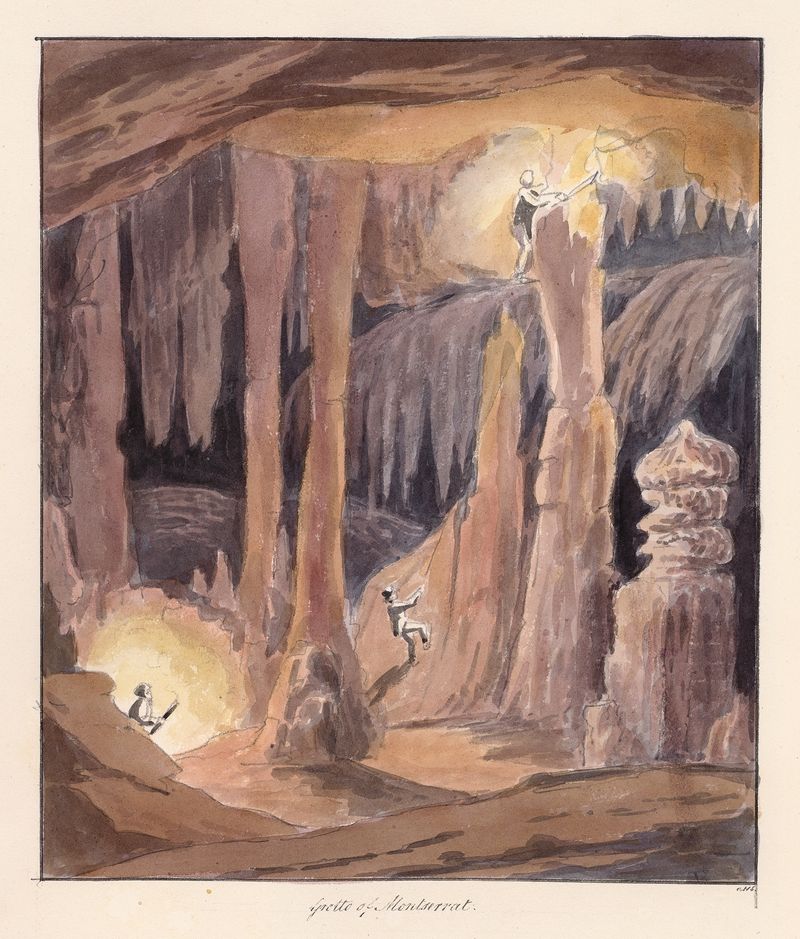
Grotto of Montserrat
Charles Hamilton Smith





