
Cape Lion — History & Facts
In Cape Lion, Charles Hamilton Smith presents a striking depiction of a lion. The painting features rich, warm colors, primarily golden yellows and deep browns, capturing the majestic fur of the animal. The setting appears to be a natural landscape, hinting at the lion's habitat.
The composition draws the viewer's eye towards the powerful figure of the lion, which is both regal and imposing. This artwork is executed in oil on canvas, a medium that allows for vibrant color and texture. The brushwork is detailed, particularly in the rendering of the lion's fur and facial features. The dimensions of the painting are approximately 60 x 80 cm, making it a medium-sized work.
The use of light and shadow enhances the three-dimensional quality of the lion, giving it a lifelike presence. Charles Hamilton Smith was known for his detailed studies of animals, particularly those from exotic locations. This painting likely reflects his interest in wildlife and the natural world during the Romantic period. An interesting fact about Cape Lion is that it showcases the now-extinct Cape lion, which was native to South Africa.
Smith's work contributes to the historical documentation of species that have since disappeared from the wild.
More Artworks by Charles Hamilton Smith

Marengo, Bonaparte’s Arab
Charles Hamilton Smith
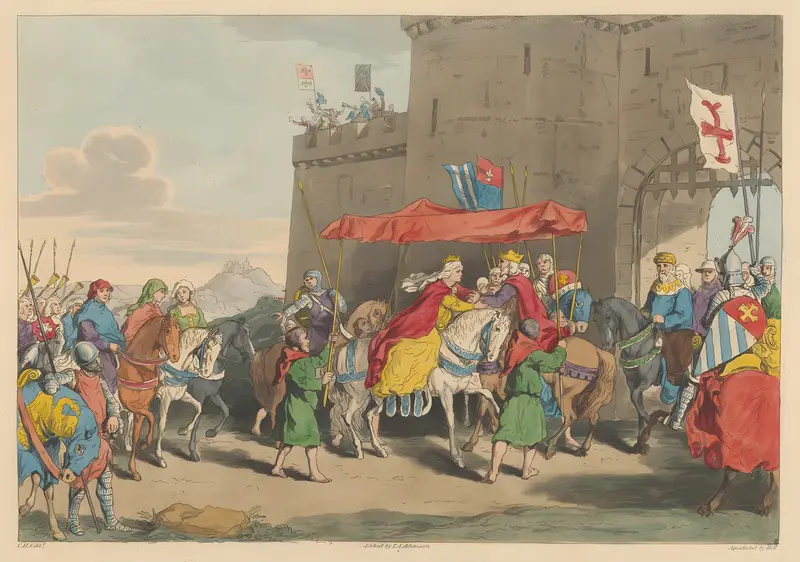
Costume of the Reign of King Henry III
Charles Hamilton Smith
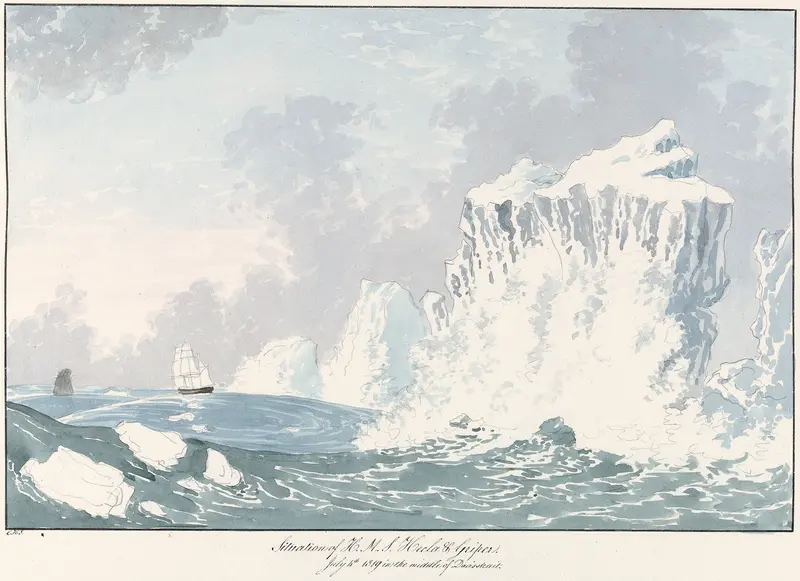
Situation of H.M.S. Hecla & Griper
Charles Hamilton Smith
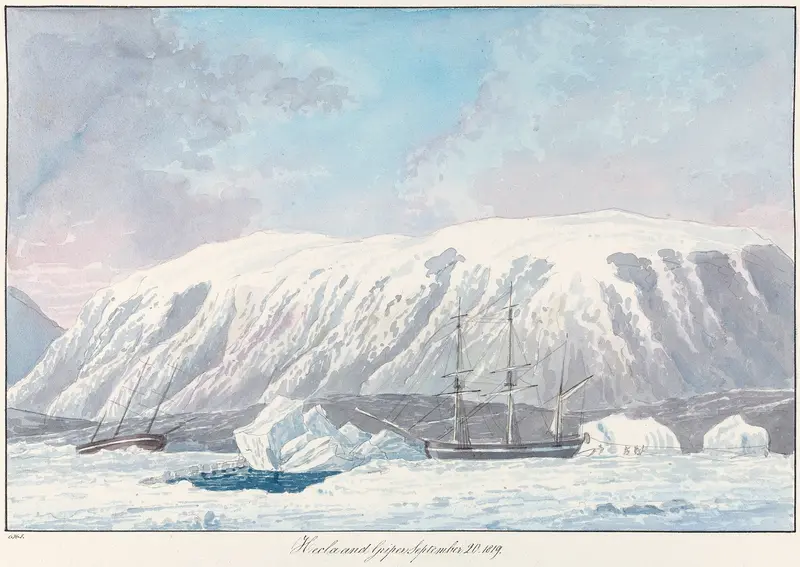
Hecla and Griper
Charles Hamilton Smith
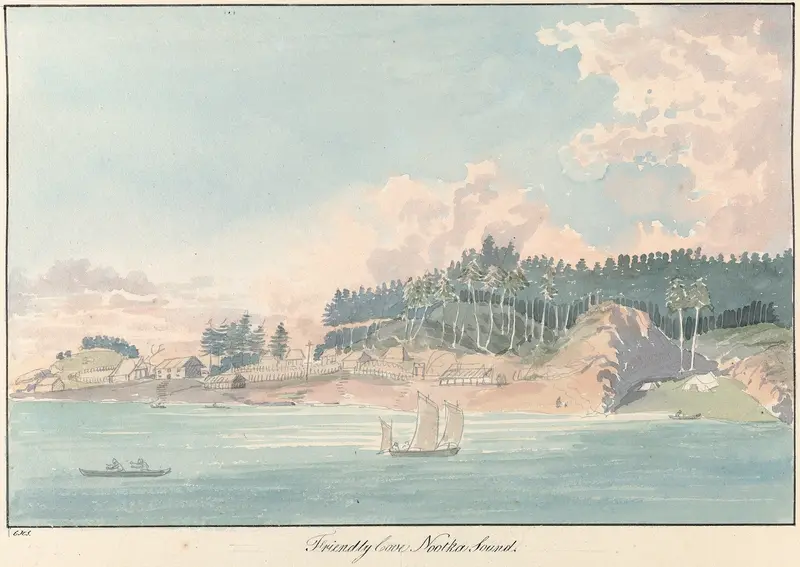
Friendly Cove, Nootka Sound
Charles Hamilton Smith
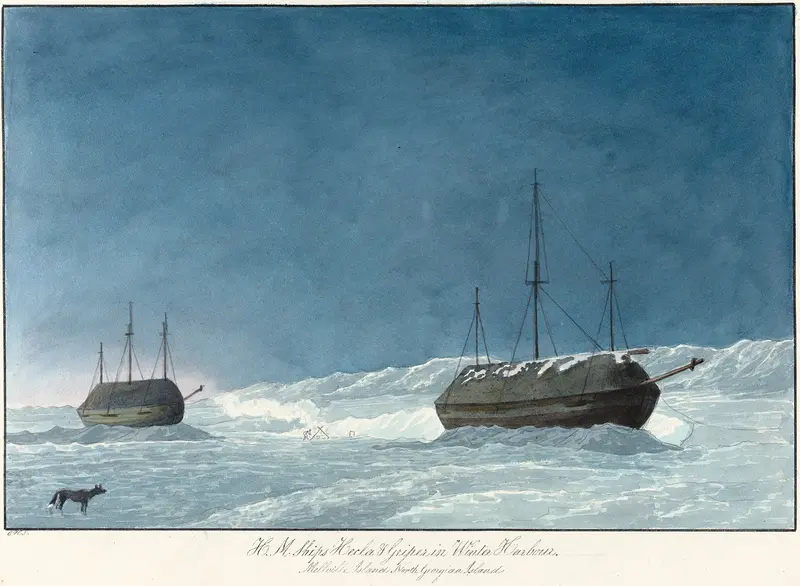
H. M. Ships Hecla and Griper in Winter Harbour
Charles Hamilton Smith
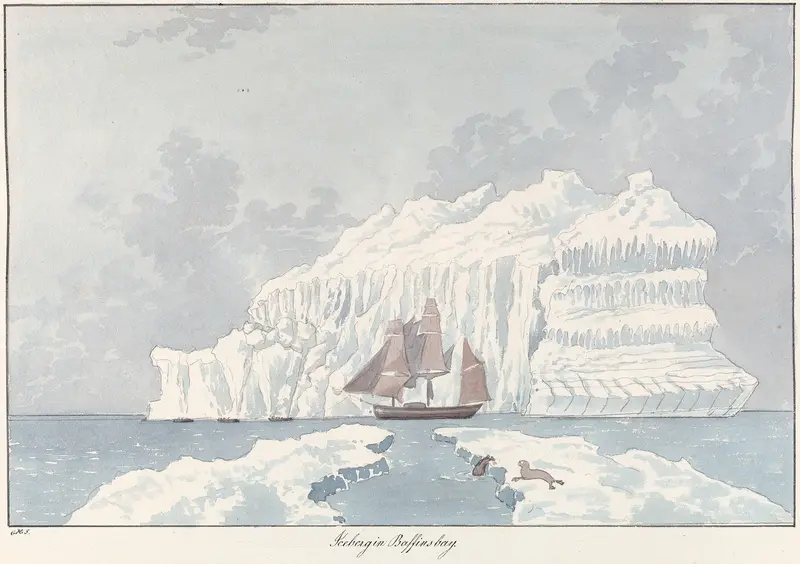
Iceberg in Baffin’s Bay
Charles Hamilton Smith
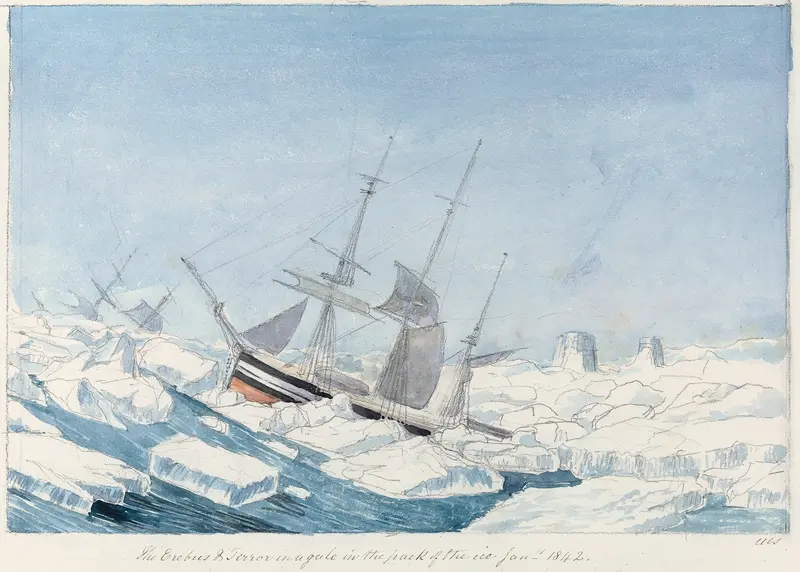
The Erebus & Terror in a Gale in the Pack of the Ice
Charles Hamilton Smith
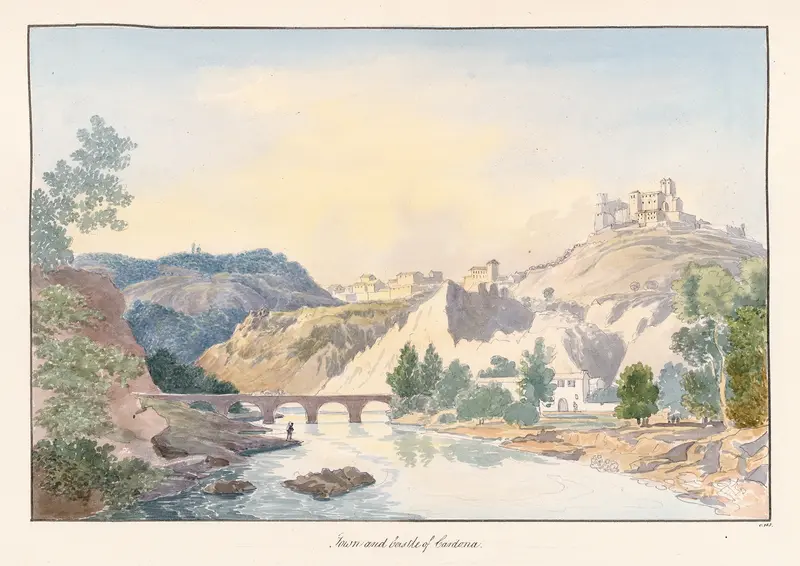
Town and Castle of Cardona
Charles Hamilton Smith
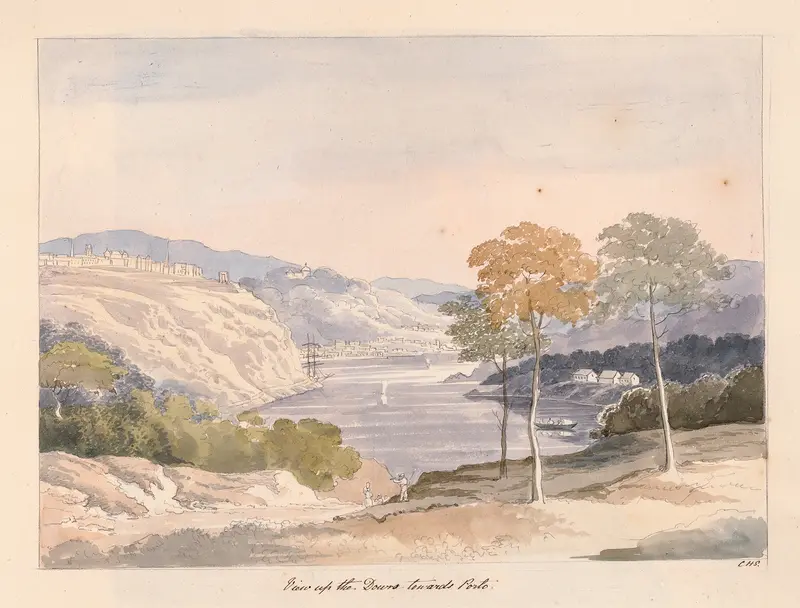
View of the Douro towards Porto
Charles Hamilton Smith





