
Capri — History & Facts
Could a single brushstroke hold eternity? In the shimmering embrace of Capri, the fleeting nature of beauty and loss intertwines, inviting a contemplative gaze. Focus first on the vibrant azure waters that cradle the island's rugged cliffs, a mesmerizing lapis lazuli that draws you in. Notice how the sunlight dances across the surface, creating a kaleidoscope of reflections that evoke both serenity and nostalgia. The deft strokes that shape the cliffs, lush with greenery, reveal an intimate connection between land and sea, while the ethereal sky, washed in soft pastels, drapes a delicate veil over the scene, imbuing it with a sense of yearning. Hidden within the idyllic setting lies a poignant tension, a reminder of the inevitable passage of time.
The gentle waves lapping at the shore may symbolize the erosion of memories, while the cliffs stand as steadfast sentinels of loss. This contrast between the vibrancy of life and the whisper of mortality encapsulates the bittersweet essence of existence, where beauty exists alongside the melancholy of what once was. In 1882, Federico del Campo found himself captivated by the allure of Capri, a popular haven for artists and intellectuals amidst the burgeoning Impressionist movement. During this period, he explored the interplay of light and landscapes, seeking to capture fleeting moments of beauty.
The work reflects not only his personal journey but also the larger dialogue of an era where nature and emotion converged in artistic expression.
More Artworks by Federico del Campo
Browse all →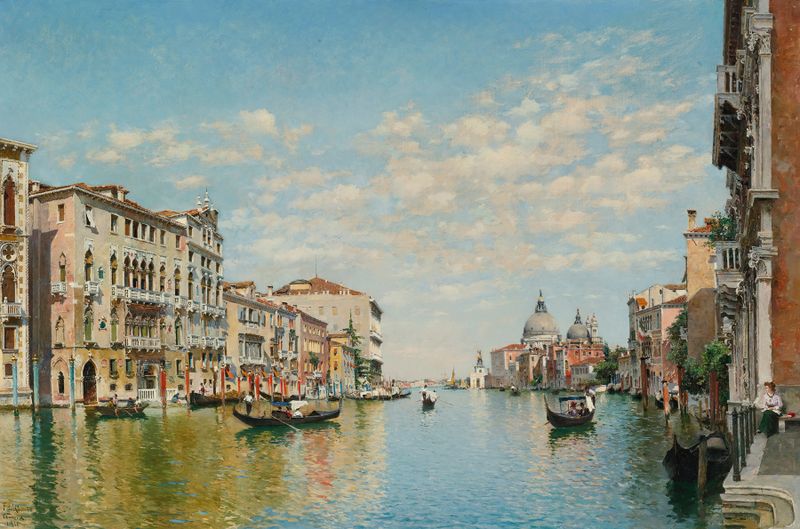
Gondoliers On The Grand Canal, Venice
Federico del Campo
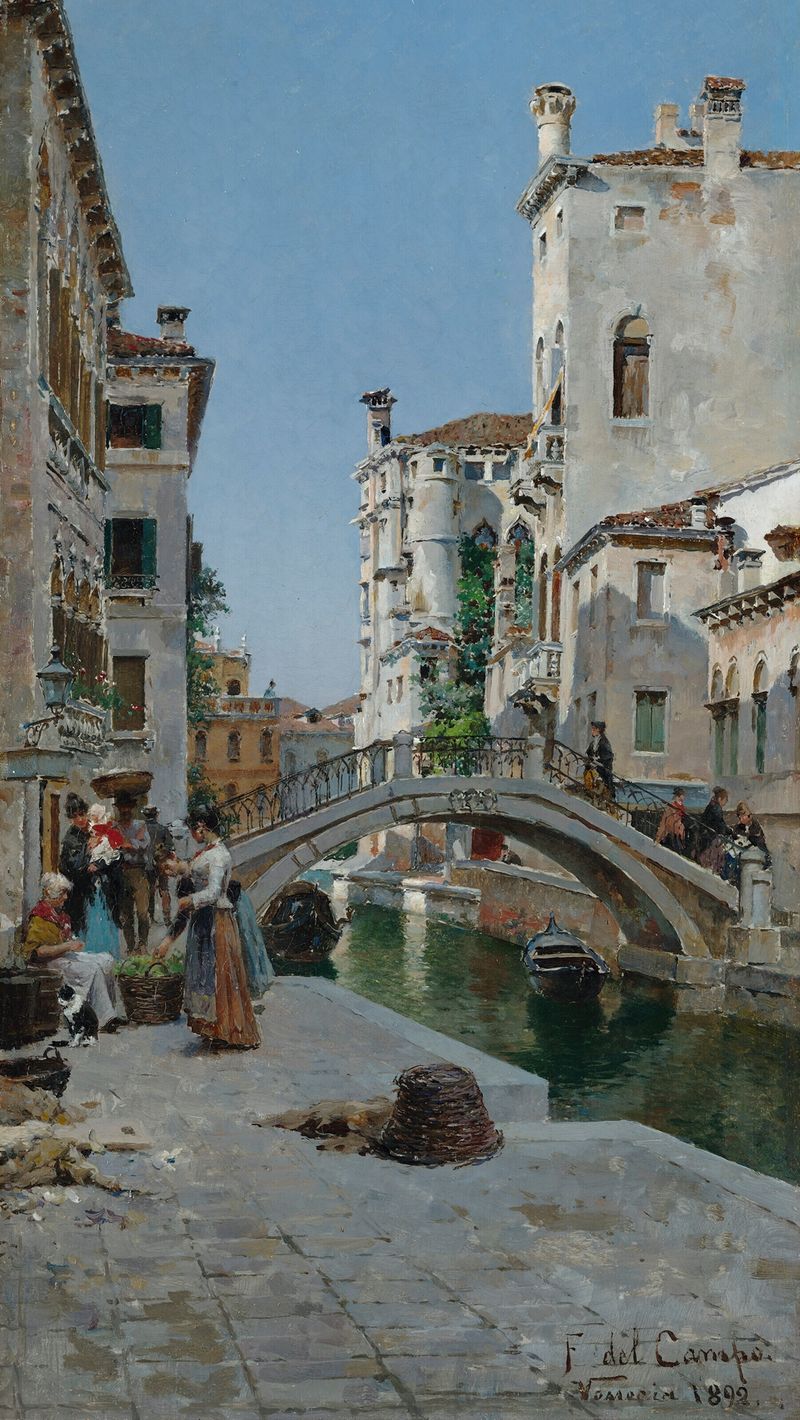
View of Venice
Federico del Campo
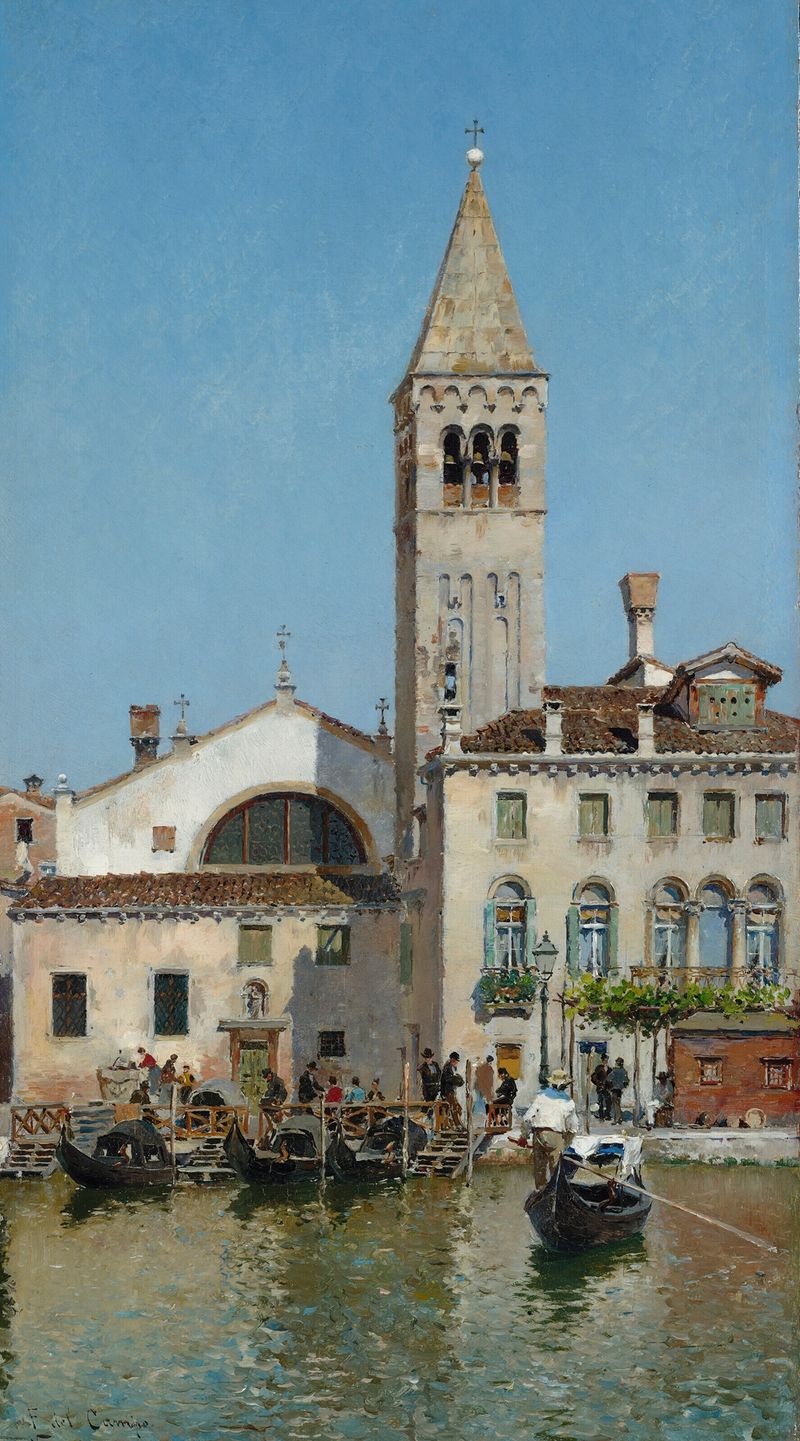
View of Venice
Federico del Campo
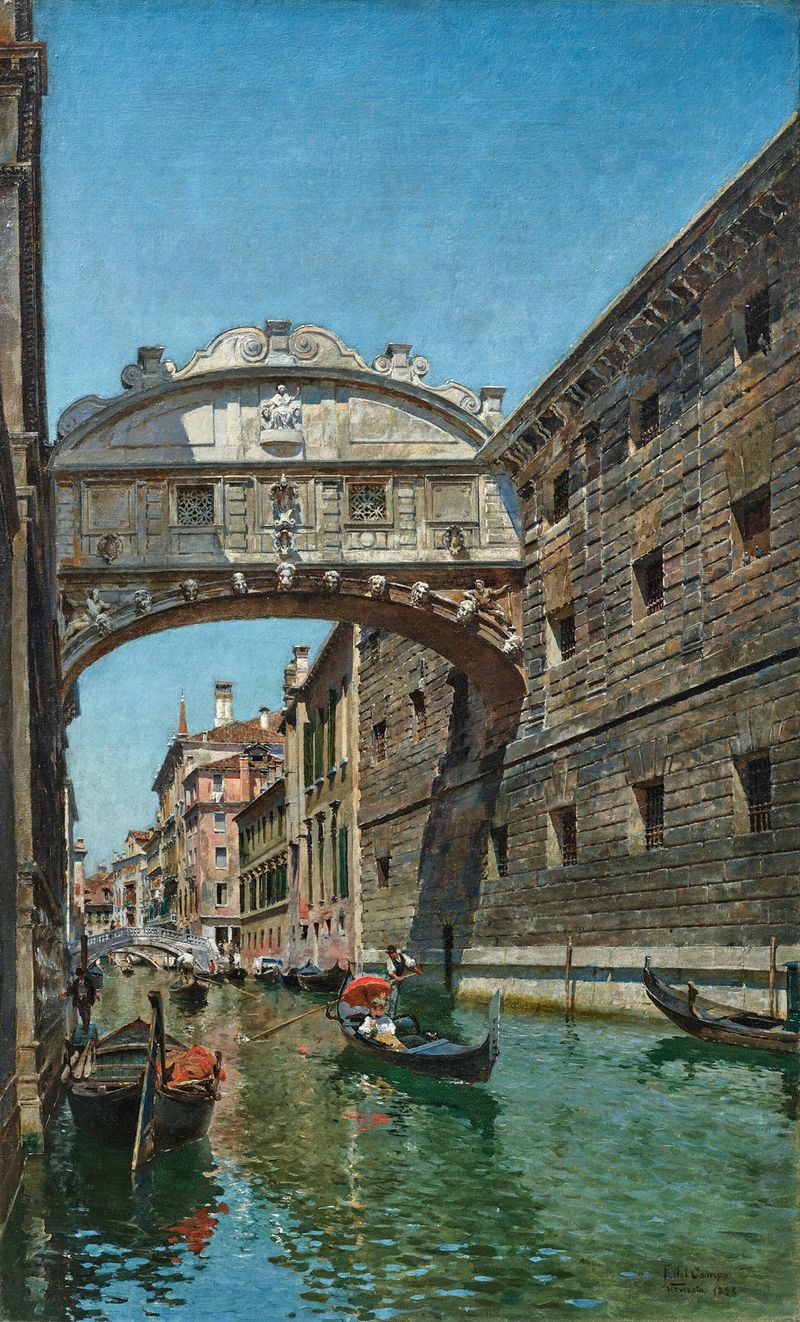
Il Ponte dei Sospiri
Federico del Campo
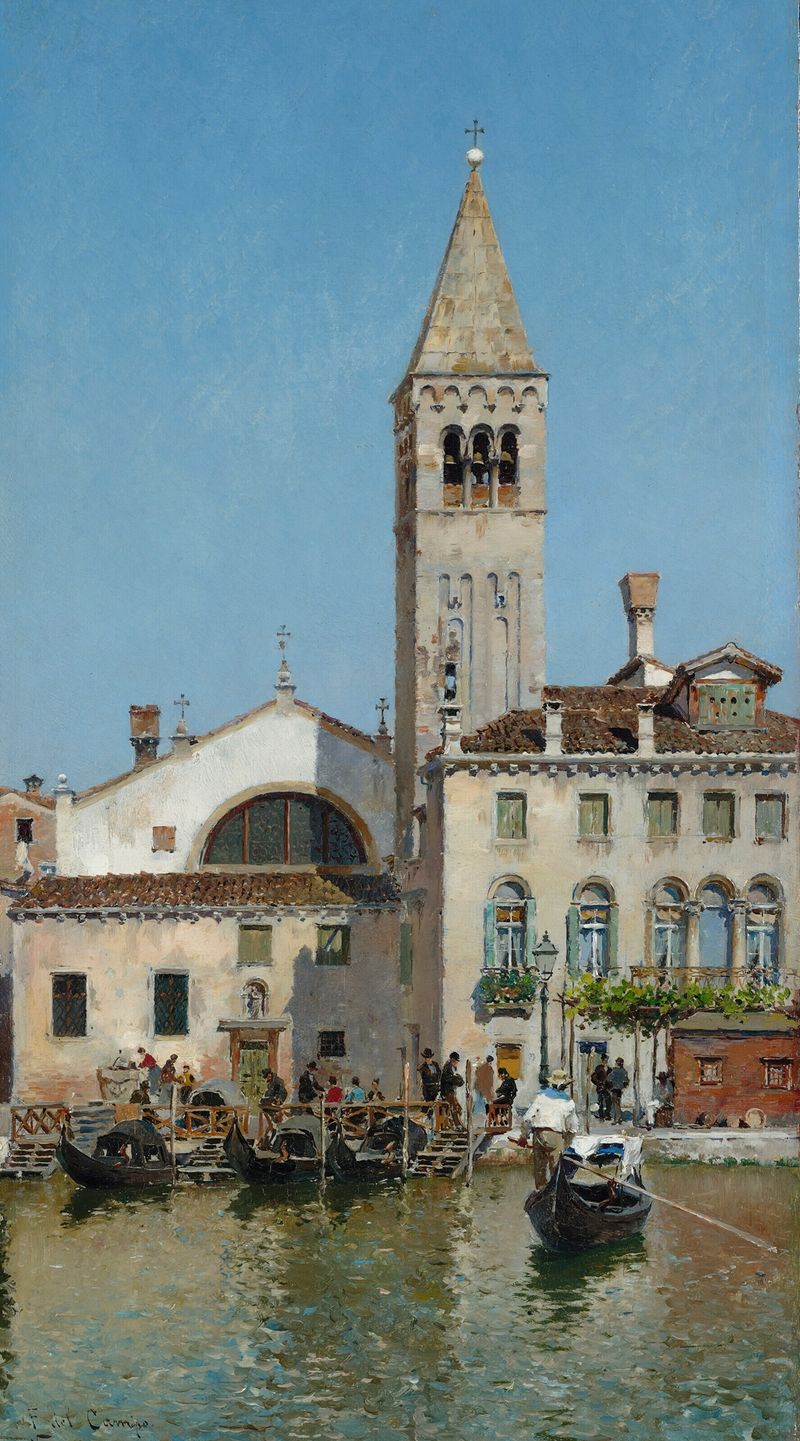
View of Venice
Federico del Campo
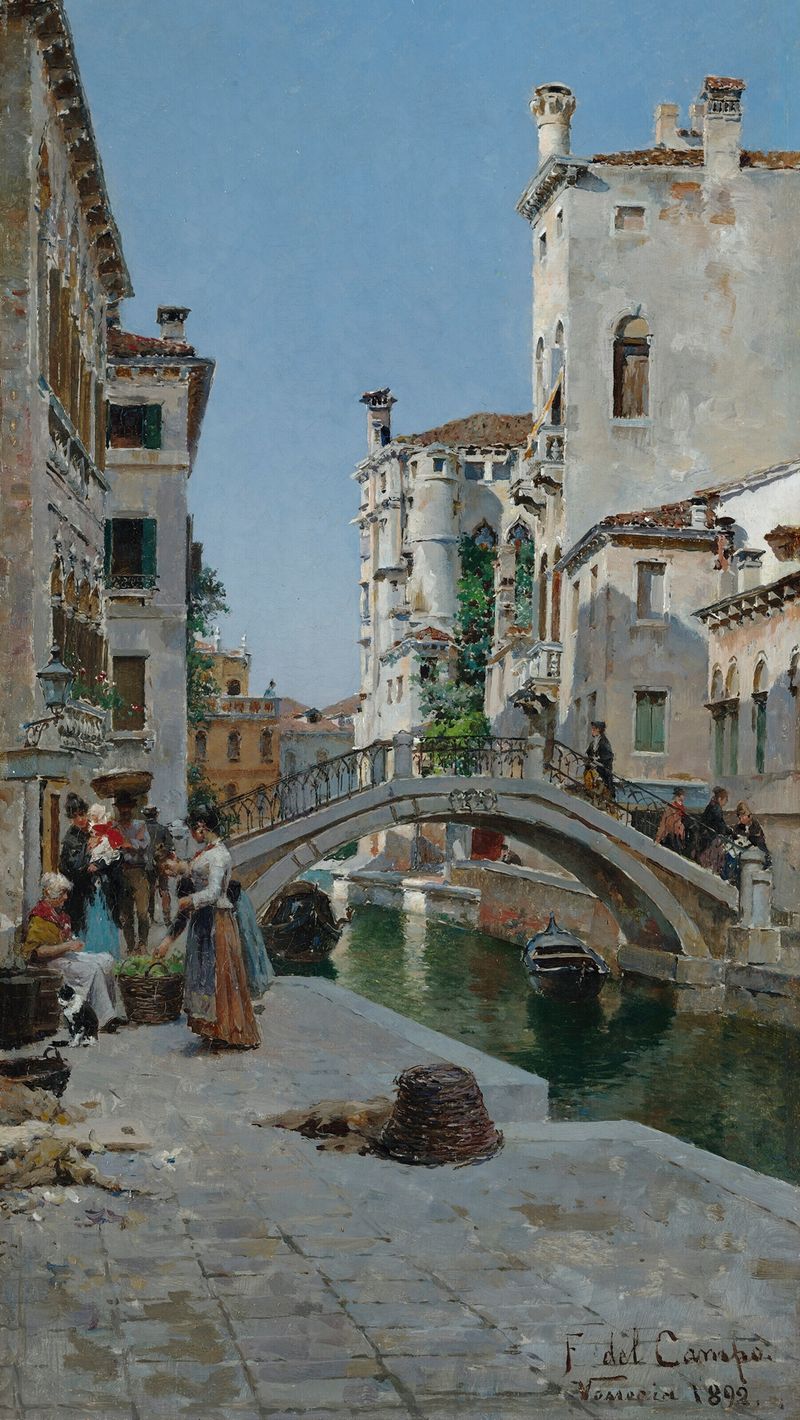
View of Venice
Federico del Campo
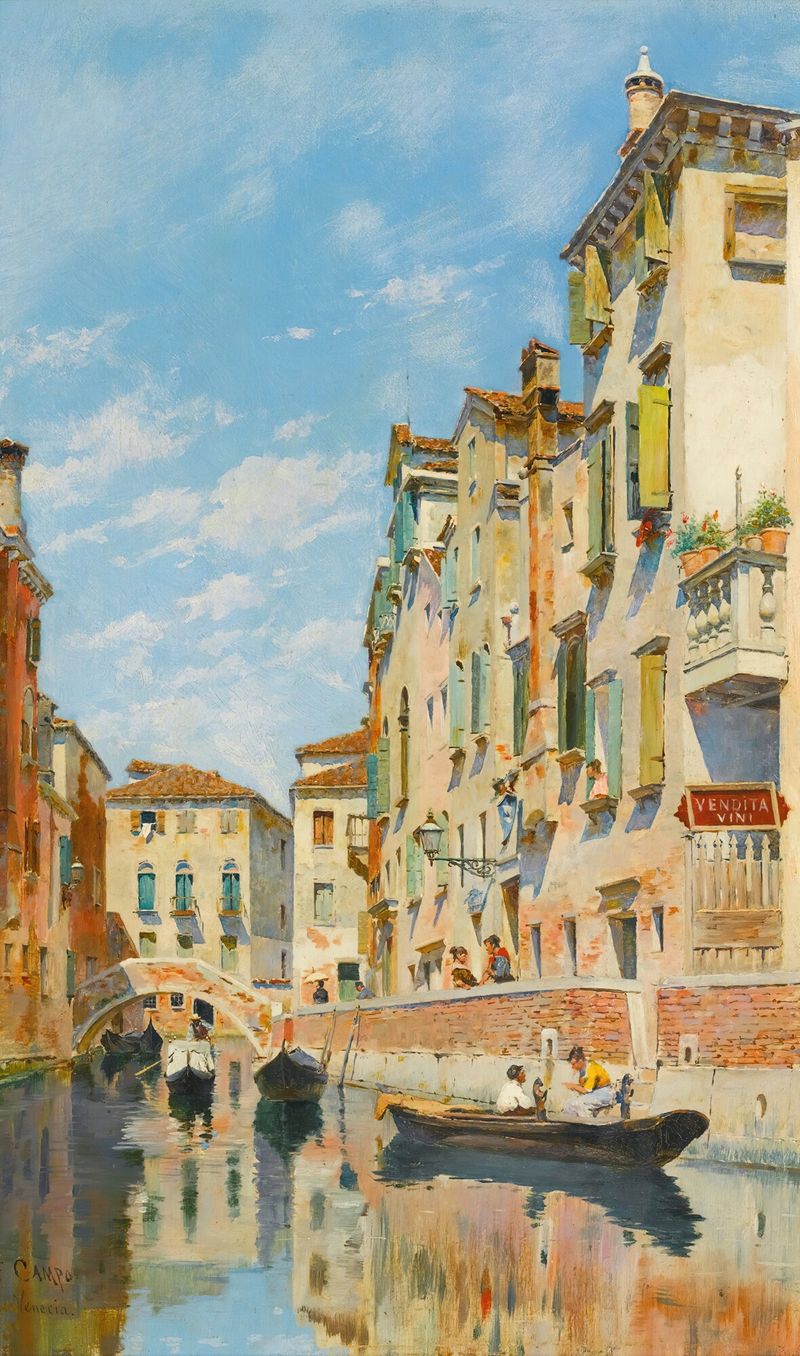
Gondolas On A Venetian Canal
Federico del Campo
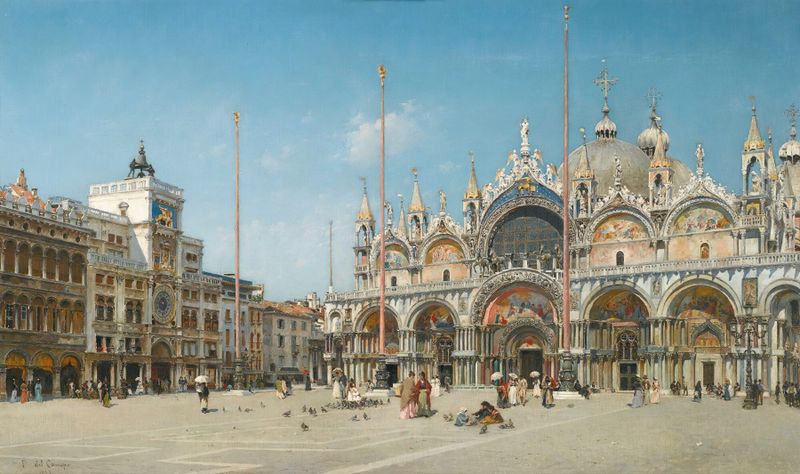
Saint Mark’s Square, Venice
Federico del Campo
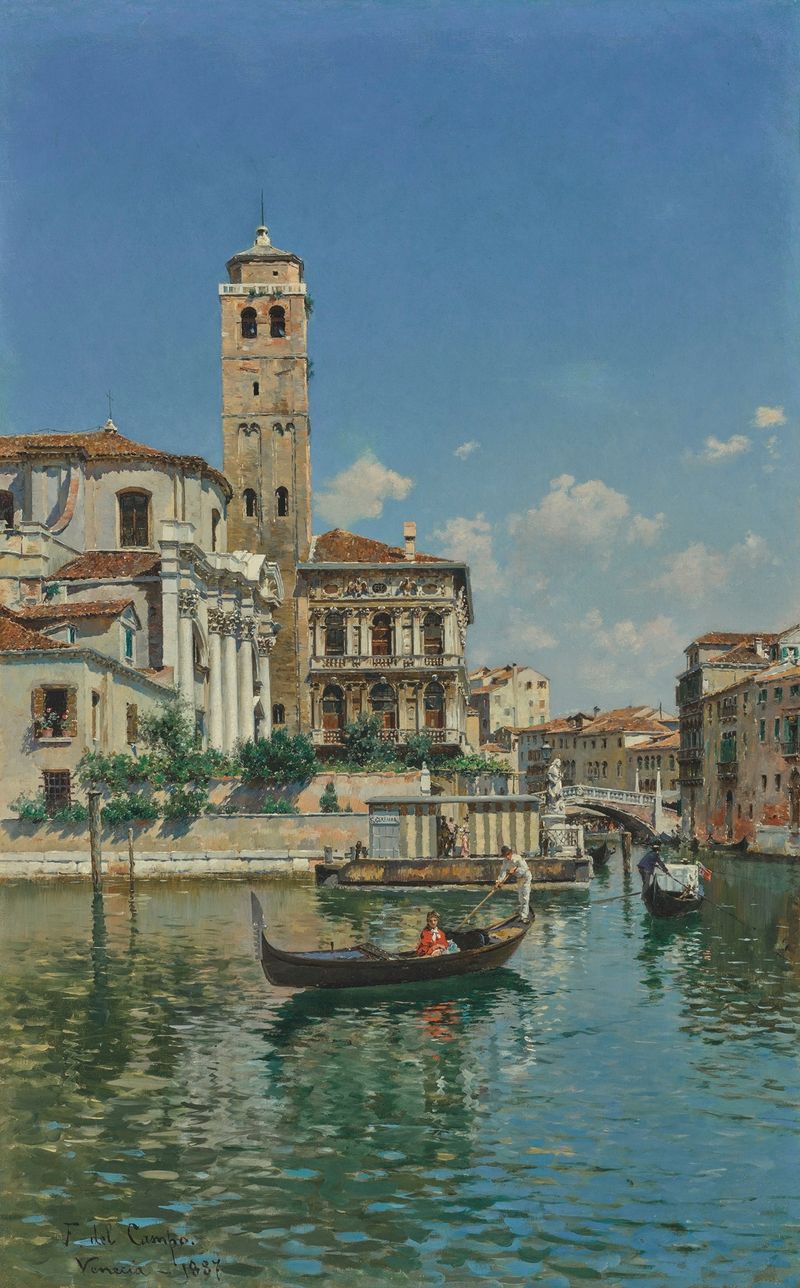
The Palazzo Labia, Venice
Federico del Campo
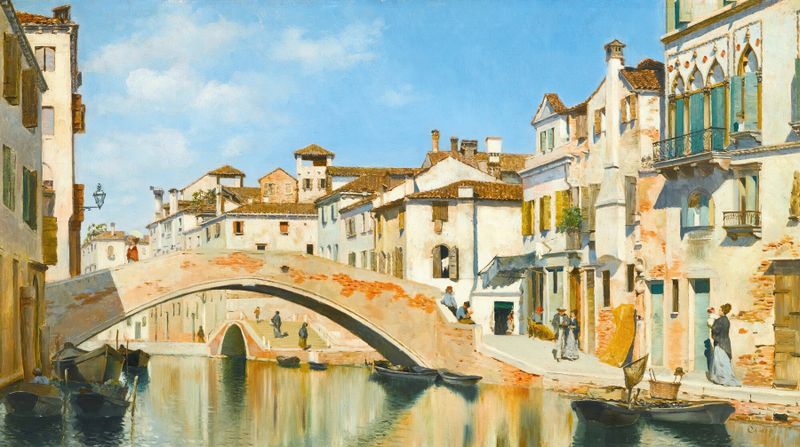
Tintoretto’s House, Venice
Federico del Campo





