Discover insights about this artwork
Carnival Scene — History & Facts
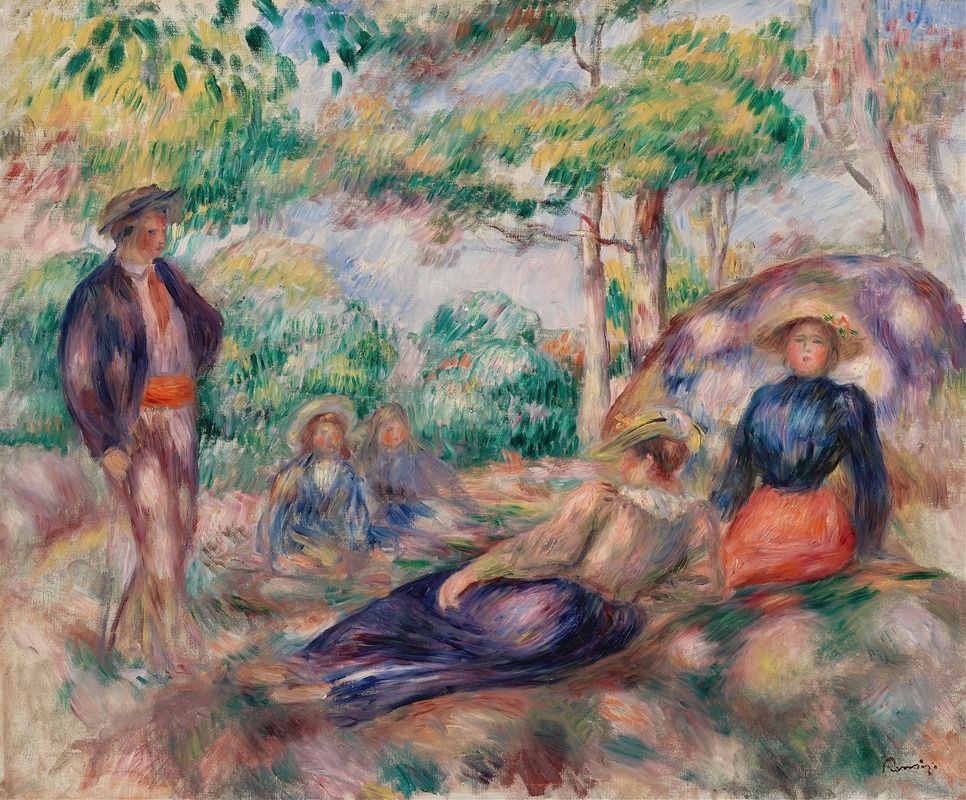
In Carnival Scene, Paul Cézanne captures a lively atmosphere filled with vibrant colors. The painting features figures dressed in festive attire, engaging in various activities. The background is filled with a mix of greenery and colorful decorations, creating a joyful setting.
The brushwork is expressive, emphasizing the movement and energy of the carnival. Cézanne employs a rich palette, using bold reds, yellows, and greens to convey the festive spirit. The composition is dynamic, with figures placed throughout the canvas, creating a sense of depth. The use of light and shadow adds dimension, highlighting the figures against the vibrant background.
This work exemplifies Cézanne's transition from Impressionism to a more structured approach. Carnival Scene reflects Cézanne's interest in capturing everyday life and social gatherings. Created in the 1890s, this piece showcases his unique style, blending color and form. Interestingly, Cézanne often painted scenes of leisure, emphasizing the importance of community and celebration.
This work is a testament to his ability to infuse ordinary moments with artistic significance.
More Artworks by Paul Cézanne
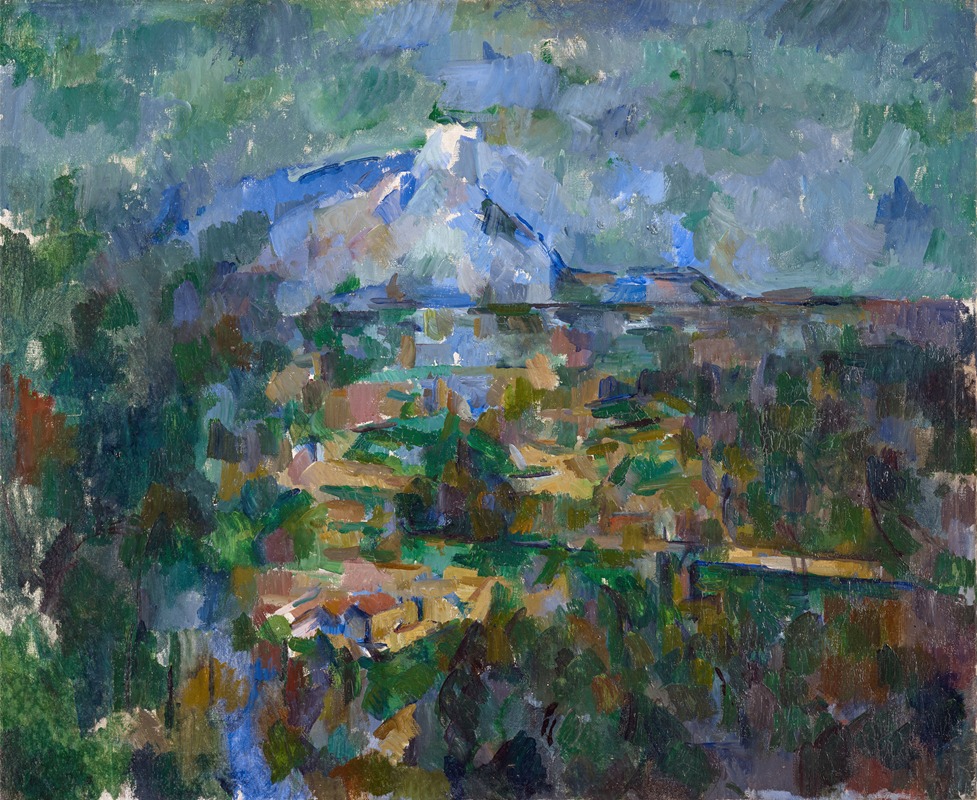
The Mont Sainte-Victoire Seen From Les Lauves
Paul Cézanne
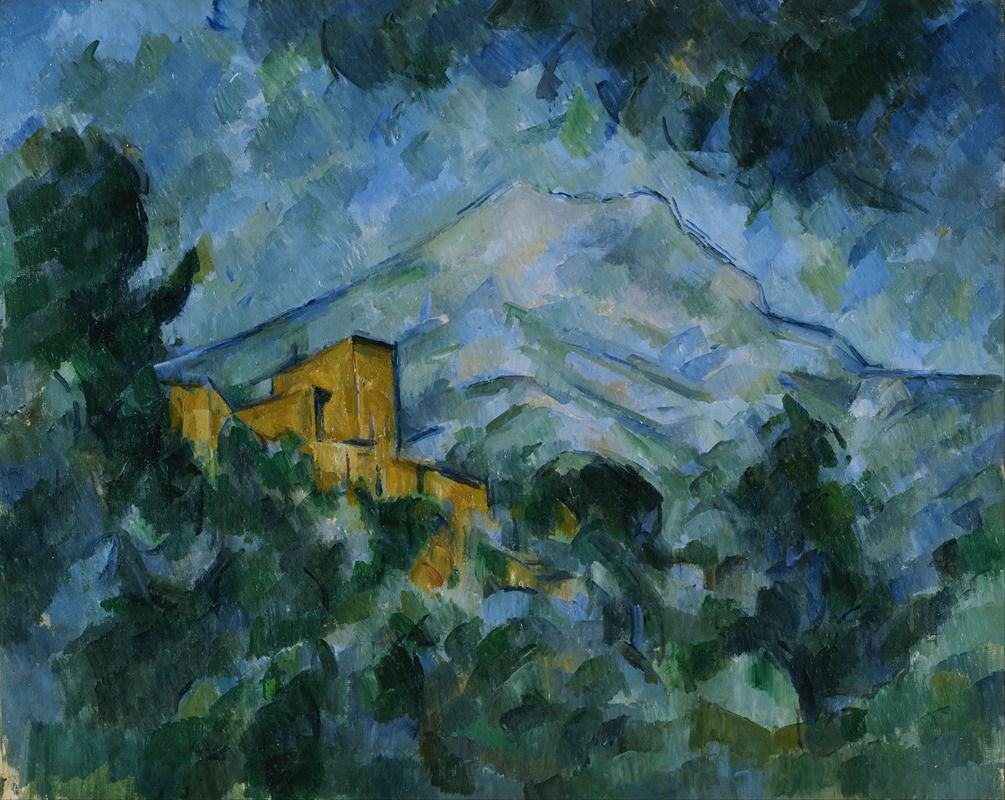
Mont Sainte-Victoire and Château Noir
Paul Cézanne
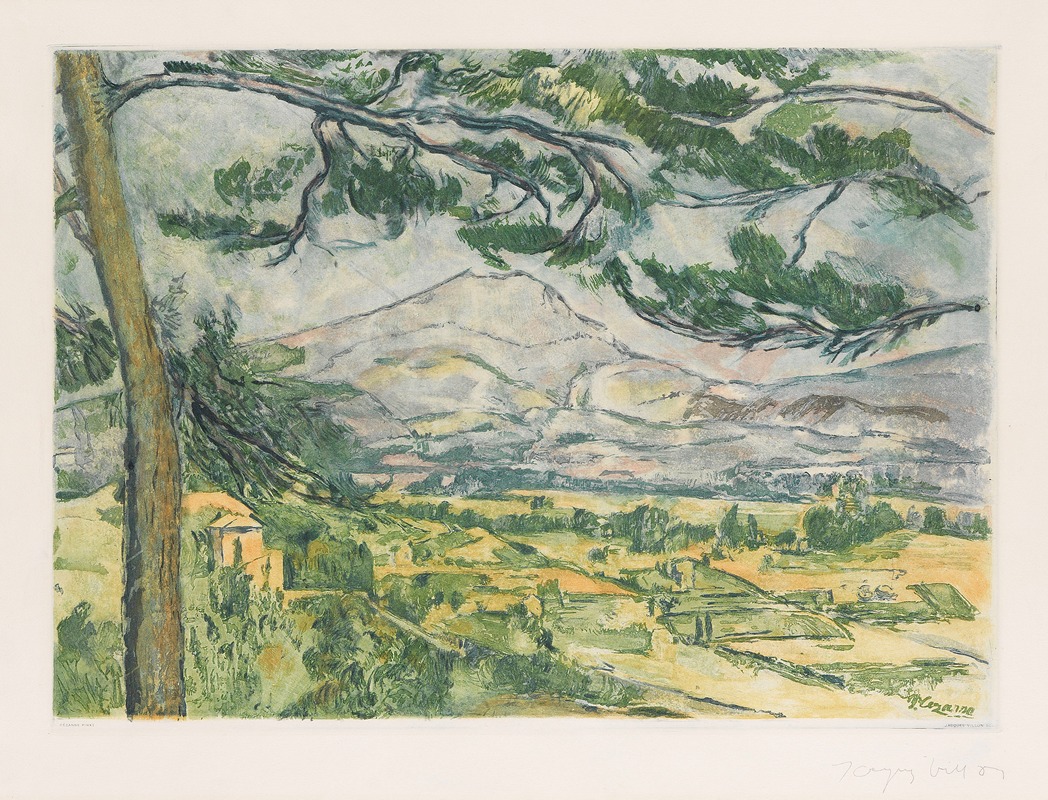
La Montagne Sainte-Victoire
Paul Cézanne
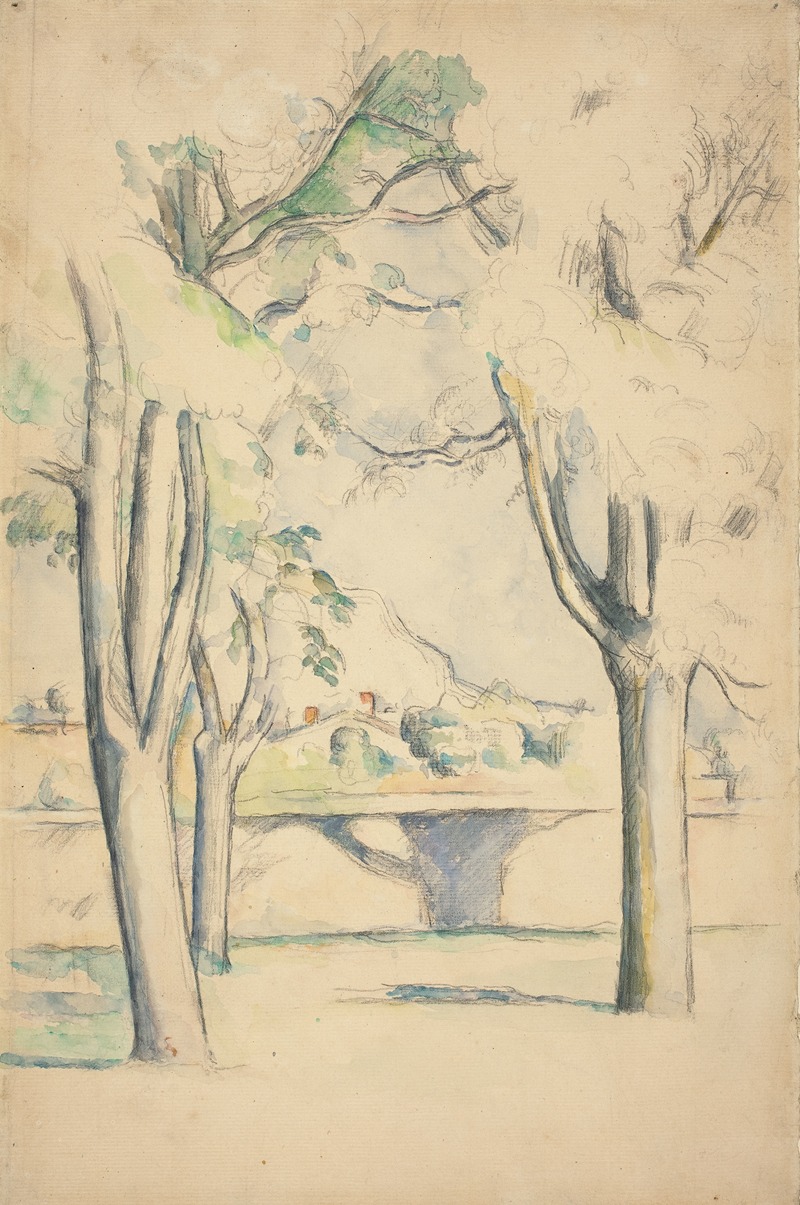
Mont Sainte-Victoire Seen beyond the Wall of the Jas de Bouffan
Paul Cézanne
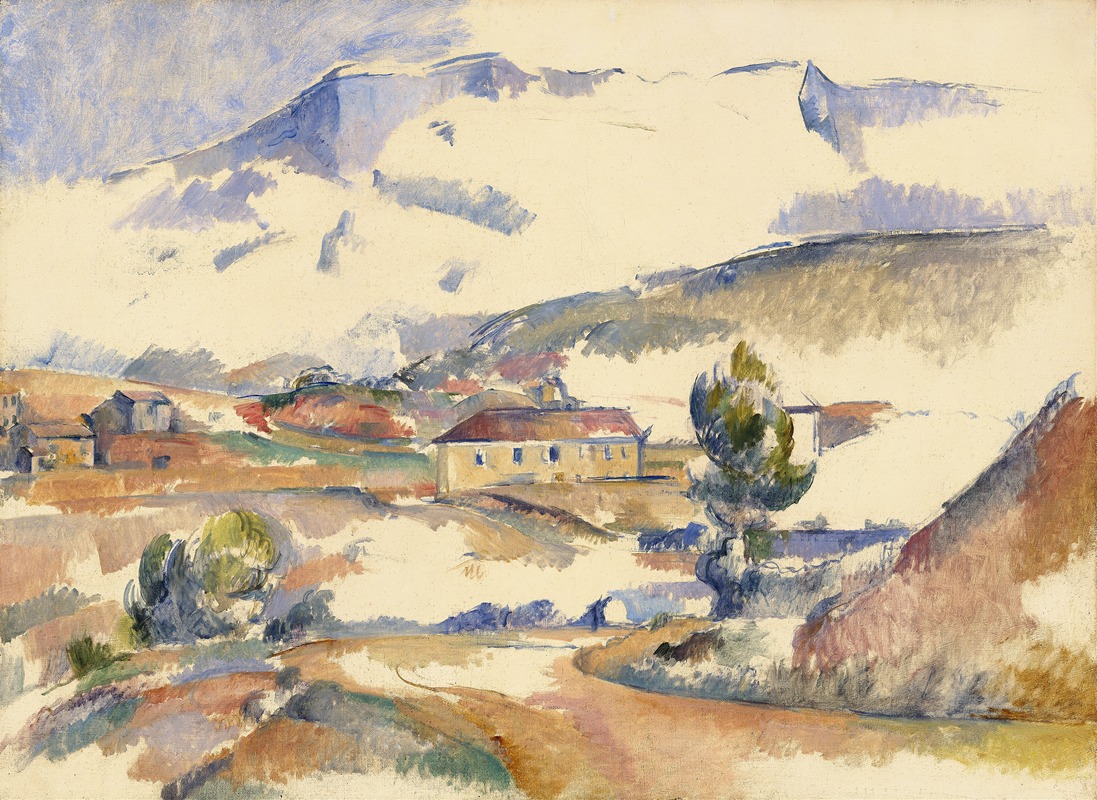
Montagne Sainte-Victoire,from near Gardanne
Paul Cézanne
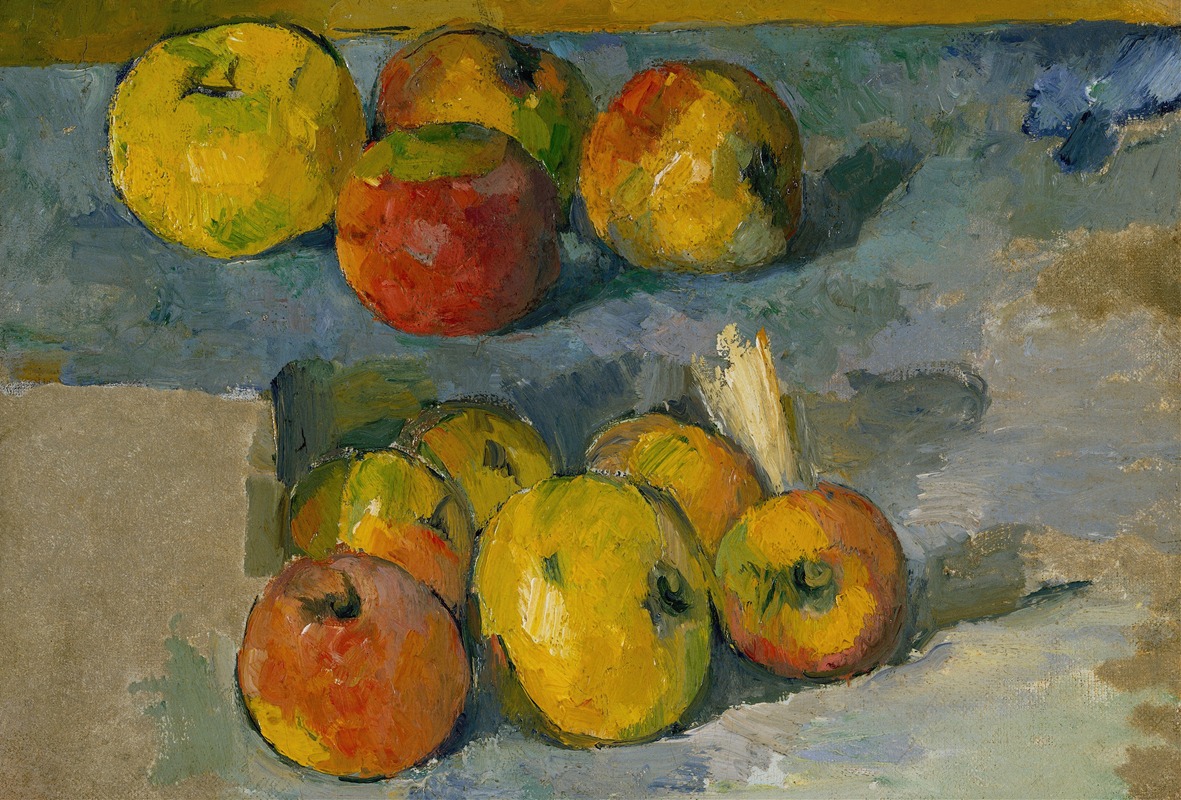
Apples
Paul Cézanne
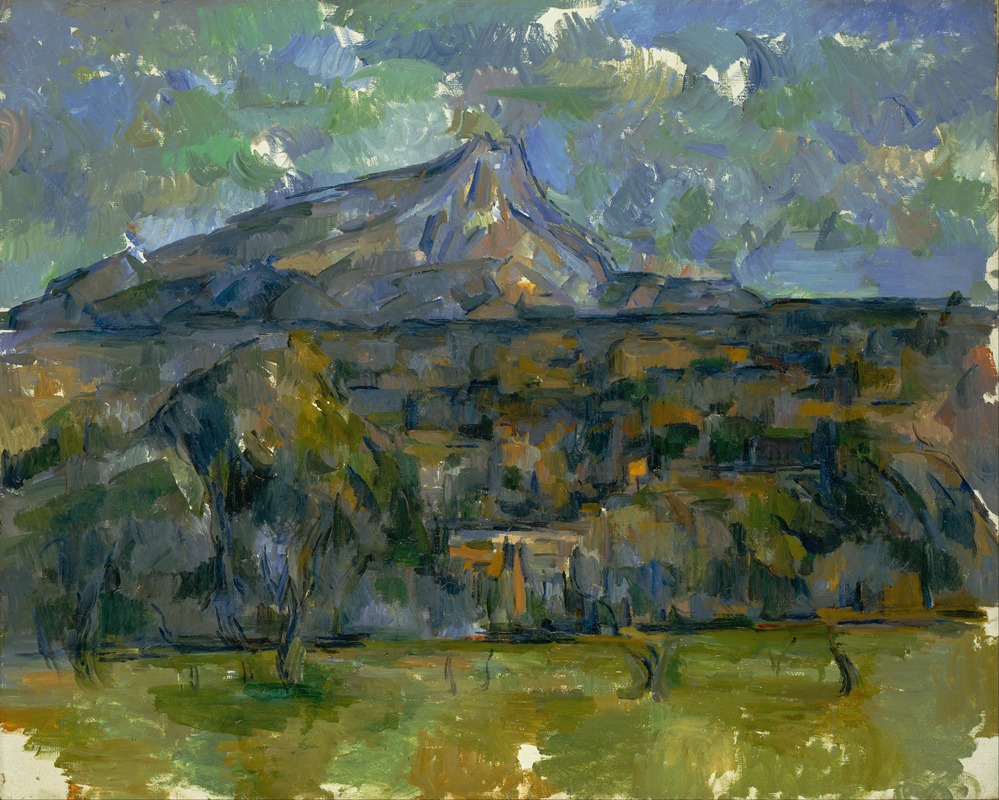
Mont Sainte-Victoire
Paul Cézanne
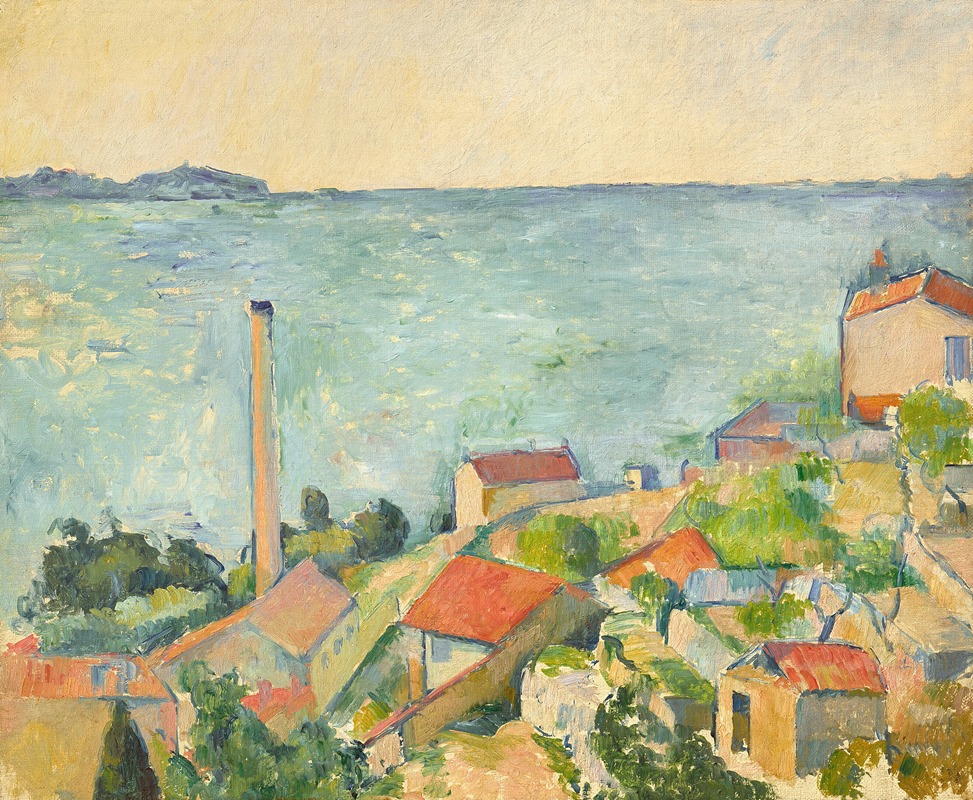
La mer à l’Estaque
Paul Cézanne
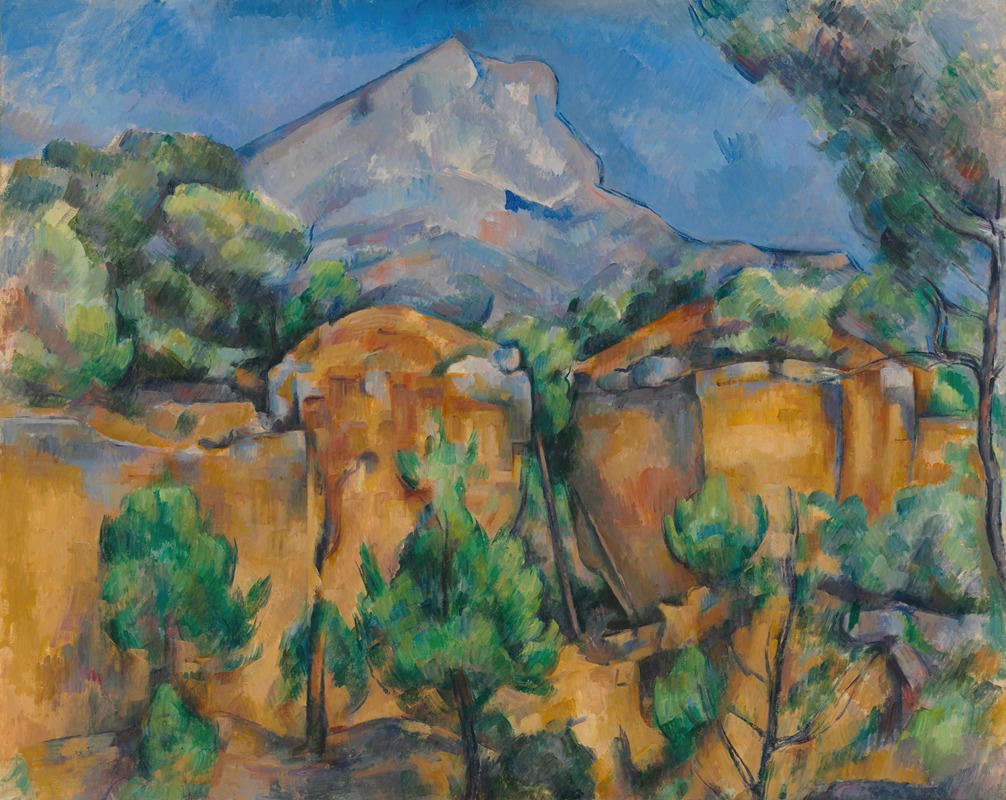
La Montagne Sainte-Victoire vue de la carrière Bibémus
Paul Cézanne
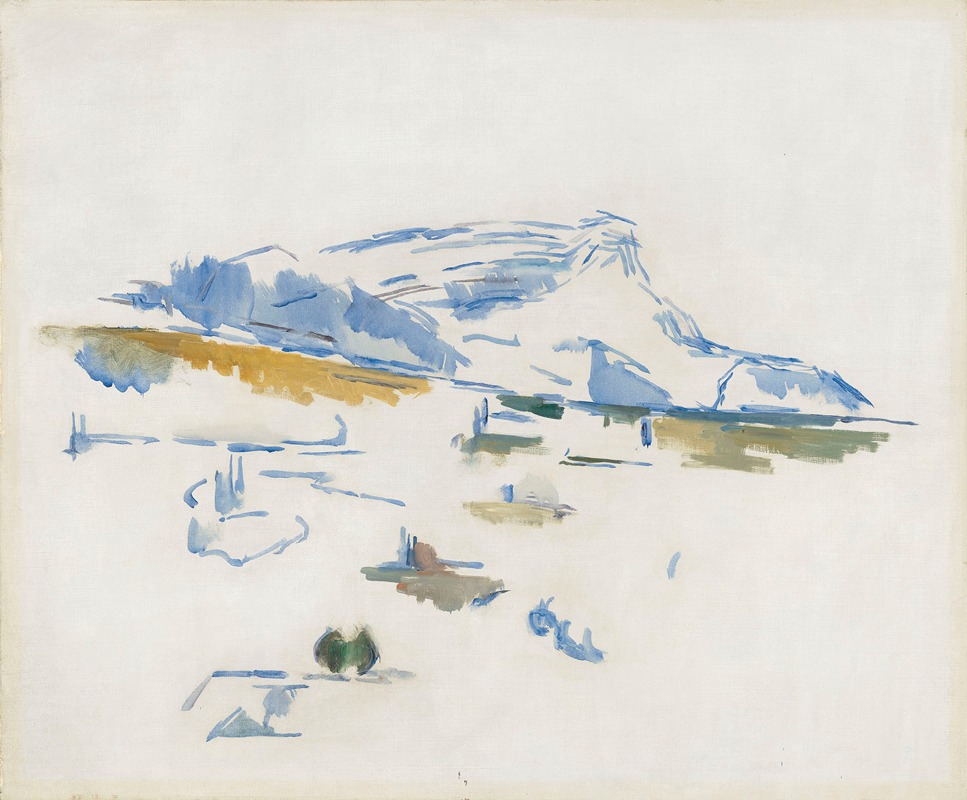
La Montagne Sainte-Victoire vue des Lauves
Paul Cézanne