Carolabrücke — History & Facts
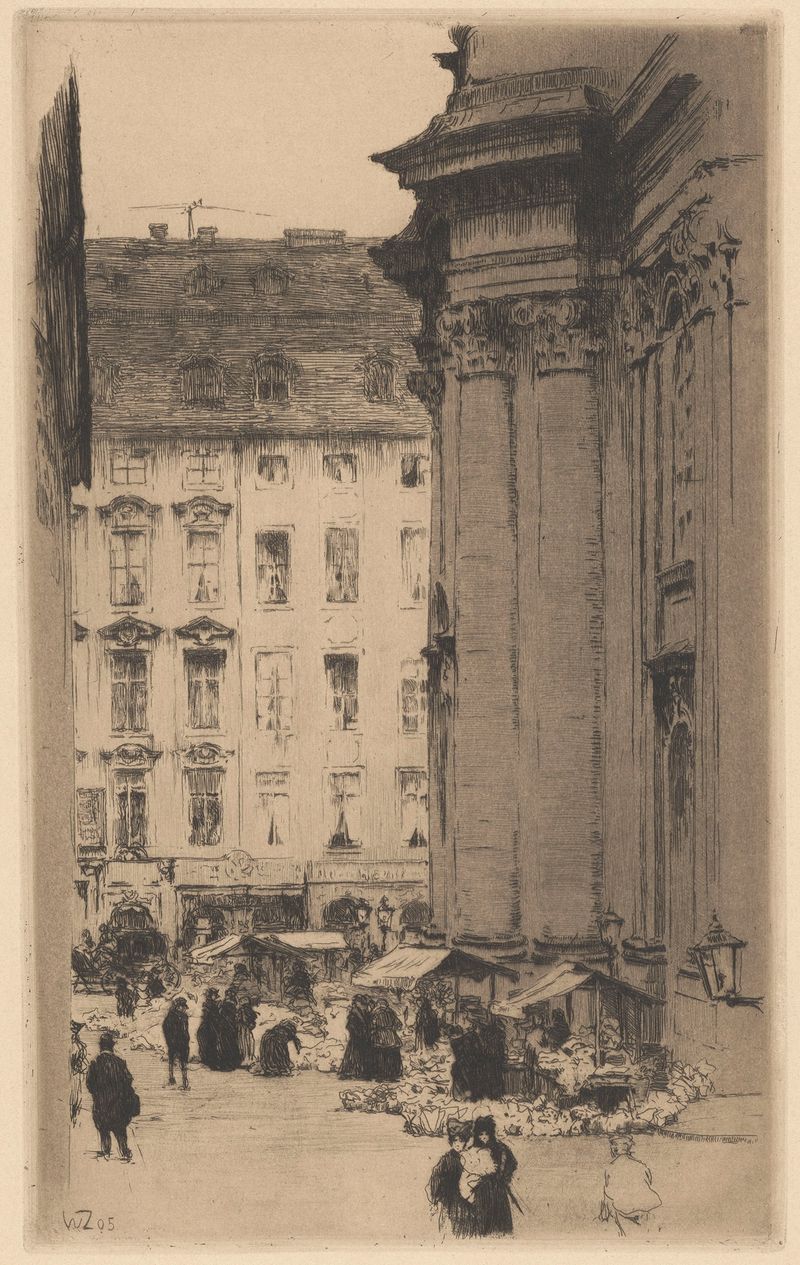
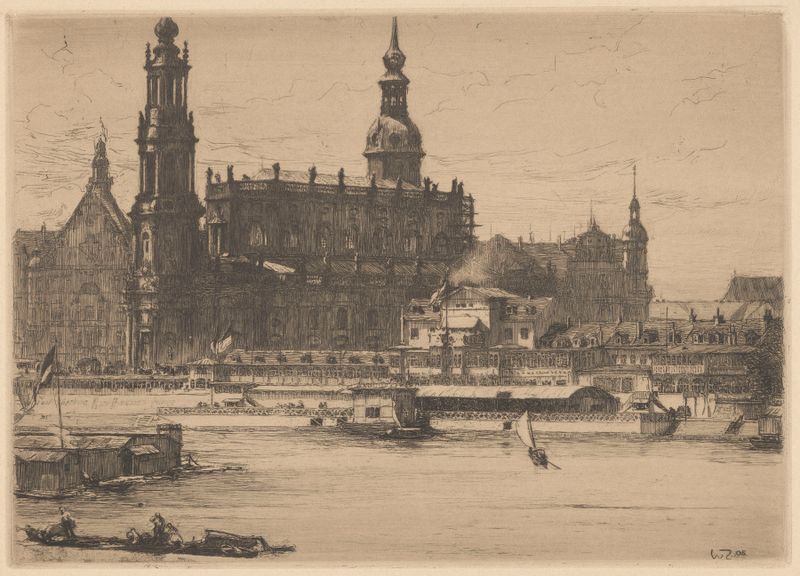
In the silent spaces between colors, longing finds a voice, echoing through time and memory. Focus first on the intricate play of blues and greens that dominate the canvas. The shimmering surface of the water, alive with gentle ripples, invites the eye to explore its depths. Look closely at the bridge itself, where the soft curve leads your gaze upward; each arch tells a story, rendered with remarkable precision.
Notice how the light dances across the scene, creating a contrast between the cool tones of the water and the warm hues of the surrounding foliage. Delve deeper into the painting’s emotional layers; the bridge, symbolizing connection, stands poised yet solitary, evoking a sense of yearning for what lies beyond. The reflections in the water suggest a world both familiar and distant, stirring feelings of nostalgia. The artist’s choice to depict the lush landscape hints at the richness of nature and the bittersweet nature of memories that linger like whispers in the air. In 1905, Zeising painted this piece during a time marked by artistic exploration and innovation.
He was deeply influenced by the impressionist movement, which was reshaping the perception of landscapes. Living in Germany amidst a growing interest in capturing modernity, he sought to convey ephemeral beauty, infusing Carolabrücke with a quiet yet poignant sense of longing, reflecting both personal and societal transitions.