Blumenmarkt an der Kreuzkirche — History & Facts
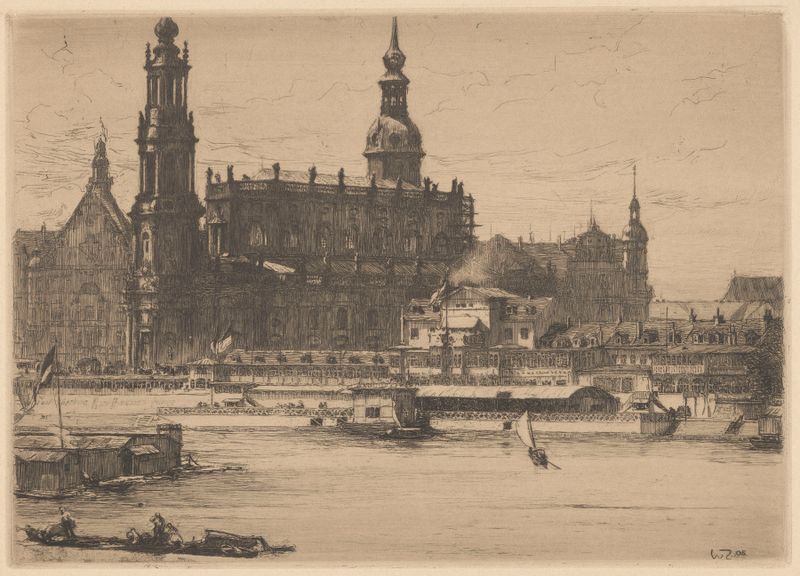
What if silence could speak through light? In Blumenmarkt an der Kreuzkirche, the delicate interplay of color and shadow whispers stories of rebirth and renewal, breathing life into a moment frozen in time. Look to the center of the canvas where the vibrant blossoms burst forth in a riot of hues—reds, yellows, and purples—radiating warmth against a backdrop of cool tones. Notice how the sun bathes the flower market in soft, golden light, creating a serene ambiance that invites the viewer to step closer. The carefully arranged bouquets, set against the backdrop of the Kreuzkirche, draw the eye upward, guiding one’s gaze toward the gentle arch of the church’s architecture.
The juxtaposition of nature’s fleeting beauty and the permanence of stone reflects the tension between transience and eternity. Delve deeper into the nuances of the scene: the soft smiles of vendors, their hands poised gracefully over the flowers, embody a sense of hope and community. The contrast between the blooming flowers and the sturdy church structure hints at the cycle of life—each petal a symbol of new beginnings amid the backdrop of steadfast faith. The painting transcends mere depiction; it stirs emotions of joy and nostalgia, as if each blossom carries echoes of whispered promises. Walter Zeising painted Blumenmarkt an der Kreuzkirche in 1905, during a period of personal transformation and artistic exploration.
Living in Dresden, Germany, he was deeply influenced by the vibrant art scene around him, which was shifting towards new expressions of color and light. This work emerges from a time when the artist sought to capture the essence of everyday life with an idealistic lens, reflecting both his surroundings and the cultural shifts of the early 20th century.