
Cascade of St Miguel del Fai near Barcelona — History & Facts
When did color learn to lie? In a world where hues dance between truth and illusion, one can only wonder about the narratives woven into the strokes of a master’s brush. Each shade hints at a story, a moment captured and yet transformed by the artist’s hand. Focus on the rich greens that blanket the cascading hills, where nature’s vibrancy spills down the canvas like an untamed river. Notice how the dappled sunlight pierces through the foliage, creating a play of light that draws your gaze deeper into the lush landscape.
The artist’s meticulous attention to detail in the water’s flow and the rocky outcrops speaks not only of skill but also of a profound connection to the environment, inviting you to linger as you explore the depth of the scene. The juxtaposition of the serene waterfall against the rugged terrain evokes a sense of harmony and conflict. The cascading water represents both creation and destruction, a symbol of life’s relentless changes. Small details, like the delicate blooms nestled among the stones, whisper of resilience amid the harshness of nature—a celebration of beauty enduring through time.
This interplay of elements captures a moment that feels both ephemeral and eternal, drawing viewers into a contemplation of their own existence within such landscapes. Charles Hamilton Smith created this piece during a period when Romanticism was flourishing throughout Europe, likely in the early 19th century. His works reflect a transition toward capturing the sublime—an exploration of nature’s beauty that mirrored the cultural shift of the time. While the specifics of this piece’s creation remain elusive, the artist often found inspiration in Spain, contributing to the romanticized vision of the natural world that dominated his era.
More Artworks by Charles Hamilton Smith
Browse all →
Situation of H.M.S. Hecla & Griper
Charles Hamilton Smith
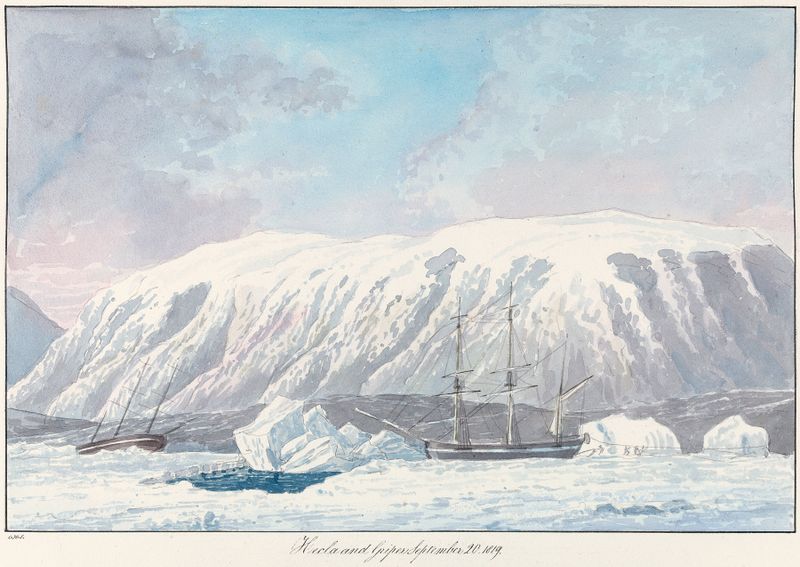
Hecla and Griper
Charles Hamilton Smith

Friendly Cove, Nootka Sound
Charles Hamilton Smith

Iceberg in Baffin’s Bay
Charles Hamilton Smith
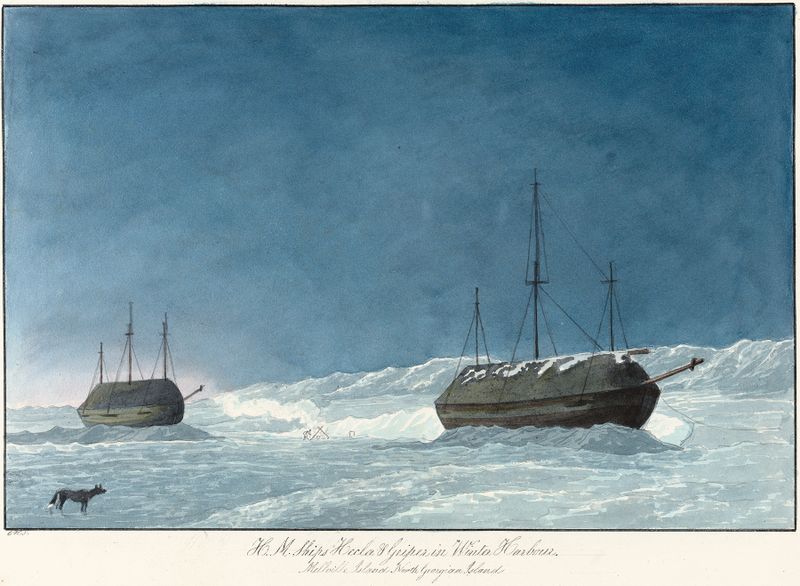
H. M. Ships Hecla and Griper in Winter Harbour
Charles Hamilton Smith

The Erebus & Terror in a Gale in the Pack of the Ice
Charles Hamilton Smith
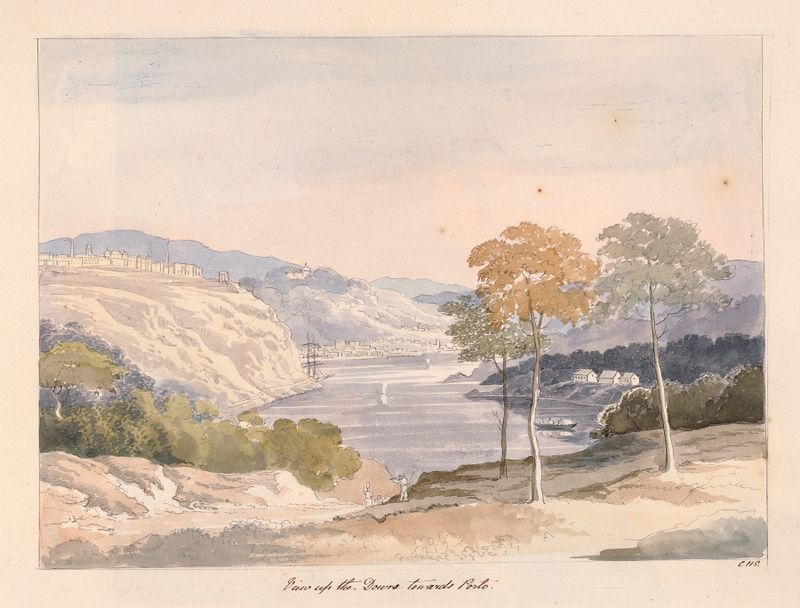
View of the Douro towards Porto
Charles Hamilton Smith
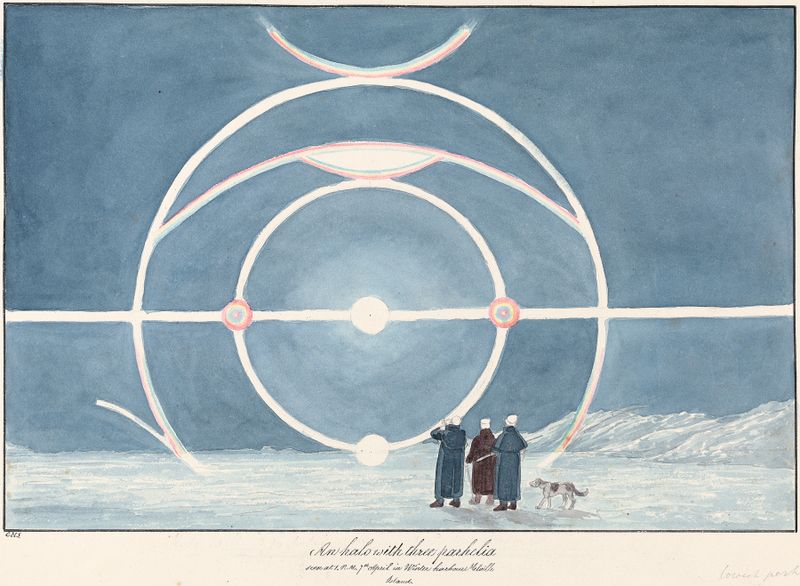
Halo with Three Parhelia, Winter Harbour Melville Island
Charles Hamilton Smith
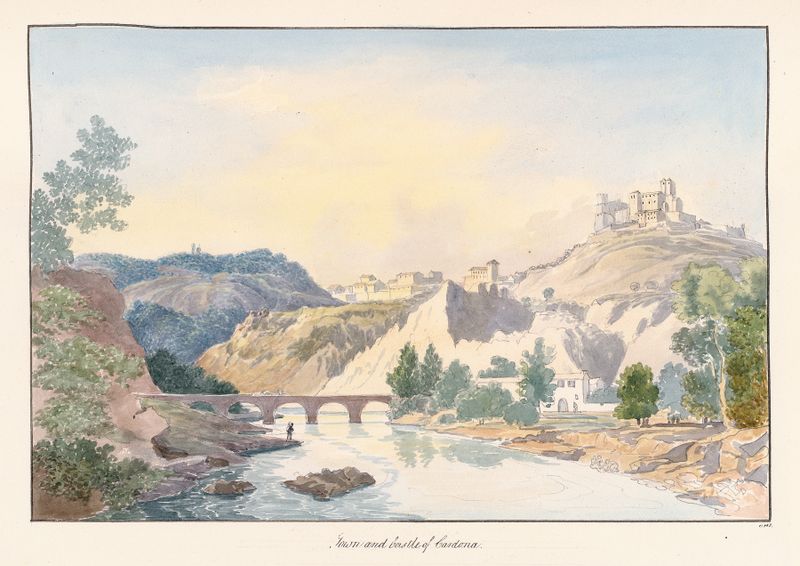
Town and Castle of Cardona
Charles Hamilton Smith
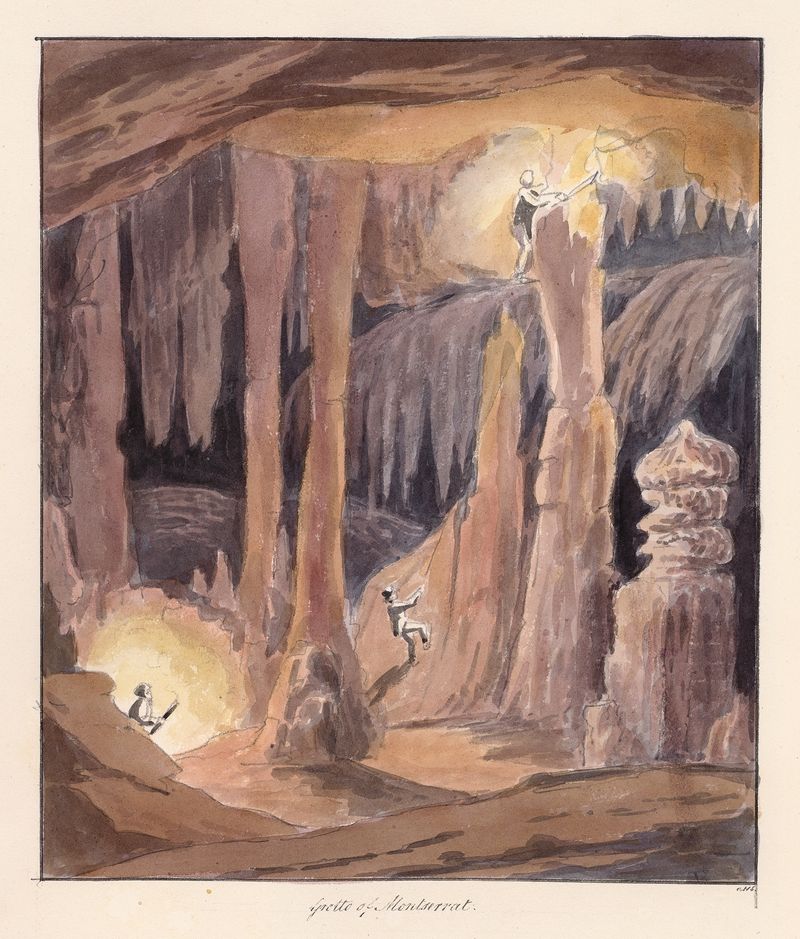
Grotto of Montserrat
Charles Hamilton Smith





