
Castel Sant’ Angelo — History & Facts
Can beauty exist without sorrow? As the viewer gazes upon the intricate portrayal of the majestic fortification, a bittersweet symphony of history and artistry unfolds. Each brushstroke whispers tales of resilience, while the serene landscape hints at the underlying struggles woven into the very fabric of the scene. Focus your attention on the grand fortress in the center, its robust walls rising majestically against the azure sky. Notice how the light dances upon the stone, illuminating its grandeur while casting shadows that evoke an air of mystery.
The vibrant hues of the surrounding trees and water create a striking contrast, inviting the eye to explore the harmonious interplay between natural beauty and human-made structure. Hidden within this picturesque scene are layers of meaning. The juxtaposition of the fortress's imposing presence with the tranquil river below reflects the duality of strength and vulnerability, hinting at the stories of those who sought refuge within its walls. Moreover, the soft ripples in the water mirror the passage of time, reminding us of the inevitability of change and the impermanence of beauty itself. In the early 19th century, Ender painted this work during a period marked by a burgeoning interest in Romanticism.
Working primarily in Vienna, he sought to capture both the grandeur of landscapes and the emotional depth of human experiences. This was a time of great transformation in Europe, when artists began to explore themes of nature and the sublime, breaking free from the constraints of classical representation.
More Artworks by Thomas Ender
Browse all →
Der Grundlsee in der Steiermark
Thomas Ender

Der Großglockner mit der Pasterze
Thomas Ender
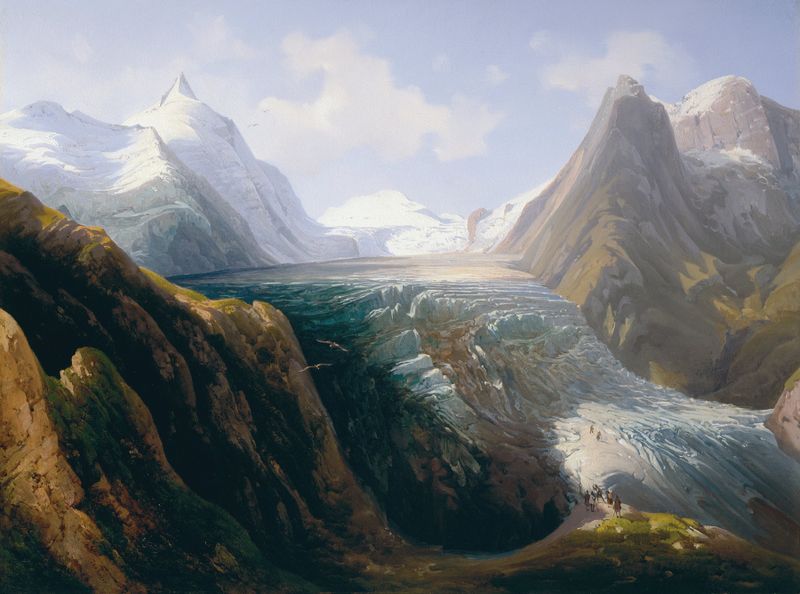
Der Großglockner mit der Pasterze
Thomas Ender
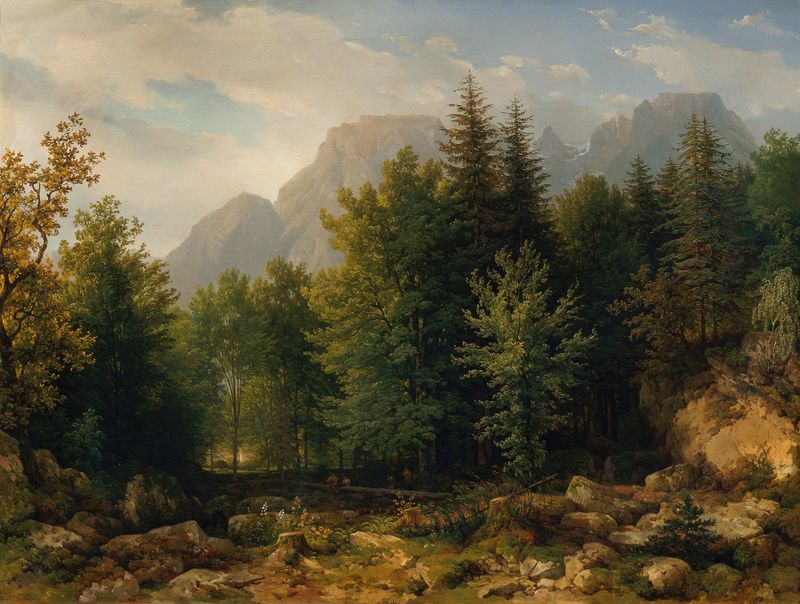
Waldlandschaft im Hochgebirge
Thomas Ender

A view of Bad Aussee with Loser mountain
Thomas Ender

Gasteinertal with a View of the Waterfall in Bad Gastein
Thomas Ender

Der Altausseersee mit dem Dachstein
Thomas Ender
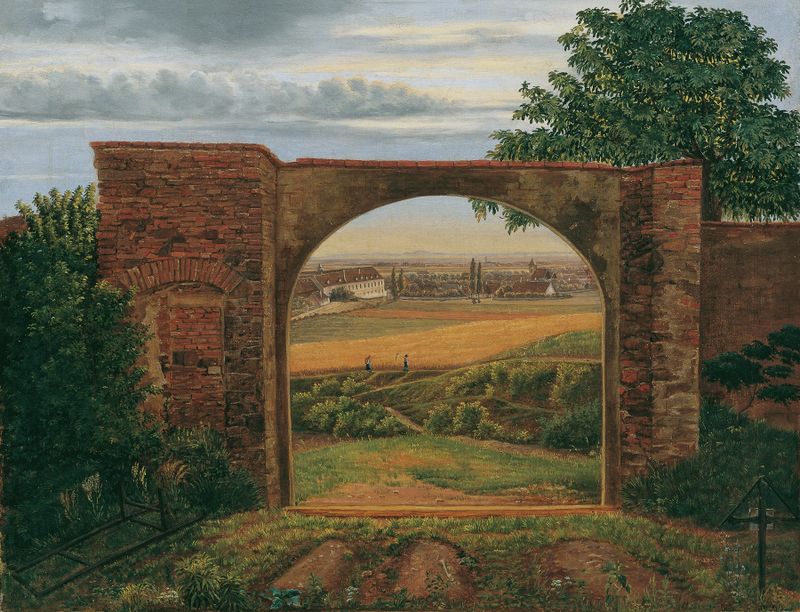
Das Friedhofstor (Friedhof bei Wien)
Thomas Ender
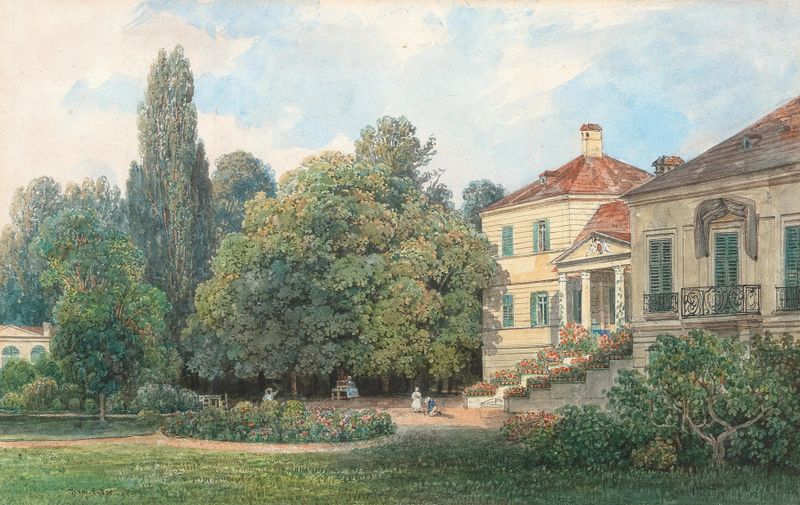
Villa in a park
Thomas Ender

View of Leopoldsberg with resting women and sheep in the foreground
Thomas Ender
More Architecture Art
Browse all →
The statue of Liberty
Frédéric Auguste Bartholdi

View of Houses in Delft, Known as ‘The Little Street’
Johannes Vermeer

View of Houses in Delft, Known as ‘The Little Street’
Johannes Vermeer

The Cathedral in Rouen. The portal, Grey Weather
Claude Monet

The yellow house
Vincent van Gogh

The Church in Auvers-sur-Oise, View from the Chevet
Vincent van Gogh