
Castellan's Daughter — History & Facts
The most intriguing fact about Castellan's Daughter is its mysterious place in the late career of Jan Matejko. Although Matejko is celebrated for his grand historical canvases, this work, dated 1934—long after the artist's death in 1893—has puzzled scholars and collectors alike. The painting is often cited as a posthumous attribution, raising questions about its provenance and the true hand behind the brush.
No contemporary records mention its commission or exhibition, and its first documented appearance is in a private collection decades after Matejko's passing. The scene captures a charged moment from Polish legend: the daughter of a castle warden, torn between filial duty and forbidden love. In Matejko's composition, she stands at the threshold of a heavy wooden door, one hand clutching a letter, her gaze fixed on the distant horizon beyond the ramparts. The play of light isolates her figure, emphasizing her solitude, while the shadowed armor and keys at her feet allude to her father's authority and the burdens of loyalty.
The delicate embroidery of her gown, rendered with Matejko's characteristic attention to historical detail, contrasts with the stark stone walls, underscoring the tension between personal longing and the weight of tradition. Unlike Rembrandt’s introspective heroines, Matejko’s daughter is caught in action, her decision still unresolved. As an object, Castellan's Daughter stands apart from the monumental canvases that secured Jan Matejko's reputation as the chronicler of Polish history. Its uncertain origins have led to ongoing debates about attribution, with some experts suggesting it may be the work of a devoted follower or a later homage.
The painting’s medium is not definitively recorded, though it is believed to be oil on canvas, consistent with Matejko’s practice. Today, it remains in a private collection, rarely exhibited, and its ambiguous status continues to invite both scholarly scrutiny and public fascination. Whether by Matejko’s own hand or that of another, the work endures as a testament to the enduring power of Polish legend and the complexities of artistic legacy.
More Artworks by Jan Matejko
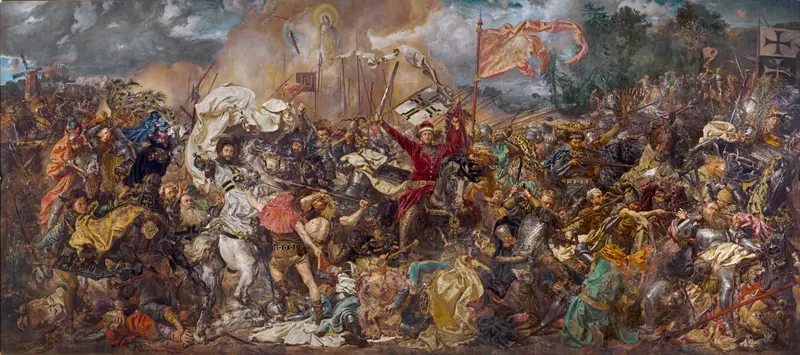
Battle of Grunwald
Jan Matejko

Stańczyk
Jan Matejko

Battle of Raclawice
Jan Matejko
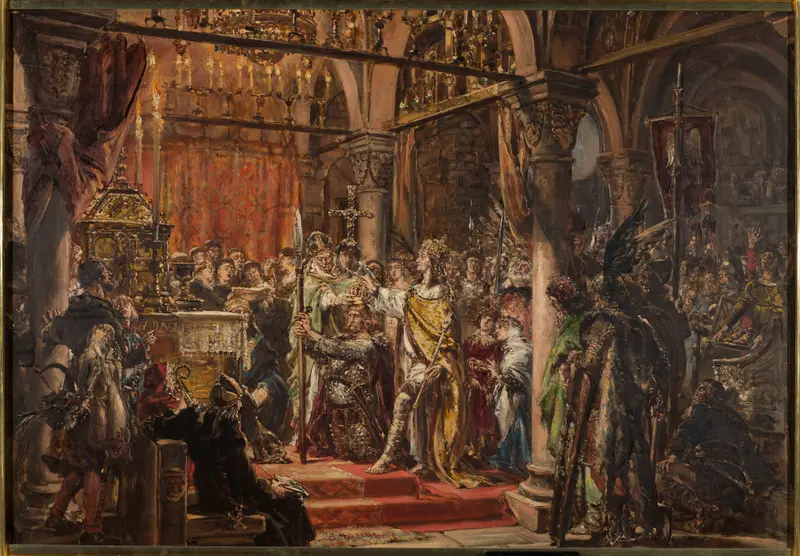
Coronation of the First King, 1001 AD, from the series “History of Civilization in Poland”
Jan Matejko
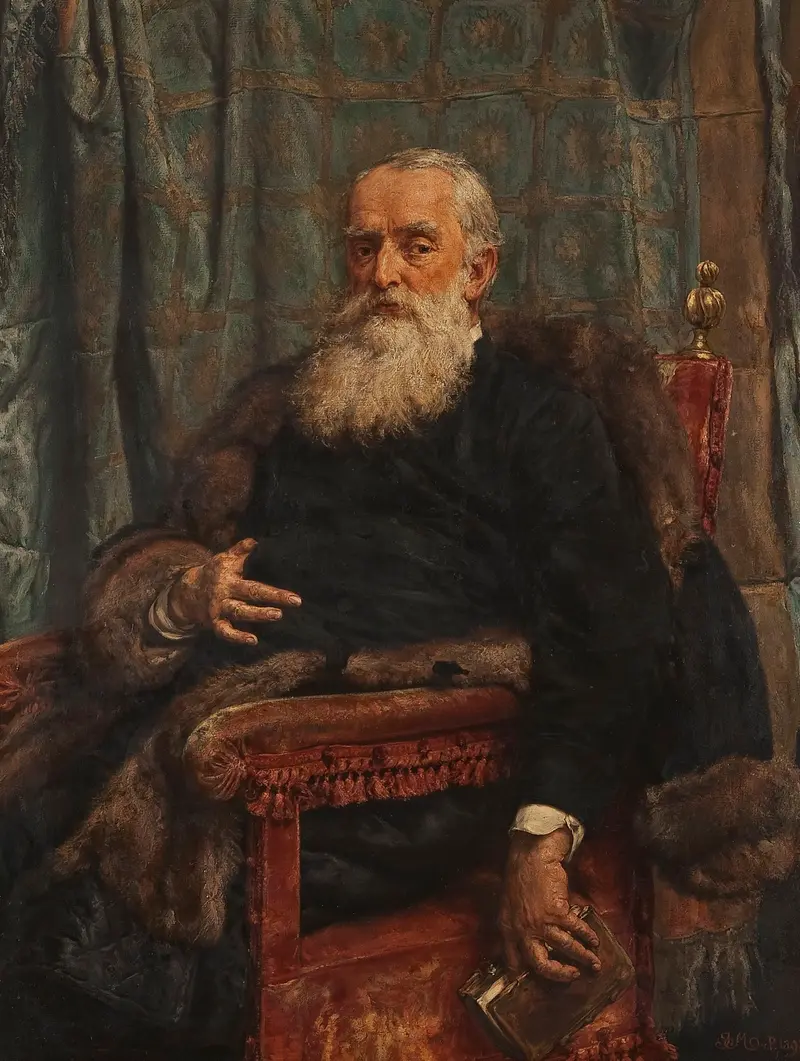
Portrait of Henryk Krajewski
Jan Matejko
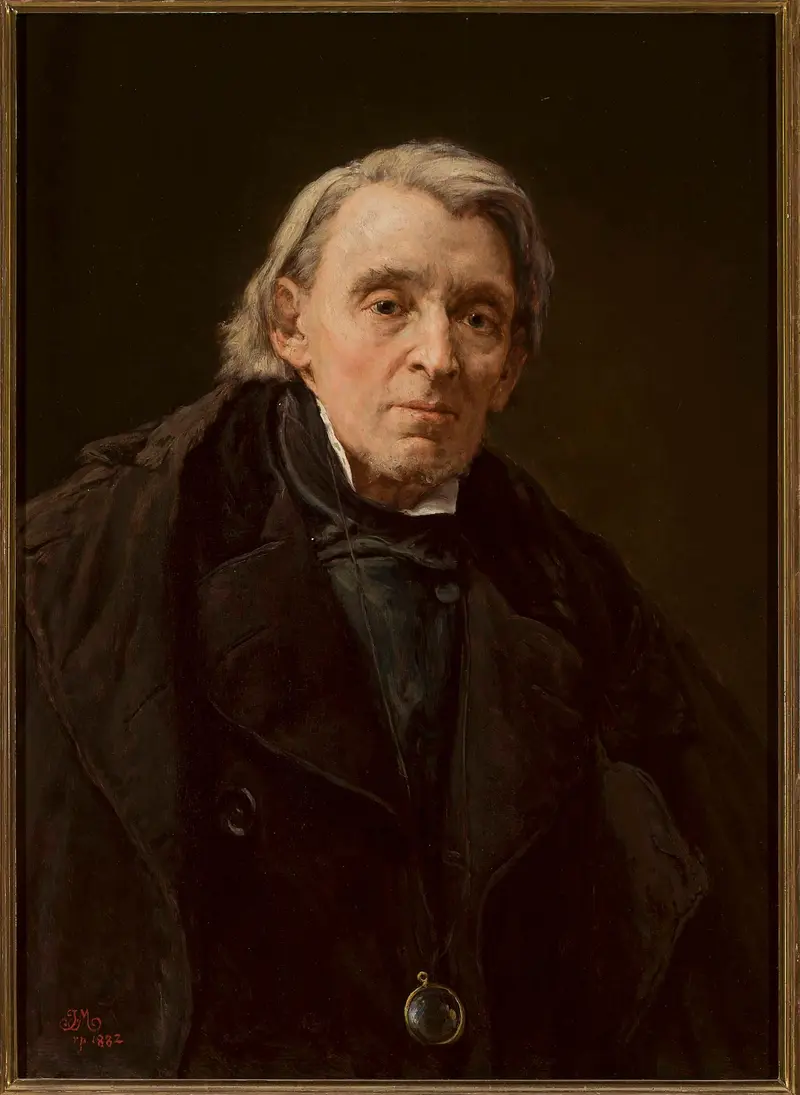
Portrait of Karol Podlewski
Jan Matejko
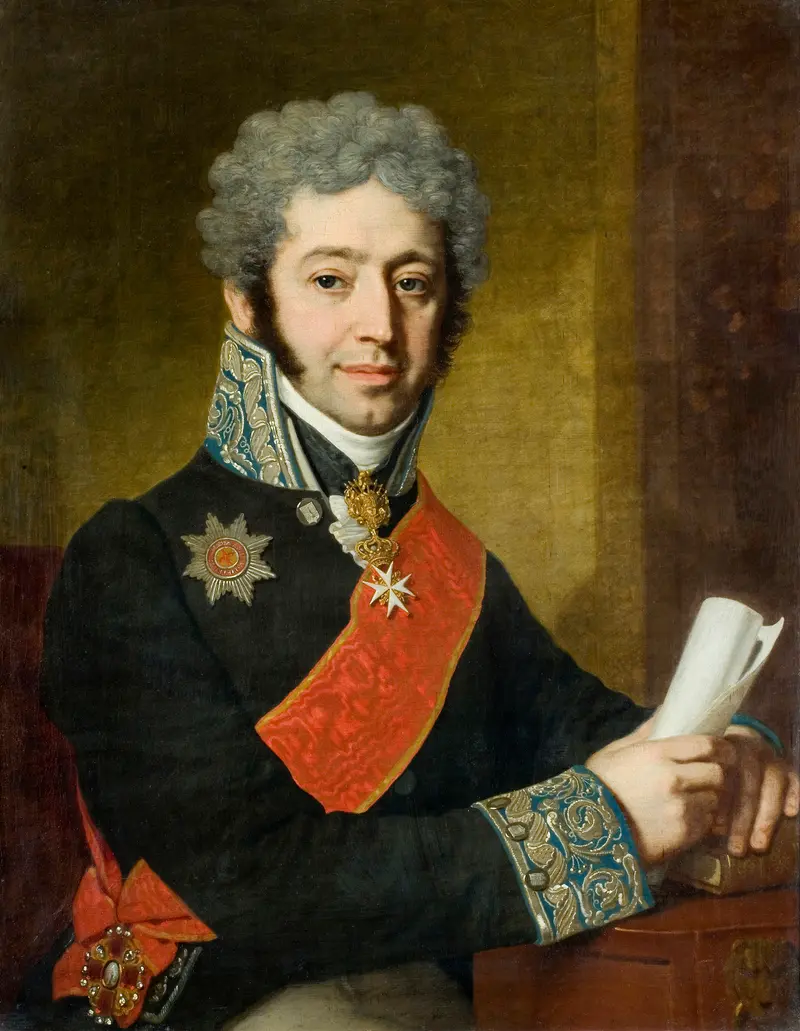
Portrait of Potocki and Poninski
Jan Matejko
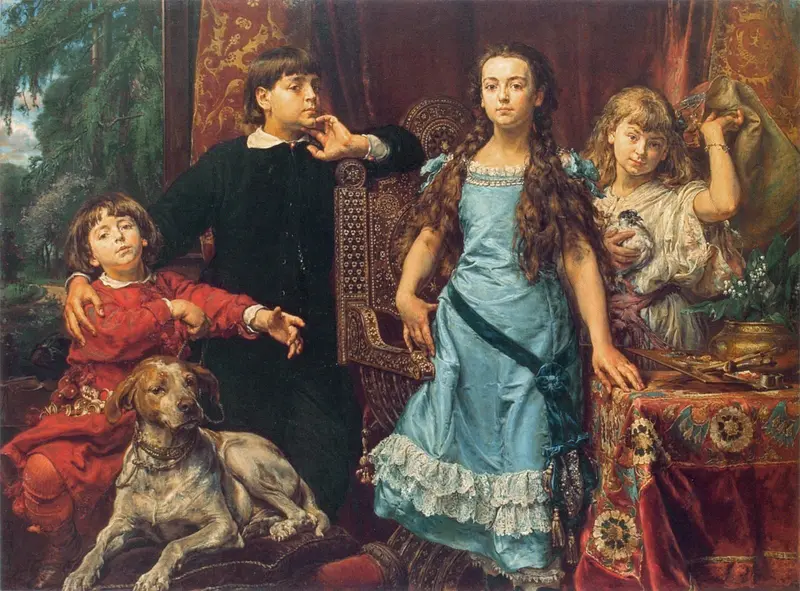
Portrait of the artist's four children
Jan Matejko
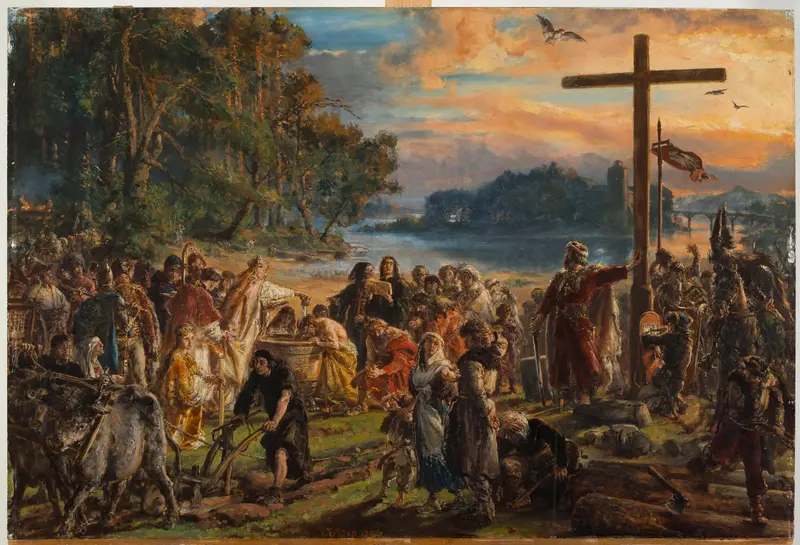
Introduction of Christianity in Poland
Jan Matejko
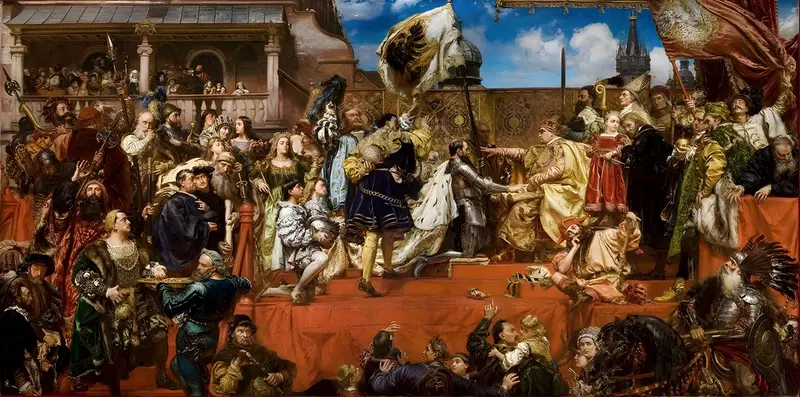
Prussian Homage
Jan Matejko





