
Castle at Dieppe, Normandy — History & Facts
In an era where landscapes often masked deeper truths, the nuanced elegance of this work invites contemplation on transformation and its bittersweet nature. Look to the center of the canvas, where the imposing castle rises against a tumultuous sky, a sentinel of resilience amidst the whispers of the sea. Notice how the artist employs a palette of muted greens and golds, suggesting the mingling of hope with despair. The delicate strokes of the brush create a textured surface that evokes the weight of history, while the interplay of light and shadow hints at the emotional complexity of the scene.
Each stroke breathes life into the stone walls, drawing the eye to the castle’s formidable presence as it stands defiantly against the elements. Yet, beneath the surface beauty lies a tension between permanence and decay. The castle, while majestic, is set against a backdrop that speaks to the ravages of time and nature. The juxtaposition of the tranquil waters at the foreground with the stormy skies above mirrors the duality of existence—serenity intertwined with turmoil.
This transformation of the landscape, from vibrant life to inevitable erosion, resonates deeply, a poignant reminder of the fragility of beauty. Samuel Davis painted this work during a time when Romanticism was flourishing in the art world, reflecting both the artist's struggle with personal loss and a broader cultural shift towards nature's sublime power. Between the late 18th and early 19th centuries, he found inspiration in the rugged terrain of Normandy, capturing both its scenic allure and its haunting, transient qualities. Davis's connection to this landscape, coupled with his evolving artistic vision, brought forth a piece that speaks to the heart’s duality in the face of change.
More Artworks by Samuel Davis
Browse all →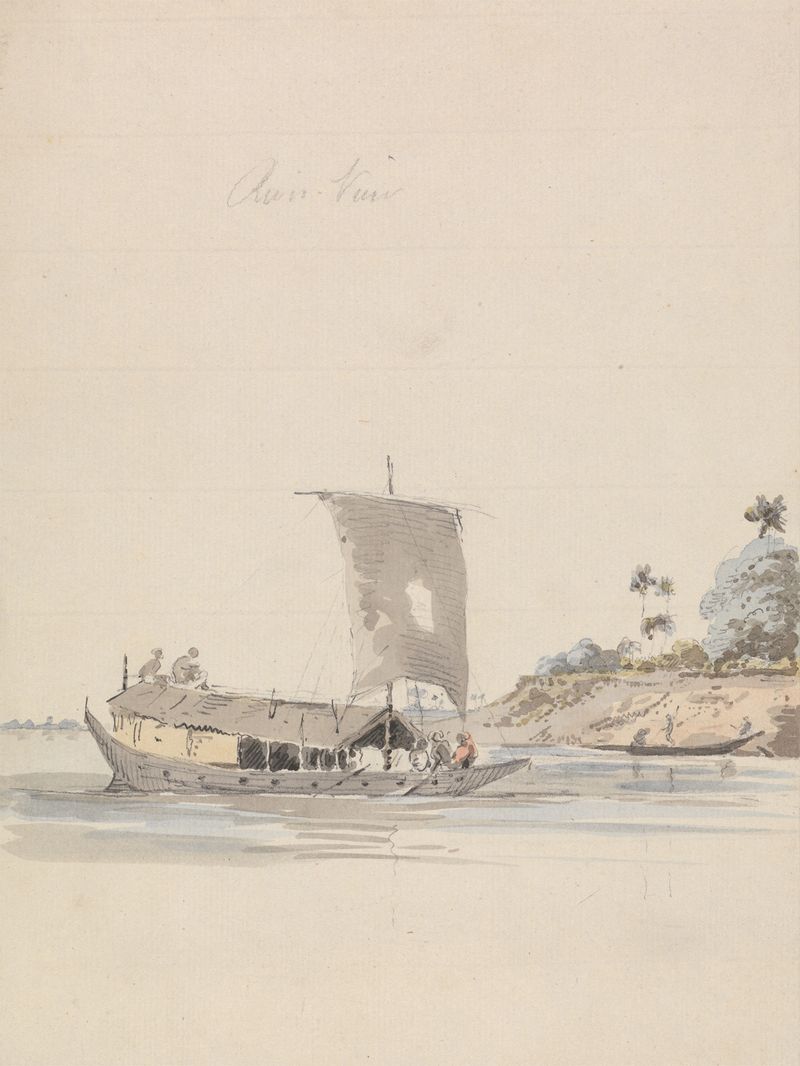
River View with a Junk (near Rajmahal)
Samuel Davis
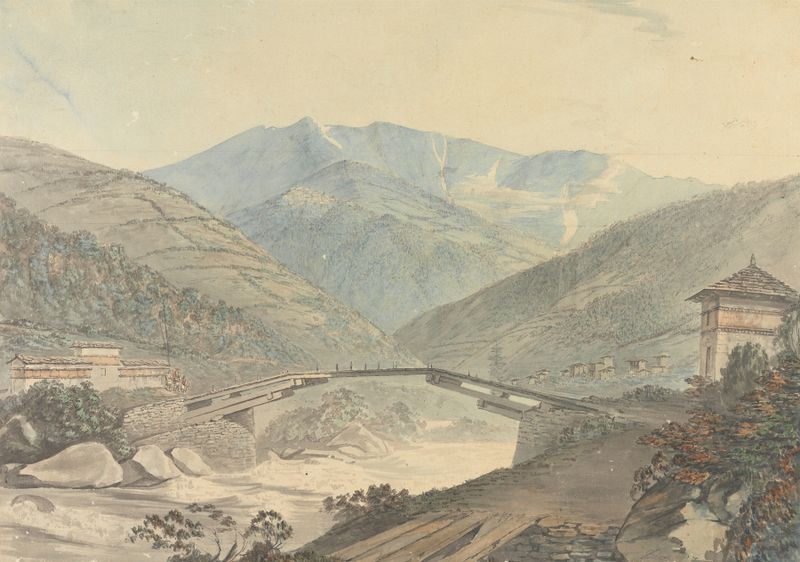
View near Tassisudon [Tashicho Dzong] in Bhutan
Samuel Davis
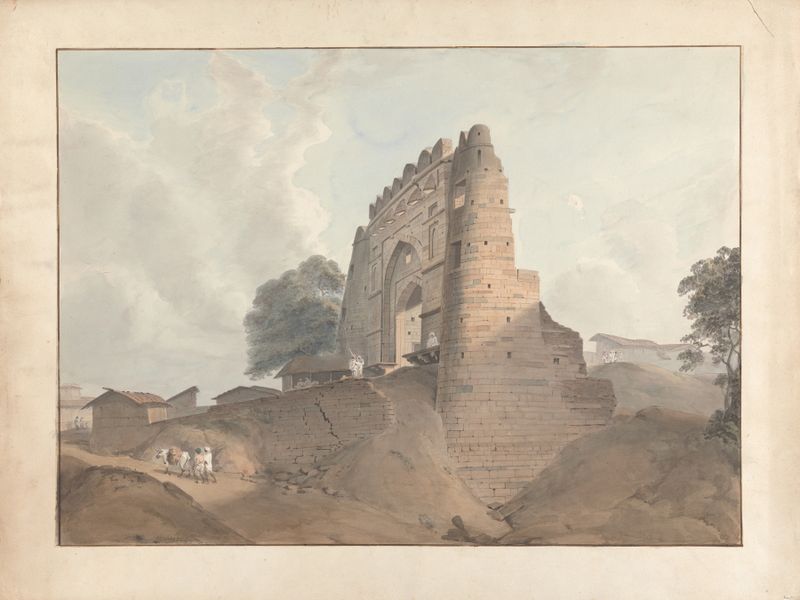
Gate of the Old Fort at Old Benares
Samuel Davis
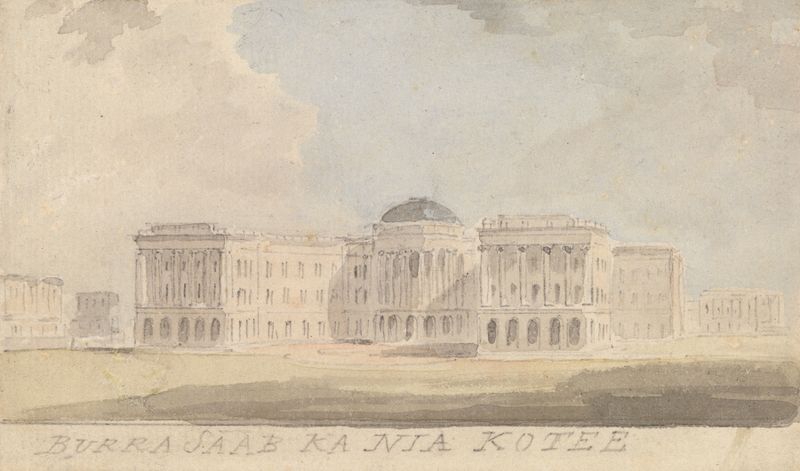
New Government House at Calcutta
Samuel Davis
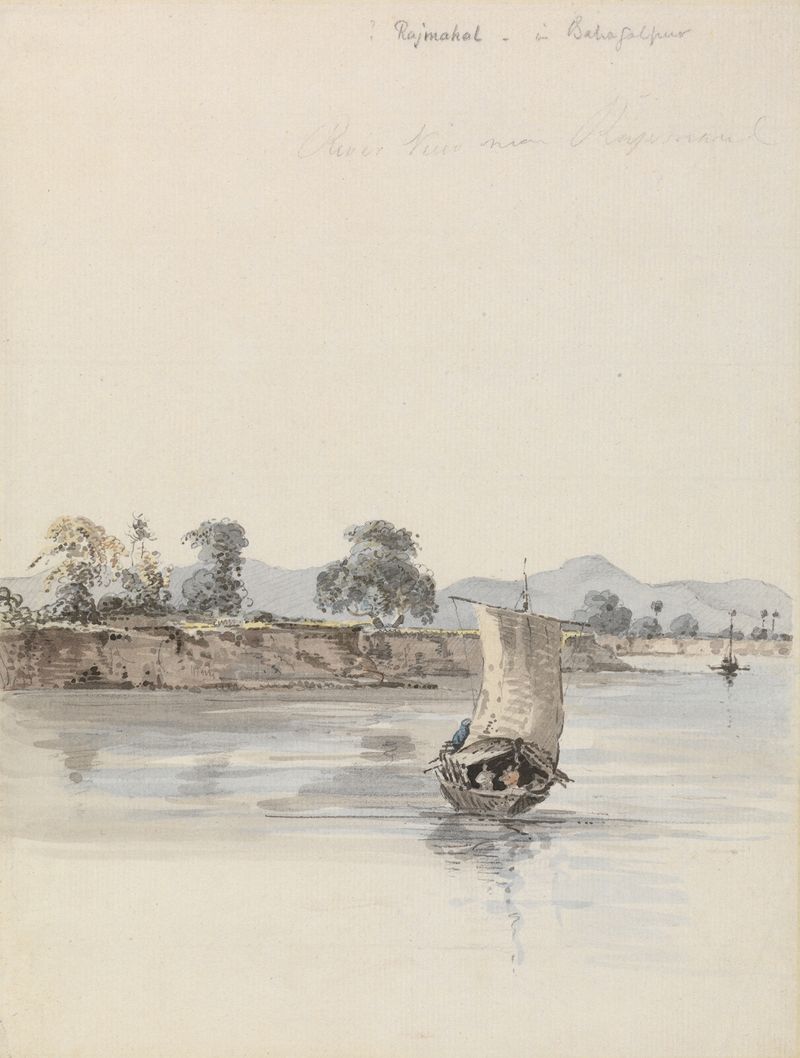
River View near Rajmahal
Samuel Davis
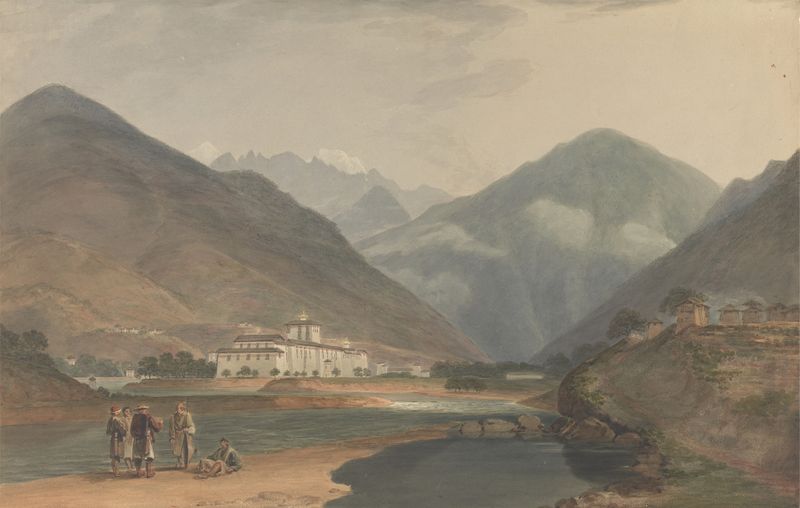
The Former Winter Capital of Bhutan at Punakha Dzong
Samuel Davis
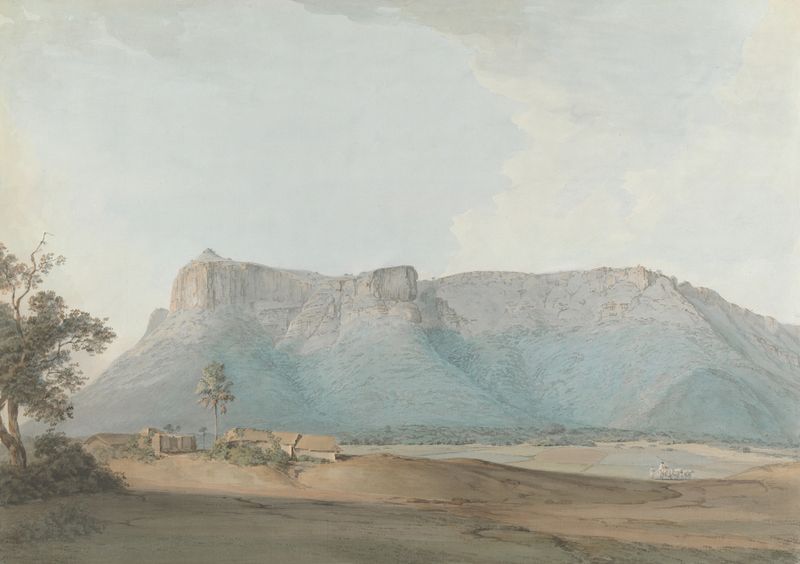
Rhotas from Akberpore
Samuel Davis
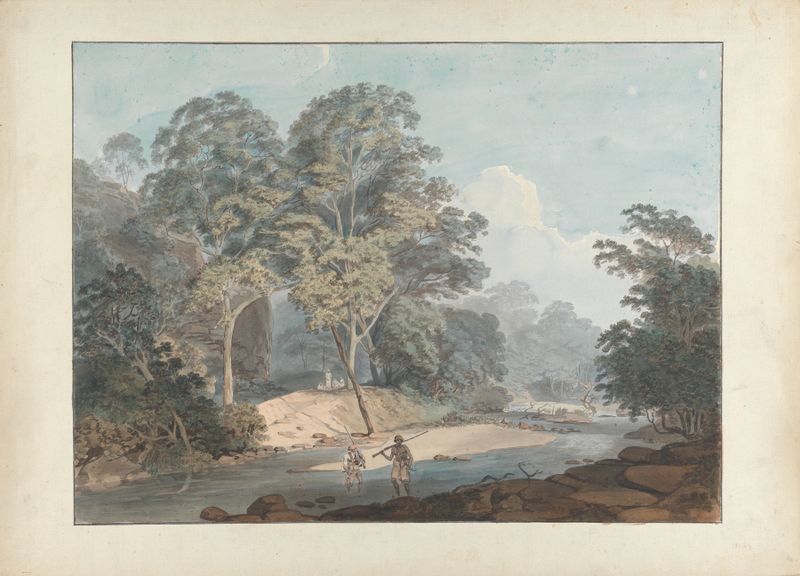
Rocky River Scene with Sepoys
Samuel Davis
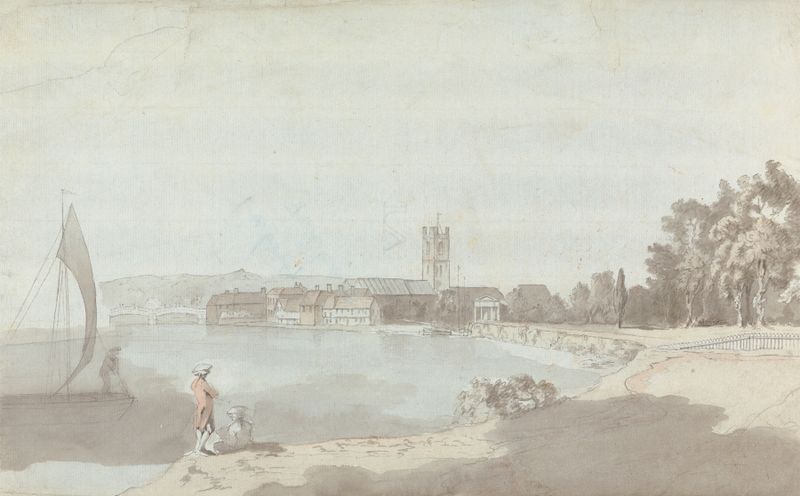
West Country Town by a River
Samuel Davis
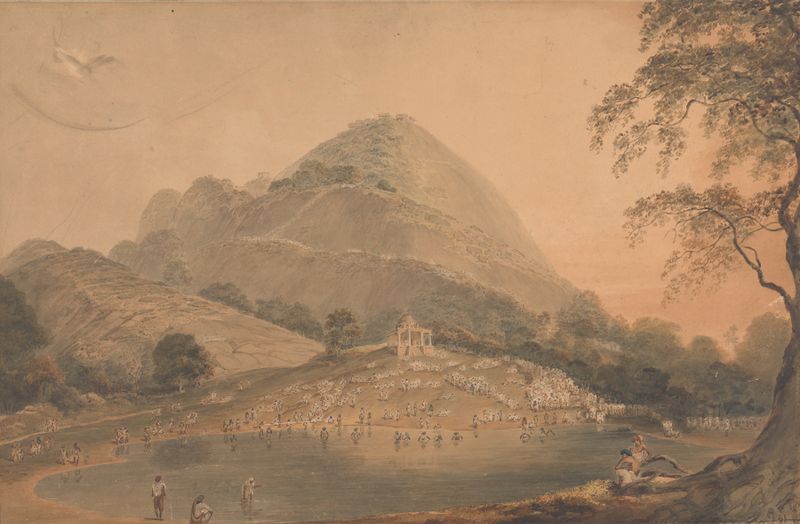
The Annual Resort of Hindoos to Mundar Hill near Bhagulpore [Bhagalpur]
Samuel Davis





