
Castle by a River — History & Facts
In the stillness of a landscape, a world unfolds where time is both frozen and flowing, whispering secrets of awakening beneath the surface. Look to the left at the delicate outline of the castle, its towers and turrets rising from the earth like ancient sentinels. The muted greens and blues of the river contrast with the earthy browns of the land, creating a harmonious balance. Notice how the gentle light caresses the scene, illuminating the soft waves that playfully ripple along the water's edge, hinting at the life that stirs just beyond the horizon.
Van Goyen’s brushwork invites you to explore the nuances of this tranquil setting, where every stroke conveys a sense of serene anticipation. Beneath the calm surface lies an emotional depth that speaks of solitude and connectedness. The juxtaposition of the sturdy castle against the ephemeral river reflects the tension between permanence and transience. The serene waters serve as a mirror, not only of the landscape but also of the human experience, inviting contemplation of what lies beyond the visual.
Each element in the painting resonates with the theme of awakening, as if the dawn is just beginning to break upon the world, stirring possibilities that await discovery. In 1647, during a time of transition in the Dutch Golden Age, Jan van Goyen found himself at the forefront of landscape painting, capturing the beauty of his homeland. Living and working in The Hague, he embraced a style that emphasized atmospheric effects and natural light, moving away from the more elaborate narrative scenes of his predecessors. This period marked a pivotal moment in art history, as artists began to delve deeper into the emotional and philosophical undercurrents of the landscapes they portrayed.
More Artworks by Jan van Goyen
Browse all →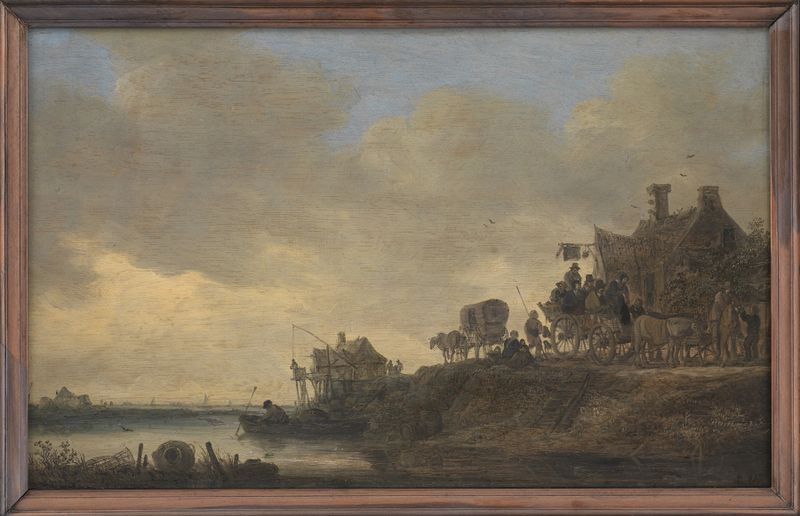
River Scene with the ‘Swan’ Tavern
Jan van Goyen

The Valkhof in Nijmegen
Jan van Goyen
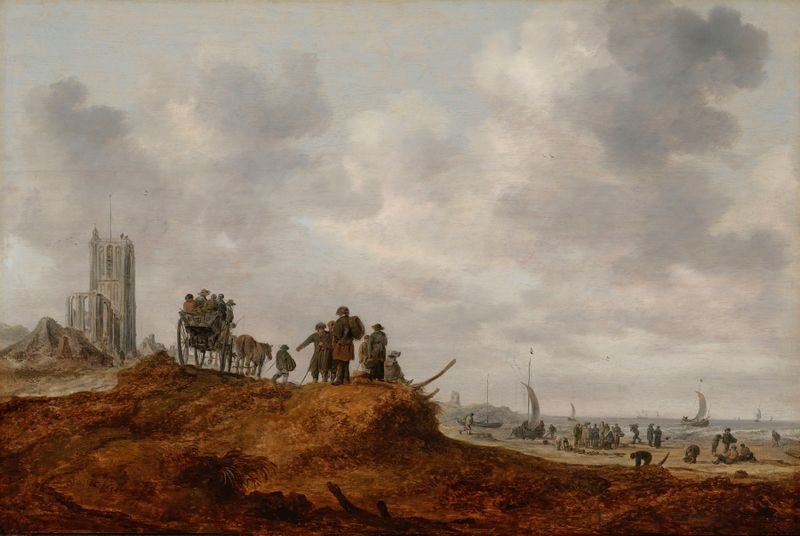
The Old Church at Egmond aan Zee
Jan van Goyen
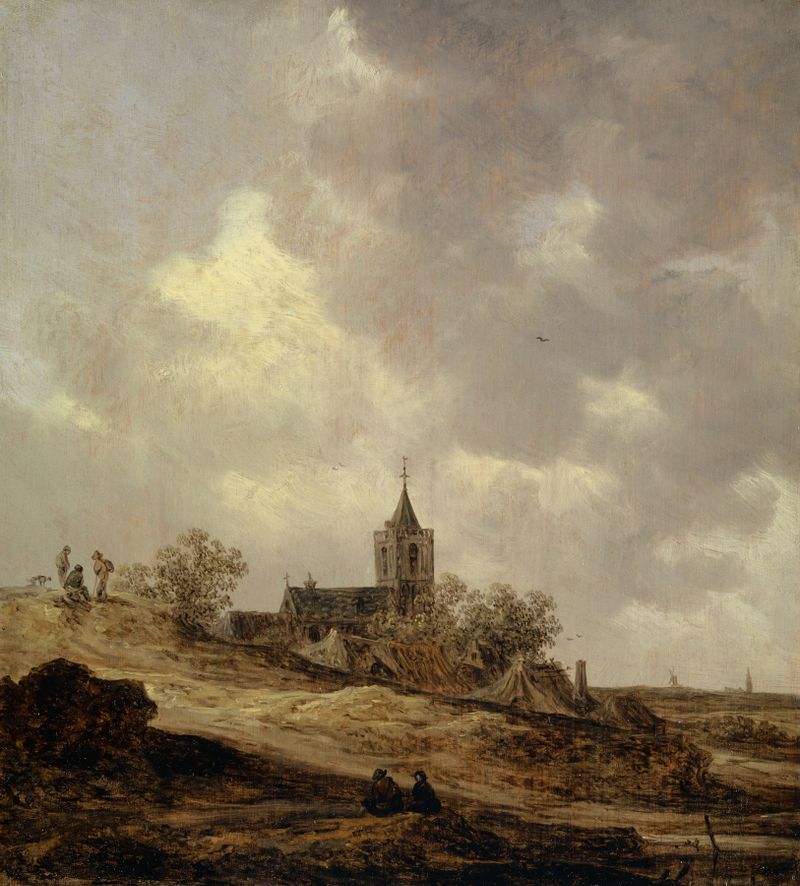
Village Church seen from the Dunes
Jan van Goyen
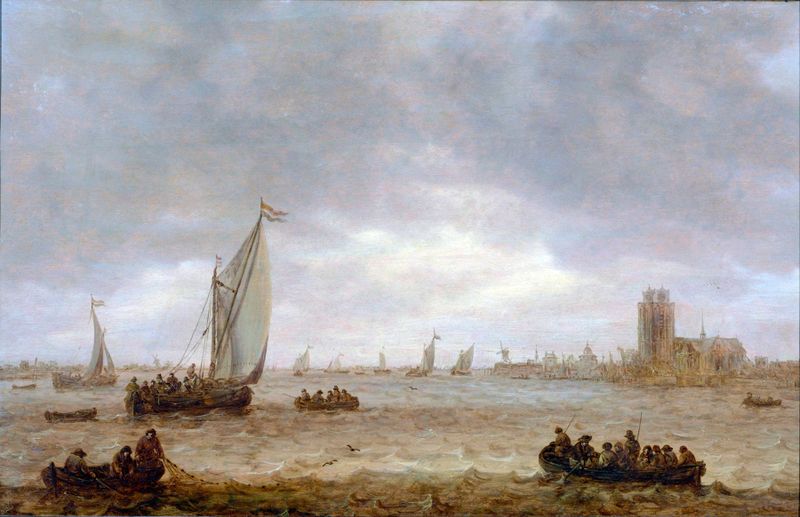
Mouth of the Meuse
Jan van Goyen

River Landscape with the Pellecussen Gate near Utrecht
Jan van Goyen
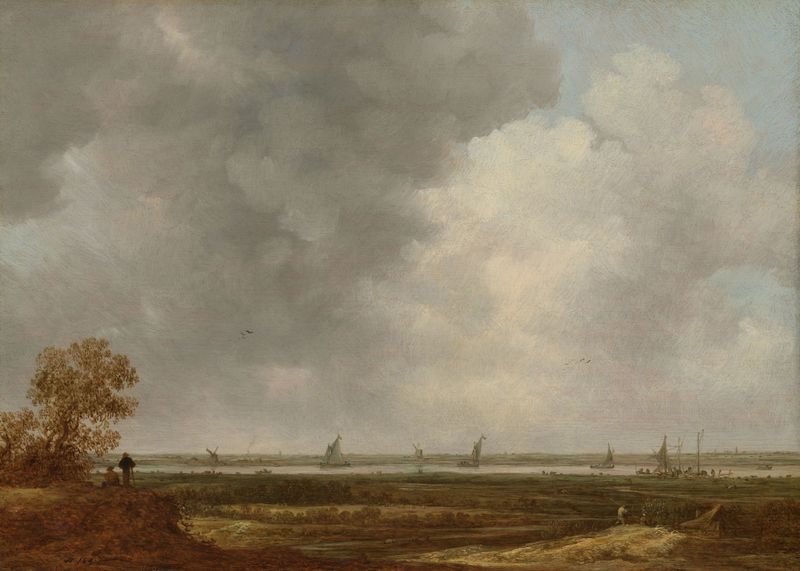
Panoramic View of a River with Low-lying Meadows
Jan van Goyen
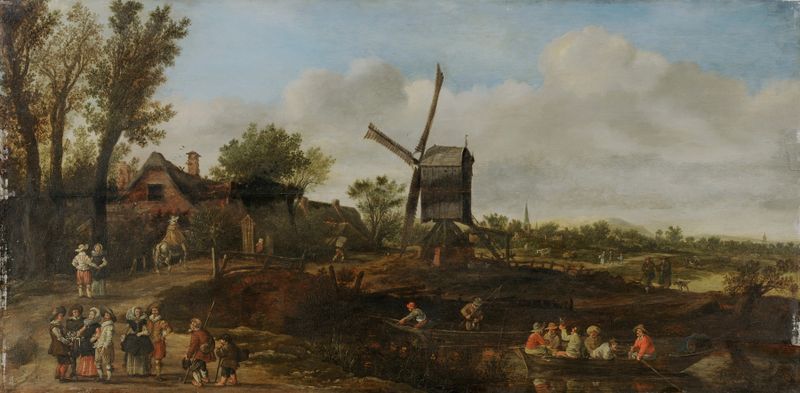
Dutch Landscape
Jan van Goyen
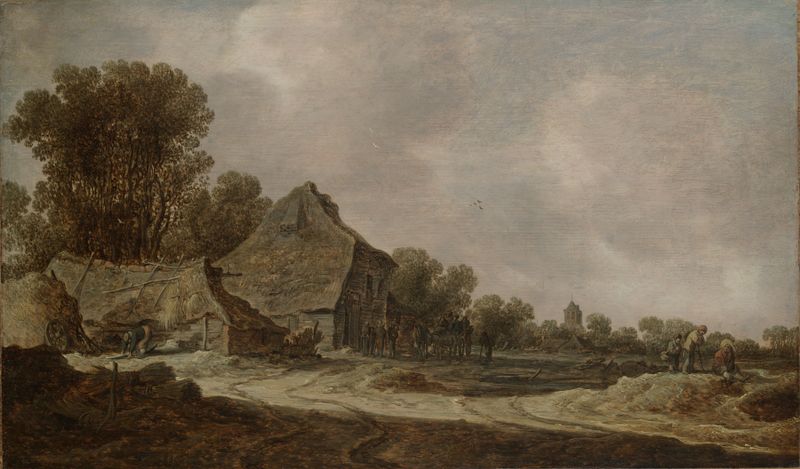
A Sandy Road with Thatched Cottages
Jan van Goyen
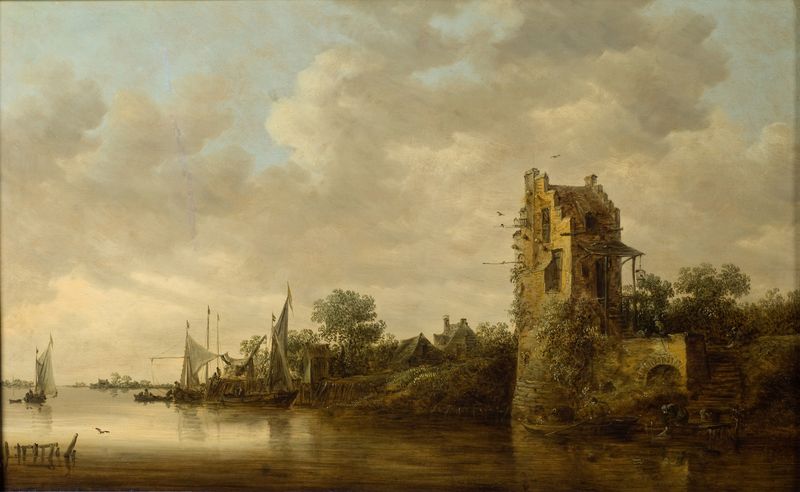
Riverside with an Old Tower
Jan van Goyen





