
Castle of Hämelschenburg — History & Facts
Can beauty exist without sorrow? The haunting stillness of the Castle of Hämelschenburg invites us to explore this very question, as it embraces both grandeur and melancholy in its timeless façade. Look to the center, where the castle rises majestically against a cloudy sky, its stone walls bathed in a soft, diffused light that seems to absorb the surrounding gloom. The meticulous detailing of the architecture draws the eye, leading to ornate turrets that pierce the heavens. Surrounding lush greenery offers a contrast, hinting at nature’s resilience, yet the color palette veers towards muted shades, evoking a sense of nostalgia and unease.
This careful balance between the structure and its environment creates a dialogue that encourages contemplation. Delve deeper into the scene, and you uncover layers of emotional tension. The juxtaposition of the robust castle against the encroaching shadows speaks to the inevitability of time, where human achievements stand resilient yet vulnerable to the decay of nature. The unnerving stillness evokes a sense of abandonment, suggesting that beauty may carry the weight of loss.
Each stone whispers stories untold, infusing the landscape with a lingering air of reverie and longing that transcends mere aesthetics. Carl Burckhardt painted this piece during a period of great artistic exploration, likely in the early 20th century. A time marked by rapid change, both socially and artistically, he sought to express the complexity of human experience through his landscapes. The Castle of Hämelschenburg reflects his meticulous attention to detail and his ability to infuse architecture with an emotional depth, while the world around him grappled with modernity and the echoes of history.
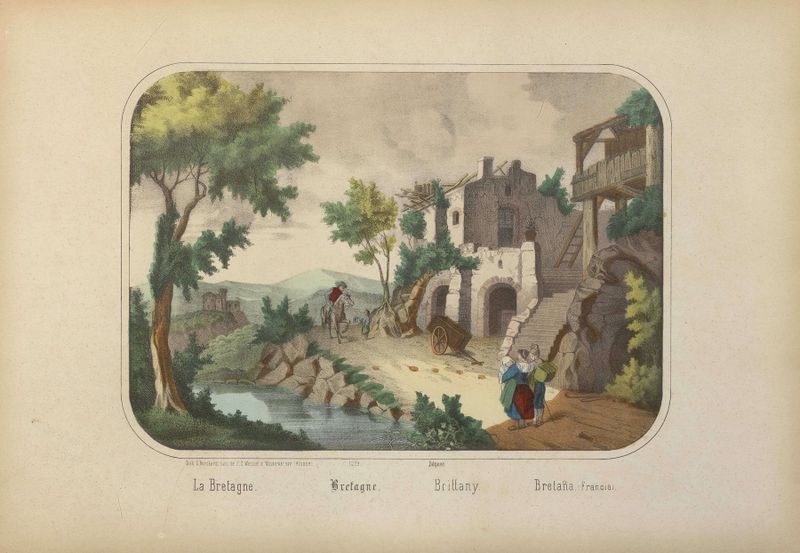
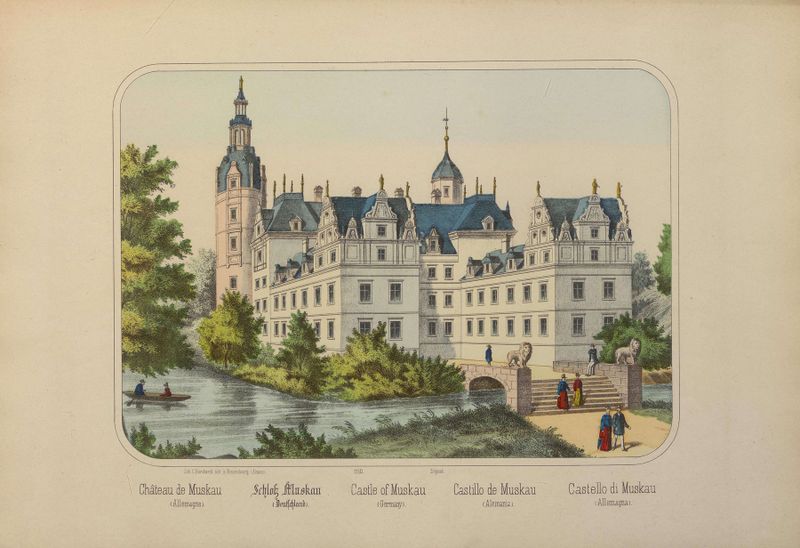
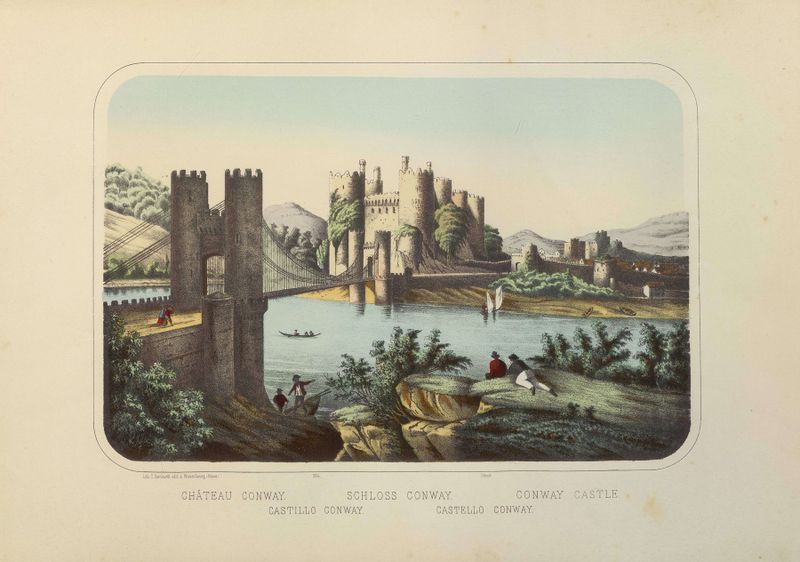
More Artworks by Carl Burckardt
Browse all →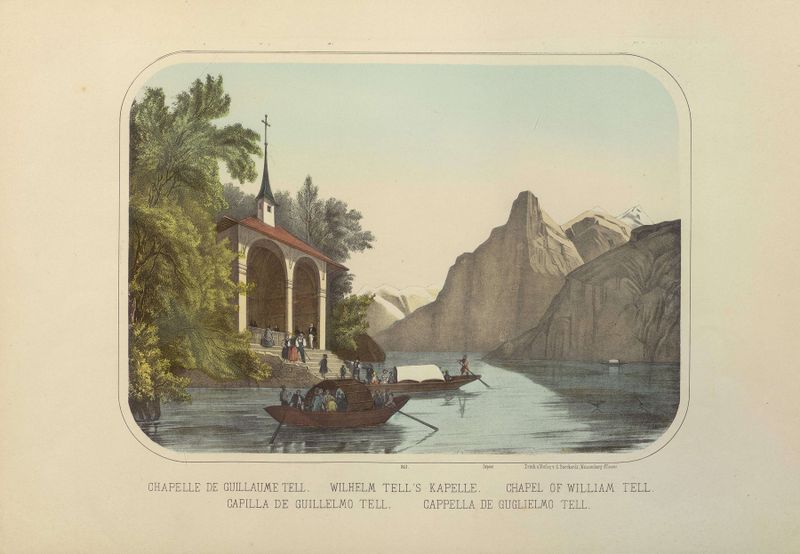
More Architecture Art
Browse all →
The statue of Liberty
Frédéric Auguste Bartholdi

View of Houses in Delft, Known as ‘The Little Street’
Johannes Vermeer

View of Houses in Delft, Known as ‘The Little Street’
Johannes Vermeer

The Cathedral in Rouen. The portal, Grey Weather
Claude Monet

The yellow house
Vincent van Gogh

The Church in Auvers-sur-Oise, View from the Chevet
Vincent van Gogh