Chapel of Wilhelm Tell — History & Facts
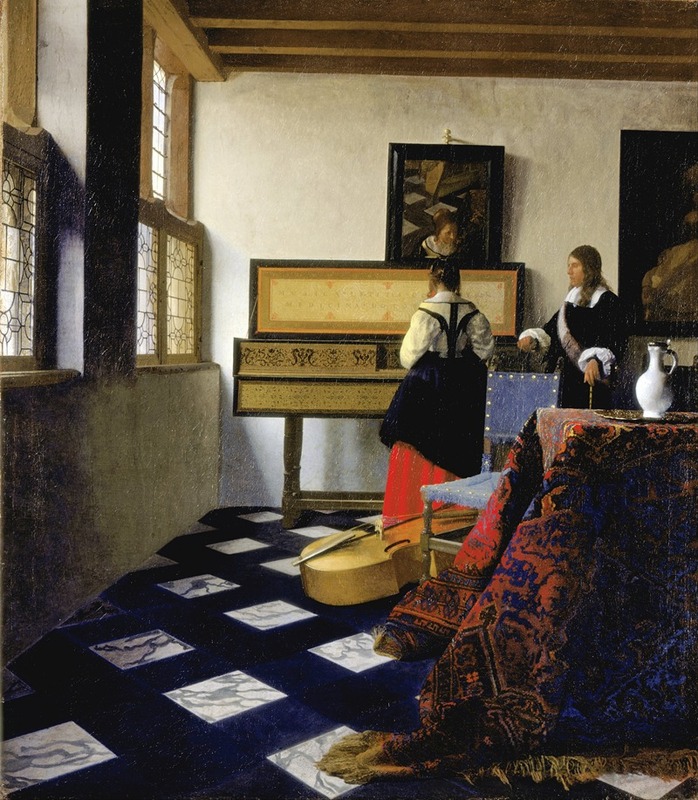
It lingers in the air, heavy and palpable, like the stillness of an empty chapel that echoes with the weight of solitude. The walls, though adorned with history, seem to whisper secrets of longing, inviting the viewer to ponder what has been lost within their sacred confines. Focus on the soft interplay of light and shadow as it dances across the chapel’s stone surfaces. Notice how the muted tones of the interior create a sense of harmony yet evoke a feeling of isolation.
The architecture frames the scene with sharp angles and deep recesses, leading the eye towards the altar—a poignant centerpiece symbolizing both hope and despair. Each brushstroke conveys meticulous detail, capturing the essence of a place where one might go seeking solace, yet finds only the weight of absence. Within this stillness lies a profound contrast between the grandeur of the chapel’s structure and its profound emptiness. The intricate carvings and ornate decorations serve as reminders of joy and celebration, yet they stand in stark juxtaposition to the loneliness felt in their absence of life.
The silence invites reflection, urging a confrontation with the emotional void that accompanies solitude. It is a space that feels at once sacred and desolate, each corner holding the echoes of prayers unspoken. Created during a time of personal introspection, the artist found himself grappling with themes of isolation and introspective reflection. Though the date remains uncertain, one can surmise that this work emerged from a period steeped in contemplation, as he sought to blend architectural beauty with the raw emotions that silence can evoke.
In the realm of late 19th-century art, this piece stands as a testament to the artist’s ability to convey depth beyond mere representation, transcending the physical space into a realm of shared, albeit quiet, human experience.