Hamburg — History & Facts
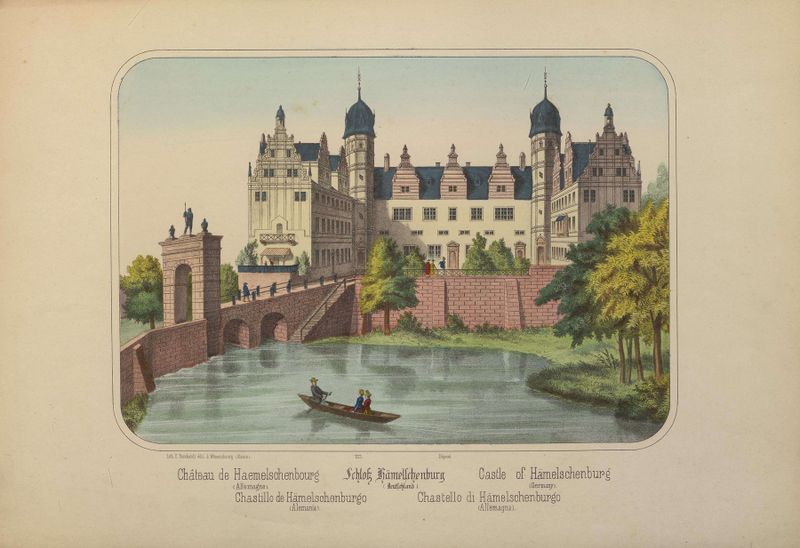
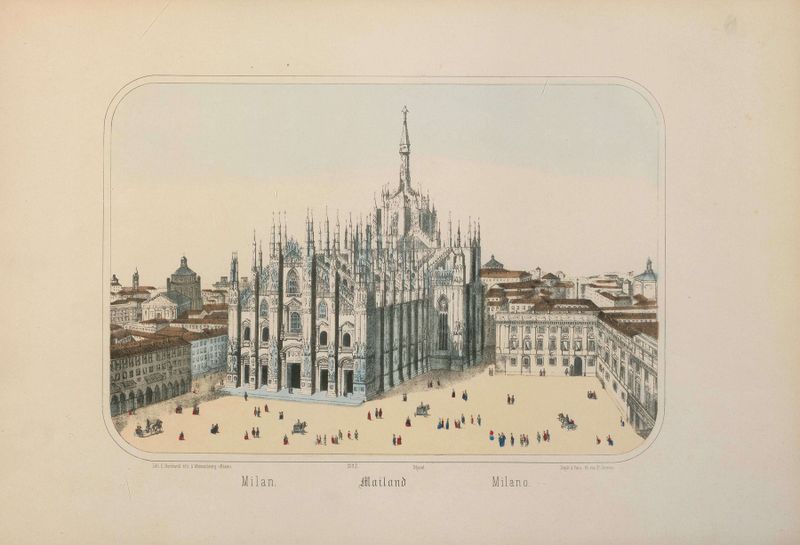
Who listens when art speaks of silence? In the depths of Hamburg, a stillness suggests a deeper narrative, one where the weight of betrayal lingers in the air like a forgotten promise. Look to the center of the composition, where the muted hues of gray and blue converge, creating a somber yet captivating atmosphere. The sharp lines of architecture rise vertically against the horizon, while the water’s surface reflects the desolation and melancholic beauty of the scene. Notice the subtle interplay of light and shadow, as it caresses the edges of the buildings, hinting at stories untold and emotions concealed beneath their stoic facades. Within this intricate narrative, a tension unfolds between stillness and movement.
The murky waters suggest an undercurrent of betrayal, as they hold the secrets of what lies beneath. The absence of human presence amplifies this sense of isolation, inviting viewers to reflect on their own experiences of trust and disillusionment. Each brushstroke conveys the artist’s understanding of the fragile nature of relationships, a parallel to the silent dialogue between the city and its observer. Created in an undetermined period, Hamburg stands as a reflection of Carl Burckardt’s artistic journey.
During this time, he was exploring themes of urban existence and emotional depths, capturing the essence of a changing world often marked by uncertainty. His works were steeped in personal experience and societal observation, allowing him to weave narratives that resonate through silence and stillness.