
Castle of Ostia and Porte Trojan — History & Facts
What if beauty was never meant to be finished? In the tranquil embrace of nature, where innocence lies untouched, the essence of a moment captures the heart and mind alike. Focus on the sweeping grounds of the landscape, where the ochre tones of the earth meet the soft pastel sky. Notice how the light dances across the ancient ruins, illuminating the stone with an ethereal glow, while shadows deepen in the folds of the landscape. The composition draws the viewer’s eye toward the castle, its imposing structure softened by a gentle foreground of delicate foliage, hinting at the passage of time and the intertwining of man and nature. Delve deeper into the contrasts at play—the sturdy, crumbling walls of the castle stand defiantly against the soft, ephemeral beauty of the surroundings.
This juxtaposition mirrors the tension between human ambition and the relentless march of nature reclaiming its space. The palette, dominated by greens and golds, evokes a sense of nostalgia, suggesting both loss and the enduring quality of innocence amidst decay. In 1818, Isaac Weld created this piece during a pivotal period of artistic exploration, reflecting the Romantic movement’s fascination with nature and the sublime. Living in England, Weld was influenced by the picturesque qualities of Italian landscapes, which permeated his work.
This painting not only embodies his artistic vision but also serves as a testament to the era’s shifting perceptions of beauty, where the unfinished and the natural became worthy subjects in their own right.
More Artworks by Isaac Weld
Browse all →
View of Mount Vernon, the seat of General Washington
Isaac Weld

Caernarvon (Castle)
Isaac Weld

View of Niagara Falls with Two Figures Sitting on a Rock Center Foreground
Isaac Weld
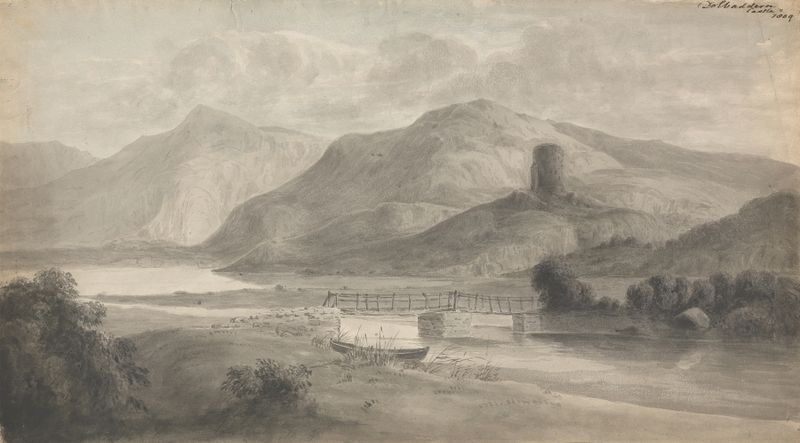
Dolbadarn Castle (North Wales)
Isaac Weld

View of Niagara Falls with Two Figures on Rock in Right Foreground
Isaac Weld
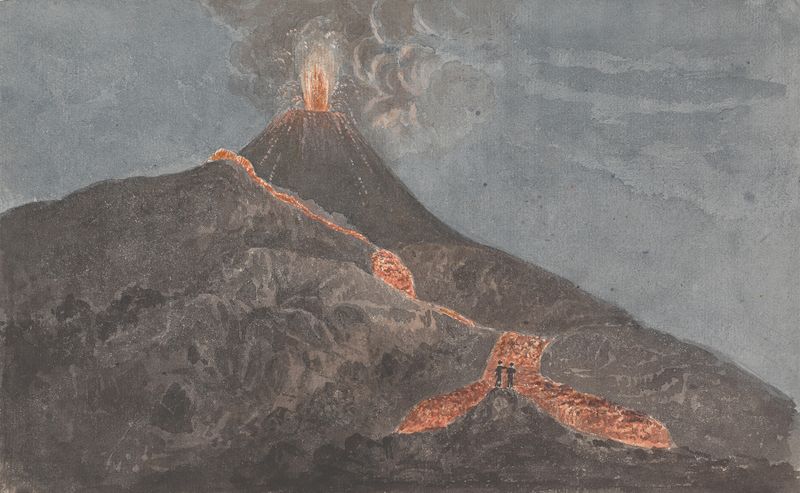
Vesuvius in Eruption
Isaac Weld
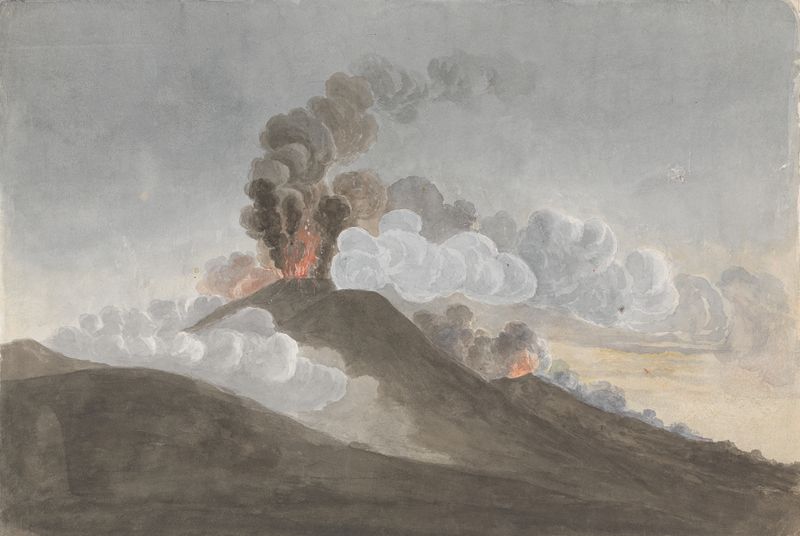
Vesuvius in Eruption.
Isaac Weld
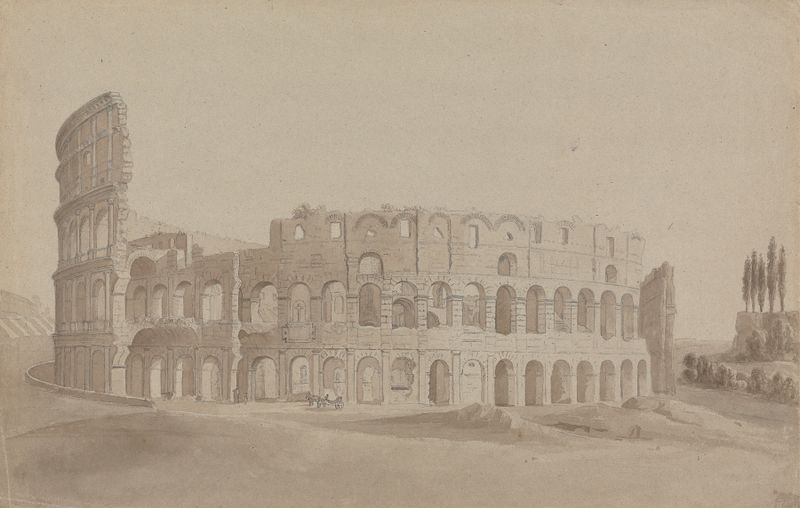
The Colosseum, Rome
Isaac Weld
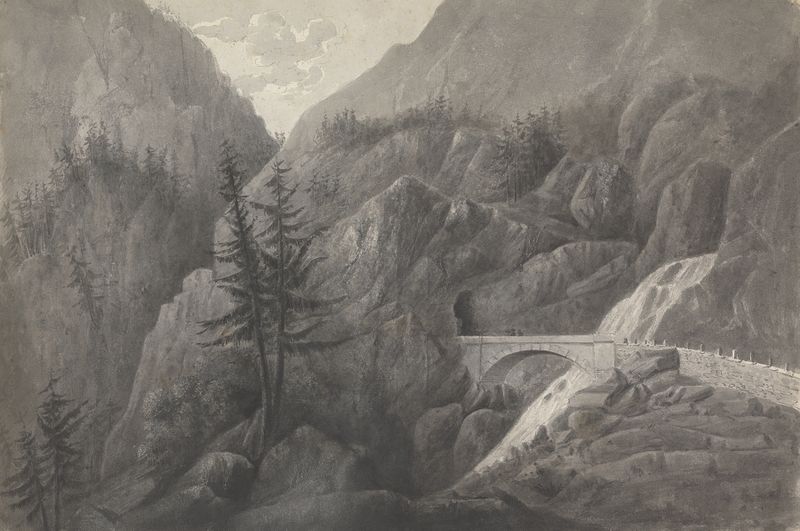
Simplon (Switzerland)
Isaac Weld
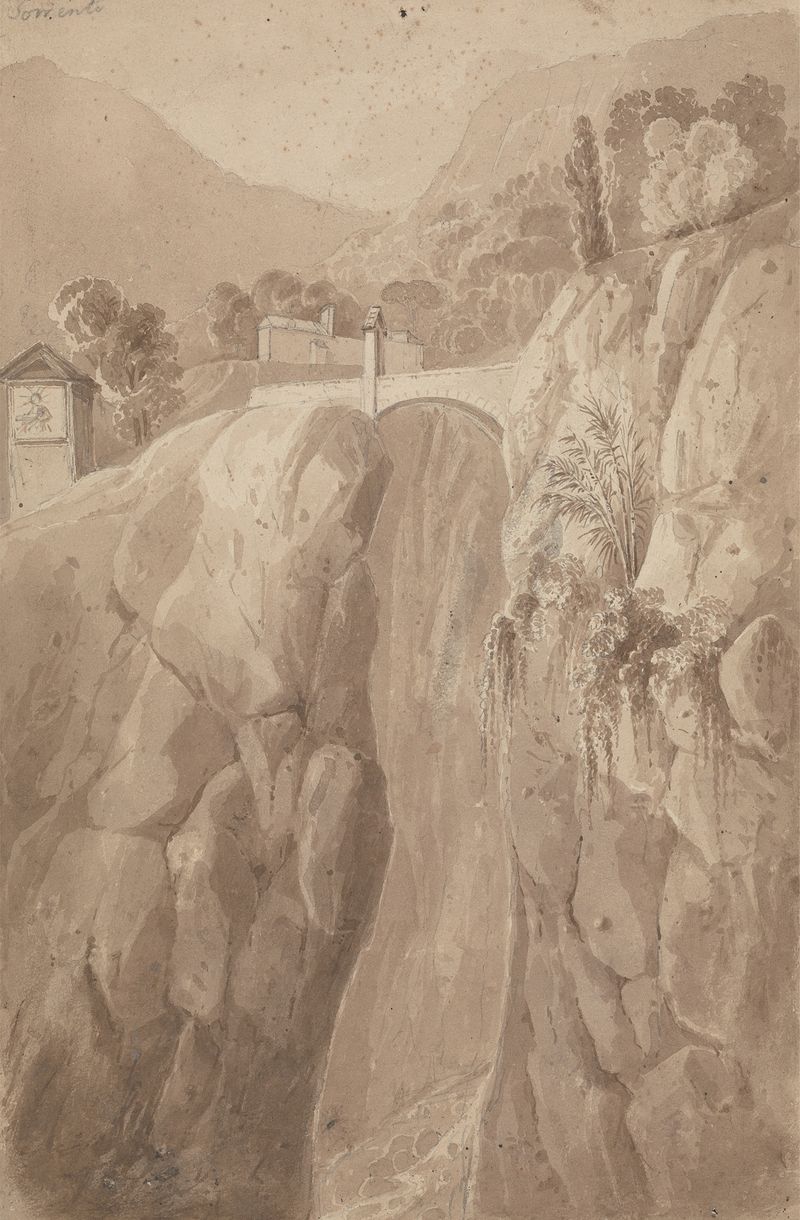
Sorrento
Isaac Weld





