
Catarro — History & Facts
What if silence could speak through light? In the delicate interplay of shadow and illumination, we find a palpable tension that evokes fear—fear of the unknown, fear of isolation, fear of what lies beyond our perception. Look to the center of the canvas, where a solitary figure stands amidst a hue of muted grays and browns. The figure, cloaked and huddled, is framed by an unseen source of light that spills dramatically from the upper left, casting elongated shadows that stretch across the ground like fingers reaching into darkness. Notice how the contrast between the harshness of the light and the obscurity of the surroundings creates a haunting aura, pulling the viewer into the emotional landscape of the subject. The artist masterfully uses texture and line to evoke a sense of unease.
The rigid strokes of the background seem to close in on the figure, intensifying feelings of confinement and anxiety. Look closely at the figure’s posture—slumped shoulders and downturned head suggest vulnerability, while the starkness of the surroundings amplifies the theme of solitude. The painting becomes a meditation on fear itself, a moment frozen in time where silence reigns yet speaks volumes. In 1910, Jan Ciągliński painted Catarro during a period marked by social upheaval and artistic experimentation.
Living in Paris, he was influenced by the Symbolist movement, which sought to express emotional truths through imagery and abstraction. This work reflects his exploration of human vulnerability, capturing the anxieties of an era on the brink of monumental change.
More Artworks by Jan Ciągliński
Browse all →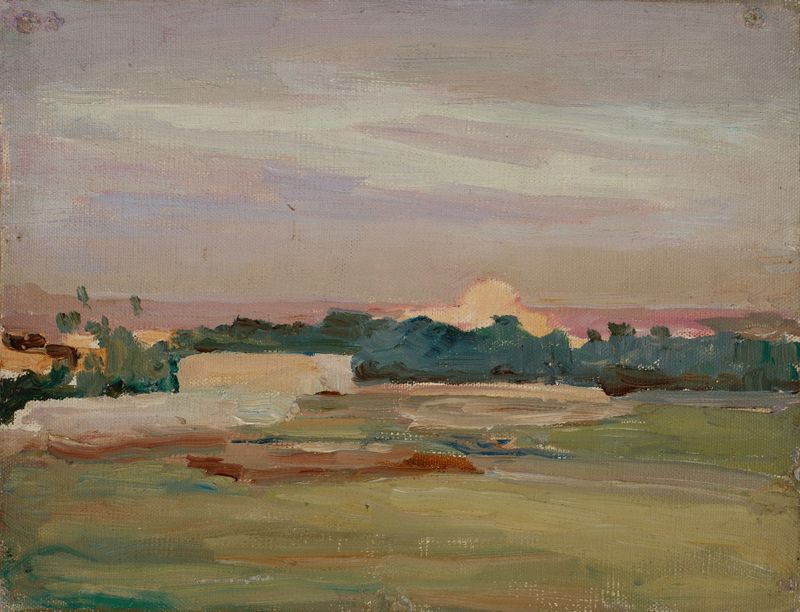
The Sirocco
Jan Ciągliński
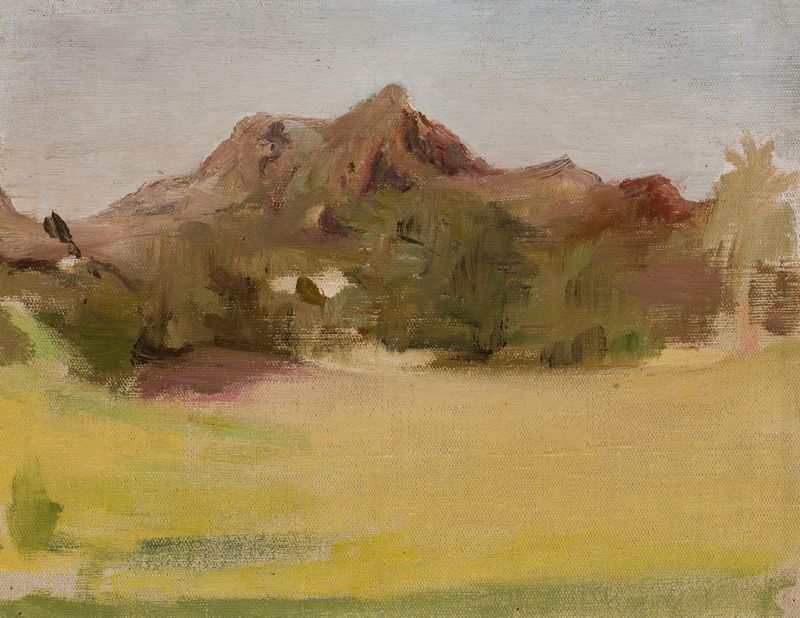
Mountain landscape. From the journey to India
Jan Ciągliński
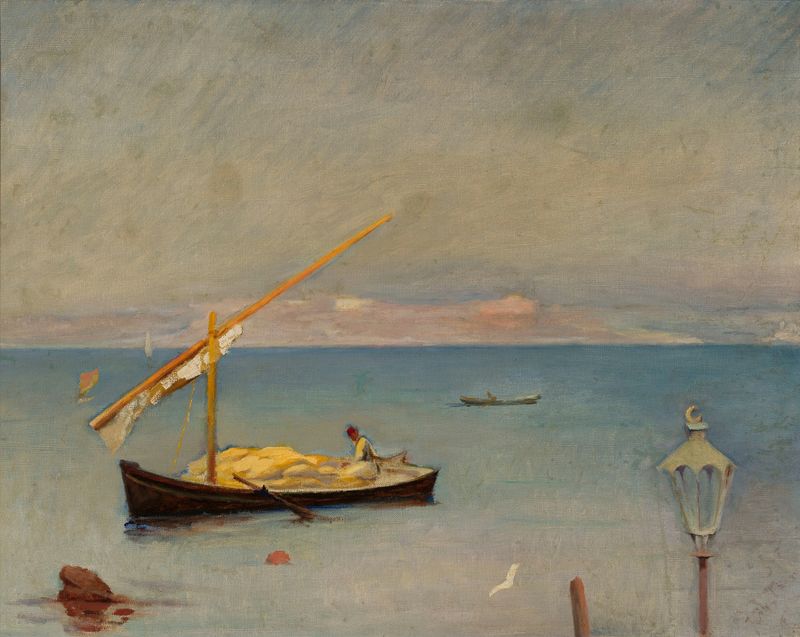
At Bosporus
Jan Ciągliński
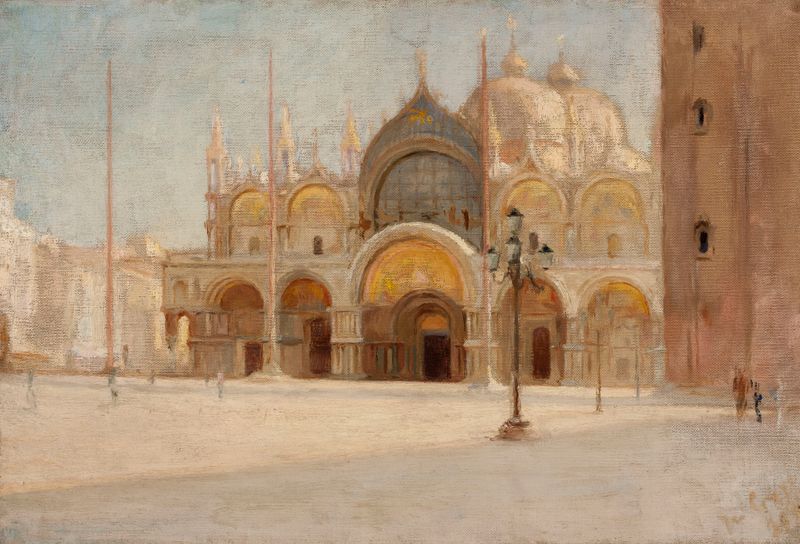
St Mark’s Square in Venice
Jan Ciągliński
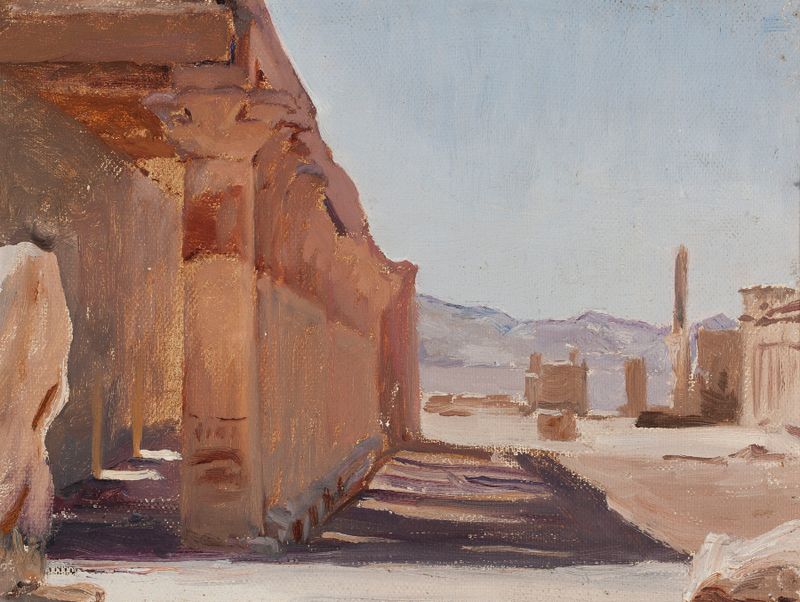
Temple. From the journey to Egypt
Jan Ciągliński
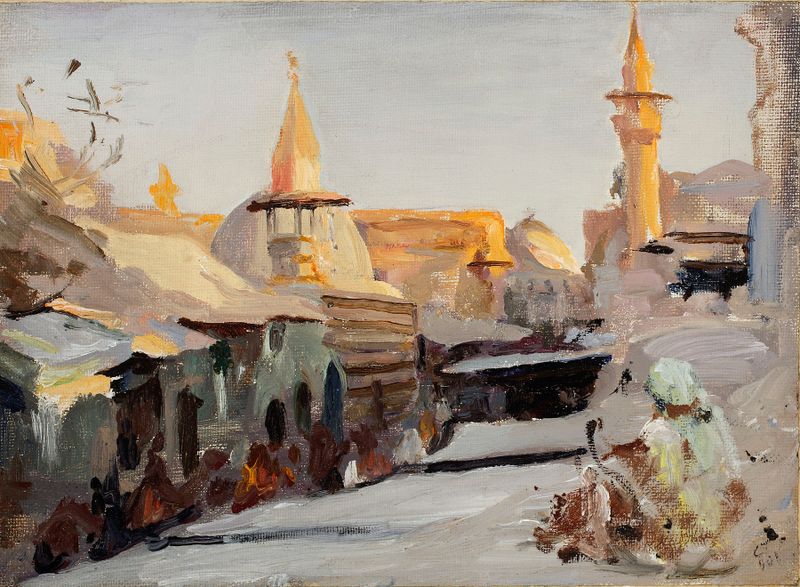
Street in Damascus. From the journey to Palestine
Jan Ciągliński
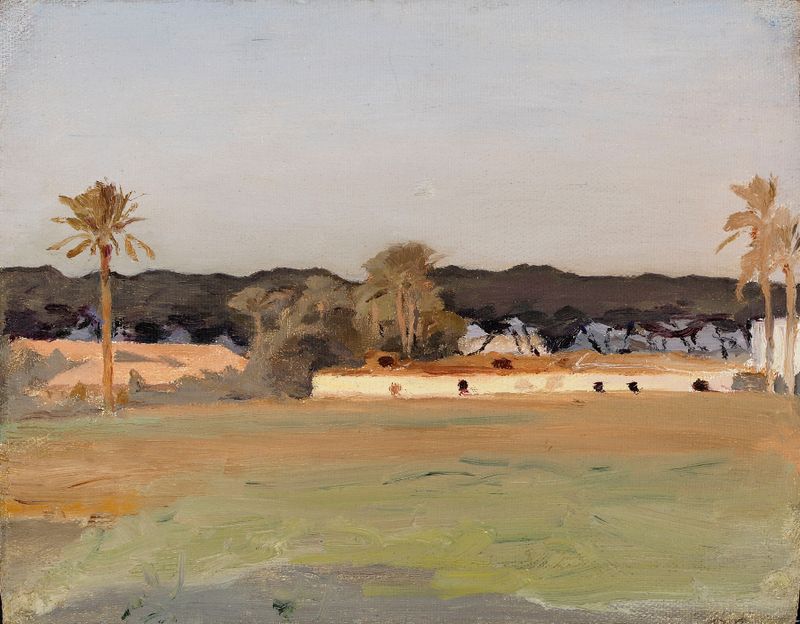
Evening. From the journey to Egypt
Jan Ciągliński
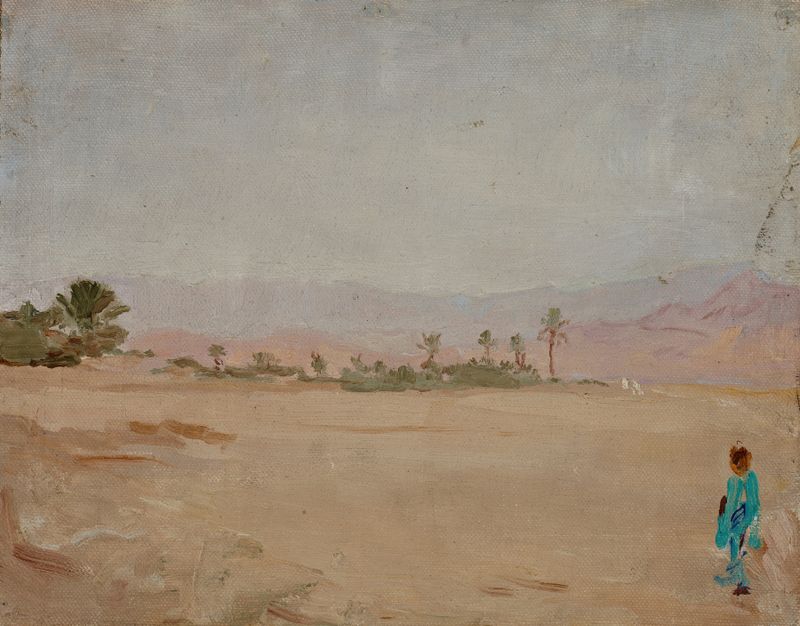
Sahara (Desert)
Jan Ciągliński
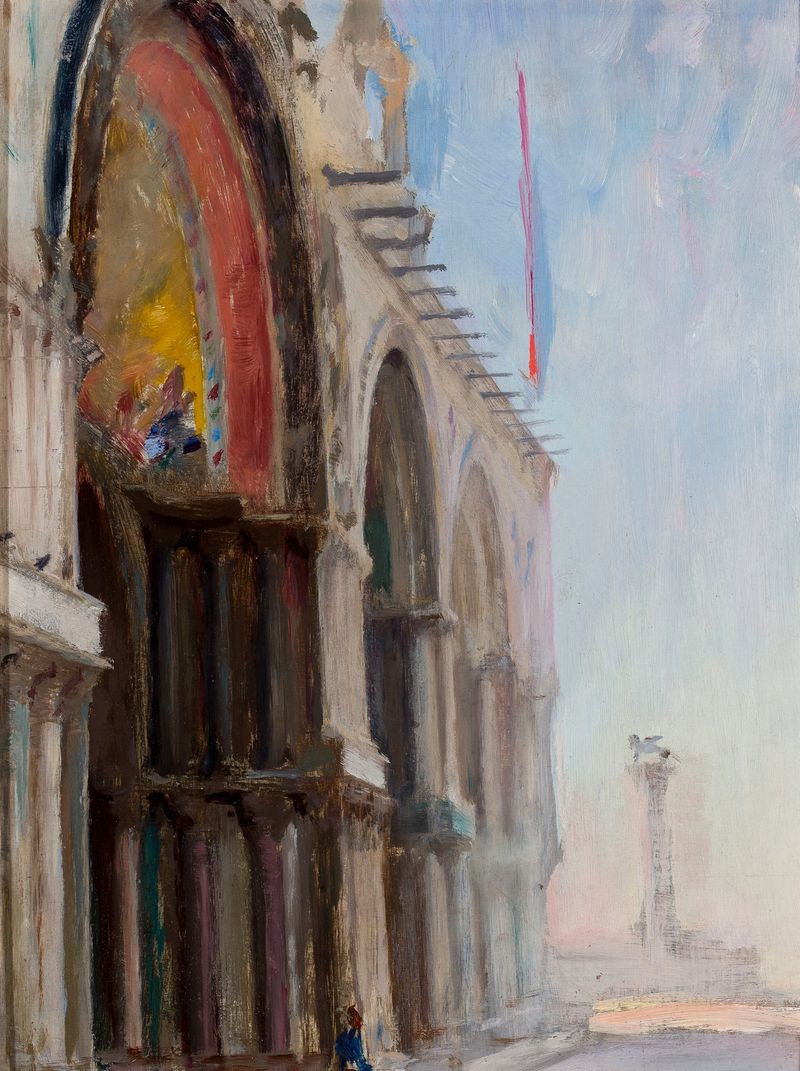
Venice – San Marco. From the journey to Italy
Jan Ciągliński
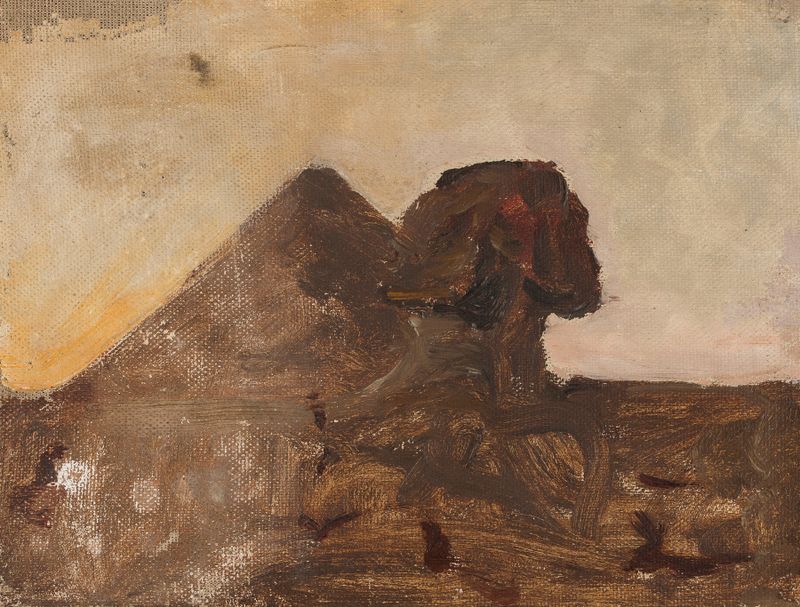
Evening in the desert – Sphinx and pyramid. From the journey to Egypt
Jan Ciągliński





