Cattle Grazing — History & Facts
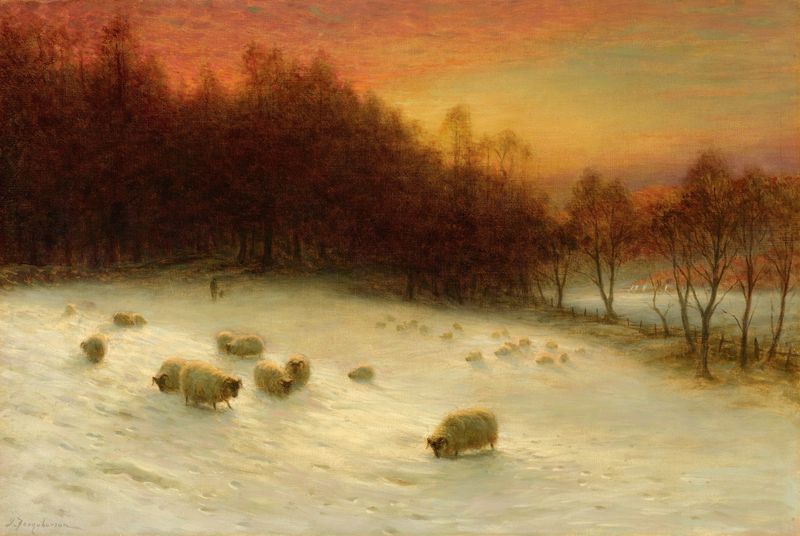
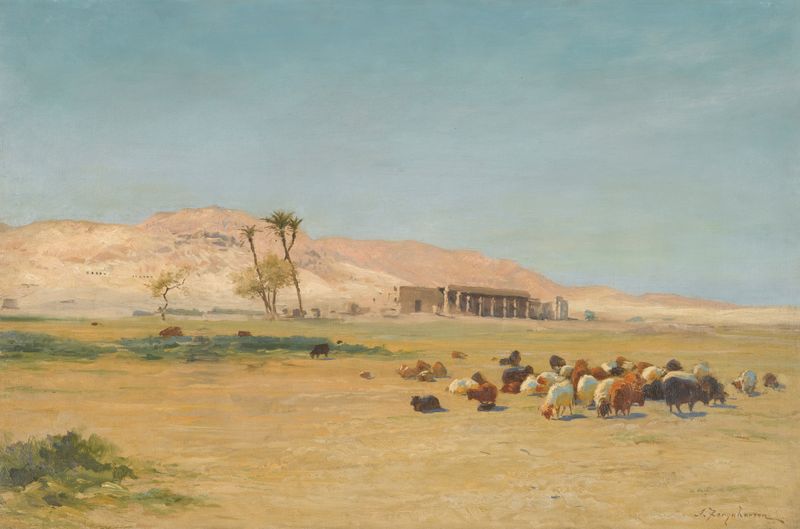
In the stillness of rural life, a tranquil landscape unfolds, inviting introspection and peace. Here, time pauses as nature takes its course, cradling the viewer in serenity. Look to the gentle curve of the horizon, where soft pastels blend into one another, evoking a sense of warmth and comfort. The grazing cattle, rendered with meticulous detail, dot the verdant meadow, their quiet presence harmonizing with the lush green grass.
Notice how the light bathes the scene, illuminating each blade and casting soft shadows that dance lightly across the canvas, creating a soothing rhythm that calms the mind. Delve deeper into the composition, and you'll find contrasts that enrich the narrative. The vitality of the cattle against the soft backdrop hints at balance—between nature and domestication, freedom and restraint. Each animal's stance conveys a different mood, echoing themes of tranquility and the simple joys of pastoral life.
The gentle brushstrokes not only capture the physicality of the scene but also serve to encapsulate the emotional essence of quietude, making the viewer feel both grounded and uplifted. In this undated work, the artist found himself amidst a world rapidly shifting towards urbanization, a time when the allure of pastoral scenes held profound significance. Joseph Farquharson, who adeptly captured landscapes imbued with light and life, painted this piece while reaffirming his dedication to a disappearing way of life. The tranquility of his work served as a heartfelt reminder of the beauty found in simplicity, resonating deeply during an era of change.