
Cattle resting beside farm buildings — History & Facts
Where does light end, and longing begin? The stillness of a pastoral scene invites us to ponder the quiet obsesions that dwell in rural life. Look to the left at the soft, dappled sunlight filtering through the trees, illuminating a cluster of cattle resting serenely beside the weathered farm buildings. The muted palette of greens and browns envelops the scene, evoking a sense of harmony between the animals and their environment. Notice how Hills employs delicate brushstrokes to capture the texture of the cattle’s coats, each stroke a testament to the artist's attention to detail.
The farm structures loom gently in the background, suggesting a life that is both nurturing and burdensome, revealing the interdependence between nature and the hands that tend to it. Diving deeper into the composition, the contrast between the stillness of the cattle and the looming presence of the buildings hints at an emotional dichotomy. The animals embody tranquility, yet they also symbolize the weight of responsibility that comes with pastoral life. The gentle sway of grasses in the foreground whispers of the life that continues beyond the frame, prompting contemplation about the cycles and ambitions that define this rural existence.
The overall serenity is tinged with a subtle tension, a reminder of the obsessive care that farmers pour into their land and livestock. This work was created during a period when Robert Hills found himself deeply engaged with the pastoral genre, likely in England during the late 18th to early 19th centuries. At that time, the romantic notion of rural life was becoming increasingly popular, as artists sought to capture the bucolic beauty of the countryside amidst the rapid industrial changes sweeping across the nation. Hills, with his keen eye for detail and deep appreciation for nature, painted this moment to immortalize the delicate balance of life on a farm.
More Artworks by Robert Hills
Browse all →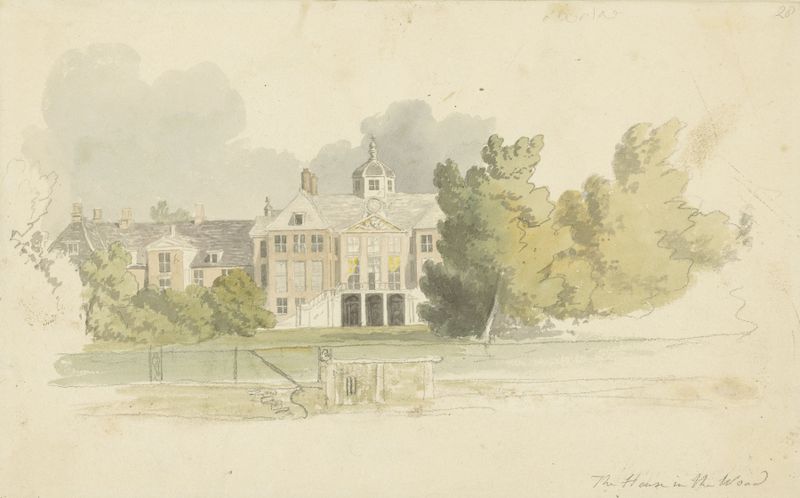
Gezicht op Huis ten Bosch
Robert Hills

Farmyard with Horses Waiting
Robert Hills
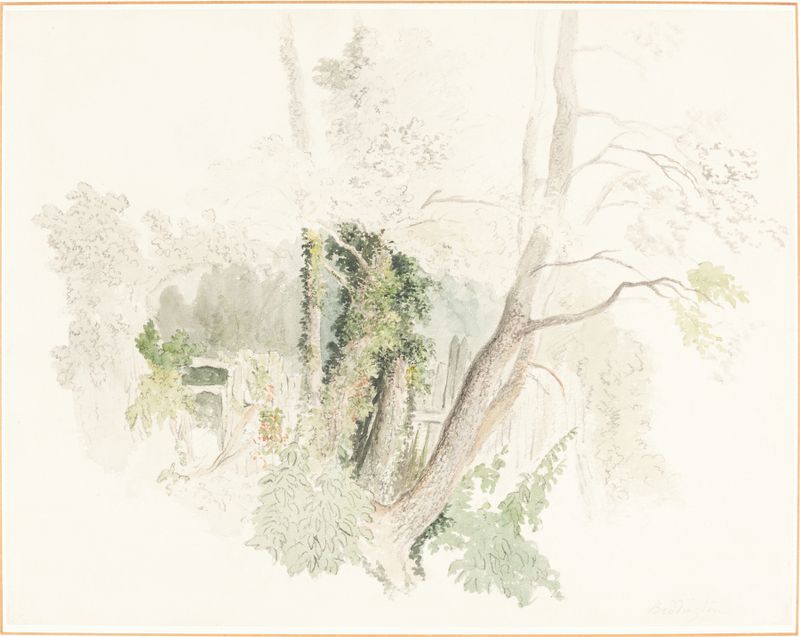
Trees at Beddington
Robert Hills

Woodland Study
Robert Hills
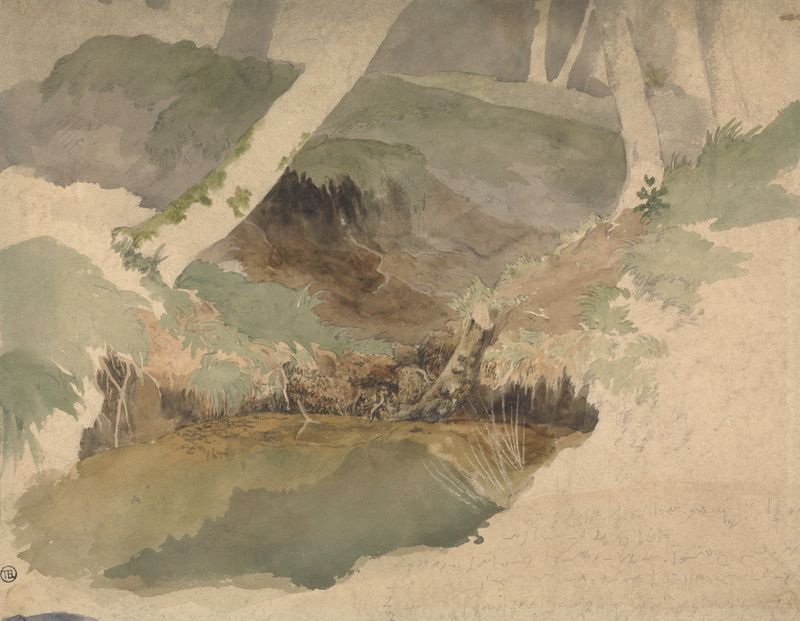
Forest Pool
Robert Hills

A Country Lane with Haystack and Gate
Robert Hills

Orchard Trees at Under River near Knole
Robert Hills
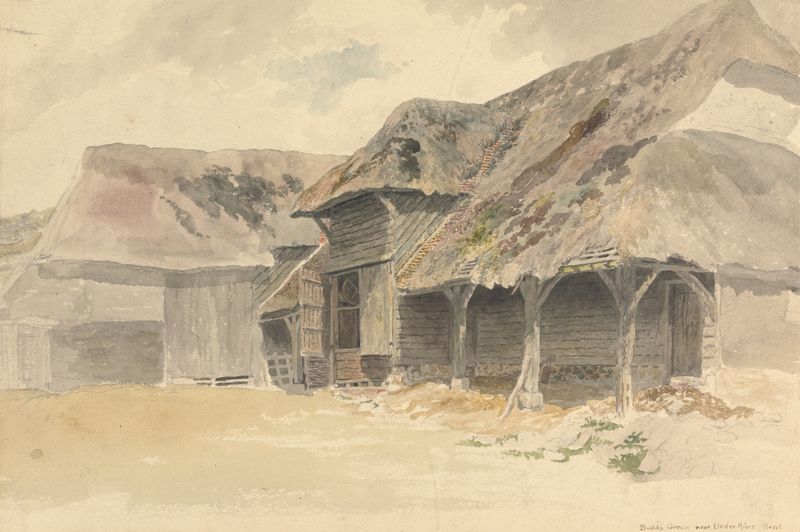
Budds Green, Kent
Robert Hills

The Fallen Tree
Robert Hills

Beech Trees
Robert Hills





