
The Fallen Tree — History & Facts
The weight of longing hangs in the air, captured beautifully in a moment that speaks volumes without uttering a single word. Look closely at the fallen tree, its gnarled roots exposed to the air like the hidden wounds of time. The rich browns and lush greens envelop the scene, creating a harmonious embrace between decay and rebirth. Notice how the light filters through the canopy, illuminating patches of mossy emerald beside the trunk, inviting you to contemplate the cycle of life and death. Yet, amid this natural beauty lies a poignant contrast: the vibrant life surrounding the tree juxtaposes its stillness and demise.
The delicate play of shadows suggests the passage of time, whispering secrets of what once was. Each leaf, every ripple of sunlight carries with it a story of longing—an echo of the past that resonates within the present, urging an exploration of our own emotions tied to loss and nostalgia. In 1804, during a period of transition in British landscape painting, Robert Hills created this evocative work while residing in London. The Romantic movement was gaining momentum, emphasizing emotional depth and the sublime beauty of nature.
Hills, known for his attention to detail and vibrant depictions of rural life, sought to capture not just the image, but the essence of a world on the cusp of change, where silence could hold profound confessions.
More Artworks by Robert Hills
Browse all →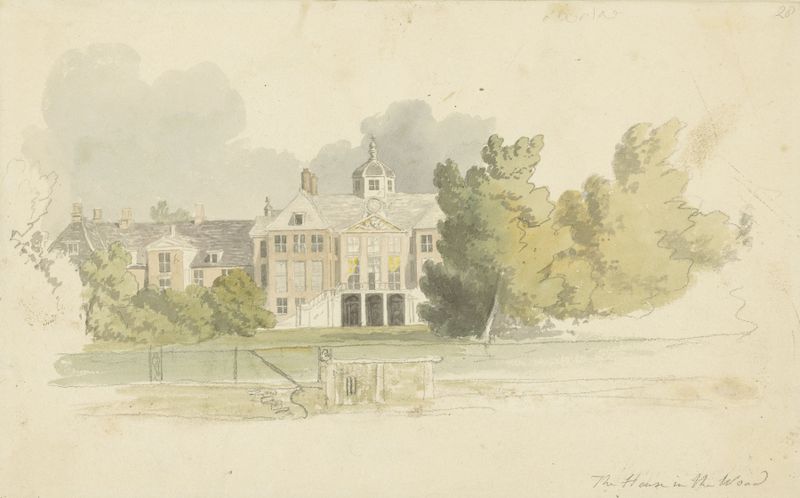
Gezicht op Huis ten Bosch
Robert Hills

Farmyard with Horses Waiting
Robert Hills
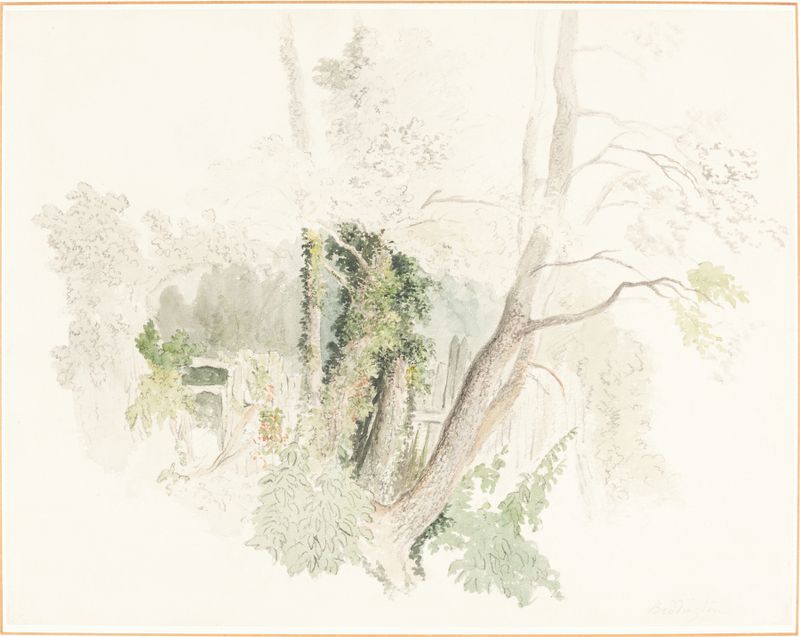
Trees at Beddington
Robert Hills

Woodland Study
Robert Hills
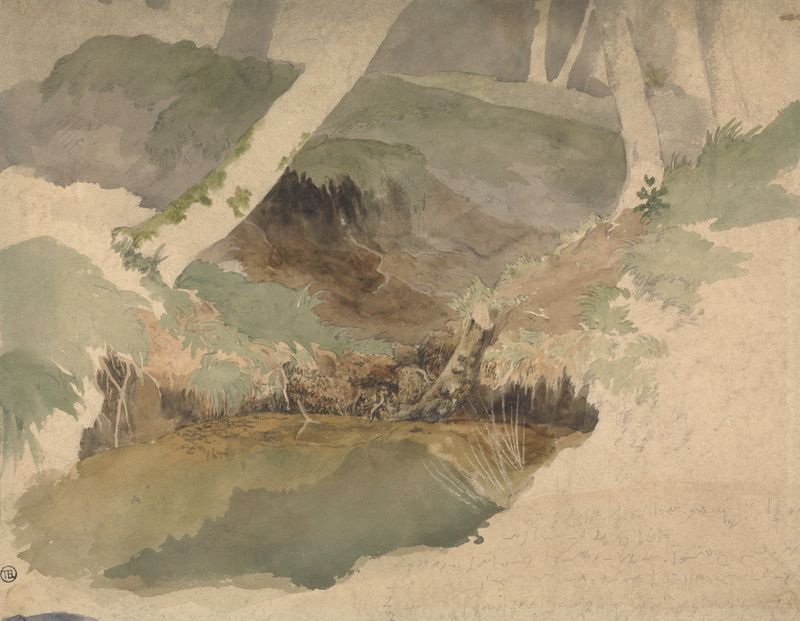
Forest Pool
Robert Hills

A Country Lane with Haystack and Gate
Robert Hills

Orchard Trees at Under River near Knole
Robert Hills
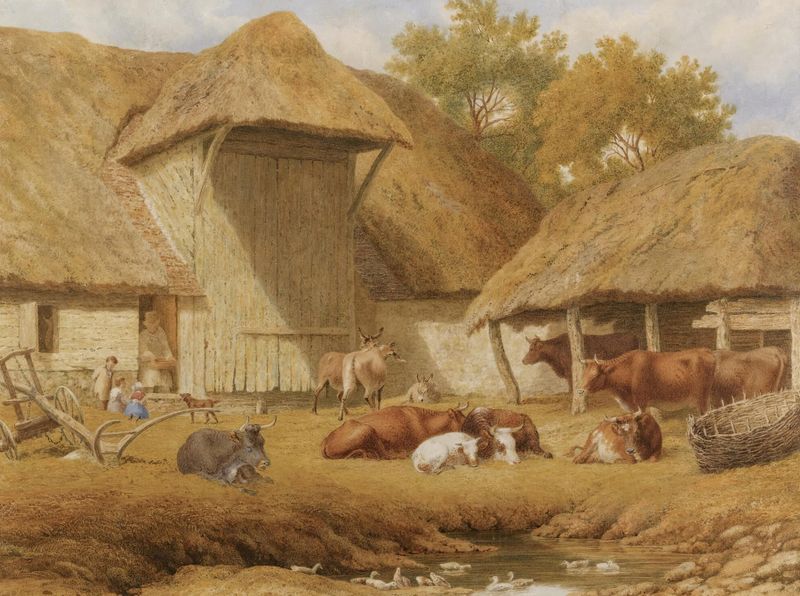
Cattle resting beside farm buildings
Robert Hills
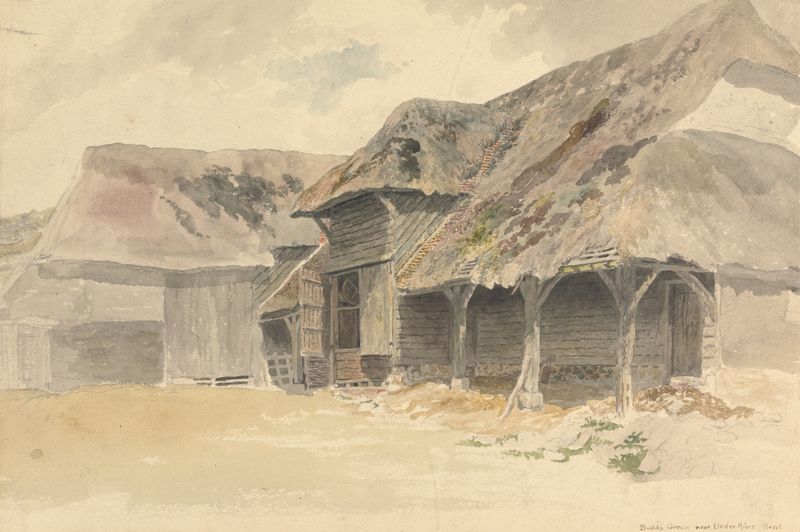
Budds Green, Kent
Robert Hills

Beech Trees
Robert Hills





