
Gezicht op Huis ten Bosch — History & Facts
Can beauty exist without sorrow? In Gezicht op Huis ten Bosch, an exploration of loss intertwines with the delicate splendor of a tranquil landscape, inviting the viewer to contemplate the weight of history enshrined in nature’s embrace. Look to the left at the gracefully arching trees, their branches reaching out as if to cradle the house nestled within the serene backdrop. The warm, muted colors of the foliage contrast with the cooler tones of the distant water, creating a harmonious interplay of light. Notice how every brushstroke seems to whisper a story, capturing the fleeting moment of time where nature holds dominion over the architectural structure.
Hills’ technique of layering soft hues conveys tranquility, yet hints at an underlying melancholy that permeates the scene. In the foreground, subtle details—a single bird in flight, a ripple in the water—echo the theme of transience. The house itself, while visually striking, may symbolize the fragility of beauty and existence, prompting reflections on the passage of time and the inevitability of change. This dichotomy between the idyllic setting and the suggestion of loss resonates deeply, creating an emotional tension that underpins the work.
The viewer is left pondering whether the serenity of this scene is merely a veil over the sorrows of bygone eras. Robert Hills painted this work between 1811 and 1816, during a period marked by both personal and artistic transitions. Working in England, he was influenced by the Romantic movement, which emphasized emotion and nature's beauty. Amidst the socio-political shifts of the early 19th century, Hills focused on landscapes that captured the essence of his surroundings while reflecting the complexities of human experience, particularly the emotional resonances of loss and nostalgia.
More Artworks by Robert Hills
Browse all →
Farmyard with Horses Waiting
Robert Hills
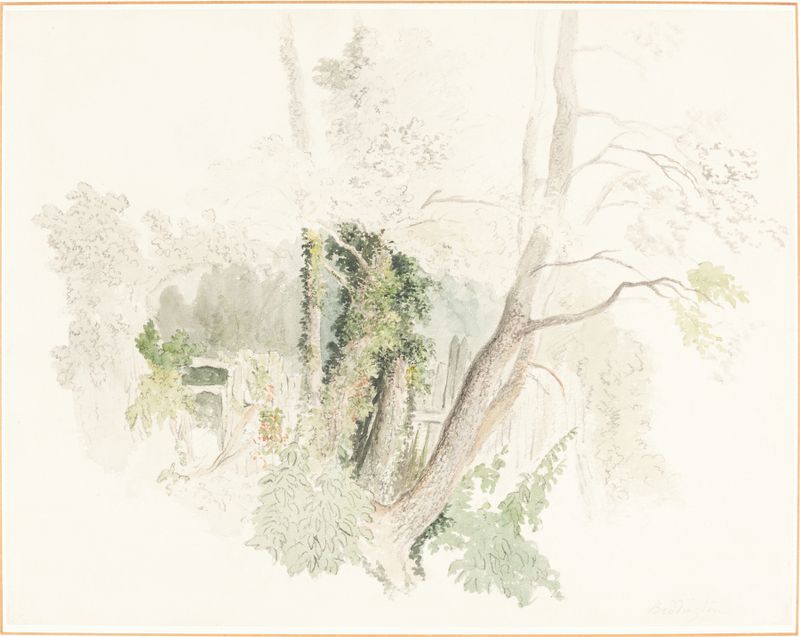
Trees at Beddington
Robert Hills

Woodland Study
Robert Hills
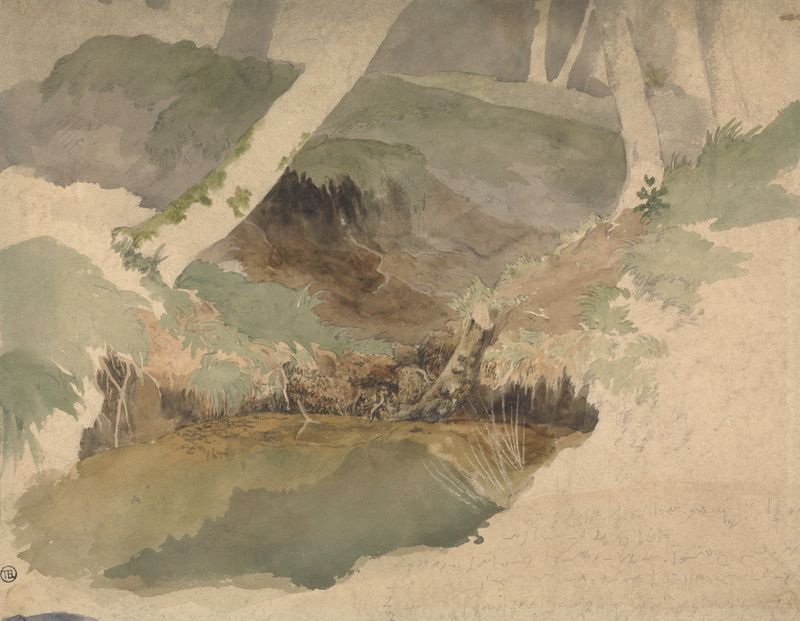
Forest Pool
Robert Hills

A Country Lane with Haystack and Gate
Robert Hills

Orchard Trees at Under River near Knole
Robert Hills
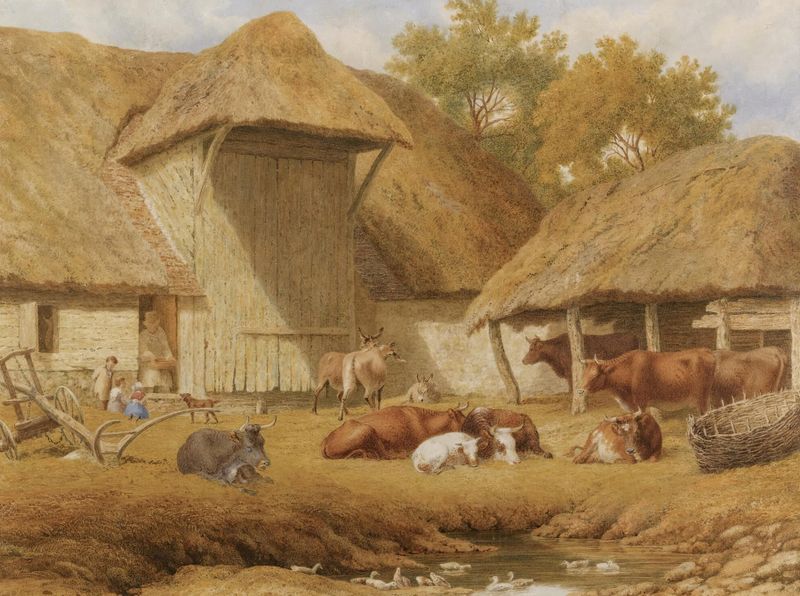
Cattle resting beside farm buildings
Robert Hills
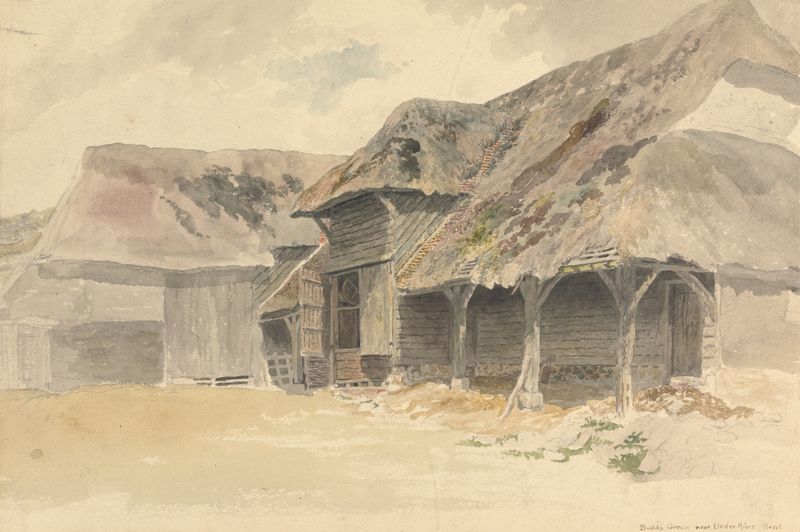
Budds Green, Kent
Robert Hills

The Fallen Tree
Robert Hills

Beech Trees
Robert Hills





