
Woodland Study — History & Facts
In the delicate embrace of nature, the recollection of loss finds its voice in the interplay of verdant hues and shadowed corners. Look to the left at the tender greys and browns that blend seamlessly, evoking a silent woodland where life pulses beneath the surface. The trees, tall sentinels, seem to whisper secrets of what once was, their bark textured with meticulous detail, while dappled light filters softly through the canopy above. The composition draws you in, inviting a calm exploration of the quietude that envelops the scene. Hidden within the foliage are echoes of past lives—the rustling leaves suggest a fleeting presence, a reminder of those who wandered through this sylvan sanctuary.
The contrasts between light and dark serve not only to create depth but also to evoke feelings of nostalgia and yearning. Each gentle stroke captures fleeting moments, the very essence of nature's transience, highlighting the beauty of what may be lost but remains in memory. In 1802, Robert Hills, an English painter, was navigating the intricate balance of Romanticism and the emerging realism of his time. Working primarily in London, he was deeply influenced by the natural landscapes surrounding him, reflecting a growing appreciation for the sublime beauty of nature.
Amidst a world rapidly changing due to industrialization, his work stands as a heartfelt tribute to the tranquility and solace found within the wilderness—a poignant reminder of what once thrived in the fabric of existence.
More Artworks by Robert Hills
Browse all →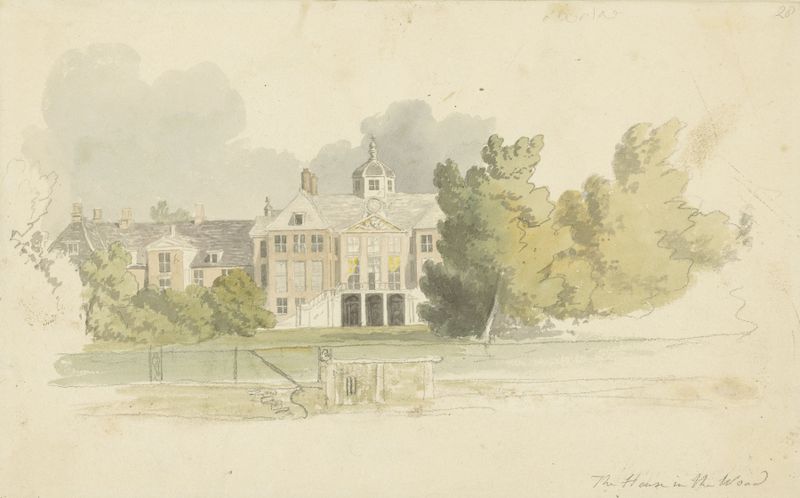
Gezicht op Huis ten Bosch
Robert Hills

Farmyard with Horses Waiting
Robert Hills
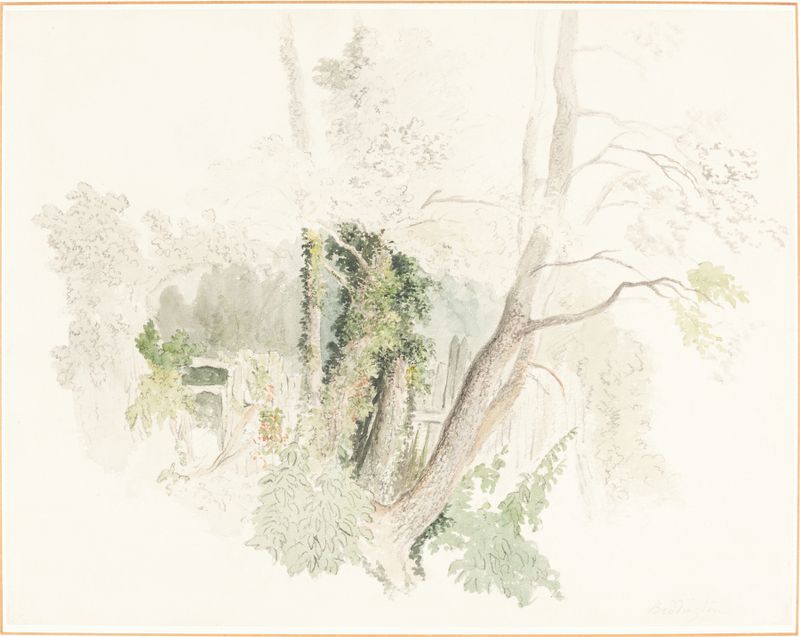
Trees at Beddington
Robert Hills
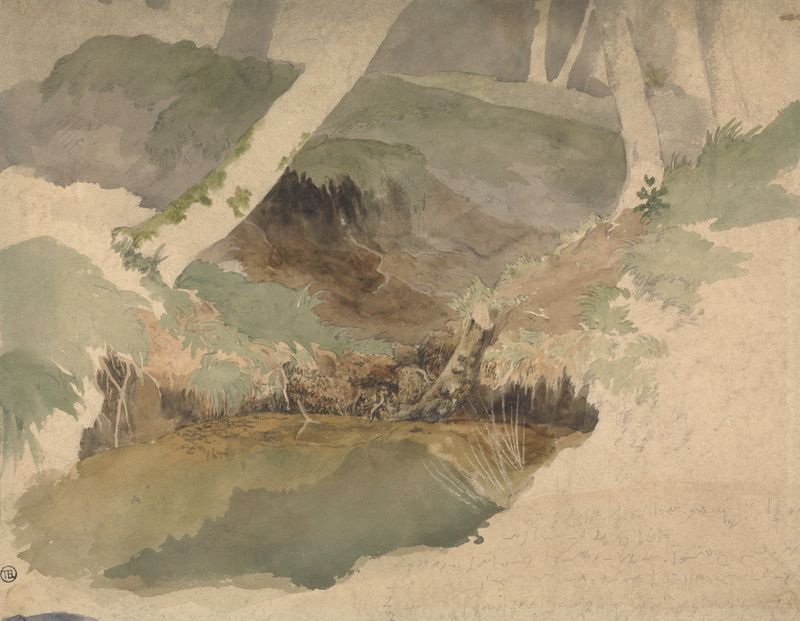
Forest Pool
Robert Hills

A Country Lane with Haystack and Gate
Robert Hills

Orchard Trees at Under River near Knole
Robert Hills
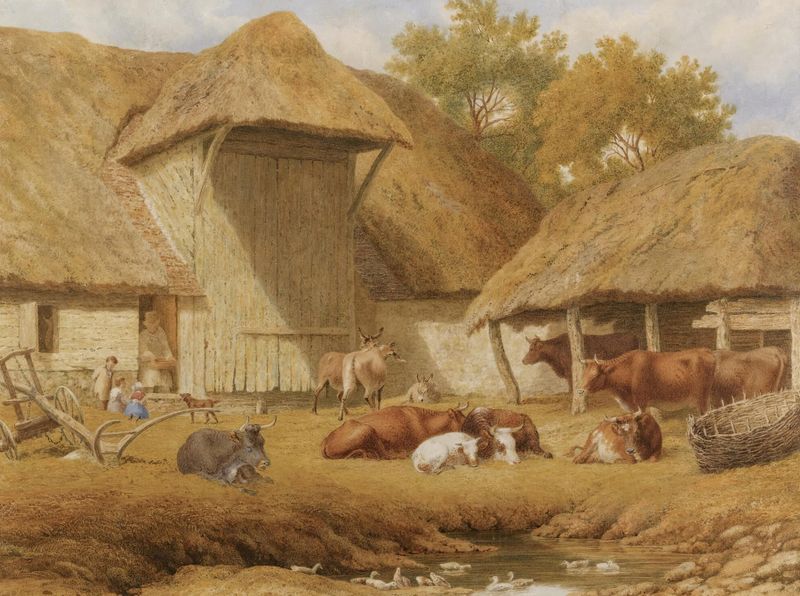
Cattle resting beside farm buildings
Robert Hills
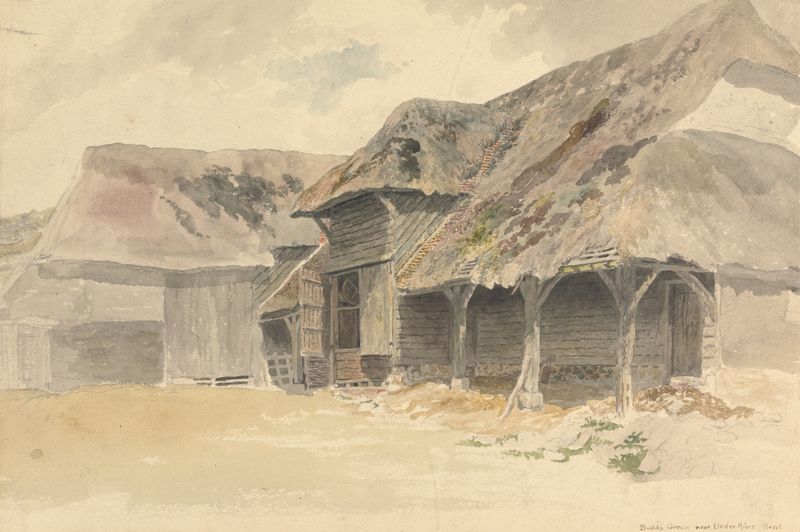
Budds Green, Kent
Robert Hills

The Fallen Tree
Robert Hills

Beech Trees
Robert Hills





