
Cave of Surtshellir or Robber’s Cavern, Iceland — History & Facts
Could beauty survive in a century of chaos? The haunting allure of nature’s formations suggests that amidst turmoil, there is always a space for rebirth. Look to the center of the canvas, where the cavern’s mouth beckons with an otherworldly glow. The rocky textures emerge with a striking contrast against the verdant greenery that clings to the edges. Notice the interplay of light and shadow; sunbeams filter through the jagged entrance, illuminating the depths of the cave like a promise of hidden wonders.
The artist’s meticulous brushwork captures the raw, untamed spirit of Iceland, inviting the viewer into a sacred, secretive world. Beneath the surface lies a tension between the wildness of nature and the stillness of the cave. The gnarled rocks seem to whisper tales of ancient robbers, while the lush foliage represents the relentless life force that persists despite the passage of time. This space, filled with both danger and beauty, acts as a metaphor for resilience — a reminder that, even in the darkest places, renewal can flourish.
The duality of fear and enchantment evokes a sense of both vulnerability and strength, urging reflection on the cycles of existence. Charles Hamilton Smith painted this work during a time when the Romantic movement was flourishing, particularly in the early 19th century. While little documentation specifies the exact date, the artist's fascination with the rugged landscapes of Iceland reflects a broader trend of exploring sublime elements in nature. This era was marked by a growing appreciation for national identity and the natural world, setting the stage for the imaginative interpretations that would shape art for years to come.
More Artworks by Charles Hamilton Smith
Browse all →
Situation of H.M.S. Hecla & Griper
Charles Hamilton Smith
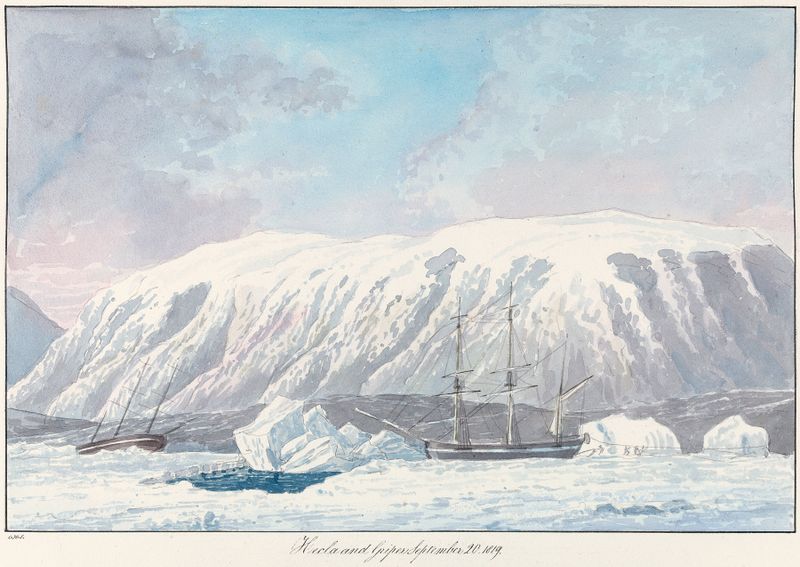
Hecla and Griper
Charles Hamilton Smith

Friendly Cove, Nootka Sound
Charles Hamilton Smith

Iceberg in Baffin’s Bay
Charles Hamilton Smith
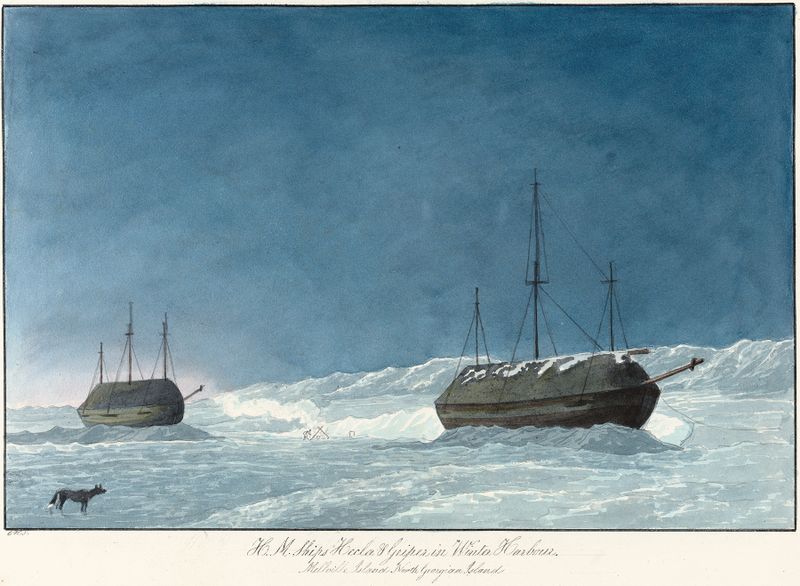
H. M. Ships Hecla and Griper in Winter Harbour
Charles Hamilton Smith

The Erebus & Terror in a Gale in the Pack of the Ice
Charles Hamilton Smith
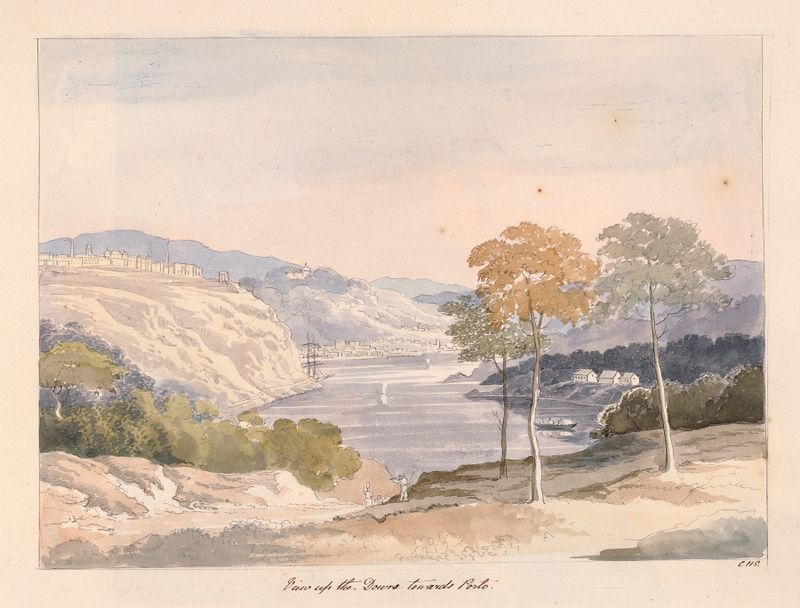
View of the Douro towards Porto
Charles Hamilton Smith
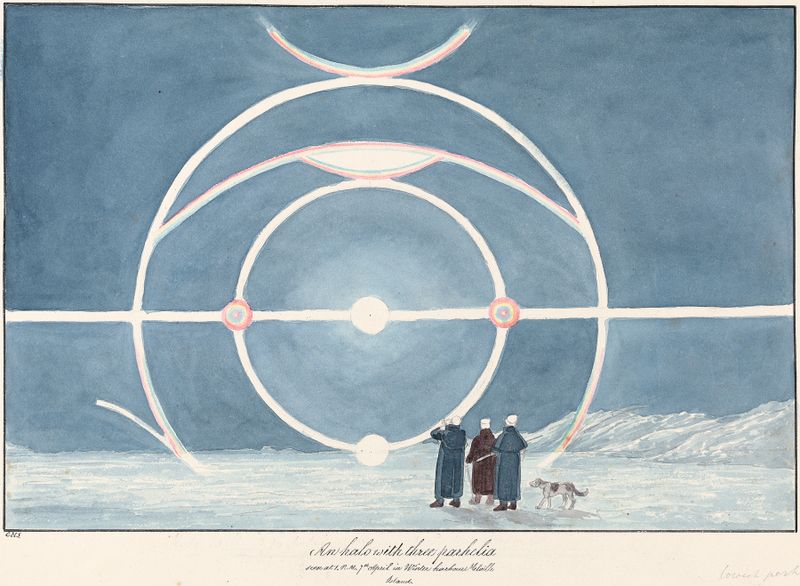
Halo with Three Parhelia, Winter Harbour Melville Island
Charles Hamilton Smith
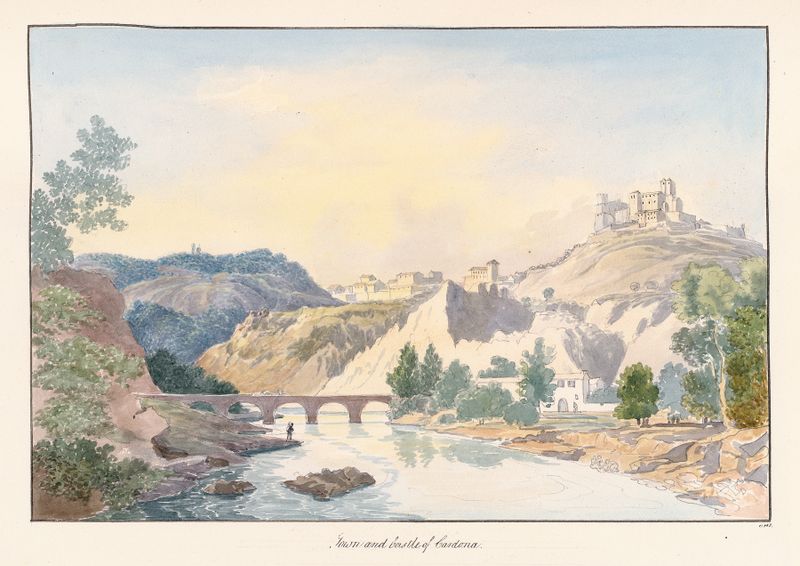
Town and Castle of Cardona
Charles Hamilton Smith
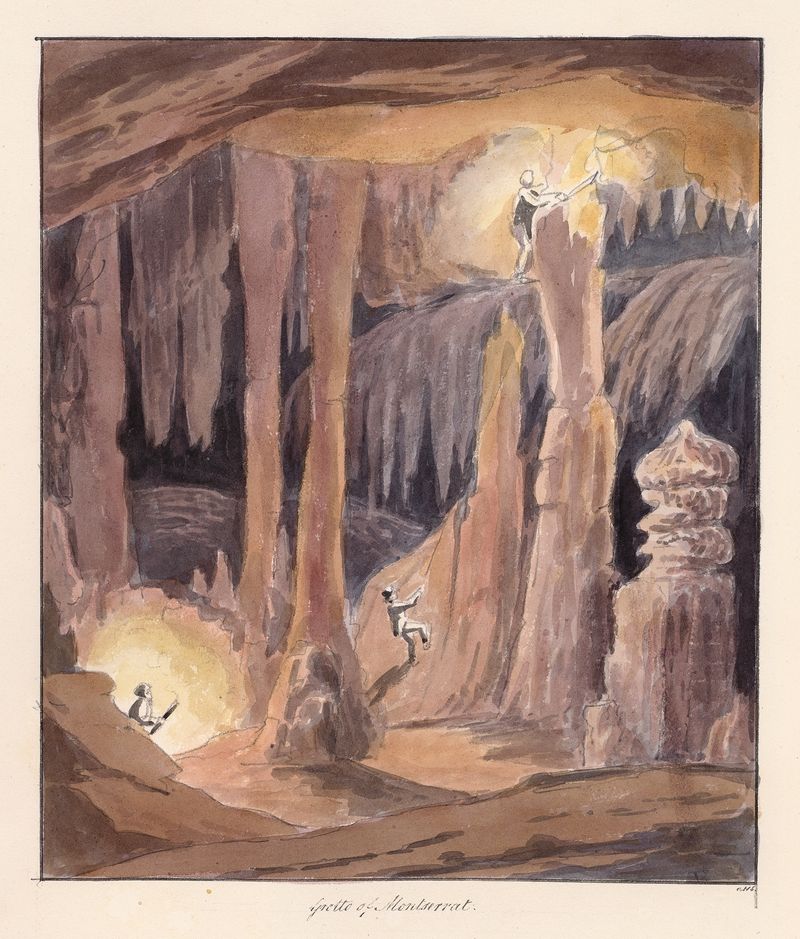
Grotto of Montserrat
Charles Hamilton Smith





