
Caves — History & Facts
Can paint confess what words never could? In a world laden with silence, the strokes of Caves echo like whispered secrets, inviting us to explore the depths of legacy and memory. Look at the rich textures that unfold as you gaze upon the canvas. Notice how the earthy browns and murky greens entwine, creating a labyrinth of shadows and forms that mimic the very caverns they depict. The subtle interplay of light and shadow reveals not only the physical structure of these caves but also the emotional weight they carry, as if the artist sought to illuminate the darkest corners of human experience. Within this rugged landscape lies a tension between conflict and solace.
The jagged edges of the cave walls represent the struggles of the past, while the soft glimmers of light breaking through suggest hope and resilience. As you delve deeper into the composition, the viewer encounters a dialogue between confinement and liberation, evoking a sense of introspection about what lies hidden beneath the surface of our own histories. James Miller painted Caves during a time when he was deeply invested in exploring themes of personal and collective memory. The exact date of this work remains uncertain, but it reflects the artist’s ongoing engagement with the natural world and human emotion.
Amidst the broader art movements of his era, Miller carved out a niche for himself, focusing on the interplay of nature and the psyche, ultimately leaving a legacy that transcends the confines of his time.
More Artworks by James Miller
Browse all →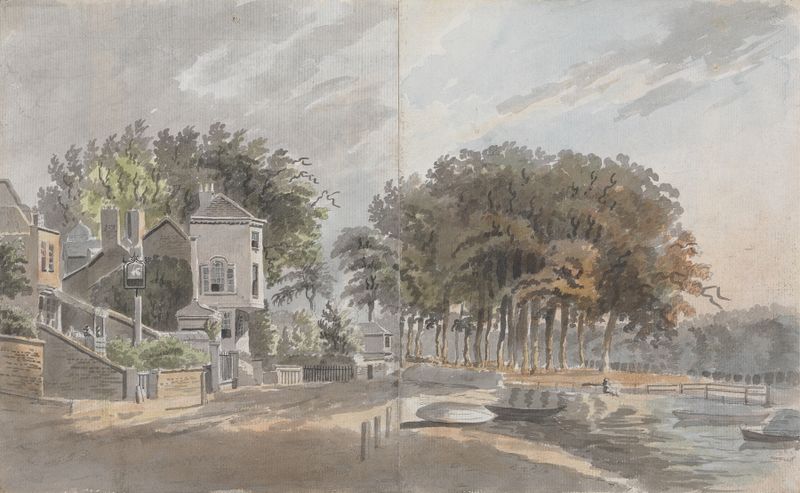
The Swan Inn at Twickenham
James Miller
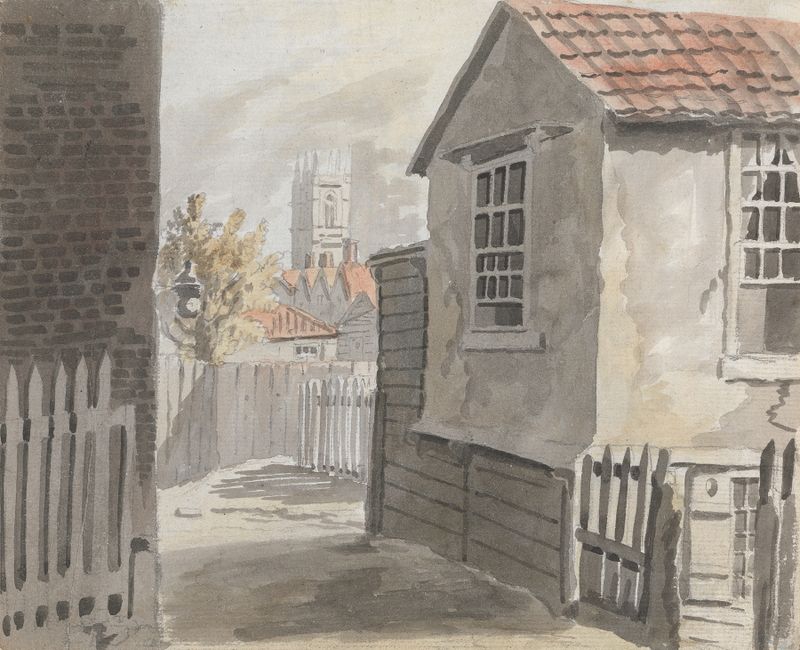
Distant View of Church
James Miller
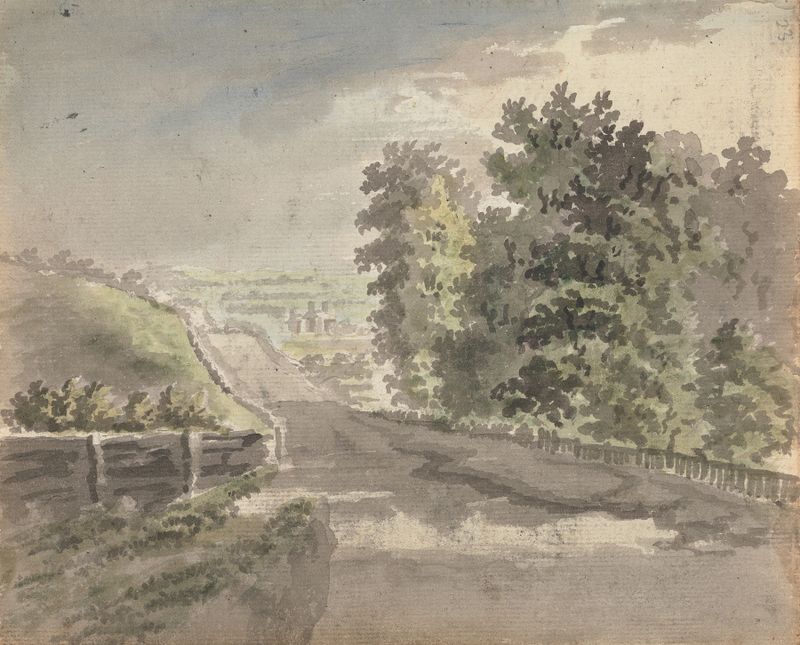
A Country Lane.
James Miller
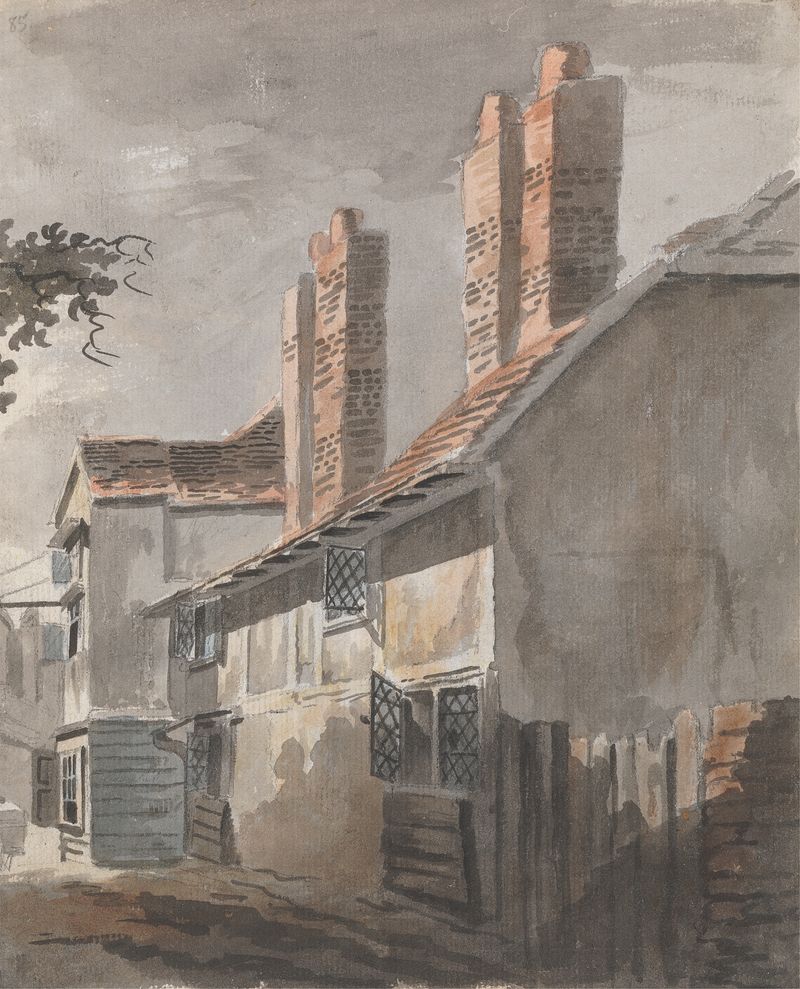
View of a Building with Chimneys
James Miller
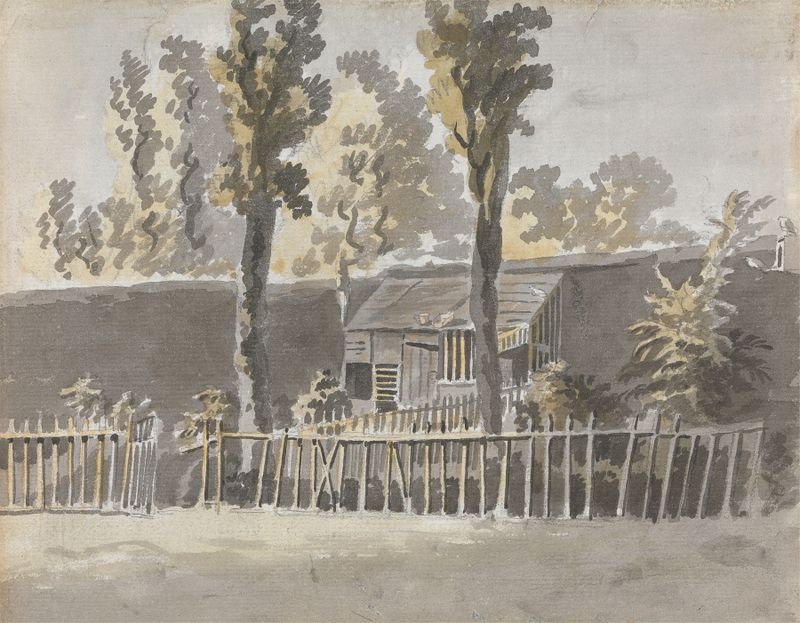
Trees before a House
James Miller
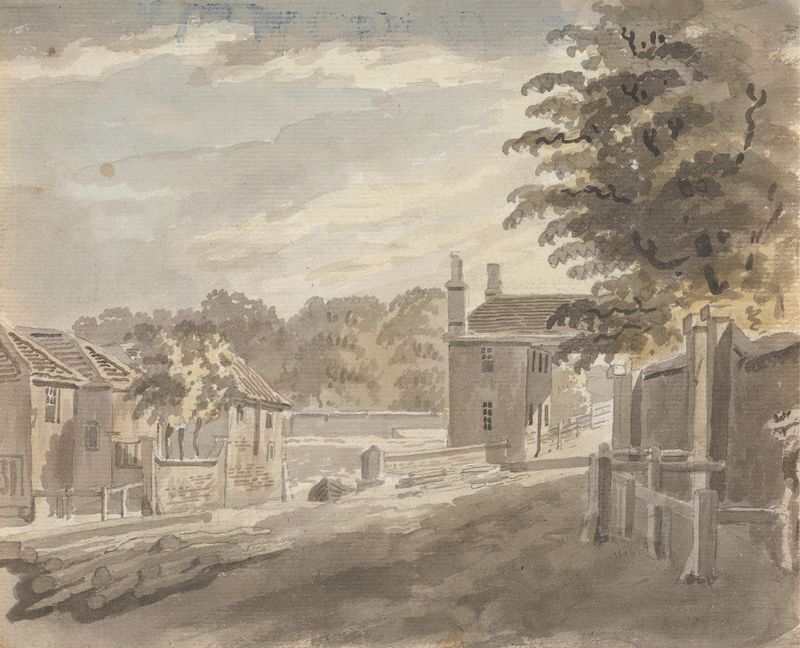
The Fulham End of Putney Bridge
James Miller
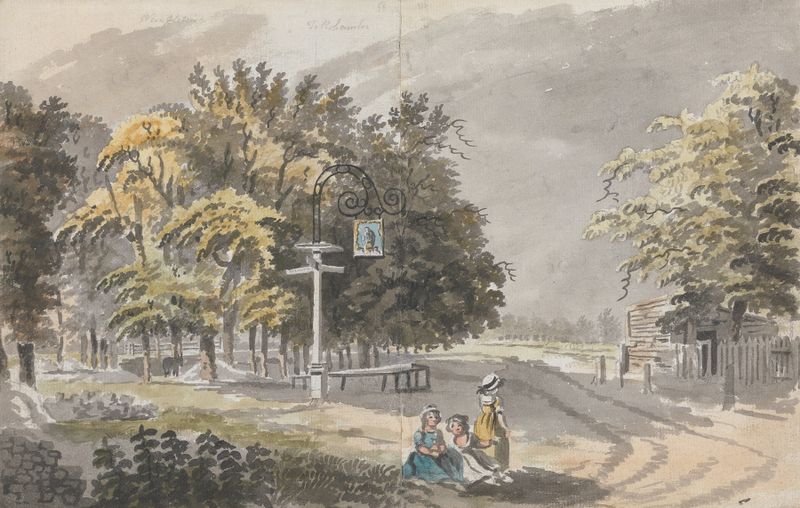
Near Putney
James Miller
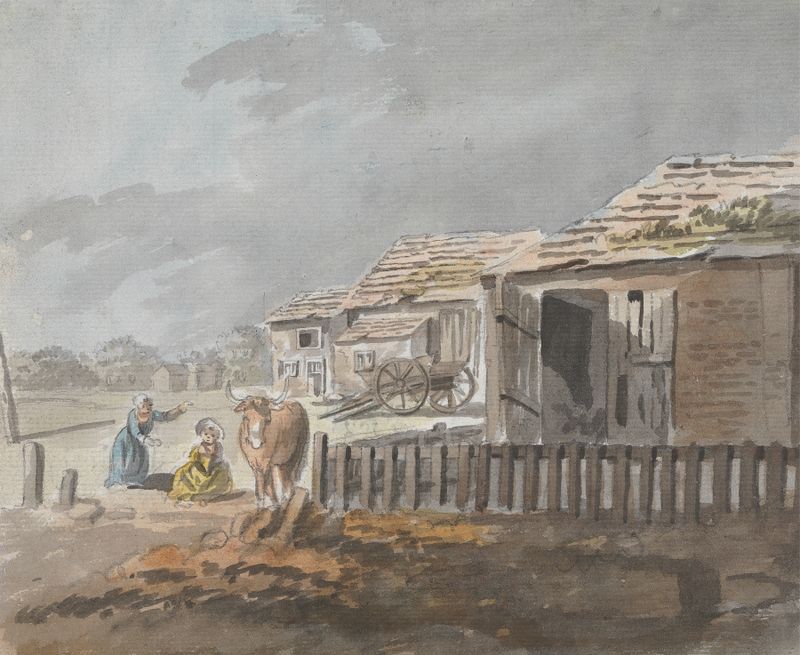
Figures on the Farm
James Miller
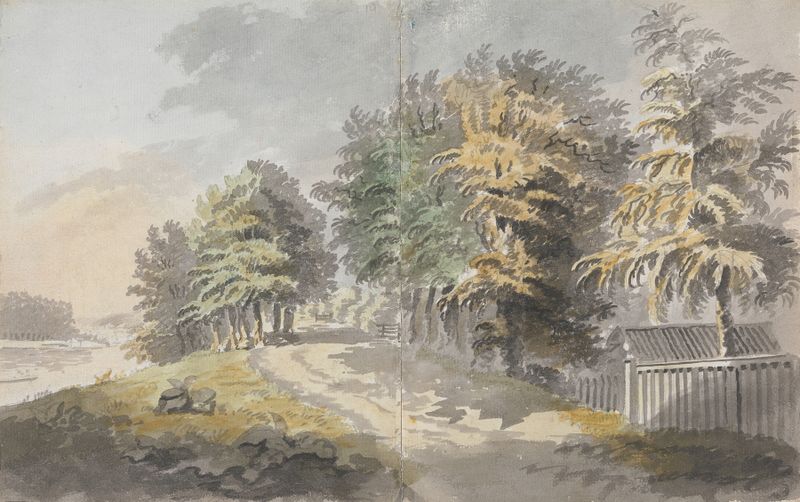
Miller Lane & Trees by River
James Miller
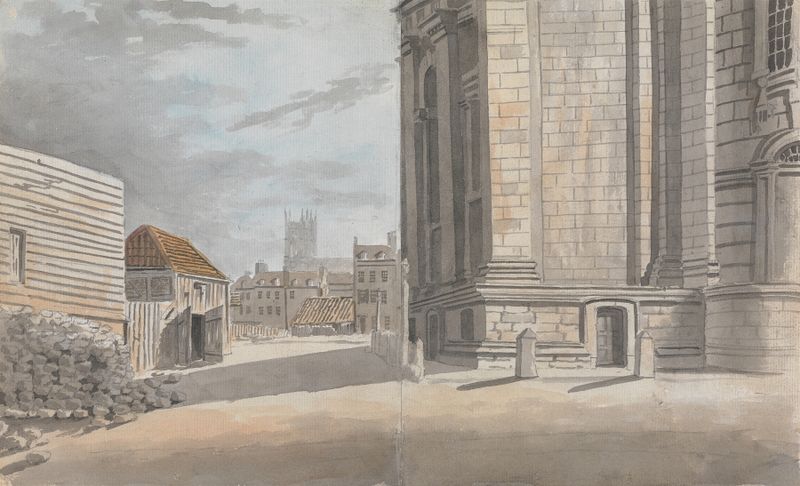
The Church of St. John’s, Smith Square
James Miller





